- Company Articles
- Products and Technology
- Installation And Maintenance
- 40 Steel Roller Track White Wheel Cleaning Guide: Maintaining Hygiene Standards

40 Steel Roller Track White Wheel Cleaning Guide: Maintaining Hygiene Standards
Related Product
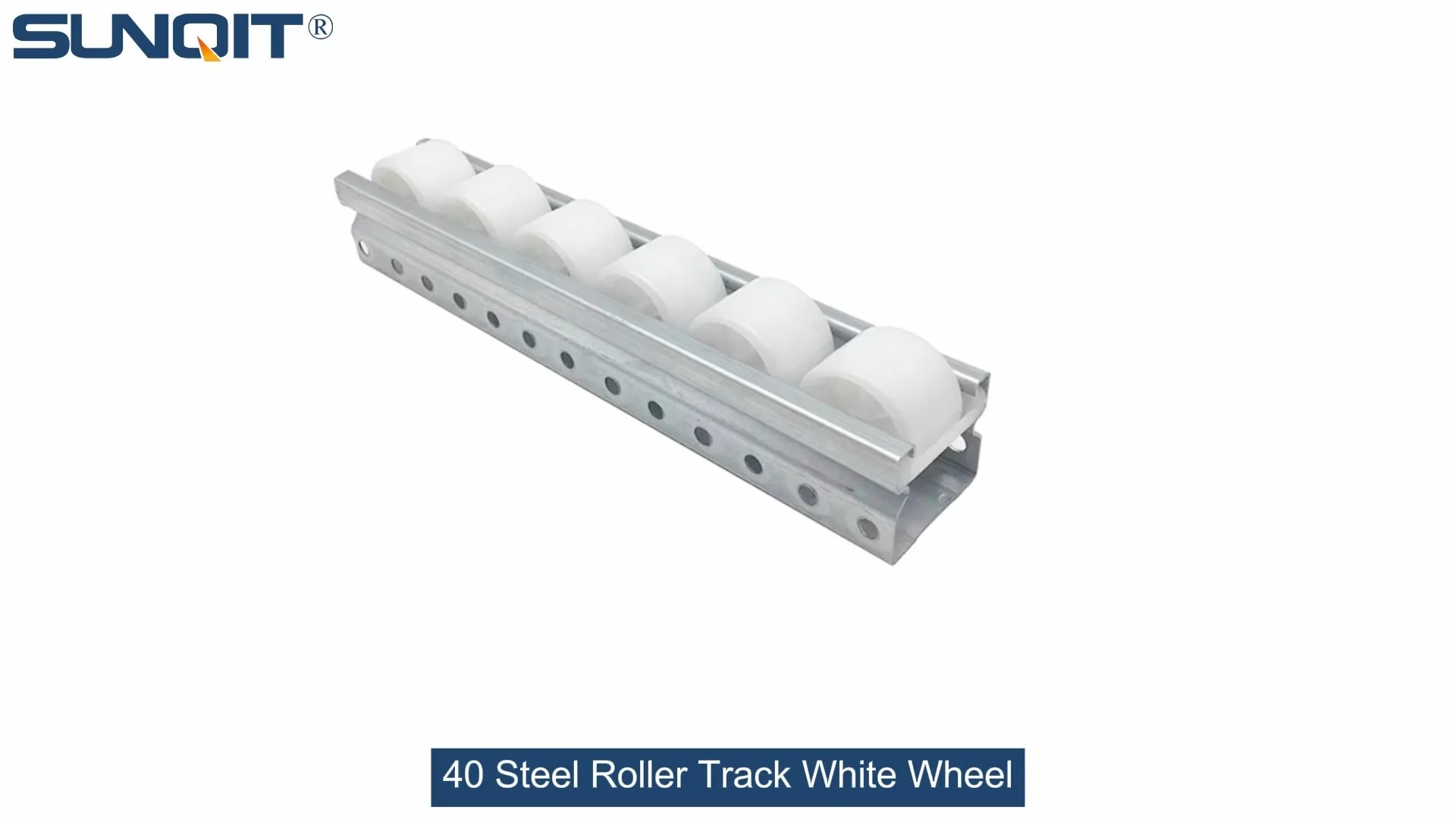
40 Steel Roller Track White Wheel
The roller track can be installed with multiple accessories to create different slopes and configurations of flow racks.All steel conveyor 40 roller track accessories are engineered to perfectly fit the sliding rail.
Why Cleaning 40 Steel Roller Track White Wheels Matters
If you're running a factory floor, warehouse, or assembly line, chances are you rely on equipment like conveyors, flow racks, or lean pipe workbenches to keep operations moving. Among the unsung heroes of these setups are the 40 steel roller track white wheels—small but critical components that ensure smooth, efficient flow of materials and products. But when these wheels get dirty, the consequences go beyond just a messy appearance: sticky or clogged wheels can slow down production, create safety hazards, and even compromise hygiene standards (especially in industries like medical device manufacturing).
This guide isn't just about wiping down wheels; it's about integrating cleaning into your lean system practices. Proper maintenance helps extend the lifespan of your equipment, reduces downtime, and keeps your workspace compliant with industry hygiene rules. Whether your wheels are part of a conveyor moving 3C assembly parts or a flow rack storing medical supplies, following these steps will keep them in top shape.
Pre-Cleaning Preparation: Tools & Safety
Before you start cleaning, gather the right tools to avoid damaging the wheels or track. Here's what you'll need:
- Soft-bristle brush (to remove loose debris without scratching)
- Microfiber cloths (lint-free, ideal for gentle wiping)
- pH-neutral mild detergent (avoid harsh chemicals like bleach or ammonia)
- Warm water (not boiling—hot water can damage wheel coatings)
- Non-abrasive sponge (for cleaning track surfaces)
- Silicone-based lubricant (for wheel bearings, not the wheel surface)
- Nitrile gloves (to protect your hands from dirt and chemicals)
- Screwdriver set (for tightening loose parts or disassembling, if needed—you might use aluminum profile accessories here)
- Toothbrush (soft-bristle, for getting into small crevices)
Safety first: Always turn off and unplug conveyors before cleaning. If you're working with industrial-grade equipment, use lockout/tagout procedures to prevent accidental startup. Wear gloves to avoid direct contact with dirt, chemicals, or sharp edges on the track.

Step-by-Step Cleaning Process
Follow these detailed steps to clean your 40 steel roller track white wheels effectively:
Step 1: Assess the Track & Wheels
Begin by inspecting the entire roller track system. Look for signs of dirt buildup, stuck debris (like small plastic pieces or dust), or worn components. Check if any wheels are loose—this might require tightening later with aluminum profile accessories. Note any wheels that are cracked or have damaged bearings (these will need replacement after cleaning).
Step 2: Dry Removal of Loose Debris
Use the soft-bristle brush to sweep away loose dust, hair, and small particles from the wheels and track gaps. For hard-to-reach areas (like between the wheel and the track frame), use the soft toothbrush to gently dislodge debris. Avoid using force—you don't want to bend the track or scratch the white wheel coating.
Step 3: Wet Cleaning for Stubborn Dirt
Mix a small amount of pH-neutral detergent with warm water in a bucket. Dip a microfiber cloth into the solution, then wring it out thoroughly (no dripping—excess water can seep into wheel bearings and cause rust). Wipe each white wheel individually, rotating it slowly to clean all sides of the surface. For the track rails, use the non-abrasive sponge to scrub the area where wheels roll, paying attention to crevices where dirt accumulates.
Pro tip: If you're cleaning wheels in a medical industry setup, replace the detergent with an EPA-approved disinfectant to meet hygiene standards.
Step 4: Rinse & Dry Thoroughly
If the detergent leaves a residue, use a clean microfiber cloth dampened with plain warm water to wipe the wheels and track again. Then, take a dry cloth and pat each wheel until it's completely dry. Let the entire system air dry for 10–15 minutes (or use a fan for faster drying) to ensure no moisture remains in the bearings or track gaps.
Step 5: Lubricate Bearings (Optional but Critical)
Apply a tiny amount of silicone-based lubricant to the wheel bearings (not the wheel surface—this attracts dirt). Use a cotton swab to reach the bearing area, then wipe off any excess lubricant with a dry cloth. Lubrication helps reduce friction and extends the life of your wheels, especially if they're part of a heavy-use conveyor or lean pipe workbench.
Step 6: Reassemble & Test
If you disassembled any parts (like removing wheels from a flow rack), put them back in place. Tighten any loose screws or bolts using the appropriate tools—for aluminum frame components, you might need aluminum profile accessories to ensure a secure fit. Once everything is reassembled, turn on the conveyor (or test manually) to check if the wheels roll smoothly without sticking or noise.

Routine vs. Deep Cleaning: What's the Difference?
| Cleaning Type | Frequency | Tools Required | Key Steps | Ideal For |
|---|---|---|---|---|
| Routine Cleaning | Weekly | Soft brush, microfiber cloths, mild detergent | Dry debris removal + quick wet wipe + surface drying | Daily-use conveyors in 3C assembly lines or lean pipe workbenches |
| Deep Cleaning | Monthly/Quarterly | All routine tools + toothbrush + lubricant + screwdriver + aluminum profile accessories | Full disassembly + thorough cleaning + bearing lubrication + part inspection + tightening loose components | Medical industry flow racks, heavy-load warehouse conveyors, or high-hygiene lean system setups |

Maintenance Tips to Extend Wheel Lifespan
Cleaning is just one part of keeping your 40 steel roller track white wheels in good condition. Here are additional tips to integrate into your lean system practices:
1. Follow a Regular Inspection Schedule
Every two weeks, take 10 minutes to inspect your wheels and track. Look for signs of wear (like cracked wheels or flattened bearings) and loose components. Use aluminum profile accessories to tighten any loose parts immediately—this prevents further damage and downtime.
2. Avoid Harsh Chemicals
Harsh cleaners (like bleach or acetone) can strip the white coating from your wheels and corrode the steel track. Stick to pH-neutral detergents or industry-approved disinfectants for medical setups.
3. Keep Surrounding Areas Clean
Prevent dirt buildup by maintaining a clean workspace. This ties into the "Shine" and "Sustain" principles of 5S (a core part of any lean system). Sweep the floor around your conveyors and flow racks daily to reduce the amount of debris that gets onto the wheels.
4. replace Worn Parts Promptly
If a wheel is cracked, has noisy bearings, or sticks even after cleaning, replace it right away. Using worn wheels can damage your track and lead to costly downtime. For aluminum frame components, make sure to use compatible aluminum profile accessories when replacing parts.
Industry-Specific Cleaning Considerations
Different industries have unique hygiene and performance needs. Here's how to adapt your cleaning routine:
Medical Device Manufacturing
Hygiene is non-negotiable here. Use EPA-approved disinfectants instead of regular detergent to clean wheels on flow racks or conveyors that handle sterile parts. Deep clean every month, and document all cleaning activities to meet regulatory standards.
3C Assembly Lines
Dust is the enemy of 3C products (like smartphones or laptops). Increase routine cleaning to twice a week to prevent dust from getting into sensitive components. Use lint-free microfiber cloths to avoid leaving particles on the wheels or track.
Warehouse Logistics
Heavy loads and constant use mean your wheels take a beating. Deep clean every three weeks, and lubricate bearings after each deep clean. For flow racks that hold heavy pallets, check the tightness of aluminum profile accessories monthly to ensure stability.
Troubleshooting Common Wheel Issues
Even with regular cleaning, you might encounter issues. Here's how to fix them:
Sticky Wheels
This is usually caused by dirt buildup in the bearings. Follow the deep cleaning steps, then lubricate the bearings. If the problem persists, replace the wheel.
Noisy Operation
Noisy wheels often mean dirt in the bearings or loose components. Clean the bearings, then tighten any loose screws using aluminum profile accessories. If the noise continues, check for worn bearings.
Uneven Rolling
Uneven rolling can be due to a dirty track or worn wheels. Clean the track thoroughly, then inspect the wheels for cracks or flat spots. replace any worn wheels to restore smooth rolling.
Final Thoughts: Cleaning as Part of Your Lean System
Proper cleaning of your 40 steel roller track white wheels isn't just a chore—it's an investment in your business. By keeping these components in top shape, you reduce downtime, extend equipment life, and maintain the hygiene standards your industry demands. Whether your wheels are part of a conveyor, flow rack, or lean pipe workbench, following this guide will help you keep operations running smoothly and efficiently.
Remember: A clean workspace is a productive workspace. Integrate these cleaning steps into your daily or weekly routine, and you'll see the difference in your equipment's performance and lifespan.