- Company Articles
- Products and Technology
- Product knowledge
- 40 Steel Roller Track White Wheel vs. Aluminum Wheels: Weight & Strength

40 Steel Roller Track White Wheel vs. Aluminum Wheels: Weight & Strength
Related Product
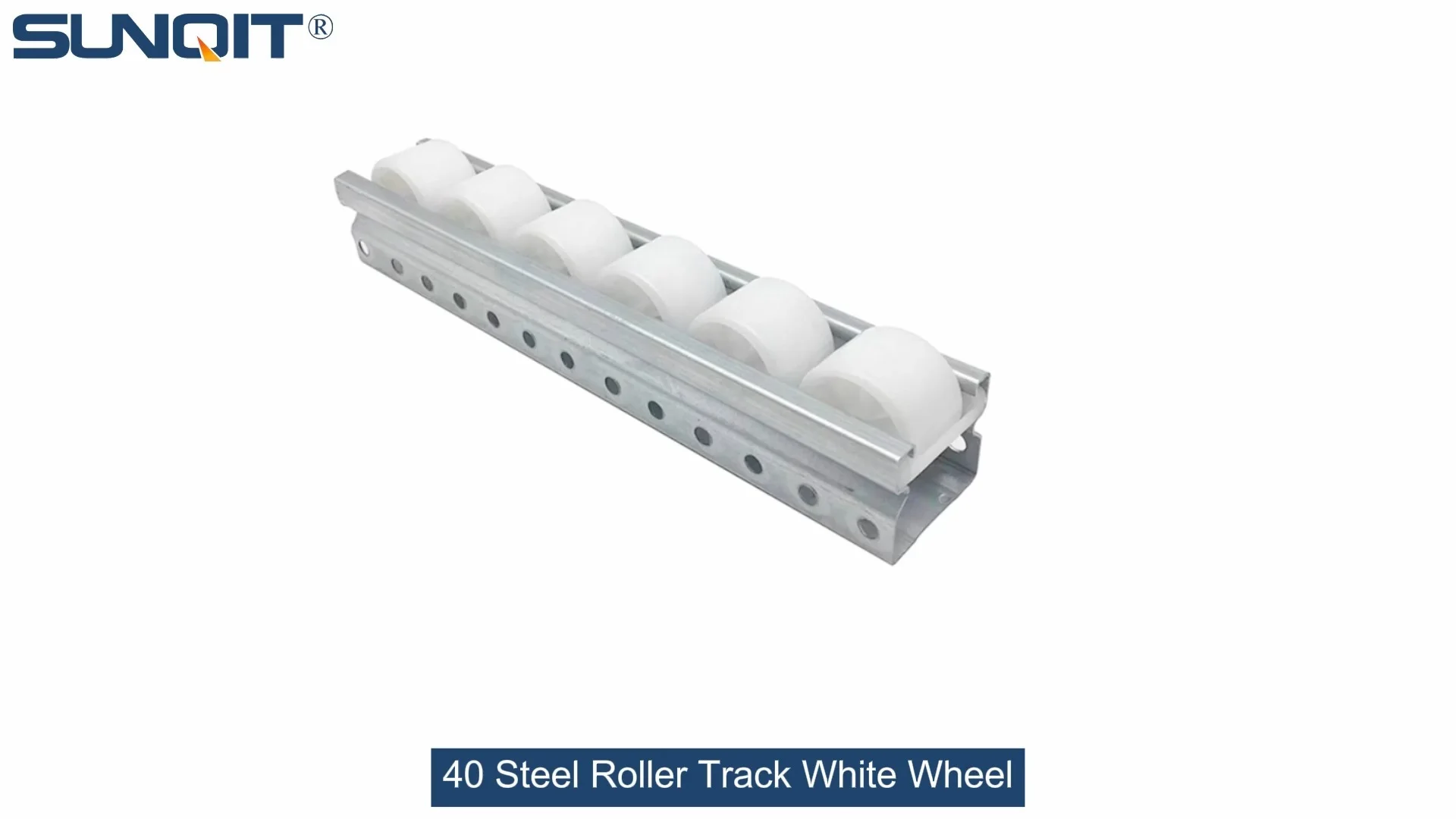
40 Steel Roller Track White Wheel
The roller track can be installed with multiple accessories to create different slopes and configurations of flow racks.All steel conveyor 40 roller track accessories are engineered to perfectly fit the sliding rail.
Introduction
In the world of manufacturing and material handling, every component plays a critical role in ensuring smooth operations. Roller tracks are the unsung heroes of flow racks and conveyors, enabling seamless movement of goods across production lines and warehouses. Among the key components of these systems are the wheels that make the movement possible. Today, we're diving deep into two popular options: the 40 Steel Roller Track White Wheel and Aluminum Wheels. Understanding their differences in weight and strength can help you make informed decisions for your lean system, whether you're setting up a new flow rack or upgrading an existing conveyor. The right choice can enhance efficiency, reduce maintenance costs, and extend the lifespan of your equipment.
What Are 40 Steel Roller Track White Wheels?
The 40 Steel Roller Track White Wheel is a robust component designed for heavy-duty material handling. Made from high-quality carbon steel with a durable white powder coating, these wheels are built to withstand significant loads and frequent use. The white finish not only gives them a clean, professional look that complements modern industrial environments but also provides an extra layer of protection against rust and corrosion. This coating is resistant to scratches and abrasions, ensuring that the wheels maintain their appearance even after years of use.
You'll often find these wheels in flow racks used for storing heavy parts like automotive components or machinery parts, as well as in conveyors that transport bulky items across manufacturing floors. Their strength and durability make them a favorite among engineers and facility managers who need reliable solutions for high-load applications. The 40 Steel Roller Track White Wheel is compatible with most standard roller track systems, making it easy to integrate into existing setups or new installations.

What Are Aluminum Wheels for Roller Tracks?
Aluminum Wheels for roller tracks are lightweight alternatives to steel wheels, crafted from high-grade aluminum alloys like 6061-T6. These alloys are known for their excellent strength-to-weight ratio, making aluminum wheels both strong and easy to handle. Unlike steel wheels, aluminum wheels do not require additional coatings to resist corrosion—they naturally form a protective oxide layer that prevents rust and degradation. This makes them ideal for environments with moisture or humidity, where steel wheels might struggle without proper maintenance.
Aluminum wheels are commonly used in applications where weight is a concern, such as 3C assembly lines, medical device manufacturing, and lightweight material storage in warehouses. Their lightweight nature makes them easy to install and reconfigure, which is a big plus for lean pipe workbenches and flexible workstations where adjustments are frequent. Aluminum wheels also contribute to a quieter operation, as they produce less noise when rolling compared to steel wheels, creating a more comfortable working environment for employees.

Weight Comparison: Steel vs. Aluminum Wheels
One of the most noticeable differences between these two wheel types is their weight. Let's take a closer look at how their weights stack up and what that means for your operations:
| Wheel Type | Weight per Wheel (Approx.) | Total Weight for 1000 Wheels | Impact on System |
|---|---|---|---|
| 40 Steel Roller Track White Wheel | 0.5 kg | 500 kg | Higher overall system weight, requires sturdier support structures, increased energy consumption for conveyors |
| Aluminum Wheel | 0.2 kg | 200 kg | Lower system weight, easier to install and reconfigure, reduced energy costs |
The lighter weight of aluminum wheels makes them a great choice for lean pipe workbenches and mobile flow racks where frequent adjustments are needed. Workers can easily move or reposition sections of the track without straining themselves, which improves productivity and reduces the risk of workplace injuries. On the other hand, the heavier steel wheels provide more stability for heavy loads, ensuring that the roller track doesn't shift under pressure. This stability is crucial in conveyors that handle large, bulky items like engine parts or industrial machinery, where even a small shift could lead to accidents or downtime.
Another important consideration is the impact of weight on shipping costs. For example, shipping 1000 steel wheels would require a larger, heavier package compared to 1000 aluminum wheels. This translates to higher shipping fees for steel wheels, which can add up significantly for large-scale projects. Aluminum wheels, with their lighter weight, offer substantial savings in transportation costs, making them a more cost-effective option for businesses that need to ship components long distances.

Strength & Durability: Which Performs Better?
When it comes to strength and durability, both wheel types have their advantages. Let's break down the key factors:
Load Capacity
Steel wheels are known for their high load-bearing capacity. A single 40 Steel Roller Track White Wheel can typically support up to 150 kg, making them ideal for heavy-duty applications. This means that a flow rack with 10 wheels per level can hold up to 1500 kg of weight—enough to store large industrial components or heavy machinery parts. Aluminum wheels, while strong, have a lower load capacity of around 80 kg per wheel. A similar flow rack with aluminum wheels would only be able to hold 800 kg per level, which is significantly less for industrial storage needs.
Load capacity is not just about individual wheel strength—it also affects the overall design of your roller track system. For instance, a conveyor belt designed to transport car bodies would need steel wheels to support the heavy weight of the metal frames. Aluminum wheels would not be able to handle this load, leading to premature failure and potential safety hazards.
Wear Resistance
Steel is a hard material that resists wear and tear even under constant friction. The white coating on steel wheels adds an extra layer of protection against scratches and abrasions, ensuring that the wheels maintain their functionality over time. Aluminum wheels, though durable, may show signs of wear more quickly if used with abrasive materials like sharp metal parts or rough plastic components. However, in non-abrasive environments like 3C assembly lines, where the items being transported are smooth and lightweight, aluminum wheels hold up well and maintain their appearance longer.
Corrosion Resistance
Aluminum has a natural advantage here—it forms a protective oxide layer that prevents rust and corrosion. This makes aluminum wheels perfect for wet or humid environments, such as food processing plants, pharmaceutical manufacturing facilities, or outdoor storage areas. Steel wheels rely on their white coating to resist corrosion; if the coating is damaged, rust can form quickly, which not only affects the appearance of the wheels but also reduces their strength and durability. Regular maintenance, like repainting or applying rust inhibitors, is needed to keep steel wheels in good condition in corrosive environments.
In industries where hygiene is paramount, like medical device manufacturing, aluminum wheels are the clear choice. They are non-reactive and won't contaminate products, making them ideal for producing sterile equipment. Steel wheels, even with a white coating, may leach chemicals if the coating is damaged, which could be a problem in sensitive industries.
Impact Resistance
Steel wheels are more resistant to impact than aluminum wheels. They can handle accidental drops or collisions without bending or breaking, which is essential in busy manufacturing floors where heavy items are moved around. For example, a steel wheel can withstand a minor collision with a forklift without damage, while an aluminum wheel might bend, causing the roller track to jam. This can lead to downtime in operations, which is costly for businesses that rely on continuous production.
Application Scenarios: Where to Use Each Wheel Type
Choosing the right wheel depends on your specific application. Here are some scenarios where each type shines:
40 Steel Roller Track White Wheels
- Automotive manufacturing flow racks for engine parts, chassis components, and heavy tools—these wheels can support the weight of large metal parts and withstand the rigors of continuous use.
- Conveyors in heavy machinery plants handling large metal parts like gears, shafts, and hydraulic components—steel wheels provide the stability and load capacity needed for these applications.
- Warehouse storage systems for bulky industrial materials like steel pipes, concrete blocks, and construction equipment—steel wheels ensure that the racks remain stable even under heavy loads.
- Production lines where high load capacity is a priority, such as the assembly of agricultural machinery or industrial robots—steel wheels keep the production line moving smoothly without interruptions.
Aluminum Wheels
- 3C assembly lines for smartphones, laptops, and other electronic devices—aluminum wheels are lightweight and easy to reconfigure, which is essential for fast-paced production environments.
- Medical device manufacturing workstations where cleanliness and corrosion resistance are key—aluminum wheels are sterile and non-reactive, making them ideal for producing surgical instruments and diagnostic tools.
- Lightweight material handling in e-commerce warehouses—aluminum wheels make it easy to move small packages and boxes, improving efficiency in order fulfillment.
- Lean pipe workbenches and flexible workstations that require frequent reconfiguration—workers can easily adjust the layout of the workspace without heavy lifting, reducing fatigue and improving productivity.
Cost-Effectiveness: Long-Term Value Analysis
When considering cost, it's important to look beyond the initial purchase price. Let's compare the long-term value of both wheel types:
Initial Cost
Steel wheels are generally more affordable than aluminum wheels. A 40 Steel Roller Track White Wheel costs around $5-$8 per unit, while aluminum wheels range from $8-$12 per unit. This makes steel wheels a budget-friendly option for large-scale projects where cost is a primary concern.
Shipping & Installation Costs
Aluminum wheels are lighter, so shipping costs are lower. For example, shipping 1000 steel wheels (500 kg) would cost around $100, while shipping 1000 aluminum wheels (200 kg) would cost around $40. Installation is also easier and faster with aluminum wheels—workers can handle more wheels at once, reducing labor costs. A 10-meter roller track with steel wheels may require two workers to install, while the same track with aluminum wheels can be installed by one worker in less time.
Maintenance Costs
Steel wheels need regular maintenance to prevent rust and keep the white coating intact. This includes repainting every 2-3 years, which adds to the long-term cost. For example, repainting 1000 steel wheels would cost around $2000, plus labor. Aluminum wheels are low maintenance—they don't need painting or rust treatment, saving you time and money over the years. This is especially beneficial for businesses that operate in remote areas or have limited maintenance resources.
Lifespan & Replacement Costs
With proper maintenance, steel wheels can last up to 10 years. However, if they are not maintained, their lifespan may be reduced to 5 years. Replacing 1000 steel wheels every 5 years costs $5000-$8000, plus labor. Aluminum wheels have a similar lifespan of 10 years but require no maintenance, so they only need to be replaced once every decade. This translates to a total cost of $8000-$12000 for aluminum wheels over 10 years, compared to $10000-$16000 for steel wheels (including maintenance and replacement). This makes aluminum wheels more cost-effective in the long run.
Energy Costs
The weight of the wheels also affects the energy consumption of conveyors. Steel wheels are heavier, so conveyors need more power to move them. For example, a conveyor with steel wheels may require a 5 HP motor, while the same conveyor with aluminum wheels can use a 3 HP motor. Over time, the energy savings from using a smaller motor can add up significantly. A 5 HP motor running 24/7 costs around $1000 per month in electricity, while a 3 HP motor costs around $600 per month. This translates to a savings of $4800 per year, which is a substantial amount for businesses that operate multiple conveyors.
Practical Tips for Choosing the Right Wheel
Here are some key factors to consider when deciding between 40 Steel Roller Track White Wheels and Aluminum Wheels:
- Load Requirements: If your application requires a load capacity of over 100 kg per wheel, steel wheels are the better choice. For lighter loads (under 100 kg per wheel), aluminum wheels are sufficient and offer better flexibility.
- Mobility & Reconfiguration: If you need to frequently move or adjust your roller track system, aluminum wheels are easier to handle due to their lightweight. This is especially important in lean manufacturing environments where flexibility is key.
- Environment: In wet or humid areas, aluminum wheels are more corrosion-resistant. In dry environments where heavy loads are the primary concern, steel wheels work well.
- Aesthetics: White steel wheels give a clean, professional look that complements industrial environments. Aluminum wheels have a modern, sleek appearance that is ideal for high-tech industries like electronics manufacturing.
- Budget: For short-term projects with high load needs, steel wheels are cost-effective. For long-term projects where maintenance and energy costs are a concern, aluminum wheels may offer better value.
Conclusion
Both 40 Steel Roller Track White Wheels and Aluminum Wheels have their unique strengths and applications. Steel wheels excel in heavy-duty, high-load scenarios where durability and impact resistance are critical. They're a budget-friendly option for large-scale manufacturing and warehouse projects, especially when initial cost is a primary concern. Aluminum wheels, on the other hand, are perfect for lightweight, mobile applications where corrosion resistance and ease of installation are key. They're ideal for 3C assembly lines, medical device workstations, and flexible material handling systems, offering long-term cost savings through reduced maintenance and energy consumption.
When choosing between the two, start by evaluating your load requirements, environment, and long-term maintenance needs. If you need to support heavy loads and prioritize durability, steel wheels are the way to go. If you value flexibility, corrosion resistance, and long-term cost savings, aluminum wheels are the better choice. By selecting the right wheel type, you can optimize your flow rack, conveyor, or lean pipe workbench for maximum efficiency and durability.
Ultimately, the decision depends on your specific needs and priorities. Both wheel types are reliable and effective, and the right choice will help you achieve your lean manufacturing goals and improve the overall efficiency of your operations. Whether you're building a new production line or upgrading an existing one, investing in the right wheels is an important step toward success.