- Company Articles
- Products and Technology
- Product knowledge
- 40 Steel Roller Track White Wheel vs. Rubber Wheels: Noise Reduction Comparison

40 Steel Roller Track White Wheel vs. Rubber Wheels: Noise Reduction Comparison
Related Product
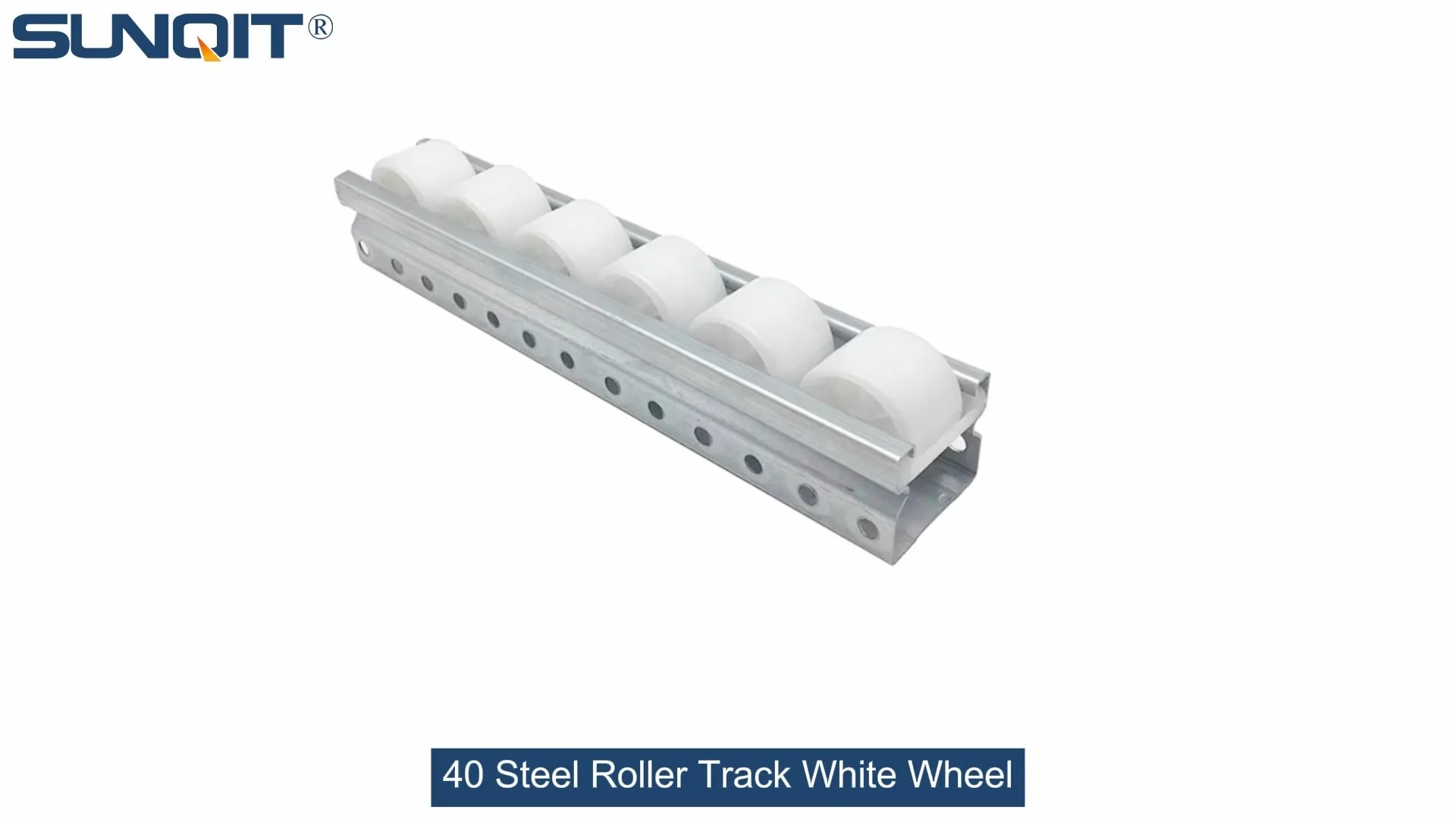
40 Steel Roller Track White Wheel
The roller track can be installed with multiple accessories to create different slopes and configurations of flow racks.All steel conveyor 40 roller track accessories are engineered to perfectly fit the sliding rail.
40 Steel Roller Track White Wheel vs. Rubber Wheels: Noise Reduction Comparison
Introduction
In the busy world of manufacturing and warehousing, every detail matters—from the efficiency of your workflow to the comfort of your team. One often-overlooked detail that can make a huge difference is the noise level of your roller tracks. If you've ever worked in a space with loud, clattering conveyor systems or flow racks, you know how distracting (and even harmful) constant noise can be. Today, we're diving deep into two popular options for 40 steel roller tracks: white wheels and rubber wheels. We'll compare their noise reduction capabilities, along with other key factors like durability, load capacity, and ideal use cases. Whether you're setting up a new lean system or upgrading an existing one, this guide will help you make an informed choice.
What Are 40 Steel Roller Tracks?
First, let's get on the same page about what 40 steel roller tracks are. These tracks are a staple in modern lean manufacturing setups, used in everything from conveyor systems to flow racks. The "40" refers to the standard width of the track (usually 40mm), which is a common size for handling a wide range of items—from small electronic components to heavy industrial parts. Roller tracks are designed to let materials glide smoothly from one point to another, reducing manual labor and improving efficiency. They're a key part of any lean system, helping businesses cut waste and streamline operations.
But not all roller tracks are created equal. The type of wheel you choose can drastically change how your track performs—especially when it comes to noise. Let's break down the key factors that affect roller track noise before we compare the two wheel types.
Key Factors That Impact Roller Track Noise
Noise from roller tracks doesn't just happen randomly. It's influenced by several factors:
Wheel Material:
Harder materials like nylon (used in white wheels) tend to produce more noise than softer materials like rubber, as they don't absorb vibrations as well.
Wheel Design:
The shape of the wheel, its surface texture, and how it contacts the track all play a role. Smooth wheels may roll quieter than textured ones, but grip can be an issue.
Load Weight:
Heavier loads put more pressure on the wheels, increasing friction and noise. A track carrying 50kg items will be louder than one carrying 10kg items.
Installation Quality:
Misaligned tracks or loose wheels can cause unnecessary rattling and noise. Proper installation is critical for quiet operation.
Maintenance:
Worn-out wheels, dirty tracks, or lack of lubrication can all make your roller tracks louder over time.
Deep Dive Into White Wheel 40 Steel Roller Tracks
White wheel 40 steel roller tracks are a popular choice for many businesses, thanks to their durability and versatility. Let's take a closer look at what makes them stand out.
Material & Construction
White wheels are typically made from high-quality nylon or polypropylene. These materials are known for their strength, resistance to chemicals (like oils and solvents), and ability to handle heavy loads. The white color isn't just for aesthetics—it makes it easy to spot dirt or debris, which helps with maintenance.
Noise Performance
White wheels are generally louder than rubber wheels. On average, they produce noise levels between 65 and 75 decibels (dB). To put that in perspective, a normal conversation is around 60 dB, so white wheels can be noticeable in a quiet workspace. The noise comes from the hard surface of the wheel hitting the steel track—there's less cushioning to absorb vibrations.
Pros of White Wheel Tracks
Durability:
Nylon wheels have a long lifespan—often 5 to 7 years with proper maintenance. They don't wear down as quickly as rubber wheels, even under heavy use.
Load Capacity:
White wheels can handle heavier loads (up to 150 kg per meter of track) than rubber wheels. This makes them ideal for moving large or heavy items like automotive parts or industrial machinery components.
Chemical Resistance:
Nylon is resistant to oils, greases, and most solvents. This is a big plus for industries like automotive or mechanical manufacturing where these substances are common.
Easy to Clean:
The smooth white surface is simple to wipe down, which helps keep your tracks clean and functioning well.
Cons of White Wheel Tracks
Louder Noise:
As mentioned earlier, white wheels are noisier. This can be a problem in small workspaces or areas where noise reduction is a priority.
Less Shock Absorption:
The hard material doesn't absorb shocks as well as rubber, so it's not the best choice for fragile items like glass or electronic components.
Ideal Use Cases
White wheel tracks are perfect for:
Flow racks in large warehouses where noise isn't the top concern, but durability and load capacity are.
Conveyor systems for heavy industrial parts (like engine components or metal frames).
Areas with exposure to chemicals or oils, such as automotive repair shops or manufacturing lines.
Deep Dive Into Rubber Wheel 40 Steel Roller Tracks
Rubber wheel 40 steel roller tracks are the go-to option for businesses that prioritize noise reduction and worker comfort. Let's explore their features.
Material & Construction
Rubber wheels are made from natural or synthetic rubber (like EPDM or silicone). These materials are soft and flexible, which helps absorb vibrations and reduce noise. Rubber wheels often have a textured surface to improve grip, which prevents items from slipping off the track.
Noise Performance
Rubber wheels are significantly quieter than white wheels. They typically produce noise levels between 50 and 60 dB—about the same as a quiet office environment. The soft rubber material dampens vibrations, so there's less clattering when items roll along the track.
Pros of Rubber Wheel Tracks
Excellent Noise Reduction:
This is the biggest advantage of rubber wheels. They make your workspace quieter, which improves worker focus and reduces fatigue.
Shock Absorption:
Rubber wheels absorb shocks, which is great for fragile items like medical devices or 3C electronics (phones, laptops). This reduces the risk of damage during transport.
Good Grip:
The textured surface of rubber wheels provides better grip, so items stay on the track even when moving around corners.
Cons of Rubber Wheel Tracks
Shorter Lifespan:
Rubber wheels wear out faster than white wheels—usually 2 to 4 years. They're more prone to tearing or cracking, especially if exposed to chemicals or high temperatures.
Lower Load Capacity:
Rubber wheels can handle lighter loads (up to 100 kg per meter) compared to white wheels. They're not ideal for heavy industrial parts.
Chemical Sensitivity:
Rubber is less resistant to oils and solvents than nylon. If your workspace uses these substances, rubber wheels may degrade quickly.
Ideal Use Cases
Rubber wheel tracks are ideal for:
Medical device manufacturing lines, where noise reduction and shock absorption are critical.
3C assembly lines (phones, tablets, laptops) where fragile components need to be handled gently.
Small workspaces or areas where workers are close to the roller tracks—like packaging stations or quality control areas.
Head-to-Head Comparison Table
| Feature | White Wheel 40 Steel Roller Track | Rubber Wheel 40 Steel Roller Track |
|---|---|---|
| Noise Level (dB) | 65-75 dB | 50-60 dB |
| Typical Load Capacity (kg/m) | Up to 150 kg | Up to 100 kg |
| Material Durability | High (5-7 years) | Medium (2-4 years) |
| Chemical Resistance | Excellent (resists oils/solvents) | Low (sensitive to chemicals) |
| Maintenance Needs | Low (easy to clean) | Medium (needs regular checks for wear) |
| Best For Industries/Applications | Automotive, heavy manufacturing, warehouses (flow racks) | Medical, 3C assembly, small workspaces |
| Cost (Relative) | Higher upfront cost, lower long-term cost | Lower upfront cost, higher long-term cost |
Real-World Case Studies
Let's look at some real-world examples to see how these two wheel types perform in actual workspaces.
Case Study 1: Automotive Parts Warehouse
A large automotive parts warehouse needed to upgrade their flow racks to handle heavier engine components. They chose white wheel 40 steel roller tracks. The tracks handled loads of up to 120 kg per meter, and the white wheels were easy to clean. The noise level was 70 dB, which was acceptable in the large warehouse space. After 5 years, the wheels were still in good condition—proving their durability.
Case Study 2: 3C Assembly Line
A 3C manufacturer was struggling with high noise levels on their assembly line. Their old white wheel tracks produced 72 dB, which distracted workers and led to more errors. They switched to rubber wheel tracks, and the noise level dropped to 58 dB. Workers reported better focus, and the number of damaged components decreased by 15%. The rubber wheels also provided better grip, so items didn't slip off the track during assembly.
Case Study 3: Medical Device Manufacturing
A medical device company needed to transport fragile surgical instruments from the assembly line to the packaging area. They chose rubber wheel 40 steel roller tracks. The rubber wheels absorbed shocks, so no instruments were damaged. The noise level was 55 dB, which complied with the company's strict noise guidelines for clean rooms. Even after 3 years, the wheels were still in good shape—thanks to the clean, chemical-free environment.
How to Choose the Right Wheel Type for Your Lean System
Choosing between white and rubber wheels depends on your specific needs. Here are some questions to ask yourself:
1. What's Your Noise Priority?
If noise reduction is top of mind (like in medical or 3C industries), rubber wheels are the way to go. If noise isn't a big issue (like in large warehouses), white wheels are a better choice.
2. What Loads Will You Be Handling?
If you're moving heavy items (over 100 kg), white wheels are more suitable. For lighter loads, rubber wheels work well.
3. What's Your Workspace Environment?
If your workspace uses oils or solvents, white wheels are more resistant. If it's a clean, chemical-free space, rubber wheels are fine.
4. What's Your Budget?
White wheels have a higher upfront cost but last longer. Rubber wheels are cheaper upfront but need to be replaced more often. Consider the long-term cost when making your decision.
5. What Are Your Lean System Goals?
If your goal is to reduce waste (like replacing wheels less often), white wheels are better. If your goal is to improve worker comfort and productivity, rubber wheels align more with that.
Conclusion
When it comes to 40 steel roller tracks, both white wheels and rubber wheels have their strengths and weaknesses. White wheels are durable, load-friendly, and resistant to chemicals—but they're louder. Rubber wheels are quiet, shock-absorbent, and gentle on fragile items—but they have a shorter lifespan and lower load capacity. The key is to choose the wheel type that best fits your specific needs, whether that's noise reduction, load handling, or durability.
No matter which option you pick, investing in high-quality roller tracks is a smart move for your lean system. It will help you streamline your workflow, reduce waste, and create a more efficient (and comfortable) workspace for your team.