- Company Articles
- Products and Technology
- Product knowledge
- 40 Steel Roller Track Yellow: Choosing Between Standard & Heavy-Duty Models

40 Steel Roller Track Yellow: Choosing Between Standard & Heavy-Duty Models
Related Product
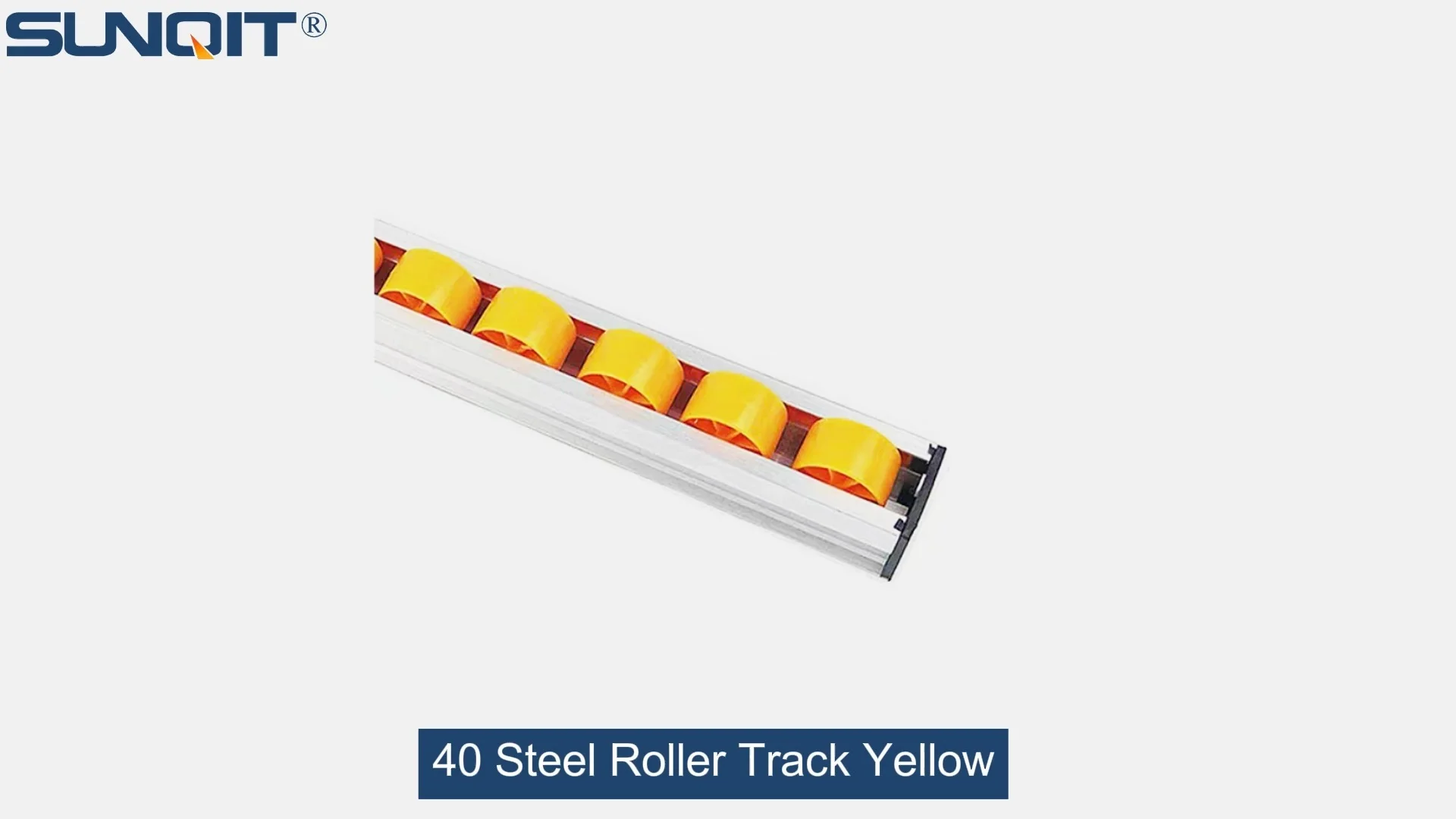
40 Steel Roller Track Yellow
The roller track can be installed with multiple accessories to create different slopes and configurations of flow racks.All steel conveyor 40 roller track accessories are engineered to perfectly fit the sliding rail.
Roller tracks are the unsung heroes of modern manufacturing and logistics, quietly keeping operations moving smoothly day in and day out. Among the various options available, the 40 Steel Roller Track Yellow stands out as a versatile and reliable choice for businesses looking to optimize their workflows. Whether you're setting up a new flow rack in your warehouse or upgrading a conveyor line on the production floor, choosing between the standard and heavy-duty models of this track can make a significant difference in efficiency and cost-effectiveness. In this article, we'll dive deep into what makes these two models unique, how to decide which one fits your needs, and why this track is a staple in lean systems across industries.
What is 40 Steel Roller Track Yellow?
Before we compare the two models, let's take a closer look at what exactly the 40 Steel Roller Track Yellow is. As the name suggests, this track has a width of 40 millimeters, making it suitable for a wide range of applications. Constructed from high-quality cold-rolled steel, it undergoes a series of treatments to enhance its strength and resistance to corrosion. The yellow color isn't just for aesthetics—it's a deliberate choice to improve visibility in busy work environments. This helps workers quickly identify the track paths, reducing the risk of misplacing items or causing jams in the material flow.
This track is a key component in many lean solutions, including flow racks and conveyors. It's designed to facilitate the smooth movement of materials, parts, and products, which is essential for maintaining a continuous flow in lean manufacturing. The rollers are spaced evenly to ensure that items move consistently without getting stuck. Whether you're dealing with small components in a 3C assembly line or larger items in a warehouse, the 40 Steel Roller Track Yellow can be integrated into your setup to improve efficiency and reduce waste.
Key Differences Between Standard & Heavy-Duty Models
Now, let's get to the heart of the matter: the differences between the standard and heavy-duty models of the 40 Steel Roller Track Yellow. Understanding these distinctions will help you make an informed decision for your specific needs. Below is a detailed comparison table followed by an in-depth analysis of each feature:
| Feature | Standard Model | Heavy-Duty Model |
|---|---|---|
| Load Capacity | Up to 50 kg per meter | Up to 150 kg per meter |
| Steel Thickness | 1.2 mm | 2.0 mm |
| Roller Diameter | 10 mm | 15 mm |
| Roller Material | Standard steel | Hardened steel |
| Track Design | Basic frame | Reinforced edges |
| Application Scenarios | Light parts (3C assembly, small electronics) | Heavy components (automotive parts, large machinery) |
| Durability | Good for regular use | Excellent for high-frequency, heavy use |
| Cost | More budget-friendly | Higher initial investment |
Load Capacity: The most obvious difference is the load each model can handle. The standard model is ideal for lighter items, such as small electronic components in a 3C assembly line. If your operations involve moving heavier parts like automotive engine components or large warehouse bins, the heavy-duty model's higher load capacity will be necessary to prevent damage and ensure safety.
Steel Thickness: The heavy-duty model uses thicker steel (2.0 mm vs 1.2 mm), which contributes to its increased load capacity and durability. Thicker steel means the track can resist bending and warping under pressure, making it a better choice for long-term use in high-stress environments.
Roller Diameter & Material: Larger rollers (15 mm vs 10 mm) in the heavy-duty model allow for smoother movement of heavier items. They distribute weight more evenly, reducing friction and making it easier to push or pull loads along the track. Additionally, the heavy-duty model's rollers are made of hardened steel, which increases their resistance to wear from constant contact with heavy loads.
Track Design: The heavy-duty track often features reinforced edges to prevent bending under pressure. This design feature adds to its overall strength and durability, making it suitable for high-stress applications where the track is subjected to constant heavy loads.
Application Scenarios: Standard models are commonly found in industries where light to medium loads are the norm, like consumer electronics and 3C assembly. Heavy-duty models are preferred in automotive manufacturing, heavy machinery production, and where larger, heavier items are handled daily.
Durability: While both models are made of steel, the heavy-duty version's thicker material, larger rollers, and reinforced design make it more resistant to wear and tear. This means fewer replacements over time, which can save money in the long run despite the higher initial cost.
Cost: As expected, the heavy-duty model comes with a higher price tag due to its superior materials and construction. However, if your operations require the extra strength and durability, the investment is well worth it to avoid frequent repairs or replacements of the standard model.

Factors to Consider When Choosing
When choosing between the standard and heavy-duty 40 Steel Roller Track Yellow, there are several key factors to keep in mind:
1. Load Requirements: Start by assessing the average weight of the items you'll be moving. If your loads consistently exceed 50 kg per meter, the heavy-duty model is non-negotiable. For lighter loads, the standard model will suffice.
2. Frequency of Use: How often will the track be used? If it's part of a high-traffic conveyor line that runs 24/7, the heavy-duty model's durability will be essential. For less frequent use, the standard model may be more cost-effective.
3. Industry Application: Different industries have different needs. For example, 3C assembly lines dealing with small components can get by with standard tracks, while automotive manufacturing plants handling heavy parts will need heavy-duty tracks.
4. Budget: While it's tempting to go for the cheaper option, consider the long-term costs. A heavy-duty track may cost more upfront but could save you money in repairs and replacements over time.
5. Future Scalability: Think about your future needs. If you plan to expand your operations or handle heavier loads down the line, investing in the heavy-duty model now can prevent the need for upgrades later.
6. Environmental Conditions: If the track will be used in damp or outdoor environments, the heavy-duty model's corrosion resistance may be more important. Standard models may require additional coating to withstand these conditions.

Applications Across Industries
The 40 Steel Roller Track Yellow is versatile and finds applications across various industries. Let's explore how the two models are used in different scenarios:
Standard Model Applications:
- 3C Assembly Lines: In consumer electronics manufacturing, the standard model is perfect for moving small components like circuit boards and phone parts. Its light load capacity and smooth movement make it ideal for this fast-paced environment.
- Medical Device Manufacturing: For small, precision components like syringes and surgical tools, the standard track ensures delicate items are handled carefully, reducing the risk of damage.
- Small Warehouses: For storing and moving small to medium-sized bins, the standard track integrated into flow racks helps keep inventory organized and accessible.
- Light Conveyors: Used in conveyors that transport lightweight products, such as packaging materials or small finished goods.
Heavy-Duty Model Applications:
- Automotive Manufacturing: Moving engine parts, car frames, and other heavy components requires the strength of the heavy-duty track. It's often used in assembly lines and material handling systems in automotive plants.
- Warehouse Logistics: For large, heavy pallets or bins, heavy-duty tracks in flow racks and conveyors ensure that materials can be moved efficiently without risking damage to the track or the items.
- Heavy Machinery Production: In factories producing industrial machinery, the heavy-duty track is essential for handling large, heavy parts during the assembly process.
- Lean Pipe Workbenches: Heavy-duty tracks can be integrated into workbenches to create sliding surfaces for heavy tools or materials, making them easily accessible to workers. This integration is part of a lean solution that aims to reduce waste and improve productivity.

Installation & Maintenance Tips
Proper installation and maintenance are crucial to getting the most out of your 40 Steel Roller Track Yellow. Here are some tips to ensure optimal performance:
Installation Tips:
- Alignment: Make sure the track is properly aligned to avoid uneven movement of items. Misaligned tracks can cause jams and damage to both the track and the materials being moved.
- Secure Mounting: Use the correct roller track connectors and placon mounts to secure the track firmly. This prevents it from shifting under load, especially important for heavy-duty tracks.
- Compatibility: When integrating into a lean pipe workbench or flow rack, ensure that all components are compatible and properly fitted. This ensures a seamless workflow and reduces the risk of breakdowns.
Maintenance Tips:
- Regular Cleaning: Keep the track free of debris and dust to prevent jams and reduce friction. A clean track ensures smooth movement of items.
- Lubrication: Periodically lubricate the rollers to maintain their smooth operation. This also extends the life of the track.
- Inspection: Check the track regularly for signs of wear, such as bent steel or damaged rollers. replace any worn parts promptly to avoid further damage.
- Tighten Components: Over time, vibrations from constant use can loosen bolts or connectors. Tightening them periodically prevents misalignment.
- Rust Prevention: For heavy-duty tracks used in damp environments, apply a rust-resistant coating to extend their lifespan. This is common in automotive manufacturing where moisture exposure is high.
Conclusion
The 40 Steel Roller Track Yellow is a versatile and essential component in lean systems, flow racks, and conveyors. Choosing between the standard and heavy-duty models depends on your specific needs, including load requirements, frequency of use, industry application, and budget.
The standard model is a cost-effective choice for light to medium loads in industries like 3C assembly and small warehousing. The heavy-duty model, while more expensive, offers superior strength and durability for heavy loads in automotive manufacturing and large-scale logistics. By carefully assessing your needs and considering the factors outlined in this article, you can make an informed decision that will optimize your operations and contribute to a more efficient, lean manufacturing process.
Remember, the right track can make a significant difference in your workflow, so take the time to choose wisely. Whether you opt for the standard or heavy-duty model, the 40 Steel Roller Track Yellow is sure to enhance your material handling efficiency and support your lean manufacturing goals.