- Company Articles
- Products and Technology
- Solution
- 40 Steel Roller Track Yellow: Integrating with Lean Pipe Systems for Flexibility

40 Steel Roller Track Yellow: Integrating with Lean Pipe Systems for Flexibility
Related Product
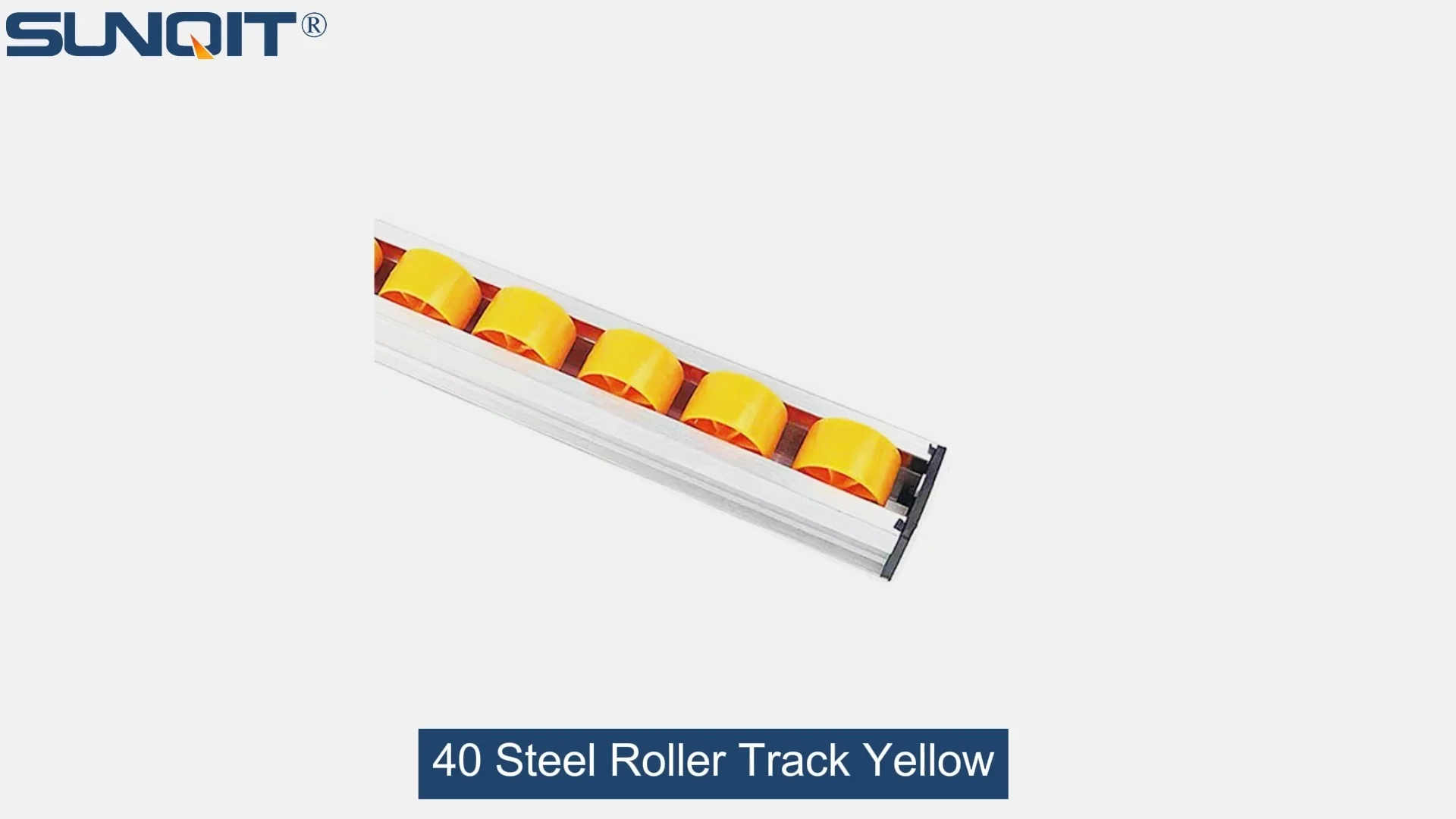
40 Steel Roller Track Yellow
The roller track can be installed with multiple accessories to create different slopes and configurations of flow racks.All steel conveyor 40 roller track accessories are engineered to perfectly fit the sliding rail.
For anyone who's ever managed a manufacturing or warehouse operation, the struggle to keep things moving smoothly is all too familiar. Parts get stuck in transit, workstations feel rigid and unadaptable, and every time you need to adjust your line for a new product, it feels like a massive, costly overhaul. But what if there was a way to build a system that grows and changes with your business? That's exactly where the 40 Steel Roller Track Yellow and lean pipe systems come in—two tools that, when combined, turn inflexible workflows into dynamic, efficient operations that can keep up with the fast pace of modern manufacturing.
In this article, we're going to dive deep into how these two components work together, why they're a game-changer for industries like 3C assembly, medical device production, and warehousing, and how you can leverage them to create a leaner, more responsive operation. Whether you're a small business looking to optimize your first assembly line or a large enterprise aiming to reduce waste, this combination has something to offer.
What Is 40 Steel Roller Track Yellow?
Let's start with the basics: the 40 Steel Roller Track Yellow. This isn't just any piece of conveyor equipment—it's a robust, high-visibility solution designed to handle the demands of busy factory floors. Made from durable steel, it's built to carry heavy loads without bending or breaking, and its bright yellow color makes it easy to spot, reducing the risk of accidents or misplacement.
The key feature here is its rollers: they glide smoothly, allowing parts and materials to move from one point to another with minimal effort. Whether you're moving small electronic components or larger mechanical parts, this track can handle it. And because it's designed to integrate seamlessly with lean pipe systems, it's not just a standalone tool—it's part of a larger, flexible ecosystem.
Why yellow? For many factories, visibility is critical. Bright colors help workers quickly identify the flow of materials, which speeds up processes and reduces errors. If you're working in a fast-paced environment like 3C assembly, where every second counts, that small detail can make a big difference.
Another thing to note: this roller track is built for reusability. Unlike fixed conveyor systems that are hard to modify, the 40 Steel Roller Track Yellow can be taken apart, moved, and reassembled in a new configuration whenever your needs change. That's a core part of the lean philosophy—using resources wisely and avoiding waste.
Lean Pipe Systems: The Backbone of Flexibility
Now, let's talk about the other half of the equation: lean pipe systems. If the 40 Steel Roller Track Yellow is the "moving" part of the solution, lean pipe systems are the backbone that holds everything together. These systems are made up of basic aluminum pipes, joints, workbenches, and accessories—all designed to be easily connected and reconfigured.
At their core, lean pipe systems are about adaptability. For example, a lean pipe workbench can be adjusted in height, extended, or even moved to a new location in minutes, without needing special tools. The joints (like the internal rotary aluminum joint) allow you to create angles and connections that fit your exact workflow, and because all parts are standardized, you can mix and match components to build almost anything you need.
The lean philosophy here is simple: eliminate waste, improve efficiency, and keep improving over time. Instead of buying a fixed workstation that becomes obsolete when your product line changes, you can reuse the same lean pipe parts to build something new. That's not just good for your bottom line—it's good for the planet too, since it reduces the amount of equipment you throw away.
Key Components of a Lean Pipe System
Some of the key components of a lean pipe system include:
-
Basic aluminum pipes
: Lightweight but strong, these form the structure of your workstations and racks.
- Internal rotary aluminum joints : Allow you to rotate and adjust connections without disassembly.
- Lean pipe workbenches : Like Workbench E from our product line, these are sturdy, adjustable, and perfect for assembly tasks.
- Material racks : Such as Material Rack B, which helps you organize parts and keep them within easy reach.
- Internal rotary aluminum joints : Allow you to rotate and adjust connections without disassembly.
- Lean pipe workbenches : Like Workbench E from our product line, these are sturdy, adjustable, and perfect for assembly tasks.
- Material racks : Such as Material Rack B, which helps you organize parts and keep them within easy reach.
All of these components are designed to work together, so you can build a system that's tailored to your specific needs.
Integration: How 40 Steel Roller Track Yellow Works With Lean Pipe Systems
The magic happens when you combine the 40 Steel Roller Track Yellow with a lean pipe system. Let's take a common scenario: a 3C assembly line. You have a series of lean pipe workbenches where workers assemble smartphones. To get parts from the material rack to each workstation, you need a way to move them quickly and efficiently.
By attaching the 40 Steel Roller Track Yellow to the lean pipe workbenches and material racks, you create a smooth, continuous flow of parts. Parts slide down the track directly to the worker's station, eliminating the need for someone to carry them back and forth. And if you need to adjust the line—say, to add a new workstation or change the order of assembly—you can simply loosen the joints, move the track to the new position, and tighten them again. It's that easy.
Another example: a flow rack. Flow racks are essential for warehouses and manufacturing facilities that need to manage inventory efficiently. By building a flow rack using lean pipe and the 40 Steel Roller Track Yellow, you can create a system where parts are stored in bins that slide down the track as they're used. This follows the "first-in, first-out" (FIFO) principle, ensuring that older parts are used before newer ones, reducing waste and ensuring product quality.
For medical device manufacturers, this integration is even more valuable. Medical facilities need to maintain strict hygiene standards and often require sterile material handling. The 40 Steel Roller Track Yellow is easy to clean, and when combined with lean pipe workbenches that are designed for sterile environments, it creates a system that's both efficient and compliant with industry regulations.
This integration is part of a larger lean solution. It's not just about adding a roller track to your workbench—it's about building a system that's flexible, efficient, and sustainable. Every component is reusable, so when your business grows or changes, you don't have to start from scratch. You can rearrange the parts you already have to meet your new needs.
Real-World Applications
Case 1: 3C Assembly Line
A leading consumer electronics company was struggling with slow assembly times and high waste. Their old system required workers to walk to a central material rack to pick up parts, which took valuable time away from assembly. By implementing a lean pipe system with 40 Steel Roller Track Yellow, they were able to connect their material racks directly to each workstation. Parts now slide down the track to the worker, reducing material handling time by 30% and increasing overall assembly efficiency by 25%.
Case 2: Medical Device Production
A medical device manufacturer needed a system that could handle sterile materials and be easily cleaned. They chose to use lean pipe workbenches (ESD-compliant to prevent static damage) combined with the 40 Steel Roller Track Yellow. The roller track was easy to sanitize, and the lean pipe system allowed them to reconfigure their line whenever they introduced a new product. This not only improved their efficiency but also helped them meet strict FDA regulations for sterile manufacturing.
Case3: Warehousing and Logistics
A large warehouse was dealing with cluttered aisles and slow order picking. They used lean pipe systems to build flow racks with the 40 Steel Roller Track Yellow. Bins of products slide down the track as they're picked, so workers always have access to the next item without having to reach or bend. This reduced picking time by 20% and made the warehouse floor much more organized.
Benefits of the Integration
When you combine the 40 Steel Roller Track Yellow with a lean pipe system, you get a host of benefits that can transform your operation:
1.
Unmatched Flexibility
: The biggest advantage is flexibility. You can easily reconfigure your line, add new workstations, or change the flow of materials without needing to buy new equipment. This is especially important for industries like 3C assembly, where product lines change frequently.
2. Increased Efficiency : By reducing the time workers spend handling materials, you can boost productivity. The roller track allows parts to move directly to where they're needed, so workers can focus on their core tasks instead of moving around the factory.
3. Sustainability : Lean pipe systems and roller tracks are designed to be reusable. This means you don't have to throw away old equipment when you adjust your line—you can repurpose the parts. This reduces waste and helps you meet your sustainability goals.
4. Cost-Effectiveness : While the initial investment might seem like a lot, the long-term savings are significant. Reusable parts mean you spend less on new equipment over time, and increased efficiency leads to higher profits.
5. Improved Safety : The bright yellow color of the roller track makes it highly visible, reducing the risk of accidents. Additionally, the lean pipe system is designed to be stable and secure, so you don't have to worry about workstations or racks collapsing.
6. Customization : Every business has unique needs, and this combination allows you to build a system that's tailored to yours. Whether you need a small assembly line or a large warehouse setup, you can mix and match components to get exactly what you want.
2. Increased Efficiency : By reducing the time workers spend handling materials, you can boost productivity. The roller track allows parts to move directly to where they're needed, so workers can focus on their core tasks instead of moving around the factory.
3. Sustainability : Lean pipe systems and roller tracks are designed to be reusable. This means you don't have to throw away old equipment when you adjust your line—you can repurpose the parts. This reduces waste and helps you meet your sustainability goals.
4. Cost-Effectiveness : While the initial investment might seem like a lot, the long-term savings are significant. Reusable parts mean you spend less on new equipment over time, and increased efficiency leads to higher profits.
5. Improved Safety : The bright yellow color of the roller track makes it highly visible, reducing the risk of accidents. Additionally, the lean pipe system is designed to be stable and secure, so you don't have to worry about workstations or racks collapsing.
6. Customization : Every business has unique needs, and this combination allows you to build a system that's tailored to yours. Whether you need a small assembly line or a large warehouse setup, you can mix and match components to get exactly what you want.
Comparison of Roller Track Options
| Product Name | Material | Color | Load Capacity | Ideal Use Case |
|---|---|---|---|---|
| 40 Steel Roller Track Yellow Wheel | Steel | Yellow | Up to 150 kg/m | 3C assembly lines, general manufacturing, warehousing |
| 38 Aluminum Roller Track Yellow | Aluminum | Yellow | Up to 100 kg/m | Lightweight parts handling, medical device production |
| 60 Steel Roller Track Green | Steel | Green | Up to 200 kg/m | Heavy-duty manufacturing, automotive parts handling |
| 40 Steel Roller Track Black ESD | Steel | Black | Up to 150 kg/m | ESD-sensitive environments like electronics assembly |
How to Choose the Right Combination
Choosing the right combination of 40 Steel Roller Track Yellow and lean pipe system depends on a few key factors:
1.
Assess Your Workflow
: Start by looking at your current workflow. Where are the bottlenecks? What parts of your process feel rigid? For example, if you spend a lot of time moving parts between workstations, the roller track is a good solution.
2. Consider Load Capacity : How heavy are the parts you're moving? The 40 Steel Roller Track Yellow can handle up to 150 kg/m, but if you need to move heavier items, you might want to go with the 60 Steel Roller Track Green.
3. Think About Future Changes : Will your product line change in the next few years? If yes, you need a system that's easy to reconfigure. Lean pipe systems are perfect for this, as they allow you to adjust your setup without buying new equipment.
4. Check Industry Requirements : For industries like medical device production, you might need ESD-compliant components to prevent static damage. Our 40 Steel Roller Track Black ESD is designed for this purpose.
5. Consult a Professional : If you're unsure about what you need, don't hesitate to reach out to our team. We offer custom solutions for a wide range of industries, and we can help you design a system that's perfect for your business.
2. Consider Load Capacity : How heavy are the parts you're moving? The 40 Steel Roller Track Yellow can handle up to 150 kg/m, but if you need to move heavier items, you might want to go with the 60 Steel Roller Track Green.
3. Think About Future Changes : Will your product line change in the next few years? If yes, you need a system that's easy to reconfigure. Lean pipe systems are perfect for this, as they allow you to adjust your setup without buying new equipment.
4. Check Industry Requirements : For industries like medical device production, you might need ESD-compliant components to prevent static damage. Our 40 Steel Roller Track Black ESD is designed for this purpose.
5. Consult a Professional : If you're unsure about what you need, don't hesitate to reach out to our team. We offer custom solutions for a wide range of industries, and we can help you design a system that's perfect for your business.
Conclusion
In a world where manufacturing is becoming faster and more dynamic, the ability to adapt quickly is no longer a luxury—it's a necessity. The combination of the 40 Steel Roller Track Yellow and lean pipe systems gives you that adaptability, allowing you to build a workflow that's efficient, sustainable, and tailored to your needs.
Whether you're in 3C assembly, medical device production, or warehousing, this combination has something to offer. It reduces waste, increases productivity, and helps you stay ahead of the competition. And because all components are reusable, it's a long-term investment that will pay off for years to come.
So if you're ready to take your operation to the next level, consider integrating the 40 Steel Roller Track Yellow with a lean pipe system. It's not just a tool—it's a way to build a better, more efficient business.