- Company Articles
- Products and Technology
- Product knowledge
- 40 Steel Roller Track Yellow vs. Aluminum Tracks: Which Suits Your Facility Better?

40 Steel Roller Track Yellow vs. Aluminum Tracks: Which Suits Your Facility Better?
Related Product
40 Steel Roller Track Yellow
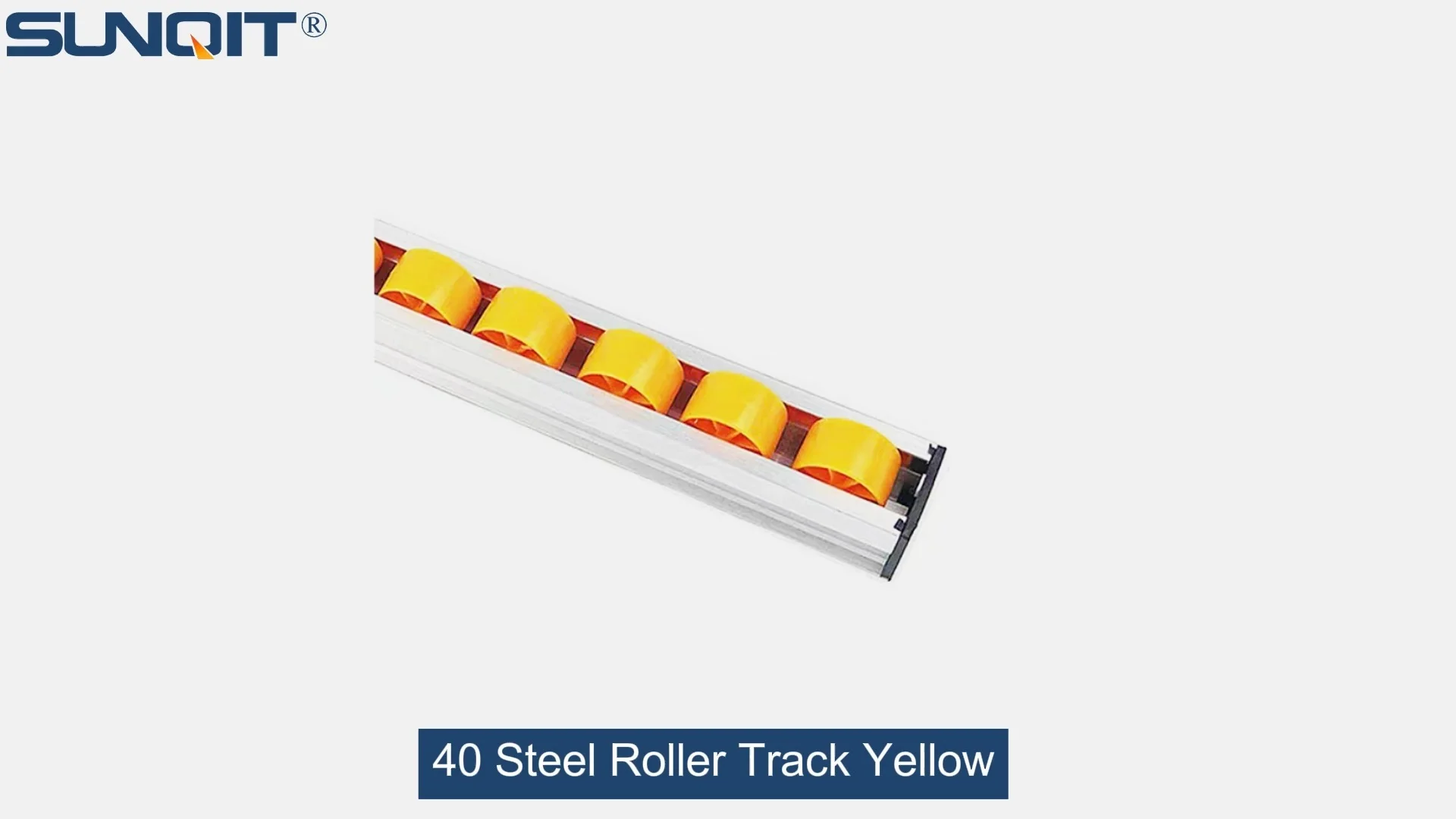
The roller track can be installed with multiple accessories to create different slopes and configurations of flow racks.All steel conveyor 40 roller track accessories are engineered to perfectly fit the sliding rail.
If you've ever walked through a busy warehouse or production line, you know how much small details matter. The roller tracks that move parts from one station to another might seem like a minor component, but choosing the right type can make or break your team's efficiency, reduce downtime, and even cut long-term costs. Today, we're diving deep into two popular options: the 40 Steel Roller Track Yellow and aluminum tracks. We'll compare their strengths, weaknesses, best use cases, and help you figure out which one fits your facility like a glove.
What Are These Tracks, Anyway?
Let's start with the basics. The 40 Steel Roller Track Yellow is a heavy-duty option designed for moving bulky, weighty items. As the name suggests, it's made of steel with yellow-colored rollers—this color isn't just for looks; it's often a visual cue for high-load areas in facilities. On the other hand, aluminum tracks are lightweight, corrosion-resistant, and come in various finishes, including ESD (Electrostatic Discharge) compatible options like black ESD aluminum tracks, which are critical for sensitive industries like 3C assembly and medical device manufacturing.
Both tracks are integral parts of modern lean systems, helping teams streamline material flow and reduce waste. But their differences mean they shine in very different scenarios.
Head-to-Head Comparison: Steel vs. Aluminum Tracks
| Factor | 40 Steel Roller Track Yellow | Aluminum Tracks |
|---|---|---|
| Load Capacity | High (up to 500kg/m or more) | Medium (up to 300kg/m, depending on type) |
| Weight | Heavy (bulky to move/install) | Lightweight (easy to handle and reconfigure) |
| Corrosion Resistance | Low (prone to rust if not coated; needs regular maintenance) | High (natural resistance; ideal for moist or clean environments) |
| ESD Compatibility | Rare (mostly non-ESD; some coated options exist) | Yes (black ESD finishes available for sensitive electronics) |
| Cost | Lower upfront cost | Higher upfront cost, but lower long-term maintenance |
| Customization Flexibility | Limited (harder to cut or modify) | High (easy to cut, drill, and integrate with other lean components) |
| Best For | Heavy machinery, auto parts, high-traffic warehouse areas | 3C assembly, medical devices, clean rooms, ESD-sensitive environments |
This table gives you a quick snapshot, but let's dig deeper into each track type to understand their nuances.

Why Choose 40 Steel Roller Track Yellow?
The 40 Steel Roller Track Yellow is the workhorse of roller tracks. It's built to handle the toughest jobs, and here's why it's a go-to for many facilities:
- Unbeatable Load Capacity: If your facility moves heavy items like engine parts, metal frames, or large containers, this track won't let you down. Its steel construction can support far more weight than aluminum, making it perfect for high-load conveyor systems and flow racks in auto manufacturing or heavy machinery plants.
- Rugged Durability: Steel tracks are resistant to dents and scratches from rough handling. In busy warehouses where carts or pallets are pushed around constantly, the 40 Steel Roller Track Yellow holds up well over time.
- Affordable Upfront Cost: For teams on a tight budget who need immediate heavy-load solutions, steel tracks are often cheaper than aluminum. This makes them a popular choice for startups or facilities with short-term projects.
But it's not all sunshine and rainbows. Here are some drawbacks:
- Heavy Weight: Steel tracks are hard to move or reconfigure. If your facility uses lean principles that require frequent layout changes, this can slow down your team.
- Corrosion Risk: Without proper coating or maintenance, steel tracks can rust—especially in moist environments like food processing plants or outdoor storage areas. This can lead to jams or even track failure over time.
- Limited ESD Options: Most steel tracks aren't ESD-compatible, so they're not suitable for industries like 3C assembly where static electricity can damage sensitive components.
Best Use Case for 40 Steel Roller Track Yellow
Auto parts warehouses: These facilities move heavy engine blocks and transmission parts daily. The 40 Steel Roller Track Yellow's high load capacity and ruggedness ensure smooth flow even with constant wear and tear. It pairs seamlessly with heavy-duty flow racks, keeping parts accessible and reducing manual lifting for workers.

Why Choose Aluminum Tracks?
Aluminum tracks are the flexible, modern alternative to steel. They're designed for efficiency and adaptability, which aligns perfectly with lean solution principles of reusability and continuous improvement. Let's look at their strengths:
- Lightweight & Easy to Reconfigure: Aluminum tracks are much lighter than steel, so your team can quickly adjust layouts without heavy equipment. This is a game-changer for facilities that need to switch between production lines—like 3C assembly plants that make different phone models.
- Corrosion Resistant: Aluminum naturally resists rust and corrosion, making it perfect for clean environments like medical device manufacturing or pharmaceutical warehouses. It also works well in moist areas where steel would rust.
- ESD Compatibility: Many aluminum tracks come with ESD finishes (like black ESD aluminum tracks). This is critical for industries where static can damage components—think 3C assembly lines with circuit boards or medical device plants with sensitive sensors.
- Long-Term Cost Savings: While aluminum tracks cost more upfront, their low maintenance needs (no rust prevention) and reusability mean you'll save money over time. They're a smart investment for facilities looking to scale or adopt lean practices.
- Seamless Integration: Aluminum tracks work well with aluminum lean pipes and lean pipe workbenches. This allows you to build a cohesive lean system where material flows smoothly from storage to assembly stations.
What about the downsides?
- Lower Load Capacity: Aluminum tracks can't handle as much weight as steel. If you need to move very heavy items, aluminum might not be the right choice.
- Prone to Dents: Aluminum is softer than steel, so it can get dented if hit by heavy objects. This is a concern in high-traffic areas where accidents are common.
Best Use Case for Aluminum Tracks
3C assembly lines: These facilities handle sensitive circuit boards and small components that require ESD protection. Aluminum tracks with black ESD finishes prevent static damage, while their lightweight design allows quick line reconfigurations for new product launches. They integrate with lean pipe workbenches to create a seamless workflow, reducing waste and improving productivity.

How to Pick the Right Track for Your Facility
Choosing between steel and aluminum tracks isn't a one-size-fits-all decision. Here's a step-by-step guide to help you decide:
- Assess Your Load Needs: First, figure out the average weight of the items you'll be moving. If they're over 300kg/m, go for steel. If they're lighter or require ESD protection, aluminum is better.
- Consider Your Environment: Is your facility moist? Do you need ESD protection? Are you in a clean room? Aluminum is the way to go for these scenarios. For dry, heavy-load areas, steel works.
- Think About Layout Flexibility: Do you need to change your line layout often? Aluminum's lightweight design makes it easy to reconfigure, which aligns with lean principles. Steel is better for fixed layouts.
- Calculate Long-Term Costs: Don't just look at upfront costs. Aluminum tracks have lower maintenance and higher reusability, so they might save you money in the long run. Steel is cheaper now but could cost more later due to rust and replacement.
- Check Integration with Existing Systems: Do you already have lean pipe workbenches or conveyor systems? Aluminum tracks integrate seamlessly with aluminum lean pipes, while steel pairs well with heavy-duty conveyors.
Real-World Examples: Steel vs. Aluminum in Action
Let's take a look at how these tracks are used in actual facilities:
Auto Manufacturing Plant
A large auto plant uses 40 Steel Roller Track Yellow in its warehouse flow racks and conveyor systems. The racks hold heavy engine parts, and the steel tracks handle the weight with ease. Since the layout is fixed (auto lines don't change often), the heavy weight of steel isn't a problem. The plant also uses steel tracks in its assembly line conveyors to move assembled parts from one station to another.
3C Assembly Facility
A 3C assembly plant that makes wireless earbuds uses aluminum tracks with ESD finishes. The tracks are integrated with lean pipe workbenches, allowing workers to move circuit boards and small components without static damage. The lightweight design lets the plant quickly reconfigure the line when launching a new earbud model—something that would be impossible with steel tracks.
Medical Device Warehouse
A medical device warehouse uses aluminum tracks in its storage racks. The warehouse needs to keep products in a clean, corrosion-free environment, so aluminum's natural resistance to rust is perfect. The tracks also support medium-weight items like surgical instruments and diagnostic tools, making them a great fit. They pair with ESD workstations to ensure sensitive devices remain intact during storage and transport.
Bonus: Integrating Tracks with Your Lean System
Choosing the right track is just one part of building an efficient facility. To get the most out of your investment, integrate your tracks with other lean components:
- Flow Racks: Pair steel tracks with heavy-duty flow racks for auto parts, and aluminum tracks with ESD flow racks for 3C components. This helps streamline material flow and reduce waste.
- Conveyor Systems: Steel tracks work well with heavy-duty roller conveyors, while aluminum tracks are ideal for lightweight belt conveyors in clean environments.
- Lean Pipe Workbenches: Aluminum tracks can be attached to lean pipe workbenches to create a seamless workflow between storage and assembly. This is especially useful in 3C assembly lines where workers need quick access to parts.
- Custom Lean Solutions: If you're not sure how to integrate tracks into your system, consider a custom lean solution. Many suppliers offer tailored designs for specific industries, ensuring your tracks work perfectly with your existing setup.
Final Verdict: Which Track Should You Choose?
At the end of the day, the choice between 40 Steel Roller Track Yellow and aluminum tracks depends on your facility's unique needs. Here's a quick recap:
Go for 40 Steel Roller Track Yellow if: You need to move heavy items, have a fixed layout, and are on a tight budget.
Choose aluminum tracks if: You need ESD protection, work in a clean/moist environment, require layout flexibility, or want long-term cost savings.
Remember, the best decisions are based on data and your specific use case. Take time to assess your load needs, environment, and future plans before making a choice. And if you're still unsure, reach out to a lean solution provider who can help you design the perfect setup for your facility.
Whether you pick steel or aluminum, the right track will help your team work faster, smarter, and more efficiently—so choose wisely!