- Company Articles
- Products and Technology
- Product knowledge
- 40 Steel Roller Track Yellow vs. Black Tracks: Visibility & Safety Comparison

40 Steel Roller Track Yellow vs. Black Tracks: Visibility & Safety Comparison
Related Product
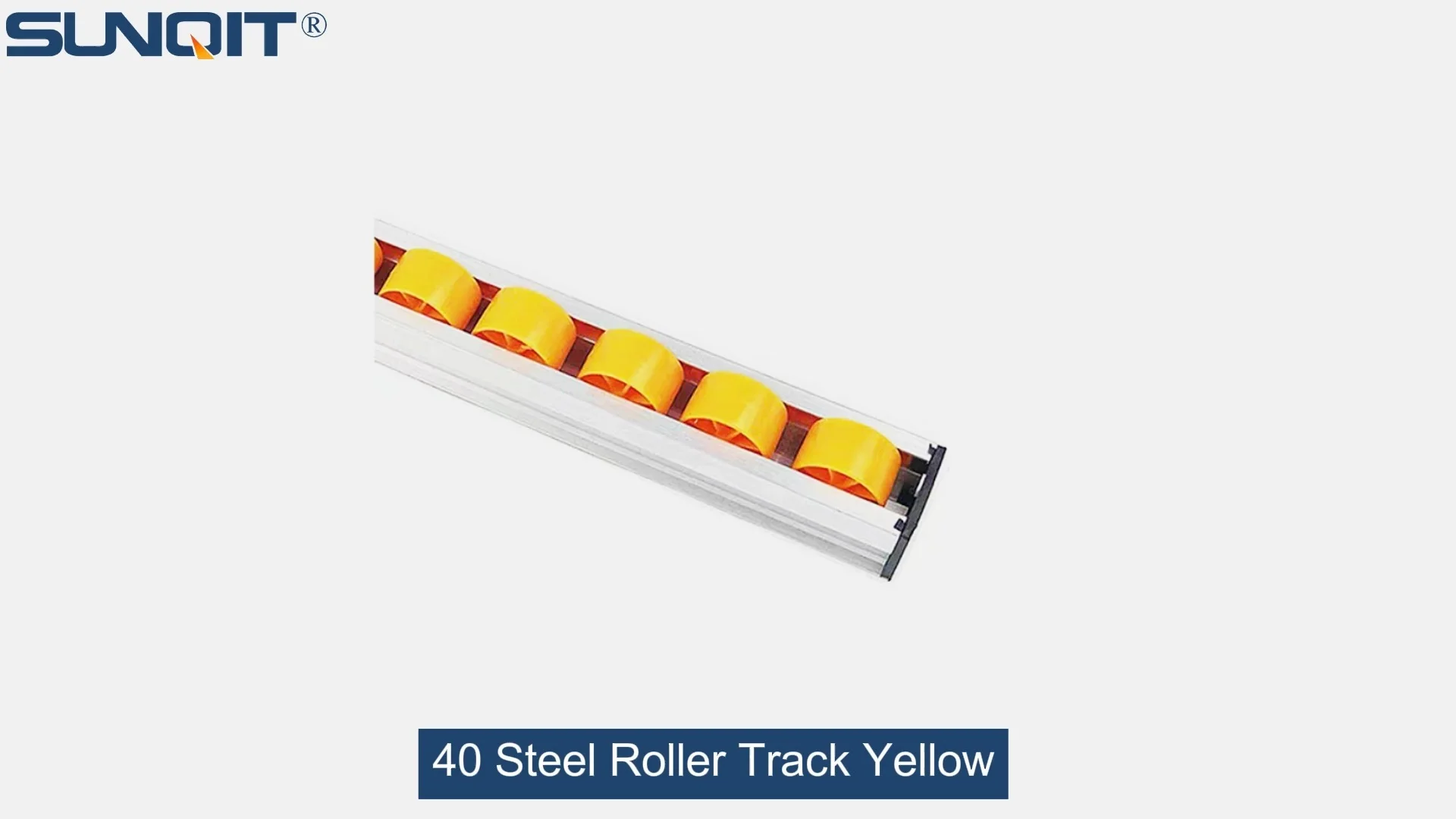
40 Steel Roller Track Yellow
The roller track can be installed with multiple accessories to create different slopes and configurations of flow racks.All steel conveyor 40 roller track accessories are engineered to perfectly fit the sliding rail.
Introduction to Roller Tracks in Lean Manufacturing
Roller tracks are the unsung heroes of modern lean manufacturing systems, powering flow racks, conveyors, and lean pipe workbenches across industries from 3C assembly to medical device production. These simple yet essential components enable smooth material flow, reduce manual handling, and enhance overall operational efficiency. Choosing the right color for your 40 steel roller tracks—whether yellow or black—can make a world of difference in visibility and safety, directly impacting your team's efficiency and well-being. In this article, we'll dive deep into the nuances of these two color variants, exploring their strengths, weaknesses, and ideal applications to help you make an informed decision for your lean solution.
What Are 40 Steel Roller Tracks?
40 steel roller tracks are robust, durable components designed to facilitate the movement of materials and products along production lines and storage systems. The "40" refers to their standard width specification, making them compatible with a wide range of flow racks, conveyors, and workstations. These tracks feature steel rollers mounted on a sturdy frame, ensuring they can handle heavy loads while maintaining smooth operation.
Two popular variants of 40 steel roller tracks are those with yellow wheels and black wheels. The yellow wheel variant (40 steel roller track yellow wheel) is known for its high visibility, while the black wheel variant (40 steel roller track black wheel) offers a sleek, understated look. Both are made from high-quality steel, ensuring long-lasting performance even in demanding industrial environments.

Visibility Comparison: Yellow vs. Black Tracks
Visibility is a critical factor when selecting roller tracks, as it directly affects how easily workers can monitor material flow and identify potential bottlenecks or hazards. Let's compare the visibility of yellow and black tracks:
Yellow Tracks: The High-Visibility Choice
Yellow is universally recognized as a high-visibility color, often used in safety signage and equipment to draw attention. In the context of roller tracks, yellow wheels stand out sharply against most industrial backgrounds—whether it's the gray of a concrete floor, the silver of aluminum profiles, or the neutral tones of warehouse shelves. This high contrast makes it easy for workers to track moving items, even from a distance or in low-light conditions.
In fast-paced production lines, such as those in 3C assembly plants, yellow tracks help workers quickly spot misaligned products or jams, reducing downtime and improving overall efficiency. Additionally, yellow's bright hue can boost morale by creating a more energetic and engaging work environment.
Black Tracks: The Sleek, Low-Visibility Option
Black tracks, on the other hand, offer a more subdued look. While they may not stand out as much as yellow tracks, this can be an advantage in certain settings. For example, in clean rooms or ESD workstations where a minimalist, professional appearance is preferred, black tracks blend seamlessly with the surrounding equipment and surfaces. They also tend to show less dust and minor scratches compared to yellow tracks, making them easier to maintain in environments where aesthetics matter.
However, black tracks can be less visible in low-light areas or against dark backgrounds, which may increase the risk of accidents if workers don't notice moving parts. This makes them a better choice for well-lit environments where visibility isn't a primary concern.

Safety Comparison: Yellow vs. Black Tracks
Safety is paramount in any industrial setting, and the color of your roller tracks can play a significant role in preventing accidents. Let's explore how yellow and black tracks stack up in terms of safety:
Yellow Tracks: Enhancing Safety Through Visibility
Yellow's high visibility directly contributes to safety by making moving parts more noticeable. This is especially important in areas with high foot traffic, where workers and equipment are constantly moving. Yellow tracks act as a visual cue, workers to be cautious around moving materials and machinery.
In warehouses and distribution centers, yellow tracks on flow racks help forklift operators and pedestrians avoid collisions by clearly marking the path of moving items. They also make it easier to identify potential hazards, such as stuck products or damaged rollers, allowing for quick intervention before an accident occurs.
Black Tracks: Safety Considerations
Black tracks, while sleek, can pose safety risks in low-light environments. Their dark color makes them harder to see, increasing the chance of workers accidentally touching moving parts or tripping over misplaced items. However, black tracks have their own safety advantages in certain contexts. For example, in clean rooms where hygiene is critical, black surfaces make dirt, dust, and debris more visible, allowing for prompt cleaning and reducing the risk of contamination.
Additionally, black tracks are often used in ESD workstations because they don't reflect light as much as yellow tracks, which can be beneficial in environments where glare from overhead lighting might affect precision work. However, it's important to ensure that black tracks are used in well-lit areas to mitigate visibility-related risks.

Key Differences at a Glance
| Feature | Yellow 40 Steel Roller Tracks | Black 40 Steel Roller Tracks |
|---|---|---|
| Visibility | High (stands out against most backgrounds) | Low (blends with dark or neutral surfaces) |
| Safety in Low-Light | Excellent (easy to spot) | Poor (hard to see without proper lighting) |
| Best For | High-traffic areas, fast production lines, low-light environments | Clean rooms, ESD workstations, well-lit areas with minimal foot traffic |
| Maintenance | Shows dust/scratches more easily | Hides minor imperfections; dirt is visible for quick cleaning |
| Psychological Impact | Energetic, attention-grabbing | Sleek, professional, minimalist |
Applications and Industry Use Cases
The choice between yellow and black tracks depends largely on the specific needs of your industry and work environment. Let's look at some common use cases:
Yellow Tracks: Ideal Applications
- 3C assembly lines: Where speed and precision are key, yellow tracks help workers quickly identify moving components.
- High-traffic warehouses: Yellow tracks on flow racks and conveyors reduce collision risks.
- Low-light environments: Such as night shifts or facilities with limited natural light, where visibility is critical.
- Automotive manufacturing: Where heavy parts are moved along lines, yellow tracks ensure workers can see potential hazards.
Black Tracks: Ideal Applications
- ESD workstations: For static-sensitive electronics production, black tracks blend with ESD-compliant surfaces.
- Clean rooms: In medical device or pharmaceutical manufacturing, black tracks make contamination easy to spot.
- Aesthetic-focused environments: Such as showrooms or R&D labs where a sleek, professional look is desired.
- Well-lit storage areas: Where visibility isn't a major concern, black tracks offer a durable, low-maintenance solution.
Choosing the Right Track for Your Lean Solution
When selecting between yellow and black 40 steel roller tracks, consider the following factors:
- Environment: Is your facility well-lit? Do you have low-light areas or high foot traffic?
- Industry: Are you in 3C assembly, medical device production, or another sector with specific requirements?
- Safety Needs: Do you need high visibility to prevent accidents, or is contamination control a priority?
- Aesthetics: Does your facility require a specific look, such as the minimalist design of ESD workstations?
Ultimately, the best choice will balance visibility, safety, and practicality for your unique operational needs. Yellow tracks are a safe bet for most industrial settings, while black tracks excel in specialized environments where their unique properties are an asset.
Conclusion
40 steel roller tracks are essential components of modern lean manufacturing systems, and choosing the right color—yellow or black—can significantly impact your team's efficiency and safety. Yellow tracks offer unmatched visibility, making them ideal for high-traffic, low-light environments where safety is a top priority. Black tracks, on the other hand, provide a sleek, professional look and excel in clean rooms and ESD workstations where contamination control or aesthetics are key.
By understanding the strengths and weaknesses of each color variant, you can make an informed decision that aligns with your operational goals and industry requirements. Whether you opt for yellow or black tracks, investing in high-quality roller tracks from a reputable supplier will ensure long-lasting performance and contribute to a more efficient, safe work environment.