- Company Articles
- Products and Technology
- Installation And Maintenance
- 40 Steel Roller Track Yellow Wheel Lubrication: Best Practices for Smooth Operation

40 Steel Roller Track Yellow Wheel Lubrication: Best Practices for Smooth Operation
Related Product
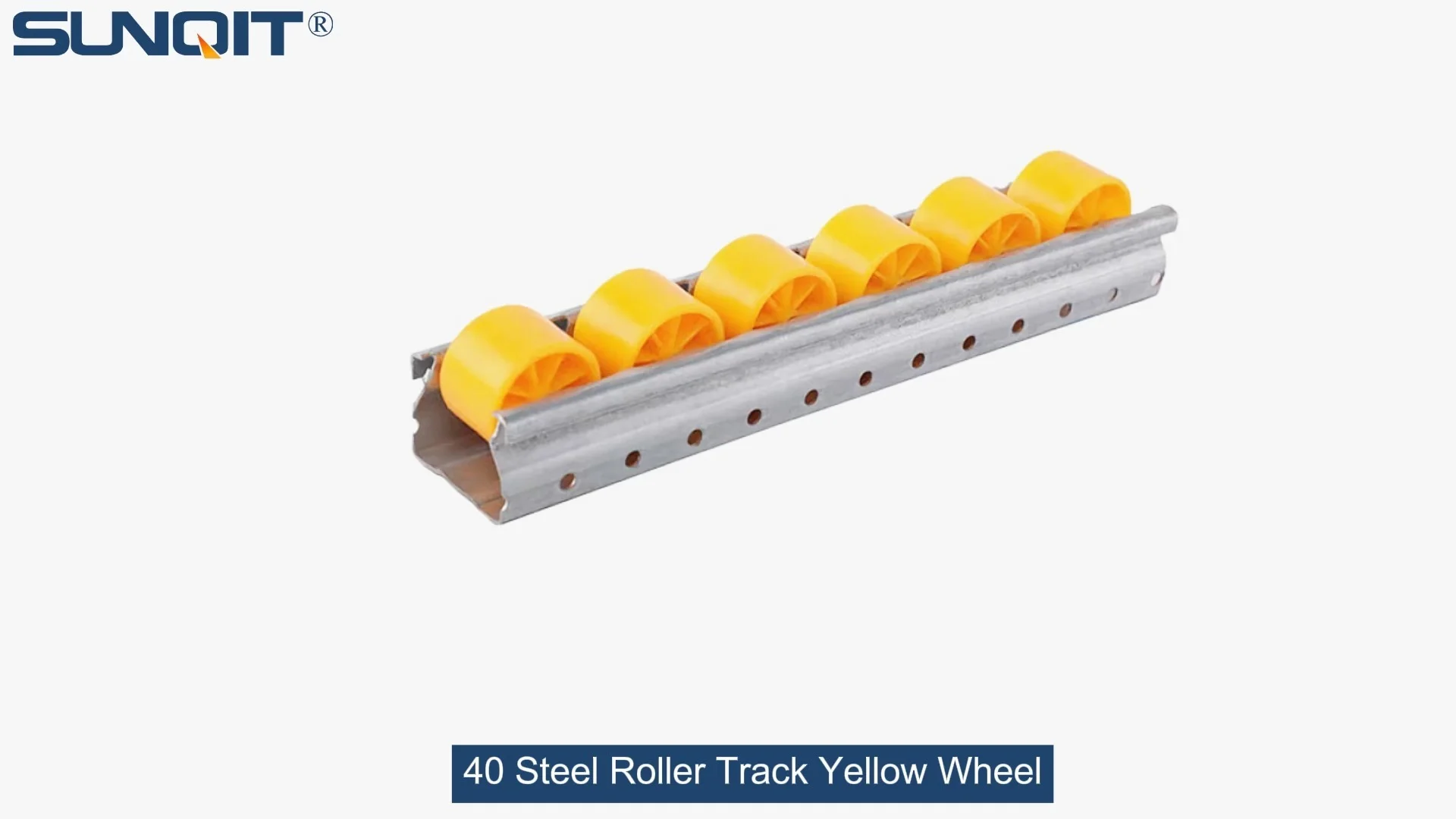
40 Steel Roller Track Yellow Wheel
The roller track can be installed with multiple accessories to create different slopes and configurations of flow racks.All steel conveyor 40 roller track accessories are engineered to perfectly fit the sliding rail.
Keeping Your Production Line Rolling—Because Every Wheel Deserves the Right Care
The Unsung Heroes of Your Production Floor
Walk into any manufacturing plant, and you'll see them: lines of roller tracks snaking through the (workshop), carrying components from one station to the next. Among them, the 40 steel roller track with yellow wheels stands out—not just for its bright color, but for its workhorse reliability. These wheels don't ask for attention; they just do their job, day in and day out, supporting everything from small electronic parts in 3C assembly lines to heavier components in automotive workshops.
But here's the thing: even the toughest wheels have a breaking point. When lubrication is overlooked, that smooth glide turns into a squeaky struggle. Parts slow down, friction increases, and before you know it, you're staring at a production bottleneck. And in the world of manufacturing, downtime isn't just inconvenient—it's costly. That's why getting lubrication right isn't just maintenance; it's a cornerstone of lean solution thinking—keeping waste to a minimum and efficiency at its peak.
Why Lubrication Matters More Than You Think
Let's start with the basics: why bother with lubricating these yellow wheels? It's not just about reducing noise (though a quieter is a nicer place to work). Proper lubrication is the key to three critical goals:
- Longer Wheel Life: Steel wheels might seem indestructible, but the metal-on-metal contact without lubrication leads to wear and tear. A well-lubricated wheel can last 2-3 times longer than one that's neglected.
- Consistent Speed: Friction slows wheels down, creating uneven material flow. This inconsistency can throw off your entire production schedule—especially in time-sensitive industries like 3C assembly or medical device manufacturing.
- Safety First: A seized wheel doesn't just stop moving; it can cause (materials) to jam or even tip over. Proper lubrication reduces the risk of accidents, keeping your team safe.
Think of it like oil for your car engine: skip the oil change, and you'll be facing expensive repairs. The same logic applies here—except your roller track is the engine of your production line.

When to Lubricate: Reading the Signs
So, how do you know when it's time to grab the lubricant? Waiting for a squeak is a mistake—by then, damage might already be done. Instead, watch for these early warning signs:
- Visual Clues: Dust or debris buildup around the wheel axles, or visible rust on the steel components.
- Touch Test: After the line is shut down, gently spin the wheel. If it feels rough or stops quickly, friction is building up.
- Sound Changes: A slight "grinding" noise, even if it's not loud, can indicate dryness.
Of course, regular scheduling matters too. The table below breaks down how often to lubricate based on your working environment—because a dusty warehouse needs more frequent care than a clean medical device workshop.
| Environment Type | Typical Load | Recommended Lubrication Frequency | Special Notes |
|---|---|---|---|
| Clean, dry (e.g., 3C assembly) | Light to medium (parts < 10kg) | Every 4-6 weeks | Check axles for dust buildup monthly |
| Moderate dust/moisture (e.g., automotive parts) | Medium to heavy (10-30kg) | Every 2-3 weeks | Use water-resistant lubricant in humid areas |
| High dust/dirt (e.g., warehouse logistics) | Heavy (30kg+) | Weekly | Clean wheels thoroughly before lubricating |

The Step-by-Step Guide to Perfect Lubrication
Lubricating a roller wheel isn't rocket science, but doing it right takes attention to detail. Follow these steps to ensure your 40 steel roller track yellow wheels stay in top shape:
1. Prep the Area
First, shut down the section of the conveyor you're working on—safety first! Then, clear away any loose (materials) from the track. A clean workspace means you won't accidentally get debris into the wheel bearings during lubrication.
2. Clean the Wheels and Axles
Use a lint-free cloth to wipe down the wheels and axles. For stubborn grime, dampen the cloth with a mild degreaser (avoid harsh chemicals that can damage the wheel's yellow coating). Pay extra attention to the axle hole—this is where dirt loves to hide and cause friction.
3. Choose the Right Lubricant
Not all lubricants are created equal. For 40 steel roller track yellow wheels, we recommend:
- Light Machine Oil: Best for light loads and clean environments (e.g., 3C assembly lines).
- Grease (NLGI 2): Ideal for heavy loads or dusty areas—its thick consistency stays in place longer.
- Silicone-Based Lubricant: Great for high-moisture environments (prevents rust) but avoid it if you're working with plastics, as it can degrade some materials.
Pro tip: Avoid WD-40! It's a cleaner, not a lubricant—it will dry out quickly and leave you back at square one.
4. Apply the Lubricant Correctly
Less is more here—over-lubricating attracts dust and creates a messy buildup. For oil, use a small dropper to apply 2-3 drops directly to the axle where the wheel meets the track. For grease, a toothpick-sized amount worked into the axle hole is enough. Then, spin the wheel by hand to distribute the lubricant evenly.
5. Wipe Away Excess
After spinning, use a clean cloth to wipe off any extra lubricant from the wheel surface. This prevents dust from sticking and keeps your (materials) clean as they slide over the wheels.
6. Document and Repeat
Keep a log of when each section was lubricated—this helps you spot patterns (e.g., a certain track needing more frequent care) and ensures no area is missed. Consistency is key to a lean, efficient operation.

Common Mistakes to Avoid
Even with the best intentions, it's easy to slip up. Here are the most frequent errors we see—and how to fix them:
| Mistake | Why It's a Problem | Fix It Like This |
|---|---|---|
| Using the wrong lubricant type | Grease in a high-speed line can slow wheels down; oil in dusty areas washes away quickly. | Refer to the lubricant guide above, and test a small area first if unsure. |
| Over-lubricating | Excess lube attracts dust, creating a "gritty paste" that increases friction. | Stick to the "2-3 drops" rule for oil; a pea-sized amount for grease. |
| Ignoring the axles | Most friction happens at the axle, not the wheel surface. | Focus lubrication on the axle hole where the wheel rotates. |
| Skipping cleaning first | Dust and debris mixed with lubricant act like sandpaper on the wheel. | Always clean before lubricating—even if the wheels look "mostly clean." |
From Lubrication to Lean: A Real-World Example
Let's take a look at how proper lubrication transformed a production line for one of our clients—a 3C assembly plant in Shenzhen. Before implementing these practices, their 40 steel roller tracks were causing headaches:
- Monthly breakdowns due to seized wheels, costing 8-10 hours of downtime.
- Uneven material flow leading to bottlenecks at the workbench stations.
- High replacement costs for worn-out wheels (over ¥5,000/year).
We worked with their team to train maintenance staff on the lubrication steps above, set up a weekly check schedule, and switched to a high-quality lithium grease for their moderate-dust environment. The results? Within three months:
- Downtime dropped to zero—no more unexpected stops.
- Material flow became consistent, reducing workbench wait times by 15%.
- Wheel replacement costs fell by 70%—paying for the lubricant and training in under a year.
This isn't just about lubrication—it's about embracing lean solution principles: eliminating waste (downtime, excess costs), continuous improvement (refining the lubrication schedule), and respecting your equipment (because well-cared-for tools care for your bottom line).
Beyond the Wheels: Integrating Lubrication into Your Lean Culture
Lubricating roller wheels might seem like a small task, but it's part of a bigger picture: building a culture of care in your facility. When everyone—from operators to managers—takes ownership of equipment maintenance, you create a smoother, more efficient operation.
Here's how to make it stick:
- Train Your Team: Operators who use the roller track daily are the first to notice issues. Teach them the basics of lubrication and how to report problems.
- Make It Easy: Keep lubricants, cloths, and droppers near the tracks—no one wants to hunt for supplies.
- Celebrate Small Wins: Recognize teams that maintain their tracks consistently—maybe a shoutout in the weekly meeting or a small reward. Positive reinforcement goes a long way.
Remember, lean manufacturing isn't just about big changes—it's about the thousands of small, daily actions that add up to success. Lubricating your 40 steel roller track yellow wheels is one of those actions.
Final Thoughts: Your Wheels, Your Line, Your Success
At the end of the day, every component in your production line matters—especially the ones that work quietly in the background. The 40 steel roller track yellow wheel might not be the star of the show, but it's the unsung hero that keeps your products moving, your team productive, and your customers happy.
So, grab that lubricant, set your schedule, and treat your wheels like the valuable assets they are. Your production line will thank you—and so will your bottom line.
Because in manufacturing, smooth wheels mean smooth operations. And smooth operations? That's the heart of lean.