- Company Articles
- Products and Technology
- Product knowledge
- 40 Steel Roller Track Yellow Wheels vs. Stainless Steel: When to Choose Each

40 Steel Roller Track Yellow Wheels vs. Stainless Steel: When to Choose Each
Related Product
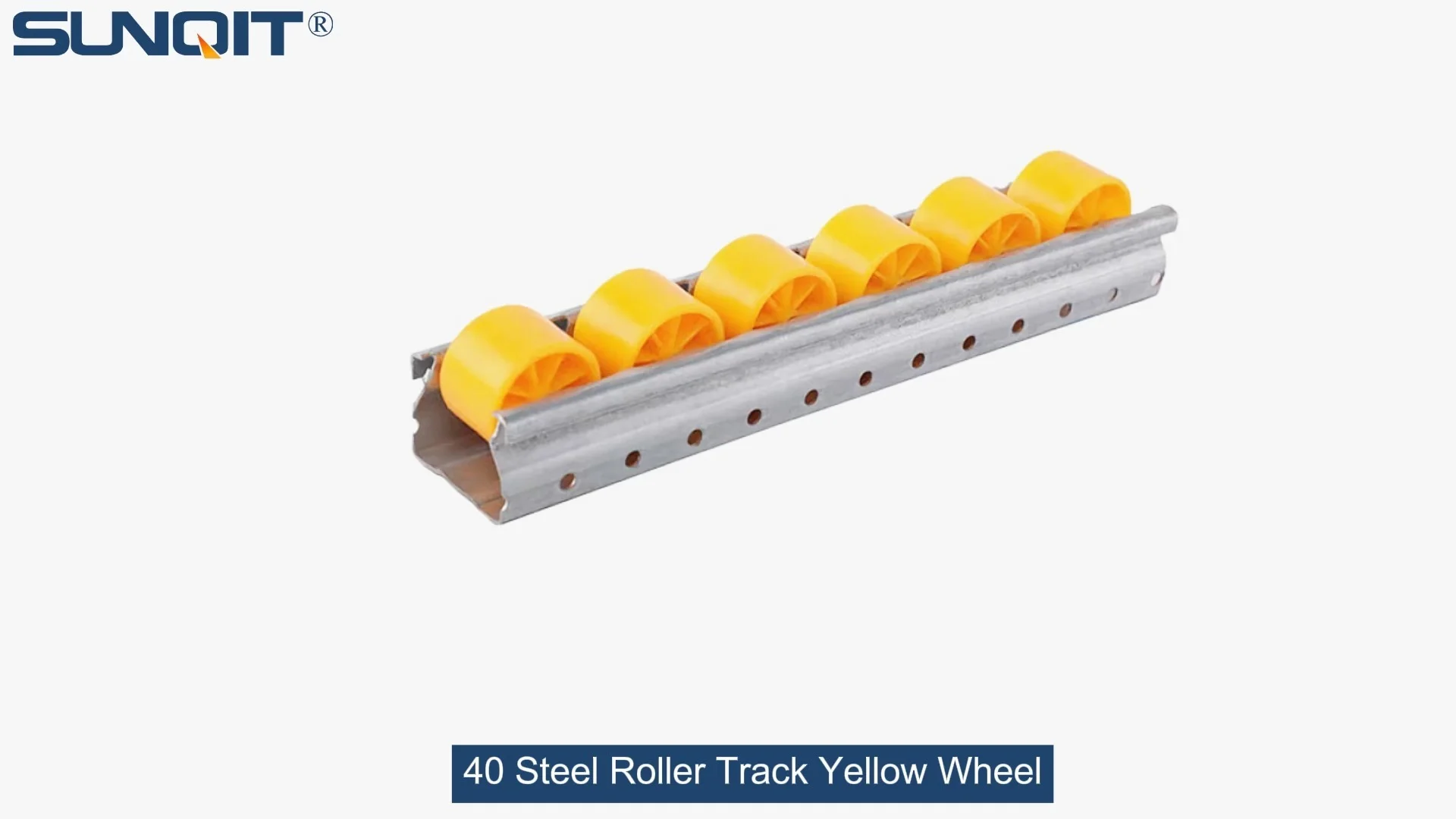
40 Steel Roller Track Yellow Wheel
The roller track can be installed with multiple accessories to create different slopes and configurations of flow racks.All steel conveyor 40 roller track accessories are engineered to perfectly fit the sliding rail.
In the fast-paced world of manufacturing, every component in your production line matters. From the workbench where employees assemble products to the conveyor belts that move materials, each part plays a role in determining efficiency, cost-effectiveness, and long-term success. Among these critical components, roller tracks stand out as unsung heroes—quietly ensuring smooth material flow, reducing manual labor, and keeping production cycles on track. Today, we're diving deep into two popular options: the 40 Steel Roller Track with Yellow Wheels and its stainless steel counterpart. By the end, you'll know exactly which one fits your facility's unique needs, whether you're assembling smartphones in a 3C factory or packaging medical devices in a sterile environment.
Understanding the Backbone of Lean Material Flow: Roller Tracks in Modern Manufacturing
Before we compare the two types, let's take a step back and appreciate why roller tracks are so vital. In lean manufacturing—where the goal is to eliminate waste and maximize value—material handling is a make-or-break area. A poorly designed track system leads to bottlenecks: parts get stuck, workers waste time pushing heavy carts, and production schedules slip. On the flip side, a well-chosen roller track becomes the circulatory system of your facility, moving components from station to station with minimal effort, reducing fatigue, and cutting down on errors.
At SunQit, we've spent years refining our roller track solutions, including the 40 Steel Roller Track with Yellow Wheels and stainless steel variants, to align with the "reusable, continuously improvable" lean philosophy. These tracks aren't just metal and wheels; they're tools that adapt to your evolving needs, whether you're scaling up production or reconfiguring your layout for a new product line. Let's break down what makes each option unique.
Meet the Contenders: 40 Steel Roller Track (Yellow Wheels) vs. Stainless Steel Roller Track
The Workhorse: 40 Steel Roller Track with Yellow Wheels
Our 40 Steel Roller Track with Yellow Wheels is a staple in factories worldwide, and for good reason. Built with high-carbon steel rails and durable yellow polyurethane wheels, it's designed to handle the daily grind of high-volume production. The steel frame provides robust support, while the yellow wheels offer two key advantages: first, they're highly visible, making it easy for workers to align materials during loading; second, their non-marring surface protects delicate components from scratches—critical for industries like consumer electronics where product aesthetics matter.
What really sets this track apart is its balance of strength and flexibility. It integrates seamlessly with lean pipe systems, allowing you to build custom workstations, flow racks, and material handling setups without extensive engineering. Whether you're mounting it on aluminum profiles or connecting it to a conveyor, the modular design means you can adjust layouts as production needs change—no need to replace entire systems when you launch a new product.
The Specialist: Stainless Steel Roller Track
Stainless steel roller tracks, on the other hand, are the go-to for environments where hygiene, corrosion resistance, or extreme durability is non-negotiable. Made from 304 or 316 stainless steel (depending on the grade), these tracks thrive in settings like medical device manufacturing, food processing, or outdoor warehouses where exposure to moisture, chemicals, or salt air is common. Unlike coated steel, stainless steel doesn't chip or peel, maintaining its integrity even after years of heavy use.
The wheels on stainless steel tracks are often made from the same material or hard plastic, ensuring compatibility with strict cleanliness standards. In pharmaceutical facilities, for example, where even a tiny metal flake could contaminate a batch, stainless steel tracks eliminate that risk. They're also a favorite in automotive plants for heavy-duty applications, such as moving engine blocks or transmission components, thanks to their higher weight capacity and resistance to oil and grease buildup.

Side-by-Side: Key Differences That Impact Your Operation
To truly understand which track is right for you, let's compare them across critical factors that matter most in manufacturing settings. From cost to performance, here's how they stack up:
| Factor | 40 Steel Roller Track (Yellow Wheels) | Stainless Steel Roller Track |
|---|---|---|
| Material & Durability | High-carbon steel rail with yellow polyurethane wheels; durable for standard industrial use (5-7 year lifespan in moderate environments). | 304/316 stainless steel rail and wheels; resistant to rust, corrosion, and chemical damage (10+ year lifespan in harsh environments). |
| Load Capacity | Up to 200kg per linear meter (ideal for medium-weight components like circuit boards, small appliances). | Up to 350kg per linear meter (suited for heavy parts like automotive engines, metal castings). |
| Environmental Resistance | Moderate; performs well in dry, indoor settings (avoid exposure to standing water or chemicals). | Excellent; withstands moisture, salt, cleaning agents, and extreme temperatures (-20°C to 120°C). |
| Cost | More budget-friendly (30-40% lower upfront cost than stainless steel). | Higher initial investment (but lower long-term maintenance costs in harsh environments). |
| Installation & Flexibility | Lightweight and easy to cut/modify on-site; compatible with lean pipe accessories like aluminum joints and casters. | Heavier and requires specialized tools for cutting; limited compatibility with non-stainless steel components. |
| Industry Best For | 3C electronics, home appliances, general assembly lines, warehousing. | Medical devices, pharmaceuticals, automotive heavy parts, food processing, outdoor storage. |
Let's dig deeper into a few of these factors, as they often become deal-breakers for manufacturers:
Durability: When Longevity Justifies the Cost
In a typical electronics factory, where the environment is controlled (dry, temperature-stable, and free from heavy chemicals), the 40 Steel Roller Track with Yellow Wheels will last for years with minimal maintenance. A quick wipe-down with a cloth to remove dust and occasional lubrication of the wheels is usually enough. But in a coastal warehouse where salt airs metal, or a medical lab where daily cleaning with bleach-based solutions is required, that same steel track would start showing rust within months, leading to costly replacements.
Stainless steel, however, laughs off these challenges. We worked with a medical device client in Florida who previously used coated steel tracks in their outdoor storage area. Within two years, the tracks were corroded to the point where wheels seized up, causing production delays. After switching to 316 stainless steel tracks, they're now in their fifth year with zero signs of degradation—proving that while the upfront cost was higher, the long-term savings far outweighed it.
Cost: Balancing Budget and Needs
For many small to medium manufacturers, budget is a primary concern. The 40 Steel Roller Track with Yellow Wheels offers an excellent entry point into lean material handling without breaking the bank. A typical 10-meter section costs roughly $150-$200, compared to $300-$450 for stainless steel. For startups or facilities with tight margins, this difference can make lean transformation feasible when funds are limited.
But it's important to factor in total cost of ownership (TCO). A food processing plant we worked with initially chose steel tracks to save money, only to replace them every 3 years due to corrosion from daily washdowns. Switching to stainless steel cost 2.5x more upfront but extended the replacement cycle to 12 years, reducing TCO by 40% over time. The lesson? If your environment is harsh, stainless steel isn't a luxury—it's an investment.

Real-World Applications: When to Choose Which Track
Theory is helpful, but nothing beats seeing these tracks in action. Let's explore scenarios where each shines, based on the industries we've supported at SunQit:
Case 1: 3C Electronics Assembly (40 Steel Roller Track with Yellow Wheels)
A leading smartphone manufacturer in Shenzhen approached us needing to optimize their final assembly line. Their process involved moving circuit boards, screens, and casings between 12 workstations, each requiring precise alignment. They needed a track system that was affordable, easy to reconfigure (as new phone models launched every 6 months), and gentle enough to avoid damaging delicate components.
We recommended the 40 Steel Roller Track with Yellow Wheels for three reasons: First, the yellow wheels provided visual cues to help workers align parts correctly, reducing errors by 18%. Second, the lightweight steel frame made it easy to adjust the track layout using lean pipe joints and aluminum profiles—no welding required. Third, the moderate load capacity (150kg/m) was perfect for their components, which rarely exceeded 5kg per unit. The result? A 22% increase in line speed and a 30% reduction in workstation clutter, all at a price point that fit their budget for frequent reconfigurations.
Case 2: Medical Device Manufacturing (Stainless Steel Roller Track)
A medical equipment company in Germany specializing in surgical tools needed to revamp their cleanroom production line. Their biggest challenges were maintaining strict (ISO 8 certification) and withstanding daily cleaning with hydrogen peroxide-based disinfectants. They also handled small metal parts that could scratch easily if exposed to rough surfaces.
Stainless steel roller tracks were the clear choice here. We installed 304 stainless steel tracks with plastic wheels to prevent metal-on-metal contact, ensuring no debris or scratches. The tracks integrated with their ESD workbenches (another SunQit solution) to dissipate static electricity, critical for electronic components in the tools. After implementation, they passed their annual ISO audit with zero findings related to material handling, and their maintenance team reported spending 70% less time cleaning and repairing tracks compared to their previous coated steel system.
Case 3: Automotive Parts Warehousing (Both Tracks in One Facility)
A major automotive supplier in Detroit manages two types of inventory: lightweight plastic components (bumpers, interior panels) and heavy metal parts (axles, suspension systems). For their plastic parts warehouse—indoor, dry, and temperature-controlled—we installed 40 Steel Roller Tracks with Yellow Wheels to keep costs low. For the metal parts section, which sees frequent exposure to oil, grease, and occasional water from floor cleaning, we opted for stainless steel tracks to handle the heavier loads and resist corrosion.
The hybrid approach allowed them to save 25% on material costs while ensuring durability where it mattered most. Their warehouse manager noted, "The yellow wheels make it easy for our team to spot the lightweight tracks at a glance, reducing loading errors. And the stainless steel tracks in the metal area? We haven't had a single seized wheel in three years, even with all the oil and grime."

How to Decide: A Simple Framework for Your Facility
Still unsure which track is right for you? Use this quick checklist to narrow it down:
Remember, the best choice depends on your unique workflow, environment, and goals. At SunQit, we don't just sell products—we design solutions. Our team of lean manufacturing experts can visit your facility, assess your processes, and recommend the ideal track system (or combination) to maximize efficiency and ROI.
Final Thoughts: Your Track, Your Success
In the world of manufacturing, the smallest components often drive the biggest results. Whether you choose the 40 Steel Roller Track with Yellow Wheels for its affordability and flexibility or stainless steel for its unbeatable durability, the right track system will reduce waste, speed up production, and create a safer, more efficient workplace for your team.
At SunQit, we're proud to support manufacturers across industries with lean pipe systems, flow racks, conveyors, and custom solutions that embody the "reusable, continuously improvable" philosophy. Whatever your needs—whether you're a small workshop or a multinational plant—we're here to help you build a production line that grows with your business.
Ready to take the next step? Reach out to our team to discuss your project, and let's create a material handling solution that turns your facility into a lean, mean, production machine.