- Company Articles
- Products and Technology
- Installation And Maintenance
- 40 Steel Wheel Roller Track: Alignment Tips for Optimal Performance

40 Steel Wheel Roller Track: Alignment Tips for Optimal Performance
Related Product
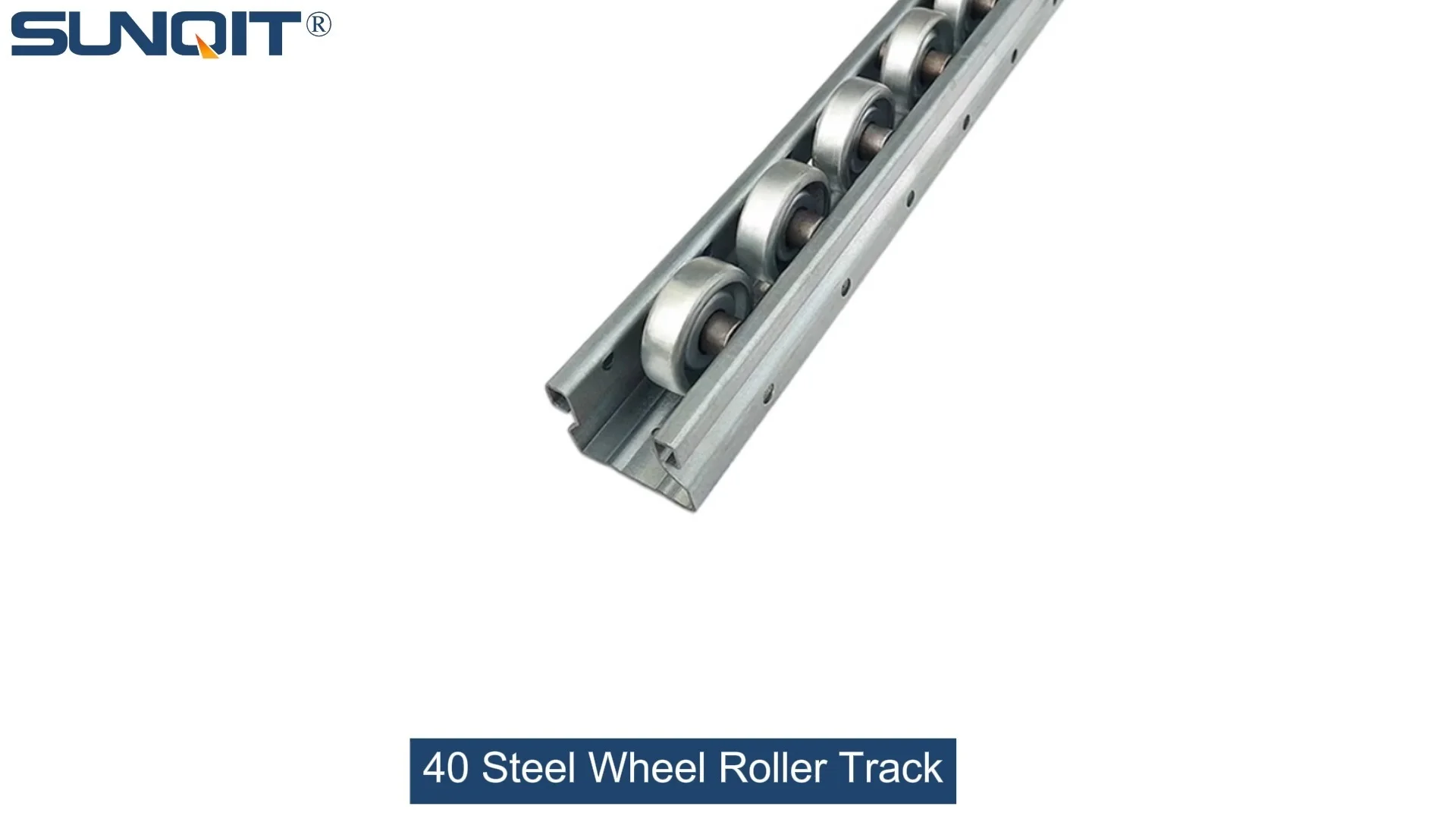
40 Steel Wheel Roller Track
Heavy duty steel wheel roller track with cylindrical steel rollers for use in processing, logistics and materials handling operations. Ideal for transporting goods quickly and easily as well as for installing on shelving to aid in picking operations.
Ensuring Smooth Material Flow in Modern Manufacturing Environments
In the fast-paced world of manufacturing, where every second counts and precision directly impacts productivity, the role of reliable material handling equipment cannot be overstated. Among these critical components, the 40 steel wheel roller track stands out as a workhorse—quietly facilitating the seamless movement of parts and products across assembly lines, warehouses, and production cells. Whether it's transporting delicate 3C components, heavy automotive parts, or medical equipment, this unassuming yet vital tool forms the backbone of efficient material flow.
But here's the truth: even the highest-quality roller track won't live up to its potential without proper alignment. Misalignment can lead to everything from frustrating bottlenecks and product damage to increased wear and tear on equipment—all of which chip away at your bottom line. That's why mastering the art of aligning your 40 steel wheel roller track isn't just a maintenance task; it's a cornerstone of lean manufacturing, ensuring your operations run like a well-oiled machine (pun intended).
Where Does the 40 Steel Wheel Roller Track Shine?
Before diving into alignment tips, let's take a moment to appreciate where this versatile tool fits into your workflow. The 40 steel wheel roller track isn't a one-size-fits-all solution—it's a chameleon, adapting to diverse manufacturing needs across industries:
- 3C Assembly Lines: In the production of smartphones, laptops, and wearables, precision is non-negotiable. The 40 steel wheel roller track gently transports sensitive components between workstations, ensuring delicate parts aren't jostled or scratched.
- Warehouse Logistics: From picking stations to shipping areas, roller tracks work alongside flow racks and conveyors to create gravity-fed systems that reduce manual labor and speed up order fulfillment.
- Medical Device Manufacturing: When assembling life-saving equipment, contamination and error are unacceptable. The smooth, easy-to-clean surface of steel wheel roller tracks (often paired with ESD workbenches) meets strict hygiene and safety standards.
- Automotive and Heavy Machinery: Even with heavier loads, the robust steel wheels and durable aluminum profile construction handle the stress, keeping production lines moving without costly downtime.
In short, wherever materials need to move from Point A to Point B efficiently, safely, and reliably, the 40 steel wheel roller track is there—making alignment not just about machinery, but about empowering your team to do their best work.
Getting Ready: What You'll Need Before Aligning
Aligning a roller track isn't something you dive into blindly. A little preparation goes a long way in ensuring accuracy and safety. Here's your pre-alignment checklist:
Tools You Can't Do Without
- A spirit level (digital or bubble-type) for checking horizontal and vertical alignment
- A measuring tape or laser level for ensuring consistent spacing between rollers
- Adjustable wrenches and hex keys for tightening/loosening fasteners (don't forget the roller track placon mount connectors!)
- A rubber mallet for gentle adjustments (avoid brute force—you don't want to damage the aluminum guide rails)
- Cleaning supplies (rags, degreaser) to wipe down tracks and wheels before inspection
Safety First
- Power down any connected conveyor systems or machinery to avoid accidental start-ups.
- Use lockout/tagout procedures if working near electrical components.
- Wear gloves to protect hands from sharp edges on steel wheels or aluminum profile ends.
- Ensure the work area is well-lit—shadowy corners make it hard to spot alignment issues.
Inspect Before You Adjust
Take 5 minutes to visually inspect the track before making adjustments. Look for:
- Bent or damaged steel wheels (a common culprit of jamming)
- Loose or missing fasteners (especially critical for aluminum profile connections)
- Debris, dust, or oil buildup on tracks or wheels (this can mimic alignment issues)
- Worn roller track placon mount brackets or end supports (these provide stability—if they're compromised, alignment won't hold)
Step-by-Step Alignment: Getting It Right the First Time
Now, let's walk through the alignment process. Think of this as a recipe—follow the steps carefully, and you'll end up with a roller track that runs smoother than a hot knife through butter.
| Step | What to Do | Pro Tip |
|---|---|---|
| 1. Check the Foundation | Start by ensuring the surface the roller track is mounted on is level. Use your spirit level across the aluminum profile rails—both lengthwise and side-to-side. Even a small dip or bump here can throw off the entire system. | If the floor is uneven, use shims under the aluminum foot base to level things out. Avoid over-shimming, which can create instability. |
| 2. Align the Aluminum Profile Rails | The rails that hold the rollers are the backbone of the system. Using a laser level or taut string, check that the rails are perfectly straight along their length. Misaligned rails will cause wheels to bind or materials to drift. | Pay extra attention to rail joints—use roller track placon mount connectors to ensure a smooth transition between rail sections. |
| 3. Adjust Roller Height and Spacing | Each steel wheel should sit at the same height and be evenly spaced. Place your spirit level across the tops of the wheels—they should all touch the level. For spacing, measure between the centers of adjacent wheels; aim for consistency within 1-2mm. | For staggered roller tracks (like the 85 staggered roller track), double-check the offset pattern to ensure materials flow evenly. |
| 4. Test Wheel Rotation | Spin each wheel by hand—it should rotate freely without wobbling or sticking. If a wheel is stiff, check for debris in the bearing or a bent axle. replace worn wheels immediately (stainless steel swivel roller balls are a durable upgrade if needed). | A little lubrication (use a light machine oil) can help, but don't overdo it—excess oil attracts dust. |
| 5. Run a Test Load | Place a sample product (similar in weight and size to what you'll be transporting) on the track and let it roll. Watch for any tilting, sticking, or sudden stops. If it drifts to one side, (fine-tune) the rail alignment. | Test with different load weights—light and heavy—to ensure consistency across your typical production range. |

When Things Go Wrong: Common Alignment Issues & Fixes
Even with careful alignment, problems can pop up. The key is to diagnose them quickly to avoid bigger headaches down the line. Here's a handy guide to the most common issues, why they happen, and how to fix them:
| Problem | What's Likely Causing It | How to Fix It |
|---|---|---|
| Materials keep sliding to one side of the track | Rails are tilted (not level) or wheels are unevenly spaced | Recheck rail level with a spirit level; adjust height using aluminum pipe adjustable leveling feet. Ensure wheel spacing is consistent across the track width. |
| Loud grinding or squeaking noises during operation | Misaligned wheels rubbing against rails; dry bearings; or debris trapped between wheels | Clean wheels and rails thoroughly. Lubricate bearings. Check for bent wheels and replace if necessary. Tighten loose roller track placon mount brackets to reduce vibration. |
| Roller track feels "bumpy" when materials move | Wheels are not all at the same height; or rail joints are uneven | Use a straightedge to check wheel height across the track. Shim low wheels or adjust mounting brackets. For uneven joints, replace worn roller track placon mount connectors with new ones. |
| Heavy loads slow down or stop mid-track | Insufficient slope (for gravity-fed systems); wheels with too much friction; or overloaded track | Adjust the track's incline slightly (consult your system's design specs). replace stiff wheels with low-friction steel or stainless steel options. Ensure you're not exceeding the track's weight capacity. |
Remember: Most alignment issues get worse over time, not better. A quick 10-minute check today can save hours of downtime next week.

Keeping It Smooth: Post-Alignment Maintenance
Alignment isn't a "set it and forget it" task. To keep your 40 steel wheel roller track performing at its best, adopt these lean maintenance habits—because sustainability and continuous improvement aren't just buzzwords; they're how you keep your operations efficient for the long haul.
Regular Check-Ups (You'll Thank Yourself Later)
How often should you inspect your aligned roller track? It depends on usage, but a good rule of thumb is:
- Daily: Quick visual check for debris, loose wheels, or obvious damage (assign this to your line operators—they're the first to notice issues).
- Weekly: Wipe down tracks and wheels, check for tightness of roller track placon mount connectors and fasteners, and test rotation of wheels.
- Monthly: Full alignment check using your spirit level and measuring tape. Lubricate bearings if needed. Inspect aluminum profile for signs of wear or corrosion.
- Quarterly: Deep clean the entire system, replace any worn parts (like plastic roller track guide rails that might be cracked), and review performance data to spot trends (e.g., "Is this section always needing adjustment?").
Lean Principles in Action
At its core, proper roller track maintenance aligns with the lean manufacturing (philosophy) of "continuous improvement." By keeping your track in top shape, you're reducing waste—waste of time, waste of materials, and waste of your team's energy. And when paired with other lean tools like flow racks, modular workbenches, and customized lean solutions, a well-maintained roller track becomes part of a system that grows with your business.
Why Partnering with the Right Supplier Matters
Even the best alignment skills can't compensate for low-quality roller track components. When you invest in a 40 steel wheel roller track system, you're not just buying metal and wheels—you're buying reliability, durability, and peace of mind. That's why choosing a supplier who understands your industry and prioritizes quality makes all the difference.
Look for a partner who offers:
- Customization: Every manufacturing floor is unique. A one-size-fits-all roller track might not work for your specific workflow. The best suppliers design solutions tailored to your space, load requirements, and industry standards (think 3C assembly vs. medical device manufacturing—they have different needs!).
- High-Quality Materials: From the aluminum profile rails that resist corrosion to the stainless steel swivel roller balls that stand up to heavy use, premium components mean less maintenance and longer lifespans.
- Comprehensive Support: You shouldn't have to figure it out alone. A good supplier provides guidance on installation, alignment, and maintenance—plus access to replacement parts when you need them (no more waiting weeks for a critical roller track placon mount bracket).
- Commitment to Lean: The right supplier doesn't just sell products; they understand your goal of efficiency. They'll help you integrate roller tracks with other lean tools like ESD workstations, turnover trolleys, and conveyor systems to create a seamless, waste-free flow.
After all, your roller track is more than equipment—it's a partner in your success. Choose one that's built to last, backed by expertise, and ready to grow with you.
Wrapping Up: Alignment as a Foundation for Success
At the end of the day, aligning your 40 steel wheel roller track is about more than making sure wheels spin straight. It's about respecting the work your team does every day—giving them tools that work with them, not against them. It's about protecting your bottom line by reducing waste and downtime. And it's about building a manufacturing operation that's agile, efficient, and ready to tackle whatever the future brings.
So grab your spirit level, round up your team, and give your roller track the attention it deserves. Your products, your profits, and your people will thank you.
Here's to smooth flows, straight lines, and a leaner, more successful tomorrow.