- Company Articles
- Products and Technology
- Procurement Guidelines
- 40 Steel Wheel Roller Track Cost Analysis: Initial vs Long-Term

40 Steel Wheel Roller Track Cost Analysis: Initial vs Long-Term
Related Product
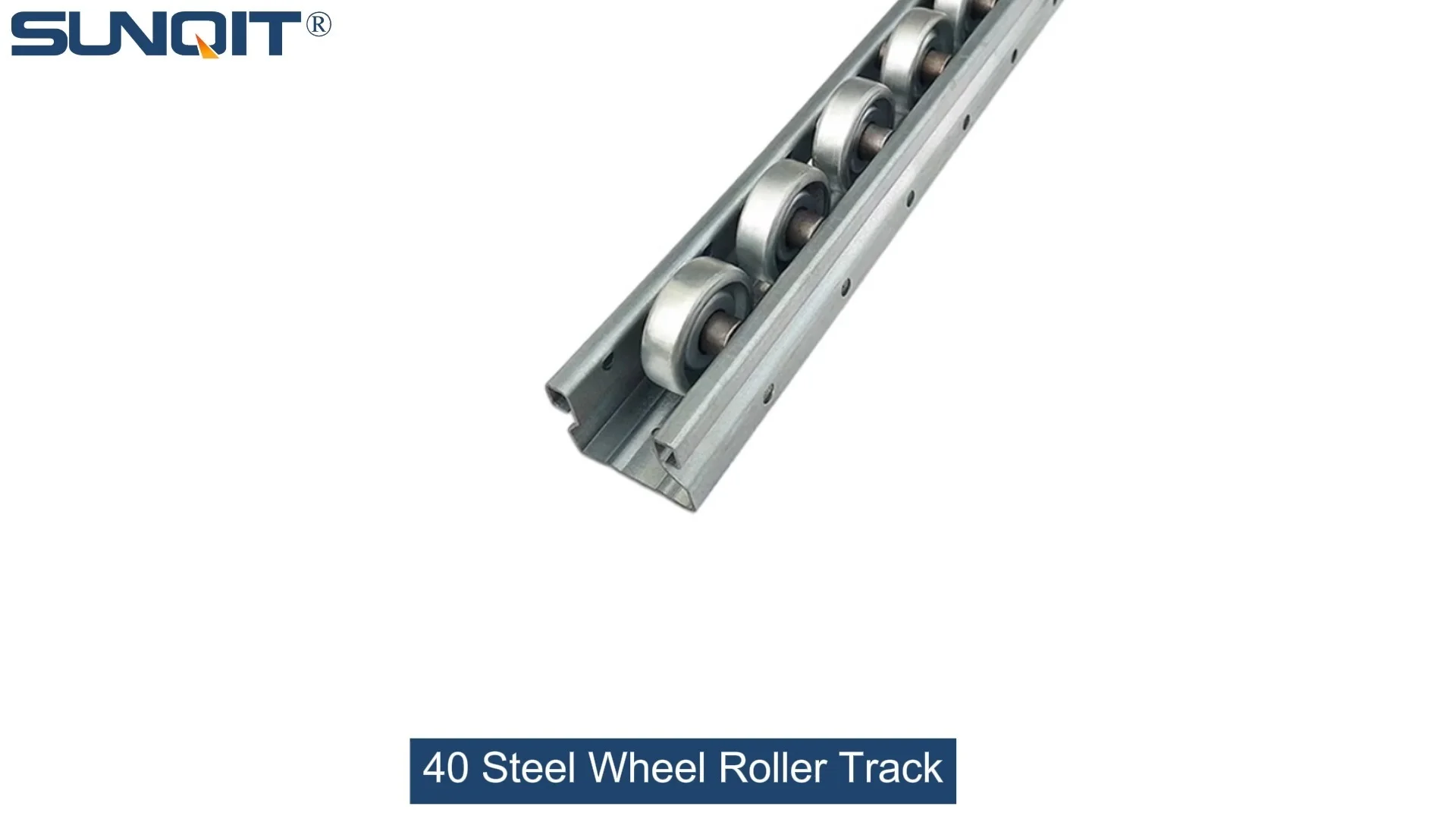
40 Steel Wheel Roller Track
Heavy duty steel wheel roller track with cylindrical steel rollers for use in processing, logistics and materials handling operations. Ideal for transporting goods quickly and easily as well as for installing on shelving to aid in picking operations.
When it comes to setting up an efficient manufacturing line, every component matters—especially those that keep materials moving smoothly. The 40 Steel Wheel Roller Track is one such workhorse, quietly powering assembly lines, warehouses, and production floors across industries like automotive, 3C electronics, and medical device manufacturing. But if you're considering integrating this tool into your operations, you've probably asked: Is the upfront cost worth it in the long run? Let's break this down, not just with numbers, but with the real-world impact that matters for your bottom line.
First Things First: What Makes 40 Steel Wheel Roller Track Stand Out?
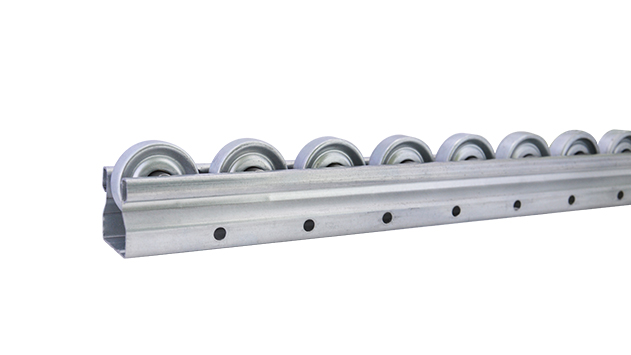
Before diving into costs, let's make sure we're on the same page about what this tool actually is. The 40 Steel Wheel Roller Track is a material handling solution designed for heavy-duty, repetitive tasks. Picture a series of steel rollers mounted on a sturdy frame, built to glide products—from small electronic parts to larger components—along an assembly line or between workstations. Unlike lighter options like aluminum roller track or plastic guides, its steel wheels and robust construction make it a go-to for environments where durability can't be compromised.
What sets it apart? Think about those steel wheels: they're built to handle consistent friction without wearing down quickly. The track itself, often paired with accessories like roller track connectors or end supports with stops, integrates seamlessly with other lean system components—conveyors, workbenches, even custom flow racks. It's not just a standalone tool; it's a piece of the bigger lean solution puzzle, designed to reduce waste and boost efficiency.
Initial Costs: The Price Tag You See First
Let's talk upfront expenses. When you're budgeting for 40 Steel Wheel Roller Track, the first number that catches your eye is the purchase price. But that's just the start—there are a few more pieces to this puzzle.
1. The Base Unit: Roller Track Itself
Depending on the length, supplier, and whether you're buying in bulk (hello, roller track wholesale benefits), you'll see prices range. A standard 2-meter section might start around $80–$120, but this can climb if you need custom lengths or specialized features like ESD (electrostatic discharge) protection for sensitive electronics. Pro tip: Buying direct from a lean pipe supplier often cuts costs compared to middlemen, especially if you're ordering for an entire production line.
2. Installation: More Than Just Unboxing
Unless you have an in-house team familiar with lean system setup, you'll likely need professional installation. This isn't just about screwing parts together—precision alignment is key to ensuring smooth material flow and avoiding jams down the line. Installation costs can add 10–15% to the upfront total, especially if you're integrating the track with existing conveyors or workbenches. Don't forget small but crucial accessories here: roller track placon mounts for rail connections, caster accessories if you need mobility, or end supports to prevent items from sliding off.
3. Complementary Components: The Little Things Add Up
Your roller track doesn't work alone. You might need:
- Connectors: Roller track connectors to link sections or attach to aluminum profiles (common in workbench setups).
- Stops and Guides: Plastic or aluminum guide rails (yellow or grey, depending on your line's color coding) to keep items on track.
- Adjustable Feet: Anti-slip leveling feet to stabilize the track on uneven factory floors.
Long-Term Costs: The Hidden (and Not-So-Hidden) Expenses
Here's where the real cost story unfolds. Initial expenses are just the tip of the iceberg; the long-term costs (and savings!) will shape your ROI over months and years.
1. Maintenance: Keeping It Rolling Smoothly
Steel is tough, but it's not invincible. Over time, wheels might need lubrication, especially if you're moving heavy loads daily. Rust could be a concern in humid environments, so occasional cleaning or protective coating might be necessary—budget $20–$30 per year for basic maintenance kits. Compare this to aluminum roller track, which is lighter but might dent under heavy use, requiring more frequent part replacements. Steel's durability here starts to shine: those steel wheels? They can last 5–7 years with proper care, whereas plastic wheels might need swapping every 2–3 years.
2. Downtime: The Silent Budget Killer
Imagine a production line grinding to a halt because a roller seized up. Every minute of downtime costs money—labor, missed deadlines, frustrated teams. 40 Steel Wheel Roller Track's robust design means fewer breakdowns, but when issues do happen, replacement parts (like a broken roller or connector) are usually in stock with suppliers, minimizing downtime. A quick fix might cost $15 for a new wheel, but the alternative—hours of halted production—could cost hundreds or more. It's not just about the part; it's about peace of mind.
3. Efficiency Gains: When "Cost" Becomes "Savings"
This is where lean solution thinking pays off. A well-designed roller track system reduces manual lifting and carrying, cutting down on worker fatigue and errors. For example, a team that used to spend 2 hours daily moving parts between stations might now spend 30 minutes—freeing up time for more value-added tasks. Over a year, that's hundreds of labor hours saved. Plus, smoother material flow means faster cycle times: if your assembly line can produce 10% more units daily, that's extra revenue that far outweighs the initial track investment.
4. Reusability: Lean's Secret Weapon
One of the core principles of lean manufacturing is "sustainable improvement," and 40 Steel Wheel Roller Track fits this perfectly. Unlike fixed conveyor systems, it's modular—you can disassemble, reconfigure, or repurpose it if your production needs change. Need to shift from assembling smartphones to tablets? Rearrange the track layout instead of buying a whole new system. This reusability slashes long-term costs, especially for industries with evolving product lines (looking at you, 3C and consumer electronics).

Initial vs. Long-Term: A 5-Year Breakdown
Numbers tell the story best. Let's compare a hypothetical 5-year cost projection for a mid-sized production line using 40 Steel Wheel Roller Track (10 sections, standard setup) versus a cheaper alternative (e.g., plastic roller track).
| Cost Category | 40 Steel Wheel Roller Track (5-Year Total) | Cheaper Plastic Roller Track (5-Year Total) |
|---|---|---|
| Purchase Price (10 sections) | $1,000 | $600 |
| Installation & Accessories | $300 | $250 |
| Maintenance (Lubrication, Cleaning) | $150 ($30/year) | $100 ($20/year) |
| Replacement Parts (Wheels, Connectors) | $200 (1–2 wheels/year) | $800 (4–5 wheels/year + 2 track sections) |
| Downtime (Estimated Lost Revenue) | $500 (2 minor stoppages) | $3,000 (8+ stoppages, longer repairs) |
| Total 5-Year Cost | $2,150 | $4,750 |
Shocking, right? The cheaper plastic option ends up costing over twice as much in the long run, thanks to frequent replacements and downtime. The steel track's higher upfront cost? It's an investment that pays for itself by Year 2, and keeps paying dividends after that.

So, Is It Worth It? The Verdict
At the end of the day, 40 Steel Wheel Roller Track isn't just a purchase—it's a long-term partnership with your production goals. Yes, the initial cost is higher than flimsier alternatives, but when you factor in durability, efficiency gains, and reusability, it's clear: this track saves you money over time.
For manufacturers who value reliability, scalability, and lean principles, the math checks out. Whether you're running a small workshop or a large-scale assembly plant, the question isn't Can we afford it? but Can we afford not to? After all, in manufacturing, efficiency isn't just a buzzword—it's the difference between keeping up with demand and falling behind.
So, if you're ready to stop pouring money into short-term fixes and start investing in a system that grows with you, 40 Steel Wheel Roller Track is more than a tool. It's a step toward smarter, leaner, and more profitable production.