- Company Articles
- Products and Technology
- Installation And Maintenance
- 40 Steel Wheel Roller Track: Extending Lifespan Maintenance Hacks

40 Steel Wheel Roller Track: Extending Lifespan Maintenance Hacks
Related Product
40 Steel Wheel Roller Track
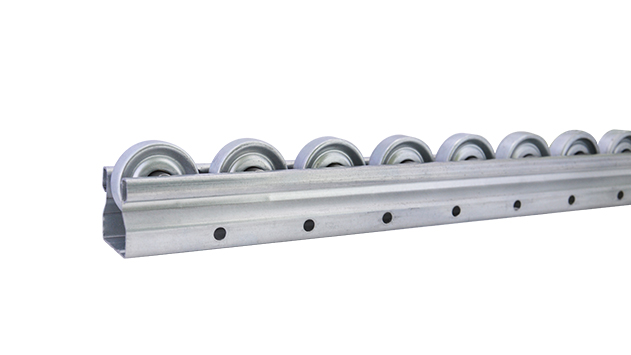
Heavy duty steel wheel roller track with cylindrical steel rollers for use in processing, logistics and materials handling operations. Ideal for transporting goods quickly and easily as well as for installing on shelving to aid in picking operations.
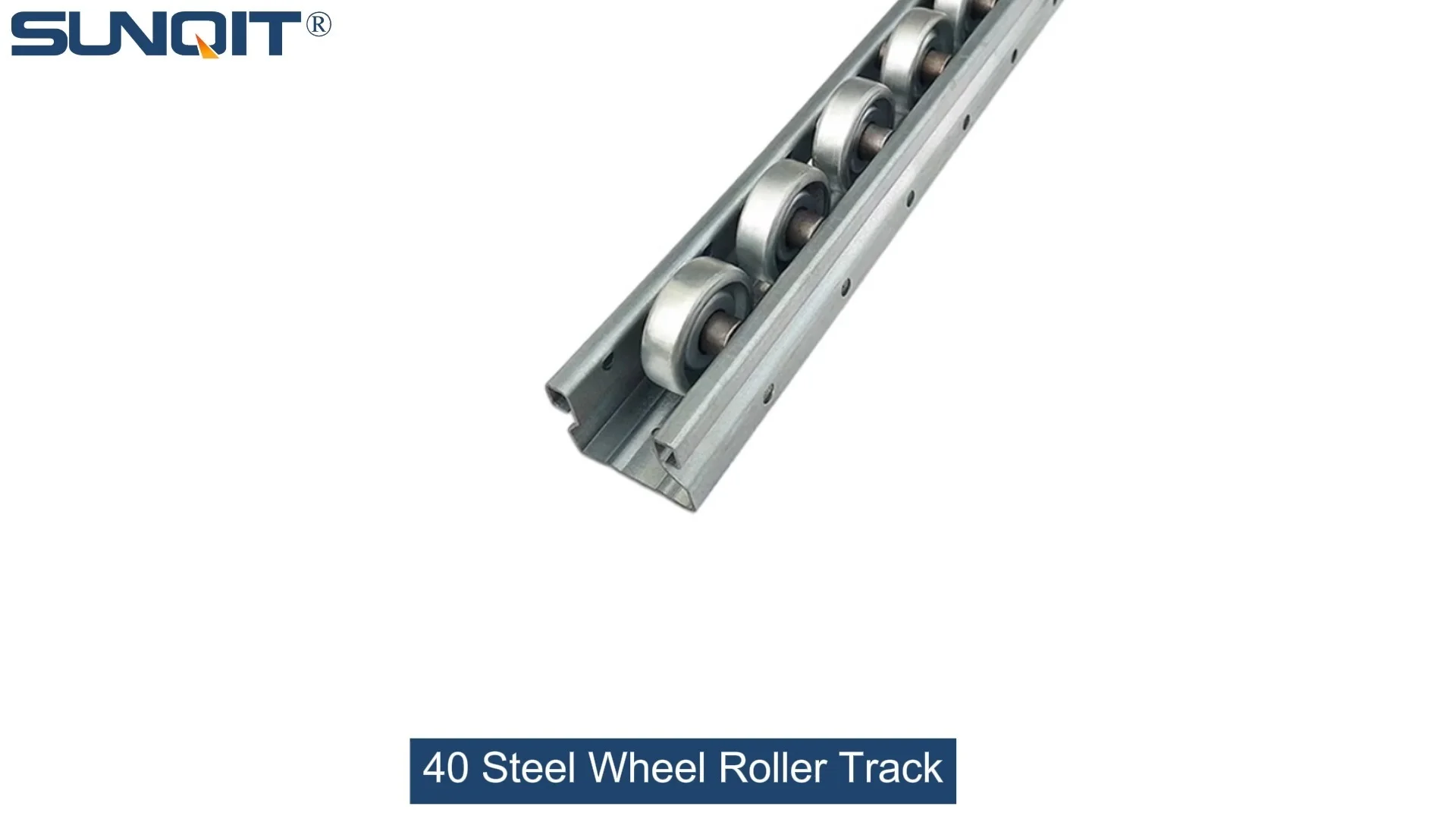
In the bustling heart of manufacturing plants, where every second counts and production lines hum with purpose, there's an unsung hero quietly keeping the rhythm steady: the 40 steel wheel roller track. You might not notice it at first glance—sitting beneath conveyor belts, integrating with flow racks, or forming the backbone of lean workstations—but its role is irreplaceable. When it glides smoothly, materials dance from station to station, workers move with confidence, and deadlines feel achievable. But when it jams, squeaks, or slows down? Suddenly, the whole operation stutters. That's why knowing how to care for this workhorse isn't just about extending its lifespan—it's about protecting the heartbeat of your production floor.
Think about the last time a small glitch disrupted your day. Maybe a stuck drawer, a jammed printer—minor nuisances that throw off your focus. Now multiply that by a hundred on a factory floor. A faulty roller track doesn't just delay a single task; it ripples through teams, delays shipments, and adds unnecessary stress to your hardworking staff. But here's the good news: with the right maintenance habits, you can keep your 40 steel wheel roller track rolling strong for years, turning potential headaches into smooth sailing. Let's dive into the practical, human-centered hacks that make this possible.
Why Your Roller Track Deserves Extra Attention
Before we get into the "how," let's talk about the "why." The 40 steel wheel roller track is more than metal and wheels—it's a bridge between your team's effort and your production goals. In industries like 3C assembly, where precision is everything, or warehousing, where speed matters most, this track ensures components reach their next step without a hitch. It's the silent partner that lets your workers focus on skilled tasks instead of wrestling with stuck materials.
And let's not forget the numbers. A well-maintained roller track can last 5-7 years; a neglected one? Maybe 2-3. That's not just a replacement cost—it's the downtime during replacements, the overtime to catch up, and the wear and tear on your team's morale. Investing a little time in maintenance today saves you from big headaches (and bills) tomorrow. Plus, when your equipment runs smoothly, your workers feel valued—like their tools are cared for, so they can care for the job better.
Daily & Weekly Maintenance: Small Habits, Big Results
You don't need to be a mechanic to keep your roller track in shape. Most of the upkeep is about consistency—small, daily checks that take minutes but prevent major issues. Let's break it down into a simple routine you and your team can follow:
| Frequency | Tasks | What to Look For | Why It Matters |
|---|---|---|---|
| Every Shift Start | Quick visual scan & debris check | Loose bolts, stuck wheels, or debris (like plastic scraps, dust bunnies, or metal shavings) | Debris is the #1 cause of jams. A 30-second scan prevents hours of downtime. |
| Daily (End of Shift) | Wipe down tracks with a dry cloth | Grease buildup, sticky residues, or rust spots | Grease attracts dust; a clean track keeps wheels rolling freely. |
| Weekly | Lubricate wheels & check tightness | Wheels that don't spin smoothly, wobbly connections, or squeaky joints | Lubrication reduces friction; tight bolts prevent track misalignment. |
| Monthly | Test load capacity & alignment | Tracks that sag under weight, wheels that drag, or uneven gaps between sections | Misalignment causes uneven wear—catching it early saves replacement costs. |
Pro tip: Assign these tasks to your operators! They're the ones using the track daily, so they'll notice subtle changes first—like a wheel that's starting to "stick" or a bolt that's loosening. Turn it into a team effort, and you'll build a culture where everyone takes pride in keeping the workspace running smoothly.
Troubleshooting: Fixing Common Roller Track Headaches
Even with regular care, issues can pop up. The key is to spot them fast and fix them right. Let's walk through the most common problems and how to solve them—no fancy tools required.
Problem #1: Wheels Are Sticking or Jamming
Why it happens: Dust, oil, or small debris (like bits of tape or plastic) get trapped between the wheel and track. Over time, this grime builds up, turning smooth rolling into a struggle.
Quick fix: First, turn off the track (safety first!). Use a soft brush or compressed air to blow out debris from the wheel axles. Then, wipe the wheels with a cloth dampened with mild soapy water (avoid harsh chemicals—they can damage wheel materials). For extra stuck spots, a toothpick (yes, really!) works wonders to dislodge tiny particles.
Pro move: If jamming happens often in one area, check if the track is level. A slight dip can cause materials to slow down and collect debris. Use a bubble level to adjust the track supports—your wheels will thank you.
Problem #2: Squeaking or Grinding Noises
Why it happens: Lack of lubrication or worn wheel bearings. Metal-on-metal friction isn't just annoying—it's a sign your wheels are wearing down faster than they should.
Quick fix: Start with lubrication. Use a lightweight machine oil (avoid WD-40—it's a cleaner, not a long-term lubricant) and apply 1-2 drops to each wheel axle. Spin the wheel by hand to work the oil in. If the noise persists, inspect the bearings: if they're rusted or have play (wiggle when you push them), it's time to replace the wheel. Most 40 steel wheels are easy to swap—just remove the axle pin, slide out the old wheel, and pop in a new one.
Pro move: Keep a small lubrication kit near the track—labeled clearly so anyone can grab it. A little oil today prevents a loud, costly replacement tomorrow.
Problem #3: Track Misalignment or Sagging
Why it happens: Overloading, loose mounting brackets, or uneven floor surfaces. In busy environments, it's easy to overload the track with heavier materials than it's rated for—over time, this bends the metal or loosens bolts.
Quick fix: First, check the weight rating! Your 40 steel track is built for specific loads—exceeding that is a recipe for damage. If the track is sagging, tighten the mounting bolts (use a torque wrench for consistency—over-tightening can strip threads). For uneven floors, use shims under the supports to level the track. If bending is severe, contact your supplier—they can help straighten or replace the section before it causes bigger issues.
Pro move: Mark the track with load limits (e.g., "Max 50kg per section") so everyone knows the rules. A simple sticker prevents accidental overloading.

Lean Maintenance: Aligning with "Sustainable Improvement" Principles
At the heart of lean manufacturing is the idea of "kaizen"—continuous improvement. Your roller track maintenance shouldn't just be about fixing problems; it should be about making the system better over time. Here's how to turn maintenance into a lean solution that benefits your whole operation:
1. Track Data, Not Just Tasks
Keep a simple log of when issues happen: "Wheel jammed at Station 3 on Tuesday," "Squeaking near the conveyor merge on Thursday." Over time, patterns will emerge—maybe one section gets more debris because of a nearby cutting machine, or a certain wheel type wears faster. Use this data to adjust: add a debris guard, switch to a more durable wheel, or reposition the track slightly. It's proactive, not reactive.
2. Reuse & Recycle Where Possible
Lean isn't just about efficiency—it's about sustainability. When replacing parts, check if old components can be repurposed: worn wheels might still work on lower-traffic tracks, and bent brackets can sometimes be straightened (if a professional says it's safe). Many suppliers, like those specializing in lean pipe systems, offer recycling programs for old metal parts—so you're not just saving money, you're reducing waste too.
3. Train Your Team to Be "Maintenance Partners"
Your operators know the track better than anyone. Host 15-minute "lunch and learn" sessions to teach them basic troubleshooting: how to spot loose bolts, when to lubricate, and how to log issues. When your team feels empowered to fix small problems, they take more ownership of their workspace. Plus, it frees up your maintenance team to focus on bigger tasks. It's a win-win for everyone.

Real Stories: How Maintenance Transformed One Factory's Workflow
Let's put this into perspective with a real example. A 3C assembly plant in Southern China was struggling with their roller tracks—jams happened 2-3 times a week, leading to 4-5 hours of downtime monthly. Their team was frustrated, and overtime was piling up. Then, they implemented a simple maintenance routine:
- Operators started doing 2-minute end-of-shift checks, logging issues in a shared notebook.
- Maintenance staff held weekly "track tune-ups"—lubricating wheels and tightening bolts.
- They added load limit stickers and trained the team on proper material placement.
Result? In three months, jams dropped to zero. Downtime vanished, overtime decreased by 20%, and the team reported feeling "less stressed and more in control." The plant manager even noted, "It's not just the track that's running better—it's the whole team's energy." That's the power of maintenance done right.
When to Call in the Pros: Knowing Your Limits
Daily care is doable for anyone, but some issues need a professional touch. Here's when to pick up the phone:
- Severe bending or cracks: A bent track might look fixable, but hidden stress fractures can lead to sudden failure. A pro can assess if it's repairable or needs replacement.
- Consistent bearing failure: If wheels keep wearing out, it might be a design issue (e.g., the track isn't aligned with the conveyor) that a supplier can help redesign.
- Overhaul time: Every 3-4 years, even well-maintained tracks need a deep dive—replacing all worn wheels, re-leveling the entire system, and updating parts to newer, more durable models. Your supplier can provide a cost-effective overhaul plan.
Remember: A good supplier isn't just someone who sells you parts—they're a partner in keeping your operation running. Look for suppliers who offer maintenance guides, replacement part guarantees, and quick response times. It makes a world of difference when you need help fast.
Final Thoughts: Your Roller Track, Your Team, Your Success
Caring for your 40 steel wheel roller track isn't just about nuts, bolts, and lubrication—it's about respecting the work your team does every day. When your equipment runs smoothly, your workers can focus on what they do best: building quality products, hitting goals, and taking pride in their work. It's the small, consistent acts of care that turn a factory into a place where everyone thrives.
So start today. Grab a cloth, check those wheels, and talk to your team about what they notice on the track. You'll be amazed at how a little attention turns into smoother days, happier workers, and a production line that keeps rolling—just like it should.