- Company Articles
- Products and Technology
- Installation And Maintenance
- 40 Steel Wheel Roller Track: How to Clean & Lubricate Properly

40 Steel Wheel Roller Track: How to Clean & Lubricate Properly
Related Product
40 Steel Wheel Roller Track
Heavy duty steel wheel roller track with cylindrical steel rollers for use in processing, logistics and materials handling operations. Ideal for transporting goods quickly and easily as well as for installing on shelving to aid in picking operations.
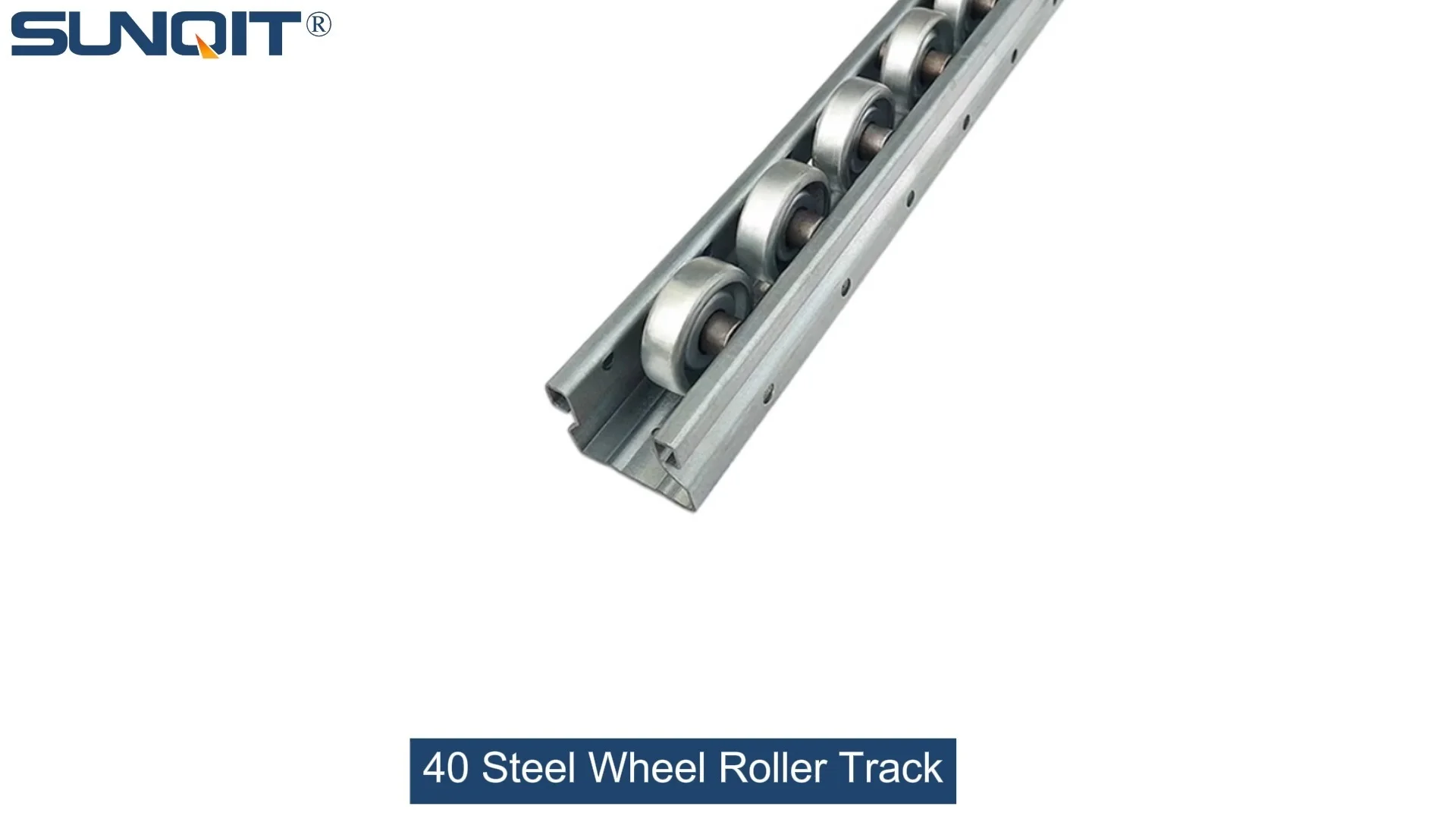
If you've ever walked through a busy manufacturing facility, you've probably seen them: those unassuming metal tracks with small wheels that keep materials moving. We're talking about 40 steel wheel roller tracks—the unsung heroes of lean production lines. These tracks are the backbone of smooth material flow, connecting workbenches, feeding conveyors, and ensuring that everything from small components to finished products gets where it needs to go, exactly when it needs to be there. But here's the thing: even the toughest steel wheel roller track can't perform at its best if it's caked in grime or starved of proper lubrication. Let's dive into how to keep these critical tools in top shape, so your production line stays efficient, your workers stay happy, and your lean solution goals stay on track.
Why Cleaning & Lubrication Matter More Than You Think
Think about your daily operations: when your 40 steel wheel roller tracks are clean and well-lubricated, materials glide like they're on ice. Workers don't waste time pushing stuck bins, assembly lines don't stall waiting for parts, and you avoid the frustrating "domino effect" of delays. But when tracks are dirty? Dust, oil, and metal shavings build up between the wheels and rails. Over time, that gunk turns into abrasive grit that wears down steel wheels and scratches track surfaces. Then come the squeaks, the jams, and the unexpected breakdowns—all of which throw a wrench into your lean solution efforts. And let's not forget safety: a sticky roller track can cause materials to tip or workers to strain, turning a minor maintenance issue into a major headache.
Lubrication, on the other hand, is like giving your roller track a shot of energy. It reduces friction between moving parts, preventing premature wear and keeping wheels spinning freely. Without it, even a clean track will start to slow down, increasing the load on motors (if it's part of a powered conveyor system) and driving up energy costs. In short, skipping cleaning and lubrication isn't just lazy—it's a surefire way to undermine the very efficiency your lean system is designed to create.
Before You Start: Gather Your Tools & Prep the Area
You wouldn't fix a car without the right tools, and the same goes for maintaining your roller track. Here's what you'll need to round up first:
- Clean, lint-free rags (microfiber works best—avoid paper towels, which leave residue)
- Soft-bristle brushes (to get into tight spaces between wheels)
- Mild, non-corrosive degreaser (avoid harsh chemicals that can damage steel or rubber components)
- Compressed air can or air compressor (for blowing out dust from bearings)
- Food-grade or machine-grade lubricant (check your track specs—some require specific viscosity; avoid WD-40 as a long-term lubricant—it's a cleaner, not a lubricant!)
- Lubricant applicator (a small brush or precision oiler for targeted application)
- Work gloves (to protect hands from sharp edges or chemicals)
- Safety glasses (in case debris flies when using compressed air)
Safety first! Before you touch anything, make sure the roller track (and any connected conveyor system) is powered down and locked out. If it's part of a larger production line, put up warning signs so coworkers know not to restart the equipment. If the track is loaded with materials, clear them out—you don't want bins or parts sliding around while you're working.
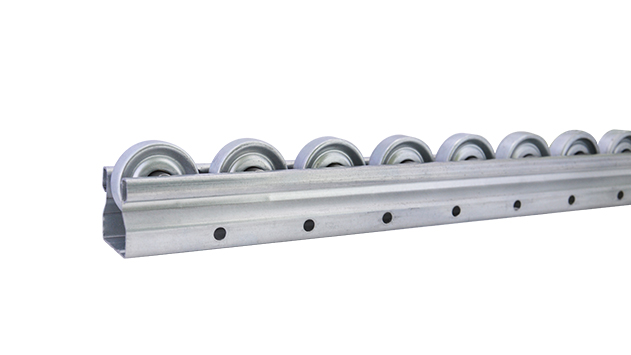
Step-by-Step Cleaning: Getting Your Track Sparkling Clean
Now that you're prepped, let's get cleaning. Follow these steps to make sure you don't miss a spot:
Step 1: Remove Loose Debris
Start by wiping down the entire track with a dry microfiber rag. This removes surface dust, dirt, and loose particles. Pay extra attention to the gaps between the steel wheels—this is where dust loves to hide. For hard-to-reach spots, use the soft-bristle brush to dislodge debris. If there's a lot of loose dust, hit the track with compressed air (hold the nozzle a few inches away to avoid damaging components) to blow it out.
Step 2: Tackle Grease & Oil Buildup
If you notice sticky spots or dark, greasy residue (common in manufacturing environments with oil-based coolants), it's time for degreaser. Dampen a rag with degreaser (don't soak it—you don't want chemicals dripping into bearings) and gently wipe the affected areas. For thick buildup, let the degreaser sit for 2-3 minutes (but don't let it dry!) before wiping. Avoid getting degreaser on rubber wheels or gaskets—some chemicals can degrade rubber over time. If your track has adjustable components or removable wheels, now's a good time to take them off (if possible) to clean underneath. Just keep track of screws or bolts—put them in a small container so you don't lose them!
Step 3: Clean the Wheels & Bearings
The wheels are the heart of the roller track—if they're dirty, the whole system suffers. Use the soft brush to clean around the wheel axles and bearings. If the wheels are removable, pop them off and inspect the bearings for dust or grime. Blow out the bearings with compressed air (hold the wheel firmly so it doesn't spin wildly). If bearings are really dirty, you can swab them with a degreaser-dampened rag, but be gentle—you don't want to push debris deeper into the bearing. Once clean, set the wheels aside to air dry completely (moisture + steel = rust, which is your enemy!).
Step 4: Dry Everything Thoroughly
Never reassemble or lubricate a wet track! Use a dry rag to wipe down all surfaces, including the rails, wheels, and axles. If you used compressed air earlier, hit the track again to ensure no moisture is trapped in crevices. For extra thoroughness, let the components air dry for 10-15 minutes before moving on to lubrication. Patience here prevents rust and ensures lubricant adheres properly.
Step 5: Reassemble (If You Disassembled)
If you removed wheels or other parts, put them back together now. Tighten screws or bolts just enough to hold components in place—over-tightening can warp the track or damage threads. Spin each wheel by hand to make sure it moves freely; if it's stiff, double-check that you didn't cross-thread a bolt or leave debris behind.

Lubrication: The Secret to Smooth Rolling
Cleaning gets rid of the gunk, but lubrication keeps things moving. Think of it as giving your roller track's "joints" a drink of water—without it, they get stiff and slow. Here's how to do it right:
Step 1: Choose the Right Lubricant
Not all lubricants are created equal. Check your roller track's manual (or ask your lean pipe supplier if you're unsure) for the recommended type. Most 40 steel wheel roller tracks use light machine oil or lithium-based grease. If the track is in a food processing environment, you'll need food-grade lubricant. For ESD (electrostatic discharge) workbench areas, make sure the lubricant is ESD-safe—you don't want to introduce static risks. Avoid heavy greases unless specified—they attract dust and can gum up the works over time.
Step 2: Apply Lubricant Sparingly
More isn't better when it comes to lubrication! Too much oil or grease will drip onto the track, attract dirt, and create a mess. Instead, apply a tiny amount directly to the wheel bearings and axles. For bearings, use the precision oiler to squirt 1-2 drops into the bearing opening (you'll see a small gap where the axle meets the wheel). For axles, wipe a thin layer of lubricant onto the surface where the wheel rotates. Spin the wheel by hand to distribute the lubricant evenly—you should feel it glide more smoothly immediately. If excess lubricant oozes out, wipe it away with a clean rag—you don't want it dripping onto products or the factory floor.
Step 3: Lubricate Track Rails (If Needed)
Some roller tracks benefit from a light coating of lubricant on the rails themselves, especially if they're made of steel and prone to friction. Use a dry rag to apply a thin, even layer of oil to the rail surface—again, less is more. This helps the wheels glide without scratching the rails. Skip this step if your track has plastic or coated rails—check the manufacturer's guidelines first.

How Often Should You Do This? A Maintenance Schedule
The frequency of cleaning and lubrication depends on how hard your roller track works. A track in a dusty warehouse with constant use will need more attention than one in a clean electronics assembly line. Here's a general guideline to follow:
| Usage Level | Cleaning Frequency | Lubrication Frequency | Additional Checks |
|---|---|---|---|
| Light (1-3 hours/day, clean environment) | Monthly | Quarterly | Check for loose wheels or bolts every 6 months |
| Medium (4-8 hours/day, moderate dust) | Bi-weekly | Monthly | Check wheels for wear, rails for dents monthly |
| Heavy (8+ hours/day, dusty/oily environment) | Weekly | Bi-weekly | Daily visual check for jams; replace worn wheels every 3-6 months |
Pro tip: Keep a maintenance log! Jot down when you cleaned, lubricated, or replaced parts. Over time, you'll spot patterns—like needing to lubricate more often during humid months—and adjust your schedule accordingly. This log also comes in handy if you ever need to troubleshoot issues with your lean solution provider.
Troubleshooting: Common Issues & Quick Fixes
Even with regular maintenance, problems can pop up. Here's how to diagnose and fix the most common 40 steel wheel roller track issues:
Wheels are squeaking
Cause: Lack of lubrication or dirt in bearings. Fix: Clean the bearings with compressed air, then apply fresh lubricant. If squeaking persists, the wheel may be worn and need replacement.
Materials are sliding unevenly or tipping
Cause: Track is dirty, wheels are misaligned, or some wheels are seized. Fix: Clean the track thoroughly, check for stuck wheels (replace if needed), and ensure the track is level (use a level tool to adjust supports if necessary).
Wheels are leaving metal shavings on the track
Cause: Wheels are worn or rubbing against a bent rail. Fix: replace worn wheels immediately (metal shavings are a sign of severe friction). Inspect the rail for dents or bends—if damaged, contact your lean pipe supplier for repair or replacement.
Lubricant is turning black quickly
Cause: Track is very dirty, and lubricant is mixing with debris. Fix: Do a deep clean (including bearings), then apply fresh lubricant. If it happens again, increase cleaning frequency.
Beyond Maintenance: How This Fits Into Your Lean Solution
You might be thinking, "Is all this really necessary for my lean solution?" Absolutely. Lean manufacturing is about eliminating waste—waste of time, waste of resources, waste of effort. A poorly maintained roller track creates all three. When materials get stuck, workers wait (time waste). When wheels wear out, you replace them sooner (resource waste). When the line stalls, you rush to fix it, leading to mistakes (effort waste). By keeping your 40 steel wheel roller track clean and lubricated, you're not just maintaining equipment—you're protecting your lean investment.
And remember, maintenance is part of continuous improvement, a core lean principle. Maybe you notice that a certain section of track gets dirtier faster—why? Is it near a machine that generates dust? Can you add a guard to block debris? Or perhaps you find that a specific lubricant works better than the recommended one—share that with your team! Small tweaks to your maintenance process can lead to big gains in efficiency.
Wrapping Up: Your Roller Track, Your Productivity
40 steel wheel roller tracks might not be the flashiest part of your production line, but they're critical to keeping things moving. With regular cleaning, proper lubrication, and a little troubleshooting know-how, you can extend their lifespan, reduce downtime, and keep your lean solution running like a well-oiled machine (pun intended). And when it's time to expand or upgrade your system—whether you need a new conveyor, a custom workbench, or a full lean solution revamp—your trusted lean pipe supplier is here to help. After all, a well-maintained facility is a productive facility, and a productive facility is a successful one.
So grab your rag, your lubricant, and get to work—your roller track (and your bottom line) will thank you.