- Company Articles
- Products and Technology
- Installation And Maintenance
- 40 Steel Wheel Roller Track Maintenance Tips for Longevity

40 Steel Wheel Roller Track Maintenance Tips for Longevity
Related Product
40 Steel Wheel Roller Track
Heavy duty steel wheel roller track with cylindrical steel rollers for use in processing, logistics and materials handling operations. Ideal for transporting goods quickly and easily as well as for installing on shelving to aid in picking operations.
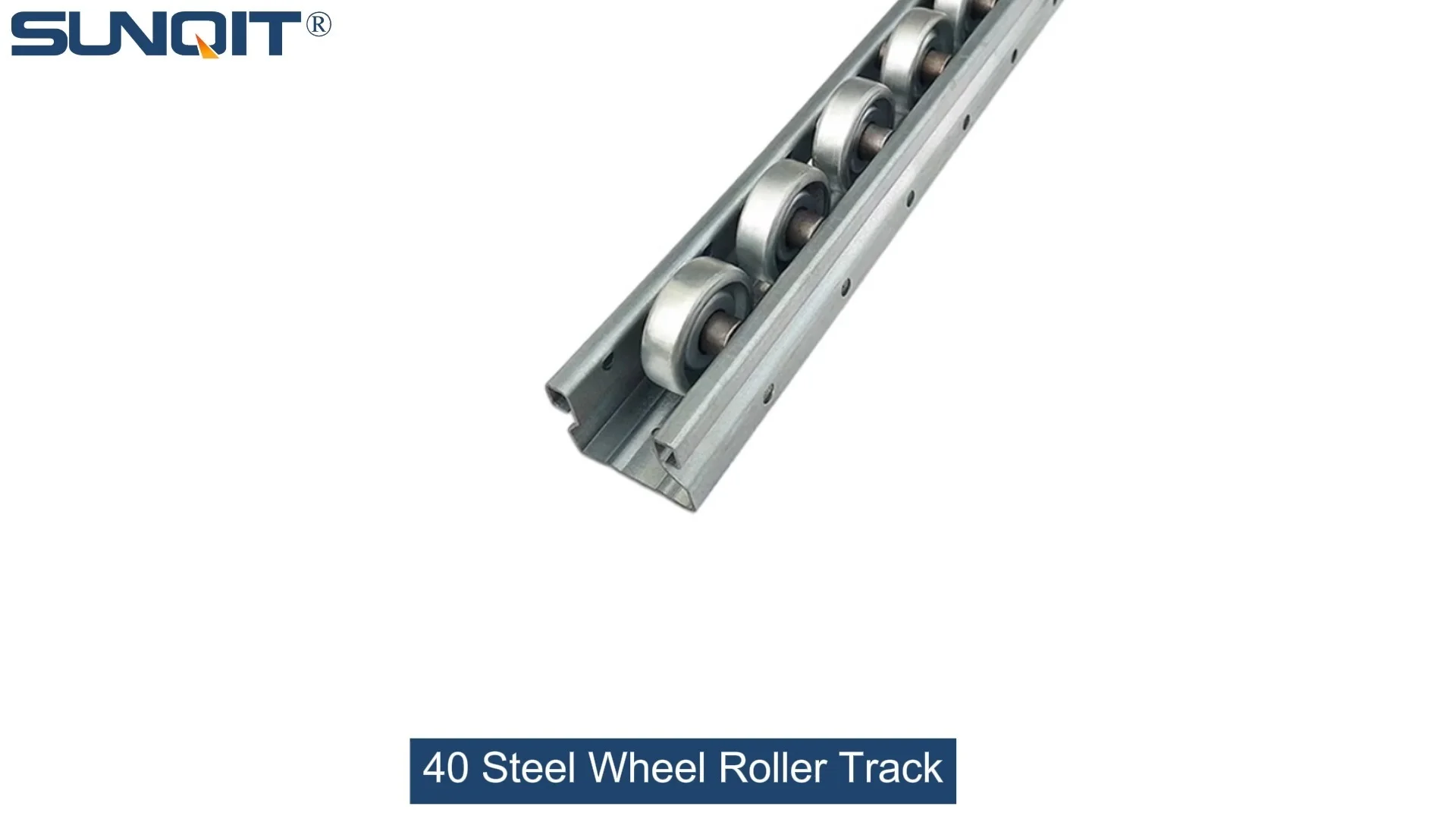
If you've ever walked through a busy manufacturing plant or warehouse, you've probably seen them: those sturdy, metallic tracks with small steel wheels that glide materials from one station to another. We're talking about 40 steel wheel roller tracks—the unsung heroes of smooth material flow in production lines, assembly areas, and storage facilities. These tracks might not get the same attention as high-tech machinery, but when they fail, the whole operation can grind to a halt. That's why keeping them in top shape isn't just about maintenance—it's about protecting your team's productivity, reducing downtime, and ensuring every workday runs like clockwork.
In this guide, we're diving deep into practical, no-nonsense maintenance tips for your 40 steel wheel roller track. Whether you're a facility manager overseeing a fleet of tracks or a team lead responsible for daily upkeep, these strategies will help you extend the life of your equipment, prevent costly breakdowns, and keep materials moving efficiently. Let's start with the basics: understanding why maintenance matters in the first place.
Why Regular Maintenance Matters for Your Roller Track
Think about the last time a small issue turned into a big problem. Maybe a loose screw on a workbench led to a wobbly surface, or a dirty filter in a machine caused it to overheat. The same logic applies to your 40 steel wheel roller track. A little wear here, a bit of dust there—ignoring these small signs can lead to jammed tracks, damaged materials, or even safety hazards for your team.
Consider this: a well-maintained roller track can last 5–7 years, while one that's neglected might need replacement in half that time. For busy operations, replacing a track means halting production, ordering parts, and paying for installation—not to mention the lost revenue from downtime. Regular maintenance, on the other hand, costs far less in time and money and keeps your workflow consistent. Plus, smooth-running tracks reduce the physical strain on your team. Pushing or pulling stuck materials isn't just frustrating—it's a recipe for workplace injuries. So, investing a few minutes each day in maintenance isn't just smart—it's essential.
Pro Tip: Keep a maintenance logbook (digital or physical) to track inspections, repairs, and replacements. Over time, this log will help you spot patterns—like which tracks wear faster or which components need more frequent checks—and adjust your routine accordingly.
Daily Inspection: The First Line of Defense
You don't need to be a mechanical expert to do a daily check of your 40 steel wheel roller track. In fact, most issues can be caught with a quick visual scan and a few simple tests. Here's how to make it part of your team's daily routine:
1. Visual Check: Look for Obvious Red Flags
Start by walking alongside the track and scanning for anything out of the ordinary. Keep an eye out for:
- Cracks or chips in the steel wheels: Even small cracks can grow under pressure, especially if the track carries heavy loads. Run your gloved finger along the edge of a few wheels—if you feel roughness or a sharp edge, note it for closer inspection.
- Debris buildup: Metal shavings, plastic fragments, or even loose screws can get trapped between the wheels or under the track. These not only slow down material flow but can scratch or jam the wheels over time.
- Bent or misaligned tracks: Compare the track to a straight edge (or use a string line) to check for warping. If the track sags in the middle or curves unexpectedly, it could be a sign of weakening support structures, like the aluminum profile frame holding it up.
- Loose or missing fasteners: Pay extra attention to the roller track connectors that join sections of the track. If these are loose, the track might shift during use, causing materials to get stuck or tip over.
2. Physical Test: Feel for Resistance
After your visual check, take a few minutes to test the track's movement. Grab a small, empty container (similar to what you'd normally transport) and slide it along the track. It should glide smoothly with minimal effort. If you feel resistance, hear grinding noises, or notice the container bouncing, there's an issue to address.
While you're at it, spin a few steel wheels by hand. They should rotate freely without sticking or wobbling. A wheel that's hard to turn might be due to a lack of lubrication or a damaged bearing—both easy fixes if caught early.
3. Check Supporting Structures
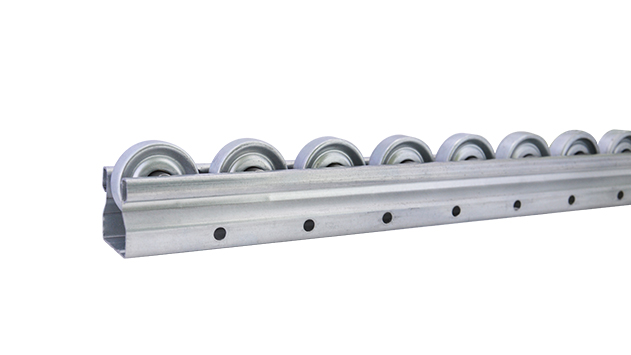
Your roller track doesn't work alone—it relies on sturdy supports, often made of aluminum profile, to stay stable. During your daily check, inspect the base of the track where it connects to the aluminum profile frame. Are there any bent brackets? Loose bolts? Signs of rust? Even a slightly wobbly frame can put extra stress on the track, leading to premature wear.
If your track is part of a mobile setup (like a cart with caster wheels), don't forget to check the casters too. Make sure the wheels are locked when in use and that they rotate smoothly when unlocked. A stuck caster can pull the track out of alignment, so keeping them in good shape is part of the roller track's maintenance, too.
Deep Cleaning: More Than Just Wiping Down
Dust, oil, and debris are the enemies of any moving part—and your 40 steel wheel roller track is no exception. Over time, these contaminants can build up on the wheels, bearings, and track surface, causing friction, rust, or jams. Let's break down how to clean your track effectively, no fancy tools required.
1. Gather Your Supplies
You'll need just a few basic items for cleaning: a soft-bristled brush (a toothbrush works great for tight spots), compressed air (or a can of air duster), a microfiber cloth, and a mild degreaser (avoid harsh chemicals like bleach, which can damage the steel or aluminum components).
2. Step-by-Step Cleaning Process
- Remove loose debris first: Use the brush to sweep away dust and dirt from the track surface and around the wheels. For hard-to-reach areas (like between the wheels), blast with compressed air. This prevents debris from getting ground into the track during deeper cleaning.
- Tackle oil and grease: If you notice oil stains (common in manufacturing settings), dampen the microfiber cloth with degreaser and gently wipe the affected areas. Be careful not to oversaturate the cloth—excess liquid can seep into the bearings and cause rust. Focus on the track surface and the edges of the wheels, where oil tends to collect.
- Clean the wheels individually: Dip the toothbrush in a small amount of degreaser and scrub the between the wheel and the track frame. This removes built-up grime that can slow rotation. Wipe each wheel dry with a clean cloth afterward.
- Dry thoroughly: Moisture is a recipe for rust, especially on steel components. After cleaning, use a dry microfiber cloth to wipe down the entire track, paying extra attention to the wheels and bearings. If possible, let the track air-dry for 10–15 minutes before using it again.
Warning: Never use a pressure washer to clean your roller track! The high-pressure water can force debris into the bearings or damage sensitive components. Stick to manual cleaning methods to keep your track safe.
3. How Often Should You Clean?
A quick wipe-down with a dry cloth can (and should) happen daily, but deep cleaning depends on how dirty your environment is. In dusty warehouses or shops with heavy oil use, aim for a deep clean once a week. In cleaner settings (like medical device assembly areas), every two weeks might be enough. The key is to adjust based on what you see during your daily inspections—if dust builds up quickly, clean more often.

Lubrication: Keeping the Wheels Rolling Smoothly
If cleaning is about removing friction, lubrication is about preventing it in the first place. The steel wheels on your roller track have tiny bearings inside that need regular lubrication to spin freely. Without it, the bearings can wear out, leading to noisy, slow-moving wheels—or even seized ones. Here's how to do it right:
1. Choose the Right Lubricant
Not all lubricants are created equal. For 40 steel wheel roller tracks, a high-quality lithium-based grease is usually the best choice. It's thick enough to stay in place, resists water and heat, and works well in most industrial environments. Avoid using oil (it's too thin and can attract dust) or silicone sprays (they can damage plastic components if your track has any).
If you're unsure which lubricant to use, check the manufacturer's recommendations. They might specify a particular type based on the track's design or the conditions it operates in (like high humidity or extreme temperatures).
2. How to Apply Lubricant
Lubricating your roller track is a simple process, but it's easy to overdo it. Follow these steps for best results:
- Clean first: Always clean the wheels and bearings before applying new lubricant. Old grease mixed with dust can turn into a gritty paste that does more harm than good.
- Apply a small amount: Use a grease gun or a toothpick to apply a pea-sized amount of grease to the bearing area of each wheel. You'll find a small gap between the wheel and the track frame—this is where the bearing sits. Gently spin the wheel after applying to work the grease into the bearing.
- Wipe away excess: Any grease that squeezes out of the bearing is extra—wipe it off with a clean cloth. Too much grease attracts dust, which can clog the bearing over time.
3. Lubrication Schedule
How often should you lubricate? It depends on how much you use the track. A track that runs 8 hours a day, 5 days a week, will need lubrication every 2–3 weeks. If it's used less frequently (like in a low-volume workshop), once a month might be enough. Again, use your daily inspections as a guide—if wheels start to feel stiff or make noise, it's time to lube them up.

Replacing Worn Components: When to Fix vs. replace
Even with perfect maintenance, parts wear out. The key is knowing when to replace a component before it causes a breakdown. Let's look at the most common parts that need replacing and how to do it yourself.
1. Steel Wheels: Signs of Wear
The steel wheels are the workhorses of your track, so they'll wear out first. Look for these signs that it's time to replace a wheel:
- Deep cracks or chips in the wheel surface
- Uneven wear (one side is thinner than the other)
- The wheel no longer spins freely, even after cleaning and lubricating
- Visible rust that can't be removed with a wire brush
Replacing a wheel is simple. Start by removing the retaining clip or bolt that holds the wheel in place (you might need a pair of pliers or a wrench). Pull the old wheel off, slide the new one on, and reattach the clip or bolt. Just make sure to buy a replacement wheel that matches the size and style of your existing ones—measure the diameter and width of the old wheel to be sure.
2. Roller Track Connectors
Loose connectors are common, but if a connector is bent, cracked, or stripped, it's time to replace it. A damaged connector can't hold the track sections together securely, which is a safety risk. To replace a connector, first, remove the bolts holding it to the track. Then, align the new connector with the holes in the track and tighten the bolts until they're snug (but not so tight you strip the threads).
3. Bearings (If Replaceable)
Some wheels have replaceable bearings, while others are sealed and need to be replaced as a whole. If your wheels have removable bearings (look for a small metal cap on the wheel's center), you can swap out the bearing instead of the entire wheel. This is often cheaper! To replace a bearing, pop off the cap, remove the old bearing with a screwdriver, and press the new one in. Just make sure the new bearing is the same size as the old one.
Troubleshooting Common Problems
Even with regular maintenance, issues can pop up. Here's how to fix the most common problems with 40 steel wheel roller tracks:
| Problem | Cause | Solution |
|---|---|---|
| Materials get stuck halfway along the track | Debris in the track, misaligned sections, or a bent wheel | Clean the track thoroughly. Check for loose roller track connectors and realign sections. replace any bent wheels. |
| Track makes a loud grinding noise during use | Dirty or dry bearings, or a stone/debris trapped in a wheel | Clean and lubricate the bearings. If the noise persists, check for debris between the wheel and frame. |
| Track sags in the middle | Weak or damaged aluminum profile supports | Reinforce the supports with additional brackets or replace bent aluminum profile sections. |
| Wheels wobble when spinning | Loose wheel axles or bent wheels | Tighten the axle bolt. If the wheel still wobbles, replace it. |
Long-Term Care: Building a Maintenance Routine
Maintenance isn't a one-time task—it's a habit. To keep your 40 steel wheel roller track in top shape for years, build a routine that works for your team. Here's how:
1. Assign Responsibility
Make someone on your team the "track champion"—someone who's in charge of daily inspections and logging maintenance tasks. This person doesn't need to be a mechanic, just someone who's detail-oriented and reliable.
2. Train Your Team
Teach everyone who uses the track to spot basic issues. A quick 5-minute training session on "what to look for" (like loose wheels or stuck materials) can help catch problems early. Encourage team members to report issues immediately instead of ignoring them.
3. Schedule Quarterly Deep Dives
In addition to daily and weekly tasks, set aside time every 3 months for a thorough inspection. During this deep dive, check every wheel, connector, and support bracket. Clean and lubricate all moving parts, and replace any components that are starting to show wear. This proactive approach will prevent small issues from turning into big ones.
Final Thoughts: Invest in Maintenance, Reap the Rewards
Your 40 steel wheel roller track might not be the most glamorous piece of equipment in your facility, but it's one of the most critical. By following these maintenance tips—daily inspections, regular cleaning, proper lubrication, and timely part replacement—you'll extend its life, reduce downtime, and keep your team working efficiently.
Remember, maintenance isn't a chore—it's an investment. The time you spend today wiping down a track or tightening a connector will save you hours of frustration (and hundreds of dollars) tomorrow. So grab your cloth, your lubricant, and your logbook—and start building a maintenance routine that keeps your roller track rolling strong for years to come.