- Company Articles
- Products and Technology
- Product knowledge
- 4040 Aluminum Profile End Cap Color Options: Anodized vs. Powder-Coated Finishes

4040 Aluminum Profile End Cap Color Options: Anodized vs. Powder-Coated Finishes
Related Product
4040 Aluminum Profile End Cap
The aluminum profile end cap adds a finishing touch to your project and closes off profile ends to limit dust and debris buildup, also it can avaid some scratch for material and labor during the assemble work.
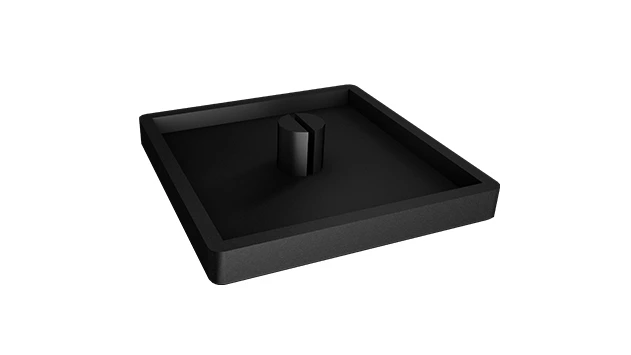
Why 4040 Aluminum Profile End Caps Are More Than Just "Caps"
Walk into any modern factory, workshop, or even a well-organized garage, and you'll likely spot aluminum extrusion profiles hard at work. They're the silent backbone of workbenches, material racks, conveyor systems, and lean systems designed to boost efficiency. But if you lean in closer to those aluminum profiles—especially the popular 4040—you'll notice something small yet surprisingly important: the end caps. These tiny components, often overlooked, are the unsung heroes that turn a "functional" setup into a "polished, professional" one.
At first glance, you might think, "It's just a cap—how much does it matter?" But ask anyone who builds or maintains workspaces with aluminum profiles, and they'll tell you: end caps do three critical jobs. First, they protect aluminum profile ends from corrosion, dust, and debris, extending the life of the entire structure. Second, they eliminate sharp edges, turning a potential safety hazard into a smooth, touch-friendly surface—essential in high-traffic areas like production lines. Third, they add a finishing touch to the aesthetics, tying together the look of a workbench, a material rack, or a lean system. And when it comes to aesthetics, color plays a big role. That's where anodized and powder-coated finishes come in.
In this article, we're diving deep into the world of 4040 aluminum profile end cap color options. We'll break down the two most popular finishes—anodized and powder-coated—explaining how they're made, what colors they offer, and which one fits your project best. Whether you're a manufacturer building lean systems for a production floor or a hobbyist assembling a custom workbench, by the end, you'll know exactly which finish to choose.
Understanding 4040 Aluminum Profiles: The Backbone of Modern Workspaces
Before we talk about end caps, let's get to know the star of the show: the 4040 aluminum profile. If you've ever seen a modular workbench or a adjustable material rack, chances are it's built with 4040 profiles. So, what makes them so popular?
The "4040" refers to their dimensions: 40mm in width and 40mm in height. They're part of the broader family of aluminum extrusion profiles —profiles created by pushing heated aluminum through a die to form a specific cross-section. This process makes them strong yet lightweight, with built-in T-slots that let you attach accessories like brackets, shelves, and yes, end caps, without welding or drilling. It's this versatility that makes 4040 profiles a favorite in industries ranging from automotive to electronics, and even in DIY projects.
In lean systems, 4040 profiles are everywhere. They're used to build workbenches that can be reconfigured as production needs change, material racks that keep tools within arm's reach, and conveyor systems that streamline assembly lines. Their modularity aligns perfectly with lean principles: reducing waste, improving flow, and adapting quickly to new demands. But even the most well-designed lean system would feel incomplete without properly finished 4040 profiles—and that's where end caps step in.
Think of it this way: a 4040 aluminum profile without an end cap is like a book without a cover. The pages (the profile) are functional, but the cover (the end cap) protects them, makes them look intentional, and adds to the overall experience. Now, let's explore the two main ways to finish those end caps: anodized and powder-coated.

Anodized Finishes: The Timeless Choice for 4040 End Caps
What Is Anodization, Anyway?
Anodized finishes have been around for decades, and for good reason: they're durable, low-maintenance, and have a classic look that never goes out of style. So, how does anodization work? It's an electrochemical process that transforms the surface of the aluminum end cap into a hard, protective oxide layer. Here's the simplified version: the end cap is submerged in an electrolyte solution (usually sulfuric acid), and an electric current is passed through it. This causes oxygen ions to bond with the aluminum, creating a porous oxide layer that's integrated into the metal itself—not just a coating on top.
This layer is then sealed (either with hot water or a chemical sealant), making it non-porous and resistant to corrosion. The result? A finish that's part of the aluminum, not just stuck to it. That's why anodized end caps rarely chip or peel—unlike some painted finishes.
Color Options: Classic Tones with a Hint of Versatility
Anodized 4040 end caps are known for their understated elegance. The most common color is "natural"—a silvery, metallic finish that highlights the aluminum's inherent beauty. It's clean, professional, and fits seamlessly into almost any workspace, from industrial factories to modern offices. But natural isn't the only option. During the anodization process, the porous oxide layer can be dyed with organic dyes, opening up a small but sophisticated color palette.
Popular dyed anodized colors include black (sleek and modern), champagne (warm and inviting), and dark blue (a subtle pop of color without being too bold). You might also find red or green, but these are less common because the dyeing process for bright colors is trickier and more expensive. The key thing to note: anodized colors are translucent, meaning they let the aluminum's metallic sheen show through. This gives them a depth and richness you won't get with opaque finishes.
The Pros of Anodized End Caps: Why They're a Favorite
1. Unbeatable Durability : Since the oxide layer is part of the aluminum, anodized end caps are incredibly scratch and corrosion resistant. They can handle daily wear and tear in busy workshops without losing their luster. Even if they do get scratched, the scratch is less noticeable because the color runs through the entire oxide layer, not just the surface.
2. No Chipping or Peeling : Unlike paint or some coatings, anodized finishes don't "sit" on top of the metal—they're integrated. That means you won't have to worry about chips flaking off, even if the end cap bumps against tools or materials.
3. Thin Layer, Perfect Fit : The anodized layer is incredibly thin (usually 5-20 microns), so it doesn't add bulk to the end cap. This is critical for 4040 profiles, where a tight fit between the end cap and the profile is essential to prevent wobbling or gaps.
4. Eco-Friendly : Anodization uses water-based dyes and produces minimal waste compared to other finishing processes. It's a greener choice for companies focused on sustainability.
The Cons: Where Anodized Falls Short
1. Limited Color Range : If you're dreaming of bright orange, neon pink, or custom brand colors, anodized might not deliver. The dyeing process works best with darker, more muted tones, and bright colors can fade over time—especially if exposed to direct sunlight.
2. Sunlight Sensitivity : While anodized finishes are durable indoors, prolonged exposure to UV rays (like in outdoor setups) can cause dyed colors to fade. Natural anodized finishes hold up better, but they still might develop a slight yellowish tint over years of sun exposure.
3. Higher Cost for Custom Colors : Want a specific shade of blue or green? Custom anodized colors require special dyes and longer processing times, which can drive up the cost—sometimes significantly.

Powder-Coated Finishes: Vibrant and Versatile for Custom Workspaces
What Is Powder Coating, and How Does It Work?
If anodized finishes are the "classic" choice, powder-coated finishes are the "modern, bold" alternative. Powder coating is a dry finishing process that uses finely ground particles of pigment and resin. Here's how it works: the 4040 end cap is cleaned and prepped, then sprayed with an electrostatic gun that charges the powder particles. The charged powder sticks to the metal like a magnet, covering it evenly. The end cap is then baked in an oven (usually around 400°F), where the powder melts, flows, and cures into a hard, smooth coating.
Unlike anodization, which creates a layer within the aluminum, powder coating creates a layer on top of it. This difference in how the finish is applied leads to some key advantages—especially when it comes to color.
Color Options: The Sky's (Almost) the Limit
If you want color variety, powder coating is the way to go. From bright reds and yellows to deep purples and even custom shades matched to your brand's logo, powder-coated end caps can be almost any color you can imagine. They also come in different textures: matte, gloss, satin, or even textured (like a "hammered" finish) to hide fingerprints or minor scratches.
This versatility makes powder-coated end caps popular for workspaces that want to make a statement. For example, a toy manufacturer might use bright blue end caps on their assembly line workbenches to match their brand. A brewery could opt for matte black end caps on their material racks for a sleek, industrial look. Or a school workshop might use safety yellow end caps on 4040 profiles to highlight key equipment. With powder coating, your end caps can do more than just "finish" the profile—they can tell a story.
The Pros of Powder-Coated End Caps: Why They Stand Out
1. Unmatched Color Variety : As we mentioned, powder coating offers almost unlimited color options. Whether you need a specific RAL color code for brand consistency or a custom hue to match your workspace theme, powder coating can deliver.
2. Durable and Impact Resistant : The cured powder coating forms a thick, tough layer (usually 50-150 microns) that's highly resistant to scratches, dents, and impacts. This makes it ideal for high-traffic areas, like production lines where tools or materials might bump against the profiles.
3. Hides Surface Imperfections : Unlike anodized finishes, which highlight the aluminum's natural texture, powder coating can hide minor dents or scratches in the end cap's surface. This is a big plus if you're working with less-than-perfect base materials.
4. UV Resistant (Mostly) : While some colors can fade over time, many powder coatings are formulated with UV stabilizers, making them more resistant to sunlight than dyed anodized finishes. This makes them a better choice for outdoor setups, like patio workbenches or outdoor material racks.
The Cons: When Powder Coating Might Not Be Right
1. Thicker Layer, Tighter Tolerances : The thick powder coating layer can add bulk to the end cap. In some cases, this might affect how well the cap fits into the 4040 profile, especially if the profile has tight tolerances. You might need to sand down the edges slightly for a perfect fit.
2. Prone to Chipping (If Not Applied Properly) : While powder coating is durable, if the surface isn't prepped correctly (e.g., oil or dirt is left on the end cap), the coating can chip or peel over time. It's also more likely to chip if the end cap is bent or flexed repeatedly.
3. Harder to Repair : If an anodized end cap gets scratched, the damage is often minor and hard to see. But a chip in a powder-coated finish is noticeable, and repairing it is tricky—you'd need to sand the area, apply new powder, and bake it again, which isn't feasible for a single end cap.
Anodized vs. Powder-Coated: A Head-to-Head Comparison
To help you decide which finish is right for your 4040 aluminum profile end caps, let's put anodized and powder-coated finishes side by side. This table breaks down the key factors you'll want to consider:
| Factor | Anodized Finish | Powder-Coated Finish |
|---|---|---|
| Color Variety | Limited: Natural, black, champagne, and a few dyed options (blues, reds). Translucent, metallic look. | Almost unlimited: Any RAL color, custom shades, matte/gloss/textured finishes. Opaque, vibrant colors. |
| Durability | Excellent scratch and corrosion resistance. Oxide layer is integrated into the aluminum, so no chipping. | Very good impact and scratch resistance. Thick layer resists dents but can chip if poorly applied. |
| Thickness | Thin (5-20 microns): No impact on fit with 4040 profiles. | Thick (50-150 microns): May require slight sanding for tight fits. |
| UV Resistance | Dyed colors can fade in direct sunlight; natural is more resistant. | Better with UV stabilizers; suitable for indoor and outdoor use. |
| Cost | Lower for standard colors (natural, black); higher for custom dyed colors. | Lower for standard colors; higher for custom shades or textures. |
| Maintenance | Easy: Wipe with mild soap and water; no special cleaners needed. | Easy: Same as anodized, but avoid abrasive cleaners that can scratch the finish. |
| Best For | Cleanrooms, medical facilities, indoor workbenches, lean systems where a classic look is preferred. | Brand-focused workspaces, outdoor setups, high-traffic areas, custom color themes. |
Real-World Applications: When to Choose Anodized or Powder-Coated
Scenario 1: A Cleanroom Workbench in a Medical Device Factory
Imagine a cleanroom where medical devices are assembled. The environment is highly controlled—no dust, no contaminants, and strict hygiene standards. Here, anodized end caps are the clear choice. Their smooth, non-porous surface is easy to clean with disinfectants, and their corrosion resistance ensures they won't degrade over time. The natural or black anodized finish also fits the sterile, professional vibe of a cleanroom, avoiding bright colors that might feel out of place.
Scenario 2: A Colorful Retail Display for a Tech Brand
Now, picture a retail store showcasing the latest gadgets. The brand has a bold, youthful identity, with a signature electric blue color. They want their display racks—built with 4040 aluminum profiles—to stand out. Here, powder-coated end caps in the brand's signature blue would be perfect. The vibrant, opaque finish would make the displays pop, reinforcing brand recognition and. Plus, the thick powder coating would hold up to the daily wear and tear of customers touching the racks.
Scenario 3: An Outdoor Lean System for a Landscaping Workshop
A landscaping company needs a lean system for storing tools and materials outdoors. The setup includes a workbench, a material rack, and a small conveyor for moving soil and gravel. Here, powder-coated end caps with UV stabilizers would be better than anodized. The UV resistance would prevent fading from sunlight, and the thick coating would stand up to rain, dirt, and the occasional bump from a wheelbarrow. A matte green or brown finish could even help the setup blend in with the outdoor environment.
Scenario 4: A Home Garage Workbench for a Hobbyist
A hobbyist is building a custom workbench in their garage, using 4040 aluminum profiles. They want it to look professional but don't need brand-specific colors. For this, anodized end caps in natural or black would be ideal. They're affordable, easy to maintain, and the classic metallic look would complement the workbench's tools and accessories. Plus, since the workbench is indoors, UV fading isn't a concern, and the thin anodized layer would ensure a snug fit on the 4040 profiles.
Choosing the Right Finish: Key Questions to Ask Yourself
Still on the fence? Ask yourself these five questions to narrow it down:
1. Where will the end caps be used? (Indoor vs. Outdoor)
If indoors (e.g., a factory workbench or office setup), anodized is a safe, classic choice. If outdoors (e.g., a patio workbench or garden material rack), powder-coated with UV stabilizers is better for sun resistance.
2. How important is color to your project?
If you need a specific brand color or a wide range of hues, powder coating is the way to go. If you prefer a subtle, metallic look, anodized is perfect.
3. What's your budget?
Standard anodized colors (natural, black) are often cheaper than standard powder-coated colors. But custom anodized colors can cost more than custom powder-coated ones—so it depends on whether you need "custom" or "standard."
4. How much wear and tear will the end caps face?
High-traffic areas (e.g., production lines) might benefit from powder coating's thick, impact-resistant layer. Low-traffic areas (e.g., a home workshop) will do fine with anodized.
5. Do you need a perfect fit with the 4040 profile?
If your 4040 profile has tight tolerances, anodized end caps (with their thin layer) are less likely to cause fitting issues than powder-coated ones.
Maintenance Tips: Keeping Your End Caps Looking Like New
No matter which finish you choose, a little maintenance goes a long way in keeping your 4040 aluminum profile end caps looking great. Here's how to care for each:
Anodized End Caps
- Cleaning : Wipe with a soft cloth dampened with mild soap and water. Avoid abrasive cleaners (like steel wool) or harsh chemicals (like bleach), as they can damage the oxide layer.
- Scratches : Minor scratches are often hard to see, but if you notice one, you can buff it gently with a polishing cloth designed for aluminum. For deeper scratches, consider replacing the end cap—repairs are tough to do at home.
- Sunlight : If using dyed anodized end caps indoors, keep them away from direct sunlight through windows to prevent fading.
Powder-Coated End Caps
- Cleaning : Same as anodized—mild soap and water. For stubborn dirt, use a soft-bristled brush (avoid). Rinse thoroughly to prevent soap residue.
- Chips/Scratches : Small chips can be touched up with a matching spray paint (ask your supplier for the color code). For larger chips, replacing the end cap is usually easier than trying to repair it.
- Outdoor Care : If using outdoors, rinse off rainwater or dirt regularly to prevent buildup, which can trap moisture and lead to corrosion under the coating.
Conclusion: Small Caps, Big Impact on Your Workspace
At the end of the day, 4040 aluminum profile end caps might be small, but they play a big role in making your workspace safe, durable, and visually appealing. Whether you choose anodized for its classic, durable finish or powder-coated for its vibrant color options, the key is to match the finish to your project's needs—indoor vs. outdoor, color preferences, budget, and wear and tear.
Remember: anodized finishes are the go-to for clean, professional setups where durability and a metallic look matter most. Powder-coated finishes are ideal for projects that need custom colors, bold aesthetics, or outdoor resilience. And no matter which you choose, a little maintenance will keep those end caps looking sharp for years to come.
So the next time you're building a workbench, a material rack, or a lean system with 4040 aluminum profiles, don't overlook the end caps. They're the final touch that turns "good enough" into "great"—and isn't that what every workspace deserves?