- Company Articles
- Products and Technology
- Product knowledge
- 4040 Aluminum Profile End Cap Compatibility: Which Profiles Does It Fit?

4040 Aluminum Profile End Cap Compatibility: Which Profiles Does It Fit?
Related Product
4040 Aluminum Profile End Cap
The aluminum profile end cap adds a finishing touch to your project and closes off profile ends to limit dust and debris buildup, also it can avaid some scratch for material and labor during the assemble work.
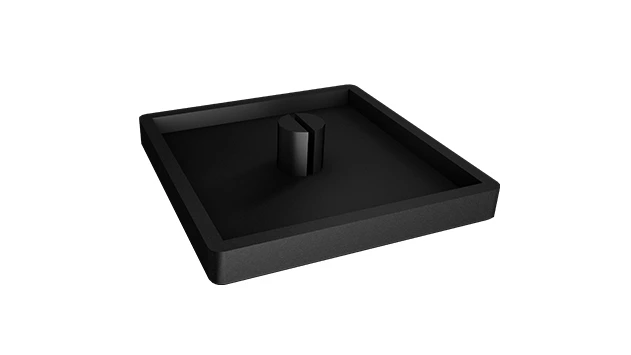
If you've ever worked with aluminum extrusion profiles, you know the devil's in the details. Those sleek, modular frames that power everything from factory workbenches to retail displays rely on more than just the profiles themselves—they depend on the little components that hold them together and finish them off. One such unsung hero? The aluminum profile end cap. Specifically, today we're diving into the 4040 aluminum profile end cap: a small but critical piece of the puzzle that often gets overlooked until it's time to assemble (or repair) a structure. But here's the thing: not all end caps are created equal, and using the wrong one can turn a smooth project into a frustrating headache. So, let's unpack everything you need to know about 4040 aluminum profile end cap compatibility—what they are, which profiles they fit, and why getting this right matters more than you might think.
What Are 4040 Aluminum Profile End Caps, Anyway?
First, let's start with the basics. Aluminum profile end caps are exactly what they sound like: small covers designed to fit snugly over the open ends of aluminum extrusion profiles. Think of them as the "caps" on a marker—they seal off the hollow interior, protect the edges, and give the finished structure a clean, professional look. But their role goes beyond aesthetics. Ever run your hand along an unfinished aluminum profile? Those raw, cut edges can be sharp enough to snag fabric or even skin. End caps eliminate that risk, making workspaces safer for anyone nearby. They also block dust, debris, and moisture from getting inside the profile, which can corrode internal components or gunk up T-slots over time. For anyone building with aluminum extrusion profiles, end caps are non-negotiable for both safety and longevity.
Now, the "4040" in 4040 aluminum profile end cap refers to the size of the profile it's designed for. In the world of aluminum extrusion, profile sizes are typically denoted by their cross-sectional dimensions in millimeters. So a 4040 profile measures 40mm by 40mm—square, with (usually) T-slots running along its length for attaching brackets, panels, or other accessories. The end cap, then, is engineered to match the internal and external dimensions of this specific profile. But here's where it gets tricky: not all 40mm x 40mm profiles are identical, and not all 4040 end caps will fit every 4040 profile. That's where compatibility comes into play.
Quick Tip:
4040 aluminum profile end caps are part of a broader category of "aluminum profile accessories"—the nuts, bolts, brackets, and fasteners that make aluminum extrusion systems so versatile. Without the right accessories, even the sturdiest profiles can underperform.
Understanding 4040 Aluminum Profiles: More Than Just 40x40mm
To grasp end cap compatibility, we first need to understand the 4040 aluminum profiles themselves. When we say "4040," we're referring to the nominal width and height, but that's just the starting point. Aluminum extrusion profiles come in a variety of designs, even within the 4040 category, and these differences directly impact which end caps will work. Let's break down the key variations:
1. Standard vs. Custom Profiles
Most 4040 profiles fall under either "standard" or "custom" designs. Standard profiles adhere to industry norms, like EU standard or national standard specifications (you might see terms like "4040A EU Standard Aluminum Profile" or "3030 National Standard Profile" in supplier catalogs). These are mass-produced, widely available, and designed to work with a range of off-the-shelf accessories—including end caps. Custom profiles, on the other hand, are made to order for specific projects, with unique T-slot configurations, wall thicknesses, or edge treatments. While custom profiles offer flexibility, they often require custom end caps, which can be harder to source and more expensive.
2. T-Slot Configuration
T-slots are the grooves running along the length of aluminum profiles that allow you to slide in bolts, nuts, or brackets. For 4040 profiles, T-slot designs can vary in several ways: number of slots (4 slots, 2 slots, or even 1 slot for specialized profiles), slot width (common sizes include 6mm, 8mm, or 10mm), and slot depth. For example, a 4040A EU Standard Aluminum Profile might have four 8mm T-slots (one on each face), while a 4040B could have narrower slots or different spacing. These variations affect the internal geometry of the profile, which in turn affects how an end cap fits. An end cap designed for a profile with deep, wide T-slots might not seat properly on one with shallow, narrow slots, even if both are 40x40mm.
3. Wall Thickness
Another variable is wall thickness. Some 4040 profiles are lightweight, with thin walls (1.2mm or 1.5mm) for applications where weight matters, like temporary displays. Others are heavy-duty, with walls up to 3mm thick for load-bearing structures like machine frames. Thicker walls reduce the internal space of the profile, which can change how an end cap sits. A "universal" end cap might fit a thin-walled profile loosely but get stuck on a thick-walled one, or vice versa.
4. Edge Treatments
Finally, some profiles have specialized edge treatments, like rounded corners or beveled edges, for aesthetic or functional reasons. These can affect how the end cap aligns with the profile's exterior. A sharp, square-cornered end cap might not wrap smoothly around a profile with rounded edges, leaving gaps or causing the cap to pop off.

Key Factors That Determine End Cap Compatibility
Now that we know 4040 profiles aren't one-size-fits-all, let's zero in on the factors that make an end cap compatible with a specific profile. Think of it as a puzzle: the end cap and profile need to match in several ways to form a tight, secure fit. Here are the critical checkpoints:
1. Internal Profile Dimensions
The most obvious factor is the internal width and height of the profile. Even though the external dimensions are 40mm x 40mm, the internal space depends on wall thickness. For example, a 4040 profile with 2mm walls will have an internal dimension of 36mm x 36mm (40mm - 2x2mm). An end cap designed for this profile will have a slightly smaller external size (maybe 35.5mm x 35.5mm) to create a friction fit. If you try to use this end cap on a profile with 1.5mm walls (internal dimension 37mm x 37mm), it will be too small and fall out. Conversely, an end cap for a 1.5mm wall profile (37mm internal) will be too big for the 2mm wall profile and won't seat properly.
2. End Cap Design: Snap-On vs. Press-Fit vs. Adhesive
End caps come in different styles, and each relies on a specific mechanism to stay in place. Snap-on end caps have flexible tabs or lips that bend slightly when inserted, then snap into the profile's T-slots or internal grooves to lock in place. Press-fit end caps rely on tight friction—they're slightly larger than the profile's internal dimensions, so you have to push (or tap) them in, and the pressure keeps them secure. Adhesive-backed end caps have a sticky layer that bonds to the profile's end. Snap-on and press-fit designs are the most common, but they're also the most dependent on precise dimensions. A snap-on end cap designed for a profile with 8mm T-slots won't lock in if the profile has 6mm slots; the tabs won't catch, and the cap will slide out.
3. T-Slot Alignment
For snap-on end caps, T-slot alignment is crucial. Many end caps have small protrusions or notches that fit into the T-slots of the profile, preventing rotation or lateral movement. If the end cap's notches are spaced for a profile with T-slots every 40mm (on-center), but the profile has slots every 35mm, the notches won't line up, and the cap will be loose. This is especially common with EU standard vs. national standard profiles, which sometimes have different T-slot spacing.
4. Material Flexibility
End caps are typically made from plastic (PVC, polypropylene) or rubber, and the material's flexibility plays a role in compatibility. Softer materials (like rubber) can stretch slightly to fit profiles with minor dimension variations, while rigid plastics (like hard PVC) have less give. If you're working with a profile that's on the edge of an end cap's size range, a rubber end cap might adapt better than a plastic one—but it might also wear out faster under stress.

Which Profiles Does the 4040 Aluminum Profile End Cap Actually Fit?
Okay, let's get to the heart of the matter: which 4040 profiles are compatible with 4040 end caps? The short answer is: most standard 40mm x 40mm aluminum extrusion profiles, but with caveats. To make this concrete, let's break it down by profile type, using common industry standards as examples.
EU Standard 4040 Profiles: The Most Common Fit
EU standard aluminum extrusion profiles (sometimes called "metric" or "DIN" profiles) are widely used in Europe, Asia, and increasingly globally. Within this category, 4040 profiles are some of the most popular, with designations like 4040A, 4040B, 4040C, and so on. These profiles are standardized for T-slot size, wall thickness, and overall dimensions, which means 4040 end caps designed for EU standards will generally fit across most EU 4040 sub-types. For example:
- 4040A EU Standard Aluminum Profile: Typically has four 8mm T-slots (one per face), 2mm wall thickness, and square corners. A standard 4040 EU end cap will snap or press into place here, with tabs that fit the 8mm slots.
- 4040B EU Standard Aluminum Profile: Similar to 4040A but with slightly different T-slot spacing or wall thickness (often 1.5mm for lighter applications). Most EU 4040 end caps are designed to accommodate minor variations like this, so they'll still fit, though press-fit caps might feel looser on thinner walls.
- 4040R EU Standard Aluminum Profile: "R" stands for "rounded," meaning it has rounded corners instead of square ones. Some 4040 end caps have rounded edges to match, so if you're using a 4040R profile, look for end caps labeled "rounded" or "for R-series profiles."
The key takeaway: If your profile is labeled as an EU standard 4040 (e.g., 4040A, 4040B, 4040C), a standard 4040 EU end cap will almost always work. These are the most widely available end caps, so you'll have no trouble finding them from aluminum profile suppliers.
National Standard 4040 Profiles: Proceed With Caution
In some regions, like China, there are "national standard" aluminum profiles that differ slightly from EU standards. These might still be labeled as 4040, but their internal dimensions, T-slot sizes, or wall thicknesses can vary. For example, a national standard 4040 profile might have 6mm T-slots instead of 8mm, or a wall thickness of 1.8mm (instead of 2mm). In these cases, an EU standard 4040 end cap might not fit. The T-slot tabs might be too wide for 6mm slots, or the press-fit might be too loose/tight due to different internal dimensions. If you're working with national standard profiles, check the manufacturer's specs for end caps, or ask your supplier to confirm compatibility.
Custom or Non-Standard 4040 Profiles: When to Go Custom
If you're using a custom 4040 profile—say, one with extra-thick walls, unique T-slots, or specialized edge treatments—you might need a custom end cap. For example, a profile designed for heavy machinery might have 3mm walls (internal dimension 34mm x 34mm), which is smaller than standard. A standard end cap would be too big, so you'd need one with a 33.5mm x 33.5mm external size. Custom end caps can be made by the same manufacturer that supplied the profile, or by third-party aluminum profile accessories specialists. They'll cost more than off-the-shelf options, but they're worth it to ensure a perfect fit.
Pro Move:
Always check the profile's technical drawing before buying end caps. Look for "internal width" and "internal height" measurements—these are the numbers that matter, not just the external 40x40mm label. If you don't have the drawing, measure the inside of the profile with calipers (to the nearest 0.1mm) and compare it to the end cap's external dimensions.
The Compatibility Chart: A Quick Reference
To make this even clearer, here's a compatibility table for common 4040 profiles and end caps. Note that dimensions are approximate—always verify with your specific profile and end cap manufacturer.
| Profile Type | External Dimensions | Internal Dimensions (Typical) | T-Slot Size | Compatible End Cap Type | Fit Mechanism |
|---|---|---|---|---|---|
| 4040A EU Standard Aluminum Profile | 40mm x 40mm | 36mm x 36mm (2mm walls) | 8mm | Standard EU 4040 End Cap | Snap-on (T-slot tabs) or Press-fit |
| 4040B EU Standard Aluminum Profile | 40mm x 40mm | 37mm x 37mm (1.5mm walls) | 8mm | Standard EU 4040 End Cap | Press-fit (may require slight tapping) |
| 4040R EU Standard Aluminum Profile (Rounded Corners) | 40mm x 40mm | 36mm x 36mm (2mm walls) | 8mm | EU 4040 Rounded End Cap | Snap-on (rounded edges) |
| National Standard 4040 Profile (China) | 40mm x 40mm | 36.4mm x 36.4mm (1.8mm walls) | 6mm | National Standard 4040 End Cap | Snap-on (6mm T-slot tabs) |
| Custom Heavy-Duty 4040 Profile (3mm walls) | 40mm x 40mm | 34mm x 34mm (3mm walls) | 10mm | Custom 4040 End Cap (34mm internal) | Press-fit (rigid plastic) |
Common Misconceptions About 4040 End Cap Compatibility
Even with all this info, there are a few myths floating around about 4040 end caps that can trip people up. Let's debunk them:
Myth #1: "All 4040 end caps are interchangeable."
False. As we've seen, EU vs. national standards, wall thickness, and T-slot size all affect fit. A 4040 end cap for a lightweight display profile won't work on a heavy-duty machine frame profile, even if both are 40x40mm.
Myth #2: "If it's plastic, it'll stretch to fit."
Partially true, but risky. Soft plastic end caps can stretch a little, but over time, the material will fatigue and lose its grip. A cap that's 1mm too small might stay in place initially, but after temperature changes or vibrations, it could pop off. Better to get the right size from the start.
Myth #3: "Adhesive end caps fix all compatibility issues."
Adhesive end caps can work for temporary fixes, but they're not a long-term solution. The adhesive can degrade with heat, moisture, or UV exposure, and removing a stuck-on cap (to access the profile's interior) is messy and can damage the profile's end.
Myth #4: "You don't need end caps if the profile is indoors."
Indoor or outdoor, end caps matter. Even in a clean office, dust and debris will collect in open profile ends, and sharp edges are still a hazard. Plus, unfinished ends look unprofessional—if you're building something that people will see (like a retail display), end caps are a must for polish.
How to Ensure Compatibility: A Step-by-Step Guide
So, you're ready to buy end caps for your 4040 profiles—how do you make sure you get the right ones? Follow this simple process:
Step 1: Identify Your Profile's Specifications
Dig up the technical data sheet for your aluminum extrusion profile. If you don't have it, contact the supplier—they should be able to provide it. Look for: external dimensions (should be 40x40mm), internal dimensions (width and height), T-slot size (6mm, 8mm, etc.), wall thickness, and standard type (EU, national, custom).
Step 2: Measure the Profile's Internal Dimensions
Don't just trust the data sheet—measure the inside of the profile with digital calipers for accuracy. Profiles can have slight variations from batch to batch, so a quick measurement ensures you're working with real-world numbers. Measure the width and height at the very end (to avoid any bends or warping along the length) and write them down.
Step 3: Check the End Cap's Dimensions
Most end cap manufacturers list external dimensions on their packaging or product pages. Compare these to your profile's internal dimensions. A good rule of thumb: the end cap should be 0.5mm to 1mm smaller than the profile's internal dimensions for a press-fit, or have tabs that align with the T-slot size for snap-on designs.
Step 4: Buy a Small Test Batch First
If you're buying in bulk, order a few end caps first to test. Slide one into the profile—does it fit snugly? Can you pull it out without too much effort (but not too easily)? If it falls out or requires a hammer to insert, it's not the right fit. Better to waste $5 on a test than $500 on incompatible caps.
Step 5: Ask the Supplier
When in doubt, ask! Reputable aluminum profile suppliers deal with end cap compatibility every day, and they'll know which end caps pair with their profiles. Mention your profile's make, model, and specs, and they'll point you to the right product. It's better to sound "new" than to waste time and money on the wrong parts.
Real-World Examples: When Compatibility Goes Right (and Wrong)
To drive this home, let's look at a couple of real-world scenarios where end cap compatibility made all the difference.
Case Study 1: The Factory Workbench Fiasco
A manufacturing plant in Ohio ordered 4040A EU Standard Aluminum Profiles to build new workbenches. The procurement team, trying to save money, bought generic "4040 end caps" from an online retailer instead of ordering from the profile supplier. When the workbenches were assembled, the end caps kept falling off—turns out, the generic caps were designed for national standard profiles with 6mm T-slots, while the 4040A profiles had 8mm slots. The tabs on the end caps were too narrow to catch, so they slid right out. The plant had to halt production, order new end caps from the original supplier, and re-assemble the benches—costing them time and money. Lesson: Don't skimp on end caps; buy from the same supplier as your profiles when possible.
Case Study 2: The Custom Retail Display Win
A retail store wanted a custom display rack using 4040 profiles with rounded corners (4040R EU Standard). The designer specified standard square-cornered end caps, not realizing the profile had rounded edges. When the first prototype was built, the end caps left gaps at the corners, making the display look unpolished. The solution? Switching to rounded 4040R end caps, which wrapped smoothly around the profile's edges. The finished display looked professional, and the end caps stayed in place even with customers bumping into it. Lesson: Details like edge treatments matter—match the end cap's design to the profile's.
Final Thoughts: Why Compatibility Matters (Even for Small Parts)
At the end of the day, 4040 aluminum profile end caps might seem like small potatoes compared to the big, sturdy profiles they protect. But as we've seen, they play a critical role in safety, durability, and aesthetics. Using the right end cap ensures your aluminum extrusion project is secure, professional-looking, and built to last. And while compatibility might feel like a hassle upfront, it's nothing compared to the frustration of dealing with loose, broken, or ill-fitting caps down the line.
So, the next time you're ordering aluminum extrusion profiles, take a minute to think about the end caps. Check the specs, measure twice, test a sample, and don't hesitate to ask for help. Your future self (and your project) will thank you.
And remember: in the world of aluminum extrusion profiles, the little things—like a well-fitting end cap—are what turn a good build into a great one.