- Company Articles
- Products and Technology
- Product knowledge
- 4040 Aluminum Profile End Cap Corrosion Resistance: Marine-Grade vs. Standard Alloys

4040 Aluminum Profile End Cap Corrosion Resistance: Marine-Grade vs. Standard Alloys
Related Product
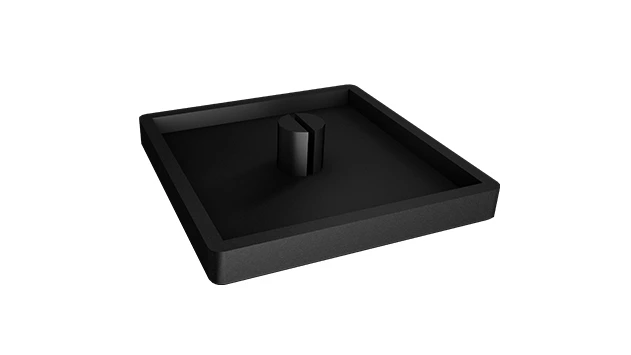
4040 Aluminum Profile End Cap
The aluminum profile end cap adds a finishing touch to your project and closes off profile ends to limit dust and debris buildup, also it can avaid some scratch for material and labor during the assemble work.
When was the last time you stopped to think about the small parts that keep your workspace running smoothly? We often marvel at the big machines, the high-tech equipment, and the sleek production lines—but what about the unsung heroes holding it all together? Today, let's zoom in on one such hero: the 4040 aluminum profile end cap. It might seem like just a tiny piece of plastic or metal, but in the right (or wrong) environment, it can make or break the lifespan of your aluminum extrusion profile systems. And when it comes to durability, nothing matters more than corrosion resistance. That's why we're diving deep into the showdown between marine-grade and standard alloys for these humble end caps. Whether you're running a coastal factory, a humid warehouse, or a cleanroom, understanding this difference could save you time, money, and a whole lot of frustration down the line.
First Things First: What Are 4040 Aluminum Profiles and End Caps, Anyway?
Let's start with the basics. If you've ever walked through a manufacturing plant, a workshop, or even a modern office, you've probably seen aluminum extrusion profiles in action. They're those modular, T-slot aluminum pipes that form workbenches, material racks, conveyor frames, and machine guards. The "4040" in 4040 aluminum profile refers to its dimensions: 40mm by 40mm, a popular size for balancing strength and versatility. These profiles are loved for their lightweight nature, easy customization, and ability to be assembled into almost any structure you can imagine—all thanks to aluminum profile accessories like connectors, brackets, and yes, end caps.
Now, the end cap. Picture this: the open end of an aluminum profile. Without a cap, that end is exposed to dust, moisture, and debris. Over time, those tiny invaders can seep into the profile, corroding the interior, weakening the structure, or even jamming up moving parts like sliding shelves or conveyor tracks. End caps seal off those ends, keeping the profile clean and structurally sound. They also add a finished look—no more sharp edges or rough openings. But not all end caps are created equal. The alloy they're made from (or coated with) determines how well they stand up to corrosion, especially in tough environments.
The Hidden Enemy: Why Corrosion Matters for End Caps
Corrosion isn't just about rust spots or a little discoloration. It's a slow, silent breakdown of materials that can turn a sturdy workbench into a wobbly hazard or a reliable conveyor system into a maintenance nightmare. For 4040 aluminum profile end caps, corrosion typically starts when moisture, salt, chemicals, or even air pollutants react with the metal (or its coating). Over time, this reaction eats away at the end cap, causing it to crack, loosen, or lose its seal. Once that seal is gone, the aluminum extrusion profile itself becomes vulnerable—water gets inside, dust builds up, and suddenly you're looking at costly repairs or replacements.
Think about a typical factory near the coast. The air is thick with salt spray, which is like kryptonite for many metals. A standard end cap might hold up for a few months, but eventually, the salt will start to corrode its surface. You'll notice white, powdery spots (aluminum oxide) or even pitting. Before long, the cap won't fit snugly anymore, and the profile's integrity is at risk. Or consider a food processing plant, where daily washdowns with caustic detergents are the norm. Those chemicals can strip away standard coatings, leaving the end cap defenseless against rust and decay. In these cases, choosing the right alloy isn't just a "nice-to-have"—it's a necessity.

Marine-Grade Alloys: Built for the Toughest Battles
Marine-grade alloys are the heavyweights of the corrosion resistance world. Designed to thrive in harsh, high-moisture, or salt-rich environments (hence the "marine" name), these alloys are engineered with extra ingredients that make them tough as nails. Most marine-grade end caps are made from aluminum alloys like 5052 or 6061-T6, which pack higher levels of magnesium and chromium compared to standard alloys. Why does that matter? Magnesium the natural oxide layer that forms on aluminum, making it thicker and more resistant to penetration by salt or chemicals. Chromium, on the other hand, acts like a shield, slowing down the corrosion process even when the oxide layer is scratched or damaged.
But it's not just about the alloy itself—marine-grade end caps often come with additional protective coatings, like anodization. Anodizing is an electrochemical process that the oxide layer on the aluminum surface, giving it a glossy, durable finish that's even more resistant to wear and corrosion. Some marine-grade caps also use stainless steel components (hello, stainless steel pipe series vibes!) for added strength, though aluminum remains the star here for its lightweight properties.
So, where do marine-grade end caps shine? Anywhere the environment is hostile: coastal manufacturing facilities, shipyards, offshore oil rigs, wastewater treatment plants, or even outdoor storage areas exposed to rain and snow. They're also a smart choice for industries with strict hygiene standards, like pharmaceuticals or food processing, where frequent cleaning with harsh chemicals is a daily ritual. In these settings, a marine-grade end cap isn't just an upgrade—it's a long-term investment in avoiding downtime and replacement costs.

Standard Alloys: The Reliable Workhorses of Everyday Spaces
Now, let's talk about standard alloys. These are the end caps you'll find in most workshops, offices, and indoor manufacturing plants—places where the environment is relatively mild. Made from alloys like 6063 (a common choice for aluminum extrusion profiles), standard end caps are designed for cost-effectiveness and general-purpose durability. They have a basic oxide layer that protects against everyday dust and occasional moisture, but they lack the extra magnesium or chromium that makes marine-grade alloys so corrosion-resistant.
Don't get us wrong—standard alloys are far from "weak." In dry, indoor environments with low humidity and minimal exposure to chemicals, they'll last for years without a problem. Think about a tech startup's office with aluminum profile desks, or a small electronics assembly line in a climate-controlled warehouse. In these spaces, standard end caps do their job quietly: sealing profiles, reducing noise (no more rattling open ends!), and keeping things looking neat. They're also more budget-friendly, which makes them a go-to for projects where corrosion risk is low and cost is a priority.
The catch? Standard alloys struggle when the going gets tough. If you install them in a garage with high humidity, a workshop near the ocean, or a facility that uses water-based coolants, you'll likely start seeing signs of corrosion within 6–12 months. The end caps might develop a chalky white film, their edges might start to warp, or they might loosen from the profile entirely. Suddenly, that "budget-friendly" choice becomes a hassle when you're replacing end caps (and possibly damaged profiles) sooner than expected.
Marine-Grade vs. Standard Alloys: A Side-by-Side Breakdown
To really see the difference, let's put marine-grade and standard alloys head-to-head. The table below compares key features, so you can decide which is right for your space:
| Feature | Marine-Grade Alloys (e.g., 5052, 6061-T6) | Standard Alloys (e.g., 6063) |
|---|---|---|
| Corrosion Resistance | Excellent—resists salt spray, chemicals, and high moisture. Withstands 1,000+ hours in salt spray tests (ASTM B117 standard). | Fair—resists mild moisture and dust. Fails salt spray tests in 200–500 hours under harsh conditions. |
| Alloy Composition | Higher magnesium (2–3%) and chromium (0.1–0.3%) content for a stronger oxide layer. | Lower magnesium (0.4–0.9%) and no added chromium; basic oxide layer only. |
| Ideal Environments | Coastal areas, outdoor spaces, chemical plants, food processing, marine facilities. | Dry indoor spaces, climate-controlled warehouses, offices, low-humidity workshops. |
| Cost | 20–30% more expensive than standard alloys, but lower long-term replacement costs. | Budget-friendly upfront, but higher replacement costs in corrosive environments. |
| Lifespan (Average) | 5–10 years in harsh environments; 10+ years in mild environments. | 3–5 years in mild environments; 6–12 months in harsh environments. |
Beyond the Alloy: How End Cap Design Boosts Corrosion Resistance
Alloy type is critical, but it's not the only factor that affects an end cap's ability to resist corrosion. Design plays a big role too! Let's say you've chosen a marine-grade alloy—great choice. But if the end cap has gaps, poor fitting, or exposed seams, moisture and salt can still sneak in, bypassing the alloy's protective layer. That's why top manufacturers pay just as much attention to design as they do to materials.
Take the 4040 aluminum profile end cap, for example. A well-designed end cap will have a tight, friction-fit seal that hugs the profile's inner walls, leaving no room for water or debris. Some even come with a rubber O-ring or gasket around the edge, creating an extra barrier against moisture. Others have smooth, seamless surfaces that prevent dirt and salt from accumulating (no crevices for corrosion to start!). And let's not forget about drainage: in outdoor applications, some end caps are designed with tiny weep holes to let water escape, rather than pooling inside the profile.
Standard alloy end caps can also benefit from smart design—like a thicker wall or a powder-coated finish—to boost their resistance in slightly harsher (but not extreme) environments. For example, a standard end cap with a baked-on powder coat might last a year or two longer in a humid garage than an uncoated one. But even with these tweaks, they'll never match the corrosion resistance of a marine-grade alloy in truly tough conditions. Design enhances, but it can't replace, the power of the right alloy.
Real-World Stories: When Alloy Choice Made All the Difference
Sometimes, numbers and specs tell part of the story—but real-world examples bring it home. Let's look at two businesses that learned the hard way (and one that got it right from the start) about marine-grade vs. standard end caps.
Case Study 1: The Coastal Furniture Maker
A small furniture company in Charleston, South Carolina, used 4040 aluminum profiles to build workbenches for their woodworking shop. They opted for standard alloy end caps to save money. At first, everything was fine. But within 8 months, the workshop's proximity to the Atlantic Ocean started to take a toll. Salt spray from the air seeped into the end caps, causing them to corrode. The caps turned white and powdery, and some even cracked, leaving the profiles' ends exposed. Dust and wood shavings got inside the profiles, making the workbenches wobbly. Frustrated, the owner replaced the standard end caps with marine-grade ones—and hasn't had a problem since. "The extra cost hurt upfront," he said, "but now I'm not replacing end caps every year. It paid for itself in two years."
Case Study 2: The Indoor Electronics Plant
A mid-sized electronics manufacturer in Phoenix, Arizona, runs a climate-controlled assembly line with aluminum profile conveyor systems. They chose standard alloy end caps, and for good reason: Phoenix is dry, the plant is indoors, and the only moisture comes from occasional floor mopping. Five years later, the end caps still look brand new. No corrosion, no cracks, no looseness. "We never even think about them," the plant manager told us. "They do their job, and that's all we need." For this team, standard alloys were the perfect fit—no need to overspend on marine-grade when the environment is mild.
Case Study 3: The Wastewater Treatment Plant
A wastewater treatment facility in Florida handles—you guessed it—lots of water, chemicals, and humidity. When they built their new material storage racks using 4040 aluminum profiles, they didn't skimp on end caps: they went straight for marine-grade. Three years later, the racks are still in top shape. The end caps show no signs of corrosion, even with daily exposure to moisture and cleaning agents. "We knew the environment was tough, so we invested in marine-grade from day one," the facility engineer explained. "It was more expensive, but we've avoided countless hours of maintenance. Worth every penny."
Aluminum Profile Accessories: End Caps Are Just the Start
End caps are a star player, but they're part of a bigger team: aluminum profile accessories. Think about it: your 4040 aluminum extrusion profile system is only as strong as its weakest link. If you've got marine-grade end caps but cheap, corrodible connectors, or standard alloy brackets in a harsh environment, the whole system could still fail. That's why it's important to consider the entire ecosystem of accessories—end caps, connectors, casters, and gaskets—when building or upgrading your setup.
For example, if you're using marine-grade end caps on a workbench, pair them with marine-grade aluminum profile accessories like stainless steel connectors or corrosion-resistant casters. This way, every part of the system is built to resist the environment, not just one component. On the flip side, in a mild environment, standard alloy accessories (including end caps) will work just fine—no need to over-engineer.
And let's not forget about compatibility. A marine-grade end cap designed for a 4040 aluminum profile won't fit a 3030 profile, just like a standard alloy connector won't work with a T-slot aluminum pipe of the wrong size. Always check that your accessories match your profile's dimensions and alloy type—this ensures a tight fit, maximum protection, and a longer lifespan for the entire system.
So, Which One Should You Choose?
At the end of the day, the choice between marine-grade and standard alloys for your 4040 aluminum profile end caps comes down to one question: What's your environment like?
If you're in a harsh environment—coastal, high humidity, chemical exposure, or outdoor—go with marine-grade. Yes, it costs more upfront, but it will save you time, money, and headaches in the long run. Think of it as insurance for your aluminum extrusion profile system.
If you're in a mild, indoor, dry environment—standard alloys are the way to go. They're budget-friendly, reliable, and more than up to the task. Just avoid using them where corrosion risk is high—you'll regret it later.
And remember: end caps are small, but they're mighty. They protect your profiles, keep your systems running smoothly, and even affect the overall look of your space. So, whether you choose marine-grade or standard, make sure you're getting high-quality aluminum profile accessories from a reputable supplier. After all, the best alloy in the world won't matter if the end cap is poorly made or doesn't fit your profile correctly.
So, take a look around your workspace. Is it coastal? Humid? Full of chemicals? Or is it dry, indoor, and calm? Your answer will tell you everything you need to know about which end cap alloy is right for you. Here's to building systems that last—one small, corrosion-resistant end cap at a time.