- Company Articles
- Products and Technology
- Product knowledge
- 4040 Aluminum Profile End Cap Design Trends: Modern vs. Traditional Styles

4040 Aluminum Profile End Cap Design Trends: Modern vs. Traditional Styles
Related Product
4040 Aluminum Profile End Cap
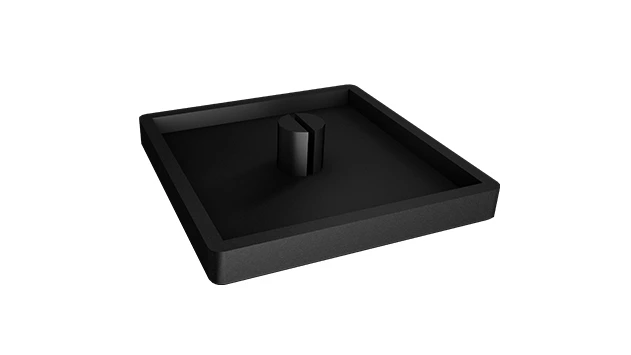
The aluminum profile end cap adds a finishing touch to your project and closes off profile ends to limit dust and debris buildup, also it can avaid some scratch for material and labor during the assemble work.
If you've ever walked through a manufacturing plant, visited a workshop, or even peeked inside a tech lab, you've probably encountered aluminum profiles. These versatile, lightweight structures are the unsung heroes of modern industrial design—supporting everything from workbenches and material racks to conveyor systems and machine frames. Among the most widely used is the 4040 aluminum extrusion profile, a staple in lean manufacturing, automation, and modular construction. But for all its strength and adaptability, there's a small component that often goes unnoticed yet plays a critical role: the end cap. Today, we're diving into the world of 4040 aluminum profile end caps, exploring how their designs have evolved, and pitting traditional styles against modern innovations to uncover which better meets the needs of today's industries.
At first glance, end caps might seem like an afterthought. After all, they're just the "caps" that seal the open ends of aluminum profiles, right? But dig deeper, and you'll realize they're so much more. End caps protect workers from sharp edges, prevent dust and debris from clogging T-slots, enhance the profile's aesthetics, and even extend its lifespan by shielding internal surfaces from corrosion. Over the years, as aluminum extrusion profiles have grown more integral to complex systems, end cap designs have evolved too—shifting from purely functional to a blend of form, function, and flexibility. Let's unpack this evolution by first understanding the roots of traditional end cap design, then exploring how modern styles are redefining what these small but mighty components can do.
Traditional 4040 Aluminum Profile End Caps: The Foundations of Functionality
Traditional end caps for 4040 aluminum profiles emerged from a simple need: to solve practical problems without unnecessary frills. In the early days of aluminum extrusion, when profiles were primarily used in heavy-duty, no-nonsense environments like warehouses and basic assembly lines, end caps were designed with one goal in mind: reliability. Let's break down their key characteristics, common designs, and why they've remained a staple for decades.
Design Philosophy: "Keep It Simple, Keep It Sturdy"
Traditional end caps are a product of their time—an era when manufacturing prioritized cost-effectiveness and durability over aesthetics. Think of them as the "workhorses" of aluminum profile accessories. Their designs are often straightforward, with minimal variation, and they're typically made from affordable materials like PVC (polyvinyl chloride) or nylon. These materials were chosen for their low cost, resistance to wear, and ease of mass production. For example, a standard traditional end cap might be a simple domed or flat plastic piece that snaps or presses into the open end of a 4040 profile, requiring no tools and taking seconds to install.
Common Traditional Designs and Their Use Cases
Let's take a closer look at the most prevalent traditional end cap styles you might still find in factories or workshops today:
- Flat Snap-Fit End Caps : These are the most basic type—thin, flat discs of plastic with small, flexible tabs around the edge. When pressed into the end of a 4040 profile, the tabs grip the inner walls of the T-slots, holding the cap in place. They're lightweight, cheap, and ideal for low-stress applications, like covering the ends of a simple material rack B (a 3-row, 3-floor rack often used for storing tools or small parts). You'll rarely see these in high-traffic areas, though—their thin design means they can crack if bumped or stepped on.
- Domed Press-Fit End Caps : Slightly more robust than flat caps, domed end caps have a curved, convex top that adds a bit of impact resistance. Instead of tabs, they rely on a tight friction fit: the cap's diameter is slightly larger than the profile's inner opening, so you "press" it in with a firm push (or a gentle tap with a rubber mallet). These are common in workbenches or turnover trolleys, where the rounded top reduces the risk of cuts from sharp profile edges. Nylon is a popular material here, as it's more flexible than PVC, making installation easier without sacrificing strength.
- Standard Color Options : Traditional end caps rarely strayed from neutral tones—think black, white, or gray. This wasn't a design choice; it was practical. Neutral colors hide dust and minor scratches, and they matched the most common aluminum extrusion profile finishes (natural silver or anodized black). A yellow or red end cap? Unheard of in traditional designs—color was seen as unnecessary, even distracting.
The Pros and Cons of Traditional Styles
Traditional end caps have stuck around for a reason—they work. But they're not without limitations. Let's weigh their strengths and weaknesses:
Pros
- Budget-Friendly : PVC and nylon are cheap to produce, so traditional end caps cost a fraction of modern alternatives. For large-scale projects—like outfitting an entire factory with material racks or workbenches—this can translate to significant cost savings.
- Easy to Install : Snap-fit or press-fit designs mean no tools, no training, and no downtime. A worker can cap an entire rack in minutes, which is a huge plus for fast-paced environments.
- Widely Available : Walk into any industrial supply store or check with a lean pipe supplier, and you'll find bins of traditional end caps. They're a commodity, so lead times are short, and replacements are easy to source.
Cons
- Limited Aesthetics : "Bland" is the word here. Traditional end caps do nothing to enhance a profile's look—they just cover the end. In modern workspaces, where design matters (think tech startups or customer-facing labs), this can feel outdated.
- Minimal Functionality : Beyond covering the end, traditional caps offer little else. They don't help with cable management, they can't be customized with logos, and they rarely integrate with other accessories like aluminum profile rubber strip (a flexible seal used to line T-slots for noise reduction or cable protection).
- Durability Gaps : While nylon holds up well, PVC can become brittle over time, especially in extreme temperatures. A traditional cap might crack after a year of heavy use, whereas a modern alternative could last twice as long.
Modern 4040 Aluminum Profile End Caps: Where Form Meets Function
Fast forward to today: aluminum extrusion profiles are no longer confined to grimy warehouses. They're in sleek office furniture, high-tech cleanrooms, medical devices, and even retail displays. As the environments where 4040 profiles are used have evolved, so have the end caps that finish them. Modern designs are a response to three key demands: better aesthetics, enhanced functionality, and greater customization. Let's explore how they're redefining the role of this humble component.
Design Philosophy: "More Than a Cap—A Design Element"
Modern end caps are designed with the idea that every part of a system should serve multiple purposes. A modern cap isn't just a cover—it's a way to elevate the profile's look, add useful features, and align with a brand's identity. Manufacturers now use advanced materials, precision engineering, and user-centered design to create caps that feel intentional, not afterthought. For example, you might find a modern end cap made from reinforced polycarbonate (for impact resistance) with a matte finish that matches the profile's anodization, or an aluminum cap that integrates a small cable pass-through for neatly routing wires.
Key Modern Designs and Innovations
Modern end caps come in a dizzying array of styles, but a few trends stand out as game-changers. Here are some of the most notable:
- Low-Profile and Minimalist Caps : In spaces where "less is more" reigns—like tech labs or modern offices—low-profile end caps are king. These sit flush with the profile's edge, creating a seamless, almost invisible finish. They're often made from aluminum (matching the profile itself) or high-grade ABS plastic with a texture that mimics metal. Imagine a 4040 aluminum extrusion profile forming the frame of a sleek workstation; a low-profile end cap ensures the focus stays on the workspace, not the hardware.
- Integrated Accessory Compatibility : Modern caps frequently work with other aluminum profile accessories to solve bigger problems. For example, some end caps have a built-in groove that accommodates an aluminum profile rubber strip, creating a tight seal that blocks dust and reduces noise. Others feature small T-slots of their own, allowing users to attach tiny labels, LED strips, or cable clips. This integration turns a simple cap into a hub for small-scale customization.
- Customization and Branding : Today's manufacturers know that branding matters, even in industrial settings. Modern end caps can be custom-colored to match a company's logo (think vibrant blues for a tech firm or earthy greens for a sustainable brand). Some suppliers even offer laser engraving, letting businesses add their logo or part numbers directly onto the cap. This might seem like a small detail, but in client presentations or trade shows, it makes a system feel polished and professional.
- Eco-Friendly and High-Durability Materials : Sustainability is no longer a buzzword—it's a requirement. Modern end caps often use recycled plastics or biodegradable polymers, and aluminum caps are fully recyclable. Additionally, materials like polyamide (a type of high-strength nylon) or reinforced fiberglass composites are replacing basic PVC, offering better resistance to chemicals, UV light, and impact. A modern cap in a busy automotive plant, for example, can withstand repeated bumps from forklifts without cracking.
The Pros and Cons of Modern Styles
Modern end caps offer exciting benefits, but they're not a one-size-fits-all solution. Let's balance the scales:
Pros
- Aesthetic Versatility : Whether you want a cap that blends in or stands out, modern designs deliver. From matte black to metallic silver, from flat to curved, they let you tailor the profile's look to its environment. This is a huge win for industries where design influences customer perception, like retail displays or medical equipment.
- Enhanced Functionality : Need to route cables through a profile? Modern caps with built-in channels can help. Want to reduce noise in a high-traffic area? Pair a cap with an aluminum profile rubber strip for a quieter, smoother system. These small additions add up to big improvements in usability.
- Long-Term Cost Savings : While modern caps cost more upfront, their durability often makes them cheaper in the long run. A $5 polyamide cap that lasts 5 years is a better investment than a $1 PVC cap that needs replacing every year.
Cons
- Higher Initial Cost : Custom colors, advanced materials, or integrated features can raise the price of a modern cap by 300-500% compared to a traditional one. For budget-strapped projects, this can be a dealbreaker.
- Longer Lead Times : Customized caps (like those with logos or unique colors) aren't sitting on a shelf—they need to be manufactured to order. This can delay projects if not planned for, especially when working with a lean pipe supplier that specializes in standard parts.
- More Complex Installation : Some modern caps require tools (like hex keys) or specific alignment, which can slow down installation. While not a huge issue for trained teams, it adds a layer of complexity missing from traditional snap-fit designs.

Traditional vs. Modern: A Side-by-Side Comparison
To help you decide which style is right for your project, let's put traditional and modern 4040 aluminum profile end caps head-to-head. The table below breaks down their key differences across critical factors like materials, cost, and functionality:
| Feature | Traditional End Caps | Modern End Caps |
|---|---|---|
| Primary Materials | PVC, basic nylon | Reinforced polyamide, aluminum, recycled plastics, composites |
| Design Focus | Functionality only; minimal aesthetic consideration | Blend of aesthetics, functionality, and customization |
| Installation Method | Snap-fit or press-fit (no tools required) | Press-fit, screw-on, or tool-assisted (may require hex keys) |
| Color Options | Limited (black, white, gray) | Customizable (brand colors, metallic finishes, color-matched to profiles) |
| Functional Add-Ons | None; purely protective | Cable channels, T-slot compatibility, logo engraving, rubber strip integration |
| Cost (Per Unit) | $0.50–$1.50 | $2.00–$10.00 (higher for custom designs) |
| Expected Lifespan | 1–3 years (PVC); 3–5 years (nylon) | 5–10 years (polyamide); 10+ years (aluminum) |
| Sustainability | Low (non-recyclable PVC, limited eco-materials) | High (recycled materials, recyclable aluminum, biodegradable options) |

Emerging Trends Shaping the Future of End Cap Design
The line between traditional and modern is blurring as new technologies and customer demands push end cap design forward. Here are a few trends to watch in the coming years:
1. Modular End Caps for Adaptive Systems
Industries like automotive and electronics are moving toward "adaptive" manufacturing—systems that can reconfigure quickly for new products. Modular end caps are emerging to support this: think caps with removable inserts that can be swapped out to add features (like a cable clip or label holder) without replacing the entire cap. For example, a 4040 profile used in a smartphone assembly line might start with a basic modern cap, then have an insert added later to route USB cables as the line upgrades.
2. Smart Integration with IoT
While still in early stages, some manufacturers are experimenting with end caps that include tiny sensors (for temperature, vibration, or humidity) or RFID tags for asset tracking. Imagine a material rack B in a warehouse where each end cap has an RFID chip, letting managers track inventory levels automatically. This transforms end caps from passive components into active parts of a smart factory ecosystem.
3. Biodegradable and Plant-Based Materials
As sustainability regulations tighten, suppliers are exploring end caps made from plant-based plastics (like PLA derived from cornstarch) or mushroom mycelium composites. These materials decompose naturally at the end of their lifespan, reducing landfill waste. While still pricier than traditional options, their popularity is growing among eco-conscious brands.
4. Ergonomic and Safety-First Designs
Modern workplaces are prioritizing worker safety, and end caps are getting in on the action. New designs include soft, rubberized edges (integrated with aluminum profile rubber strip) to reduce injury risk, or anti-slip textures for profiles used as handrails. Some caps even have built-in LED indicators (powered by small batteries) to signal when a machine is running or a rack is overloaded.
Choosing the Right End Cap: It's About Your Needs
At the end of the day, there's no "better" style—only the one that fits your project's goals, budget, and environment. Traditional 4040 aluminum profile end caps still shine in cost-sensitive, high-volume applications where function is all that matters. They're reliable, cheap, and easy to replace—perfect for a basic material rack in a warehouse or a temporary assembly line.
Modern end caps, on the other hand, are a investment in your system's look, longevity, and functionality. They're ideal for customer-facing spaces, complex systems (like cleanrooms or automated workbenches), or projects where branding and sustainability matter. If you're building a workstation that will be on display at a trade show, or a medical cart that needs to meet strict hygiene standards, a modern cap with integrated features (like a rubber strip seal) is worth the extra cost.
As aluminum extrusion profiles continue to evolve, so will the end caps that finish them. Whether you stick with the tried-and-true or embrace the latest innovations, the key is to see end caps not as an afterthought, but as a critical part of your system's success. After all, even the smallest components can make a big difference in how your workspace looks, works, and lasts.