- Company Articles
- Products and Technology
- Product knowledge
- 4040 Aluminum Profile End Cap Dimensions: Standard vs. Custom Sizes

4040 Aluminum Profile End Cap Dimensions: Standard vs. Custom Sizes
Related Product
4040 Aluminum Profile End Cap
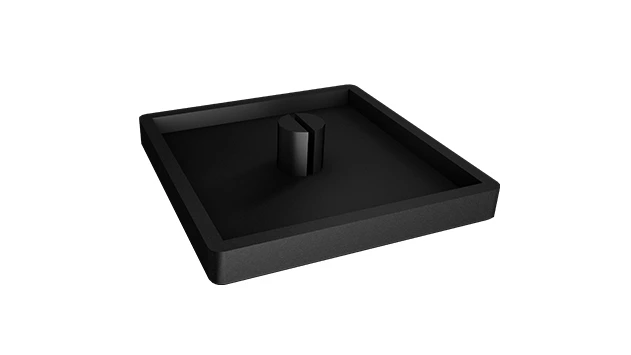
The aluminum profile end cap adds a finishing touch to your project and closes off profile ends to limit dust and debris buildup, also it can avaid some scratch for material and labor during the assemble work.
Walk into any modern workshop, manufacturing plant, or even a sleek retail display, and you'll likely spot the unsung heroes of industrial design: aluminum profiles. These versatile, lightweight structures form the backbone of everything from workbenches and material racks to conveyor systems and lean manufacturing setups. But for all their strength and adaptability, aluminum profiles—especially the popular 4040 series—rely on small but critical components to truly shine: end caps. These unassuming accessories might seem trivial, but they're the finishing touch that elevates safety, durability, and aesthetics. Today, we're diving deep into 4040 aluminum profile end cap dimensions, breaking down the differences between standard and custom sizes, and helping you decide which is right for your project.
Aluminum Profiles and the Role of End Caps: A Quick Primer
First, let's get familiar with the star of the show: the 4040 aluminum extrusion profile. The "4040" designation refers to its cross-sectional dimensions—40mm by 40mm—making it a workhorse in industrial and commercial applications. Its T-slot design allows for easy attachment of accessories like brackets, panels, and shelves, making it a favorite for lean system suppliers and DIY enthusiasts alike. Whether you're building a sturdy workbench for a garage or a modular production line in a factory, 4040 profiles offer the flexibility to adapt to almost any need.
Now, enter end caps. Imagine assembling a beautiful aluminum workbench, carefully aligning each profile and tightening every joint—only to leave the raw, cut ends of the 4040 profiles exposed. Not only would it look unfinished, but those sharp edges could pose a safety hazard (think: scraped hands or snagged clothing). End caps solve this problem by fitting snugly over the open ends of the profiles, providing a smooth, protected finish. They also seal out dust, debris, and moisture, preventing corrosion and extending the life of your setup. In short, end caps are the difference between a "good enough" project and a professional, polished one.
Standard 4040 Aluminum Profile End Cap Dimensions: What's "Normal"?
When it comes to end caps, "standard" is a term that's shaped by decades of industry practice, common profile designs, and the need for mass-produced, cost-effective solutions. Standard end caps are designed to fit the most widely used 4040 aluminum extrusion profiles, which typically have consistent slot sizes, wall thicknesses, and outer dimensions. Let's break down the key aspects of standard end cap dimensions, materials, and use cases.
Key Dimensions of Standard End Caps
Standard 4040 end caps are usually defined by two main measurements: their outer diameter (or, more accurately, their outer dimensions, since 4040 profiles are square) and their insertion depth. Most standard end caps are designed to fit snugly into the 40mm x 40mm opening of the profile, with a slight compression fit to ensure they stay in place without adhesives (though some may include small tabs or friction grips for added security).
Insertion depth—the length of the end cap that slides into the profile—typically ranges from 10mm to 20mm. A 10mm depth is common for lightweight or decorative applications, while 15-20mm depths offer more stability, making them ideal for high-traffic areas or setups where the end caps might be bumped or jostled (like material racks in a busy warehouse). The outer face of the end cap is usually flat or slightly domed, with a thickness of 2-3mm to provide impact resistance.
Material-wise, standard end caps are most often made from durable plastics like polypropylene (PP) or polyethylene (PE). These materials are lightweight, resistant to chemicals and UV rays, and come in neutral colors like black, white, or gray—perfect for blending in with most industrial setups. Some manufacturers also offer aluminum end caps for a more premium, metal-on-metal look, though these are less common in standard lines due to higher costs.
Industry Standards and Compatibility
One of the biggest advantages of standard end caps is their universal compatibility. Most 4040 aluminum extrusion profiles adhere to international standards (like DIN 6060 or ISO 9001), ensuring that end caps from one supplier will fit profiles from another. For example, a standard 4040 end cap from Supplier A should slide right into a 4040 profile from Supplier B, as long as both follow the same dimensional guidelines.
To illustrate, let's look at a common standard: the "4040 aluminum profile end cap" from a typical lean system supplier. This end cap might measure 40mm x 40mm in outer dimensions (to match the profile), with a 15mm insertion depth and a 2.5mm thick outer face. It's made of black PP plastic, has a smooth, matte finish, and features small internal ribs that grip the inner walls of the profile. This design is so standardized that you can order it in bulk from aluminum profile accessories catalogs without worrying about fit issues.
| Standard End Cap Type | Outer Dimensions (mm) | Insertion Depth (mm) | Material | Best For |
|---|---|---|---|---|
| Basic Plastic End Cap | 40x40 | 10-15 | Polypropylene (PP) | General-purpose use, workbenches, shelving |
| Heavy-Duty Plastic End Cap | 40x40 | 15-20 | High-Density Polyethylene (HDPE) | High-traffic areas, material racks, conveyor systems |
| Aluminum Decorative End Cap | 40x40 | 12-18 | Anodized Aluminum | Premium aesthetics, retail displays, office furniture |
| ESD-Safe End Cap | 40x40 | 10-15 | Conductive Plastic | Electronics manufacturing, cleanrooms |
The table above highlights some of the most common standard end caps on the market. Notice how the dimensions stay consistent (40x40mm outer size) while other features—like material and insertion depth—vary to suit different needs. For example, ESD-safe end caps are a must in electronics production, where static electricity can damage sensitive components, while heavy-duty HDPE caps are better for warehouses where durability is key.
Pros and Cons of Standard End Caps
Standard end caps offer a host of benefits, starting with cost. Since they're mass-produced, suppliers can keep prices low, making them ideal for projects on a budget or large-scale builds (like equipping an entire factory with workbenches). They're also readily available—most aluminum profile accessories suppliers stock them, so you can get them with minimal lead time (often same-day or next-day shipping for in-stock items).
However, standard end caps aren't perfect. Their one-size-fits-all design means they might not work for non-standard 4040 profiles. For example, if your project uses a 4040 profile with an extra-thick wall or a modified T-slot design, a standard end cap might not fit snugly. They also limit customization—if you want a specific color, logo, or shape, standard options are usually limited to basic blacks, whites, and grays.

Custom 4040 Aluminum Profile End Caps: When "Standard" Isn't Enough
While standard end caps work for most projects, there are times when you need something tailored to your unique needs. Maybe you're designing a custom medical cart with strict hygiene requirements, or a retail display that needs to match your brand's signature color. In these cases, custom end caps are the way to go. Custom end caps are designed from scratch (or modified from standard designs) to fit specific dimensions, materials, or aesthetic preferences. Let's explore when to consider custom sizes, how they're made, and what to expect from the process.
Why Go Custom? Common Scenarios
Custom end caps aren't just for "fancy" projects—they often solve practical problems that standard caps can't. Here are a few scenarios where custom dimensions make sense:
- Non-standard 4040 profiles: Some manufacturers produce 4040 profiles with unique modifications, like thicker walls, rounded edges, or non-square cross-sections. A standard end cap won't fit these, so you'll need a custom design that matches the profile's exact dimensions.
- Safety-critical applications: In environments like hospitals or schools, even small hazards (like a slightly protruding end cap) can be dangerous. Custom end caps can be designed with extra-deep insertion depths or soft, rubberized edges to minimize risk.
- Branding and aesthetics: Retail displays, trade show booths, or office furniture often require a cohesive look. Custom end caps can be colored to match brand palettes, embossed with logos, or shaped to reflect a company's design language (e.g., curved edges for a modern vibe).
- Specialized environments: Extreme temperatures (like freezers or industrial ovens), chemical exposure, or sterile conditions (like labs) demand end caps made from specialized materials (e.g., heat-resistant silicone or food-grade plastics). Standard caps rarely come in these materials, so custom is the only option.
The Custom End Cap Design Process
Ordering custom end caps isn't as simple as picking a size from a catalog—it involves collaboration between you and your supplier. Here's a typical workflow:
- Define your requirements: Start by outlining what you need. What are the exact dimensions of your 4040 profile? (Measure the inner and outer diameter, wall thickness, and any unique features like notches or slots.) What material should the end cap be made of? Do you need it to be conductive, heat-resistant, or food-safe? What's your budget and timeline?
- Work with a supplier: Lean system suppliers or aluminum profile accessories specialists with customization capabilities are your best bet here. Share your requirements, and ask for a design proposal. Many suppliers offer 3D modeling services, so you can see a digital mockup before production.
- Prototype and testing: Once the design is finalized, the supplier will create a prototype. Test it thoroughly—check the fit, durability, and any special features (like logo embossing). This step is crucial to catch issues early.
- Production: After approving the prototype, the supplier will mass-produce the end caps. Lead times for custom orders vary but typically range from 2-6 weeks, depending on complexity and volume.
One example of a custom end cap in action comes from a client in the automotive industry. They needed end caps for 4040 profiles used in assembly line workbenches, but their profiles had an extra-wide T-slot for attaching heavy tools. Standard end caps kept slipping out, so we designed a custom cap with extended tabs that locked into the T-slot, preventing movement. The result? A safer, more durable workbench that reduced downtime from loose end caps.
Custom Dimensions: Beyond "One Size Fits All"
Custom end caps can be tweaked in almost every dimension, from insertion depth to outer shape. For example, if you need an end cap to fit a 4040 profile with a 5mm wall thickness (instead of the standard 2-3mm), a custom cap would have a smaller inner diameter to account for the thicker walls. Or, if you want the end cap to protrude slightly from the profile (for a decorative "lip" effect), you could increase the outer face thickness to 5mm instead of the standard 2-3mm.
Material customization is another area where custom caps shine. While standard caps are usually plastic or aluminum, custom options include silicone (for flexibility), rubber (for grip), or even composite materials (for strength and lightweight). For example, a client building outdoor kiosks needed end caps that could withstand rain, UV rays, and temperature swings—we recommended a custom UV-resistant polycarbonate cap that outlasted standard plastic options by years.
Pros and Cons of Custom End Caps
The biggest advantage of custom end caps is precision—they're made to fit your project like a glove, solving unique problems and enhancing functionality. They also let you align your setup with branding or safety standards, which can be a game-changer in customer-facing or regulated industries. However, custom caps come with trade-offs: they're more expensive (due to design, prototyping, and small-batch production costs) and take longer to deliver. They're also not ideal for small projects—most suppliers require minimum order quantities (MOQs) for custom orders, so if you only need a handful of caps, the cost per unit might be prohibitive.

Standard vs. Custom: How to Choose?
Now that we've covered both options, how do you decide between standard and custom 4040 aluminum profile end caps? It boils down to four key factors: your project's requirements, budget, timeline, and volume. Let's break down each factor to help you make an informed choice.
Project Requirements: Does "Good Enough" Work?
Start by asking: What does my project really need? If you're using a standard 4040 aluminum extrusion profile (no modifications) and just need basic protection and aesthetics, standard end caps are the way to go. They're affordable, easy to find, and will get the job done. But if your project has unique needs—like non-standard profiles, specialized materials, or branding—custom is worth the investment.
For example, a home DIYer building a garage workbench with off-the-shelf 4040 profiles can save money with standard black plastic end caps. On the other hand, a medical device manufacturer using custom 4040 profiles with rounded edges (for patient safety) will need custom end caps to match those edges and ensure compliance with healthcare regulations.
Budget: Balancing Cost and Value
Standard end caps are almost always cheaper than custom ones. A pack of 100 standard plastic end caps might cost $20-$50, while a custom order for the same quantity could run $100-$300 (or more, depending on design complexity). If budget is tight, standard is the safer bet—unless the cost of a poor fit (e.g., damaged profiles, safety incidents) outweighs the savings.
That said, custom end caps can offer long-term value. For example, if you're building a high-end retail display that will be used for years, investing in custom branded end caps could and customer perception, justifying the upfront cost.
Timeline: How Fast Do You Need Them?
Standard end caps are available immediately—most suppliers stock them, so you can order today and have them tomorrow. Custom caps, on the other hand, take time: 2-6 weeks for design, prototyping, and production. If you're on a tight deadline (like a last-minute trade show booth build), standard is the only feasible option. But if you have a longer timeline, custom caps let you create a truly tailored solution.
Volume: Small Batches vs. Large Runs
Custom end caps often require MOQs (minimum order quantities), which can range from 50 to 500+ units, depending on the supplier. If you only need 10 end caps for a small project, the MOQ might make custom cost-prohibitive. But for large runs (e.g., equipping a new factory with 1000 workbenches), the per-unit cost of custom caps decreases, making them more affordable.
Choosing a Supplier: Tips for Finding the Right Partner
Whether you go standard or custom, the quality of your end caps depends largely on your supplier. Not all aluminum profile accessories suppliers are created equal—some specialize in standard parts, others in custom solutions, and some excel at both. Here's what to look for when choosing a supplier:
- Experience with 4040 profiles: Look for suppliers who specialize in aluminum extrusion profiles, especially 4040 series. They'll have a better understanding of how end caps interact with the profiles and can offer expert advice on fit and material selection.
- Customization capabilities: If you think you might need custom end caps down the line, choose a supplier with in-house design and prototyping services. Ask to see examples of past custom projects to gauge their expertise.
- Quality certifications: For industrial or safety-critical applications, ensure the supplier adheres to quality standards like ISO 9001. This ensures consistent manufacturing and testing processes.
- Lead times and customer service: A supplier with fast lead times and responsive customer service can save you headaches, especially if you need to adjust an order or troubleshoot a fit issue.
Don't be afraid to ask for samples before placing a large order. Most suppliers will send a few standard end caps (or a custom prototype) so you can test the fit and quality firsthand. It's also wise to check reviews or ask for references—hearing from other customers can give you insight into the supplier's reliability and communication.
Final Thoughts: End Caps as the Finishing Touch
At the end of the day, 4040 aluminum profile end caps might be small, but they play a big role in the success of your project. Standard end caps offer affordability and convenience for most applications, while custom caps provide the precision and personalization needed for unique or specialized builds. By understanding your project's requirements, budget, and timeline, you can choose the option that balances function and form—resulting in a setup that's safe, durable, and ready to stand the test of time.
So, whether you're building a simple workbench in your garage or a complex lean manufacturing system for a Fortune 500 company, remember: the details matter. And when it comes to 4040 aluminum profiles, few details are as important as the end caps that protect, polish, and perfect your hard work.