- Company Articles
- Products and Technology
- Product knowledge
- 4040 Aluminum Profile End Cap Environmental Impact: Recyclable Options

4040 Aluminum Profile End Cap Environmental Impact: Recyclable Options
Related Product
4040 Aluminum Profile End Cap
The aluminum profile end cap adds a finishing touch to your project and closes off profile ends to limit dust and debris buildup, also it can avaid some scratch for material and labor during the assemble work.
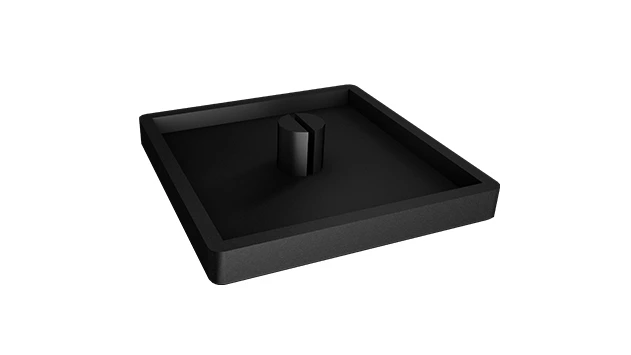
In today's manufacturing world, where "going green" isn't just a buzzword but a business imperative, every component—no matter how small—counts. Think about the aluminum frames holding up your workbench, the material racks organizing your warehouse, or the conveyor systems moving products across your factory floor. Chances are, many of these structures rely on aluminum extrusion profiles, and if you look closely at their ends, you'll find a tiny but critical part: the end cap. Today, we're zooming in on one specific type—the 4040 aluminum profile end cap—and exploring why its environmental impact matters, and how switching to recyclable options can transform your sustainability efforts.
Why Aluminum? The Sustainable Backbone of Modern Manufacturing
Before diving into end caps, let's talk about the star of the show: aluminum. If sustainability had a poster child, aluminum would be a top contender. Unlike plastics or even some metals, aluminum is infinitely recyclable. That means it can be melted down, reprocessed, and turned into new products over and over again without losing quality. The numbers speak for themselves: according to the Aluminum Association, 75% of all aluminum ever produced is still in use today. Why? Because recycling aluminum saves a staggering 95% of the energy required to produce new aluminum from raw bauxite ore. To put that in perspective: recycling one ton of aluminum saves enough energy to power a typical U.S. home for 10 years. That's the kind of impact that adds up—especially when you consider how widely aluminum is used in manufacturing, from aluminum extrusion profiles to conveyor systems and workbenches.
Aluminum extrusion profiles, in particular, are the unsung heroes of modular manufacturing. These are the custom-shaped aluminum pieces created by pushing heated aluminum through a die, resulting in strong, lightweight structures with consistent cross-sections. The 4040 profile—named for its 40mm x 40mm dimensions—is one of the most popular. You'll find it in everything from lean workbenches and material racks to machine guards and production line frames. And like any well-designed system, it needs finishing touches to function at its best. Enter the 4040 aluminum profile end cap.
The Role of 4040 Aluminum Profile End Caps: Small Part, Big Job
At first glance, a 4040 aluminum profile end cap might seem like an afterthought. It's a small, often plastic or metal cap that snaps or screws onto the open ends of aluminum profiles. But don't let its size fool you. These little caps perform three critical roles:
- Safety First: Raw aluminum profile ends can be sharp. End caps smooth those edges, protecting workers from cuts and scrapes during installation, maintenance, or daily use.
- Durability Boost: They seal the profile's interior, preventing dust, moisture, and debris from getting inside. Over time, this stops corrosion, rust, or blockages—extending the life of the entire structure.
- Aesthetic and Functional Finish: Let's face it: open profile ends look unfinished. End caps give a clean, professional look, and in some cases, they can even include features like cable management holes or mounting points for accessories.
But here's the catch: not all end caps are created equal—especially when it comes to the environment. For decades, the default choice for many manufacturers has been plastic end caps (think PVC or ABS). They're cheap, easy to produce, and come in a range of colors. But plastic has a dark side: most are non-biodegradable, and only 9% of all plastic ever made has been recycled, according to the Ellen MacArthur Foundation. When a plastic end cap cracks, wears out, or is replaced, it often ends up in a landfill, where it can take centuries to break down. For companies aiming to reduce their carbon footprint, this is a problem—even a small one—that can't be ignored.

The Hidden Cost of Non-Recyclable End Caps
Let's paint a picture. Imagine a mid-sized electronics assembly plant with 50 workbenches, each built using 4040 aluminum profiles. Each workbench has 8 profile ends, meaning 400 end caps in total. If those end caps are made of standard plastic, and each lasts about 5 years before needing replacement, that's 80 end caps heading to landfills annually. Multiply that by the number of material racks, conveyor frames, and machine guards in the facility, and suddenly you're looking at hundreds—even thousands—of plastic end caps adding to your waste stream each year. It's not just about the trash, either. The production of plastic end caps relies on fossil fuels, releasing greenhouse gases into the atmosphere. And when they're discarded, they can leach microplastics into soil and water, harming ecosystems.
For businesses, this isn't just an environmental issue—it's a reputational and financial one, too. Customers and partners are increasingly vetting suppliers based on sustainability practices. A 2023 survey by Nielsen found that 73% of consumers are willing to pay more for products from companies committed to sustainability. Meanwhile, stricter regulations (like the EU's Circular Economy Action Plan or California's Extended Producer Responsibility laws) are holding businesses accountable for their waste. Ignoring the impact of small components like end caps could lead to fines, lost contracts, or a damaged brand image.

Recyclable Alternatives: Beyond Plastic
The good news? There are better options. As demand for sustainable manufacturing grows, suppliers of aluminum profile accessories are stepping up, offering recyclable 4040 aluminum profile end caps that align with eco-friendly goals. Let's break down the top contenders:
1. Aluminum End Caps: The Gold Standard
The most straightforward recyclable option? Aluminum end caps. Made from the same material as the aluminum profile itself, these end caps are designed to snap or screw onto 4040 profiles, creating a seamless, all-aluminum system. Why does this matter? Because when the profile reaches the end of its life, the end cap can be recycled right alongside it—no sorting, no separation, no waste. Aluminum end caps are also incredibly durable; they resist cracking, fading, and corrosion, meaning they last longer than plastic counterparts, reducing the need for frequent replacements.
Take, for example, a automotive parts manufacturer in Michigan that switched from plastic to aluminum end caps on their 4040 profile material racks. Within a year, they reported a 60% drop in end cap replacements and eliminated over 300 pounds of plastic waste. "We used to order plastic end caps by the case because they'd crack when bumped by forklifts," says their operations manager. "Now, the aluminum ones take the abuse, and when we retire a rack, we just send the whole thing to recycling. It's saved us time, money, and headaches."
2. Recycled Plastic End Caps: A Middle Ground
If aluminum end caps are out of budget (they can cost 2-3x more upfront than plastic), recycled plastic end caps are a solid alternative. These are made from post-consumer or post-industrial plastic waste (like old water bottles or factory scrap), diverting material from landfills and reducing reliance on virgin plastic. While they're not infinitely recyclable like aluminum, they still have a lower carbon footprint than virgin plastic end caps. Just be sure to check with your supplier: not all "recycled" plastic is created equal. Look for certifications like the Recycled Content Standard (RCS) to ensure the material is truly recycled and traceable.
3. Biodegradable Plastics: For Low-Impact Applications
For light-duty applications (think office shelving or temporary workstations), biodegradable plastic end caps could work. Made from plant-based materials like cornstarch or sugarcane, these end caps break down naturally in industrial composting facilities. However, they're not ideal for heavy manufacturing environments—they can warp under heat or crack under pressure. They also require specific composting conditions, so if your local waste management doesn't accept biodegradable plastics, they might still end up in landfills. Use them sparingly, and only when you're certain they'll be properly composted.
Comparing the Options: A Side-by-Side Look
| End Cap Material | Recyclability | Lifespan (Years) | Energy Saved vs. Virgin Material | Cost (Per Unit, Approx.) | Best For |
|---|---|---|---|---|---|
| Virgin Plastic | Low (9% recycled globally) | 2-3 | 0% | $0.50-$1.00 | Temporary setups, tight budgets |
| Recycled Plastic | Medium (Can be recycled 2-3x) | 3-5 | 30-50% | $0.75-$1.50 | Light industrial use, eco-conscious budgets |
| Aluminum | High (Infinitely recyclable) | 10+ | 95% | $1.50-$3.00 | Heavy manufacturing, long-term setups |
| Biodegradable Plastic | Medium (Compostable in industrial facilities) | 1-2 | 20-40% | $1.00-$2.00 | Office use, temporary events |
The Role of Suppliers: Partnering for Sustainability
Switching to recyclable 4040 aluminum profile end caps isn't just about choosing the right material—it's about choosing the right supplier. The best aluminum profile suppliers don't just sell parts; they act as partners in your sustainability journey. Look for suppliers who:
- Source Responsibly: Ask where their aluminum comes from. Ideally, they'll use recycled aluminum or aluminum from mines with certifications like the Aluminum Stewardship Initiative (ASI), which ensures ethical and environmental standards.
- Offer Take-Back Programs: Some suppliers will (recycle old end caps) for you, ensuring they're processed properly instead of ending up in landfills.
- Educate Their Customers: A good supplier will help you calculate the environmental impact of switching to recyclable end caps, from carbon savings to waste reduction.
Take the example of a lean system supplier in Texas that recently launched a "Sustainable Accessories Line." Alongside aluminum end caps, they provide customers with a free "Eco-Impact Calculator" that estimates annual waste reduction and energy savings. "Our clients were asking for greener options, but they didn't always know how to quantify the benefits," says the supplier's sustainability director. "By giving them concrete numbers, we're making it easier for them to justify the switch to their leadership teams."
Overcoming the Hurdles: Why Change Isn't Always Easy
Let's be honest: switching to recyclable end caps isn't without challenges. The most common pushback? Cost. Aluminum end caps are pricier upfront than plastic ones, and in a tight economy, it's tempting to stick with the cheaper option. But here's the thing: they pay for themselves over time. Because aluminum end caps last longer, you'll spend less on replacements. You'll also save on waste disposal fees (landfill costs average $50-$100 per ton in the U.S.). And if you factor in the potential for tax incentives (like the U.S. EPA's Waste Reduction Grants) or higher customer prices for sustainable products, the ROI becomes clear.
Another hurdle is availability. Not all suppliers stock recyclable end caps yet, especially smaller ones. This is where building relationships with larger, forward-thinking suppliers pays off. Even if it means adjusting your supply chain, the long-term benefits are worth it. As more businesses demand recyclable options, suppliers will expand their offerings—creating a ripple effect across the industry.
The Future of End Caps: Small Changes, Big Impact
As manufacturing continues to evolve, the focus on sustainability will only grow. We're already seeing innovations in aluminum profile accessories , like end caps made from recycled aluminum mixed with bamboo fibers for added strength, or end caps designed to be easily disassembled for recycling. Some companies are even experimenting with "smart" end caps embedded with RFID tags that track a profile's lifecycle, making it easier to recover and recycle when it's no longer needed.
But you don't have to wait for futuristic tech to make a difference. The choice to switch to recyclable 4040 aluminum profile end caps is a small step you can take today. It's a step that says, "We care about more than just profits—we care about the planet, our community, and the legacy we leave." And in a world where every little bit counts, that's a message that resonates.
Final Thoughts: The Power of the "Small Stuff"
At the end of the day, 4040 aluminum profile end caps are easy to overlook. They're small, inexpensive, and rarely get a second thought. But in the fight against waste and climate change, it's the "small stuff" that adds up. By choosing recyclable end caps, you're not just reducing your carbon footprint—you're setting a standard for your industry, inspiring your team, and showing your customers that sustainability is in the details.
So the next time you're ordering aluminum extrusion profiles, take a minute to think about the end caps. Ask your supplier about recyclable options. Crunch the numbers. And remember: every aluminum end cap you choose over plastic is a step toward a more sustainable future. After all, great change starts with small parts.