- Company Articles
- Products and Technology
- Product knowledge
- 4040 Aluminum Profile End Cap Heat Resistance: Performance in High-Temp Environments

4040 Aluminum Profile End Cap Heat Resistance: Performance in High-Temp Environments
Related Product
4040 Aluminum Profile End Cap
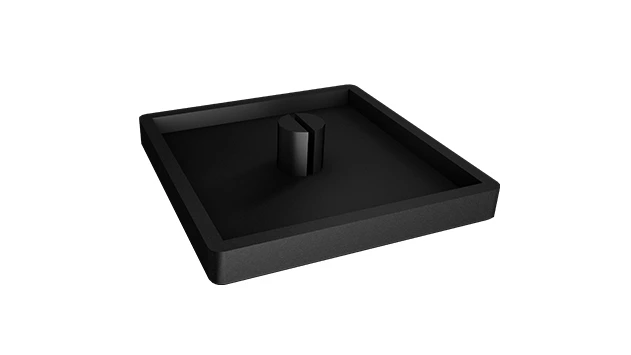
The aluminum profile end cap adds a finishing touch to your project and closes off profile ends to limit dust and debris buildup, also it can avaid some scratch for material and labor during the assemble work.
In the world of manufacturing and industrial design, it's often the smallest components that hold the biggest impact. Take, for instance, the 4040 aluminum profile end cap—an unassuming piece that's easy to overlook, yet critical to the longevity and safety of the structures it protects. When we talk about aluminum profiles, our attention typically drifts to their strength, versatility, or sleek design. But what happens when these profiles are deployed in environments where temperatures soar? Factories with welding stations, automotive plants with curing ovens, electronics facilities with reflow soldering—these are places where heat isn't just a byproduct; it's a constant challenge. And in these settings, the heat resistance of an end cap isn't just a "nice-to-have" feature. It's the difference between a smoothly running operation and costly downtime, between a safe workspace and potential hazards. Today, we're diving deep into the world of 4040 aluminum profile end caps, exploring why their heat resistance matters, how they're engineered to withstand extreme temperatures, and why they're the unsung heroes of high-heat industrial environments.
Understanding 4040 Aluminum Profiles: The Backbone of Modern Structures
Before we can appreciate the role of end caps, we need to understand the star of the show: the 4040 aluminum profile. If you've ever walked through a manufacturing plant, visited a warehouse, or even toured a tech startup's workshop, chances are you've seen these profiles in action. Named for their dimensions—40mm by 40mm—they're part of a broader family of aluminum extrusion profiles, engineered to be lightweight yet remarkably strong. What makes them so popular? For starters, aluminum extrusion profiles are created by pushing heated aluminum through a die, resulting in consistent, customizable shapes that can be tailored to specific needs. The 4040 profile, with its square cross-section and internal T-slots, is a workhorse. It's used to build everything from workbenches and material racks to machine guards and conveyor frames. In lean system setups, where efficiency and adaptability are king, 4040 profiles are the building blocks of modular workstations and flow racks, allowing teams to reconfigure layouts on the fly without overhauling entire systems.
But here's the thing about aluminum: while the metal itself handles heat well (aluminum has a melting point of 660°C), the profiles are rarely used in isolation. They're assembled into structures, and their ends—those raw, cut edges—are vulnerable. Without protection, they can collect dust, debris, or moisture. Worse, they pose a safety risk: sharp edges can snag gloves, scrape arms, or damage delicate materials sliding past. That's where end caps come in. Think of them as the final piece of the puzzle, turning a functional structure into a polished, safe, and durable one. And when that structure is placed in a high-temperature environment, the end cap's job becomes even more critical.
The Role of End Caps: More Than Just "Caps"
Let's get one thing straight: end caps aren't just there to make aluminum profiles look neat (though they do that, too). Their purpose is surprisingly multi-layered, and each function becomes more vital in high-heat settings. First and foremost, they're protectors. The ends of aluminum extrusion profiles, after cutting, can have rough edges or burrs. An end cap covers these, preventing workers from accidental cuts—a small detail that adds up to big reductions in workplace injuries. Second, they seal the profile's hollow interior. In dusty or humid environments, this keeps debris, water, or even pests from getting inside, which could corrode the aluminum over time. But in high-heat environments, sealing takes on a new dimension: heat can cause air inside the profile to expand, and without a secure end cap, that expansion could push the cap off, leaving the profile exposed. Conversely, when the environment cools, the air contracts, potentially pulling contaminants in. A heat-resistant end cap maintains its seal through these thermal cycles, ensuring the profile's integrity.
Then there's stability. Aluminum profiles are often joined using brackets, screws, or connectors that attach to their T-slots. The end cap reinforces the profile's end, preventing it from deforming under stress—whether that stress is from heavy equipment resting on a workbench or the vibrations of nearby machinery. In high heat, aluminum can become slightly more malleable, so the end cap's role in maintaining structural stability becomes even more crucial. Imagine a 4040 profile used as part of a conveyor frame in a food processing plant, where ovens reach 200°C. Without a heat-resistant end cap, the cap might soften, lose its grip, and the profile end could flex, throwing the conveyor off track. Suddenly, that "small" component is the reason production grinds to a halt.
Finally, there's compatibility with the broader aluminum profile accessories ecosystem. End caps are designed to fit snugly with the 4040 profile's dimensions, ensuring they work seamlessly with other accessories like casters, handles, or panel mounts. In a lean system, where every component is chosen to optimize workflow, an end cap that fails in high heat doesn't just affect itself—it disrupts the entire system. A fallen end cap might jam a roller track, or expose a sharp edge that tears protective packaging on materials being transported. In short, end caps are the quiet enforcers of order in the chaotic world of industrial environments.

Materials Matter: What Makes a Heat-Resistant End Cap?
Not all end caps are created equal, and when it comes to heat resistance, the material is everything. 4040 aluminum profile end caps are typically made from one of three materials: thermoplastic polymers, silicone rubber, or, in some cases, metal alloys. Each has its own strengths and weaknesses, especially when exposed to high temperatures. Let's break them down.
Thermoplastics: The Workhorses of End Caps
Most end caps on the market today are made from thermoplastics like polypropylene (PP), polyethylene (PE), or polyamide (PA, also known as nylon). These materials are popular because they're lightweight, affordable, and easy to mold into precise shapes—perfect for creating a snug fit on 4040 profiles. But how do they hold up in heat? It depends on the type. Polypropylene, for example, has a continuous use temperature (CUT) of around 100–120°C. That's fine for general industrial environments, but not for settings with sustained heat above that. Polyamide, on the other hand, can handle up to 150°C continuously, making it better for moderate high-heat areas. However, even PA can start to degrade if exposed to temperatures above 180°C for extended periods, becoming brittle or losing its elasticity.
Silicone Rubber: The Heat Warriors
For environments where temperatures regularly exceed 150°C, silicone rubber end caps are the go-to choice. Silicone is renowned for its thermal stability, with some grades capable of withstanding continuous temperatures up to 200°C—and even short bursts of 250°C. What makes silicone special? Its molecular structure, which consists of repeating siloxane units (-Si-O-Si-), is highly resistant to thermal degradation. Unlike thermoplastics, which can melt or soften when heated, silicone retains its flexibility and shape even in extreme heat. It also resists UV radiation, ozone, and chemicals, making it ideal for harsh environments like automotive paint shops, where ovens and solvent fumes are common. The downside? Silicone is generally more expensive than thermoplastics, but when you factor in the cost of replacing failed end caps or repairing damaged profiles, the investment often pays off.
Metal End Caps: When Heat Resistance Meets Durability
In the most extreme cases—think foundries or aerospace manufacturing, where temperatures can hit 300°C or more—metal end caps (often aluminum or stainless steel) are used. These are less common for 4040 profiles, as they add weight and can conduct heat, potentially making the profile end too hot to touch. However, when paired with insulating gaskets, they become invaluable. Metal end caps don't soften or melt, and they provide unmatched structural reinforcement. For example, in a welding workshop where sparks fly and ambient temperatures hover around 250°C, a metal end cap ensures the 4040 profile's end remains intact, even if a spark lands directly on it.
| Material | Continuous Use Temp Range (°C) | Key Advantages | Best For |
|---|---|---|---|
| Polypropylene (PP) | 100–120 | Low cost, lightweight, easy to mold | General industrial settings, moderate heat |
| Polyamide (PA/Nylon) | 120–150 | High strength, chemical resistant | Electronics assembly, automotive parts rooms |
| Silicone Rubber | 150–200 (up to 250 short-term) | Flexible, UV/ozone resistant, maintains seal | Food processing, paint curing ovens, reflow soldering |
| Aluminum/Stainless Steel | 300+ | Extreme heat resistance, structural reinforcement | Foundries, aerospace manufacturing, welding areas |

Heat Resistance in Action: Testing 4040 Aluminum Profile End Caps
Claims about heat resistance are easy to make, but how do manufacturers ensure their end caps actually perform in the real world? The answer lies in rigorous testing—tests that simulate the harsh conditions these caps will face once installed. Let's take a look at the most common methods, and why they matter.
Continuous Exposure Testing
The simplest test, but one of the most revealing: exposing end caps to a constant high temperature for an extended period (often 1000+ hours) and monitoring for changes. For example, a silicone end cap might be placed in an oven set to 200°C for two weeks. Afterward, engineers check for signs of degradation: has it cracked? Become brittle? Lost its elasticity? A quality end cap should emerge with minimal changes, still fitting snugly on a 4040 profile. This test mimics environments like a plastic molding facility, where machines run 24/7 and ambient temperatures stay consistently high.
Thermal Cycling: The Stress Test
Real-world environments rarely have "constant" temperatures. Think of a warehouse that heats up during the day (thanks to sunlight and machinery) and cools down at night. Or a automotive plant where ovens cycle on and off. Thermal cycling tests replicate this by rapidly heating and cooling end caps—say, from 25°C to 180°C and back—hundreds of times. The goal? To see if the material can handle expansion and contraction without failing. A thermoplastic end cap might survive continuous heat but crack after repeated cycling, as the material fatigues. This test is critical for end caps used in outdoor settings or facilities with inconsistent heating.
Compression and Tensile Strength After Heat Exposure
An end cap's job isn't just to "stay on"—it needs to maintain its grip on the profile. After heat exposure, engineers test how much force is required to pull the end cap off the profile. If a polyamide cap, after 500 hours at 150°C, can be pulled off with half the force it required initially, it's a sign the material has weakened. This test ensures the end cap remains secure, even when the profile is jostled or vibrated.
Real-World High-Temp Environments: Where End Caps Prove Their Worth
Now that we understand what makes a heat-resistant end cap, let's explore where they're put to the test. These aren't hypothetical scenarios—these are everyday challenges in industries around the world.
Automotive Manufacturing: Where Heat and Precision Collide
Walk through any automotive plant, and you'll see 4040 aluminum profiles everywhere: in workbenches for assembling engines, in racks for storing parts, in conveyor systems that move components through the production line. But it's the paint shops and curing ovens where heat resistance truly shines. After a car body is painted, it enters a curing oven to dry the paint—a process that reaches 180–200°C. The conveyors that carry these bodies are often made with aluminum profiles, and their end caps must withstand not just the oven's heat but also the radiant heat from the car bodies themselves. A failed end cap here could cause the conveyor rail to flex, misaligning the body and ruining the paint job. Worse, if the cap falls off, it could get caught in the conveyor mechanism, leading to costly downtime.
Electronics Assembly: Reflow Soldering and Sensitive Components
In electronics manufacturing, 4040 profiles are the backbone of assembly lines, holding circuit boards, tools, and testing equipment. One of the most heat-intensive processes here is reflow soldering, where circuit boards with solder paste are heated in an oven (typically 220–250°C) to melt the solder and bond components. While the boards themselves are inside the oven, the assembly line's aluminum profiles are in close proximity, exposed to ambient heat and occasional thermal spikes. End caps in these areas can't just "resist" heat—they need to do so without off-gassing (releasing harmful fumes that could contaminate sensitive electronics). Silicone end caps are often the choice here, as they're low-VOC and maintain their integrity even near these high temps.
Food Processing: Heat, Moisture, and Sanitation
Food processing plants are a unique challenge: high heat (from ovens, steamers, or sterilization units) combined with moisture and strict sanitation requirements. Aluminum profiles are used in workstations for packaging, material racks for ingredients, and even in conveyor systems for baked goods. End caps here must withstand not just heat (up to 180°C in baking areas) but also frequent washdowns with hot water and chemicals. A PP end cap might soften in the heat, while a silicone cap resists both the temperature and the cleaning agents, ensuring no bacteria or debris gets trapped under a warped cap.
Aerospace Manufacturing: Extreme Heat, Zero Tolerance for Failure
In aerospace facilities, where components like turbine blades or heat shields are tested, temperatures can exceed 300°C. 4040 aluminum profiles are used in test rigs, workbenches, and storage racks for these high-value parts. Here, end caps aren't just about functionality—they're about safety. A failed end cap could lead to a profile end collapsing, potentially damaging a $10,000 turbine blade or, worse, injuring a worker. Metal end caps, often paired with heat-resistant gaskets, are the standard here, as they offer the ultimate in heat resistance and structural support.
Case Study: How a Silicone End Cap Solved a Bakery's Downtime Woes
A mid-sized bakery in Ohio was struggling with a recurring issue: their conveyor system, which transported loaves through a 190°C oven, kept jamming. The culprit? The polypropylene end caps on the 4040 aluminum profiles supporting the conveyor. After several hours of operation, the caps would soften, lose their grip, and slide off, causing the profile ends to flex and misalign the conveyor belt. This led to daily shutdowns, wasted dough, and frustrated workers.
The solution? Switching to silicone rubber end caps rated for 200°C continuous use. After installation, the bakery monitored the system for three months. Not only did the end caps stay firmly in place, but they also withstood daily washdowns with hot, soapy water. Downtime due to conveyor jams dropped by 95%, and the bakery estimated saving $12,000 in wasted product and labor costs in the first year alone. "We never thought a $2 part could make that much difference," said the plant manager. "Now, we spec silicone end caps on all our high-heat conveyors."
Choosing the Right 4040 Aluminum Profile End Cap: A Buyer's Guide
So, how do you select the right end cap for your high-heat environment? It starts with asking the right questions and understanding your specific needs. Here's a step-by-step guide to help you make an informed decision.
Step 1: Know Your Temperature Range
First, measure the maximum and average temperatures in the area where the end cap will be used. Don't just guess—use a thermal gun or data logger to get accurate readings. A warehouse might have average temps of 35°C but spike to 150°C near a machine. Knowing this ensures you choose a cap with a continuous use temperature (CUT) well above your peak readings. Remember: it's better to overestimate than underestimate. A cap rated for 200°C will perform better at 180°C than one rated for 180°C, as it has a safety buffer.
Step 2: Consider the Environment Beyond Heat
Heat rarely acts alone. Is the area humid? Exposed to chemicals (like oils, solvents, or cleaning agents)? Do you need to wash the end caps regularly? For example, a food plant needs a cap that resists both heat and sanitizers, while an automotive shop might prioritize resistance to oil and grease. Silicone handles moisture and chemicals well, while polyamides are better for oil-rich environments.
Step 3: Check the Fit
A heat-resistant end cap is useless if it doesn't fit your 4040 profile snugly. Profiles can vary slightly in tolerances (due to different manufacturers), so look for end caps designed specifically for 4040 aluminum extrusion profiles. A good cap should require a slight push to install and stay in place without sliding off, even when heated. Avoid generic "one-size-fits-all" caps—they're more likely to fail in high heat.
Step 4: Look for Certifications
Reputable manufacturers will provide test data or certifications for their end caps' heat resistance. Look for compliance with standards like UL 94 (for flammability, important in electronics), or FDA approval (for food contact). If a manufacturer can't provide proof of their heat resistance claims, it's a red flag.
Step 5: Factor in Long-Term Costs
Yes, silicone or metal end caps cost more upfront than PP. But consider the alternative: replacing cheap end caps every few months, dealing with downtime, or repairing damaged profiles. In high-heat environments, investing in a quality end cap often pays for itself within a year. As the bakery case study showed, the savings in downtime alone can justify the higher initial cost.
The Future of Heat-Resistant End Caps: Innovation on the Horizon
As industries push for higher efficiency and more extreme manufacturing processes, the demand for advanced heat-resistant end caps is growing. Manufacturers are responding with innovations like "smart" end caps embedded with temperature sensors, which can alert maintenance teams if they're approaching their thermal limits. Others are experimenting with nanocomposite materials—plastics infused with carbon nanotubes or ceramic particles—to boost heat resistance without adding weight. For example, a PP end cap treated with ceramic nanoparticles might soon handle 150°C, bridging the gap between traditional PP and silicone.
There's also a focus on sustainability. Biodegradable thermoplastics with heat-resistant properties are being developed, offering an eco-friendly alternative to traditional materials. Imagine a food processing plant using end caps made from plant-based polymers that resist 180°C and decompose naturally at the end of their lifecycle. It's early days, but these innovations could redefine what end caps are capable of.
Conclusion: The Small Component That Makes a Big Difference
The 4040 aluminum profile end cap might not be the most glamorous component in your industrial setup, but its role in high-heat environments is undeniable. From protecting workers to maintaining structural integrity, from ensuring smooth production to reducing downtime, its impact is far greater than its size suggests. As we've explored, heat resistance isn't just about withstanding temperature—it's about materials, testing, real-world application, and smart selection. Whether you're running a bakery, an electronics plant, or an aerospace facility, choosing the right end cap is an investment in your operation's efficiency, safety, and bottom line.
So the next time you walk through your facility, take a moment to look at those 4040 aluminum profiles. Notice the end caps. Ask yourself: Are they up to the heat? If not, it might be time to upgrade. After all, in the world of manufacturing, the smallest details often hold the key to the biggest successes.