- Company Articles
- Products and Technology
- Installation And Maintenance
- 4040 Aluminum Profile End Cap Loosening: Causes & Prevention Strategies

4040 Aluminum Profile End Cap Loosening: Causes & Prevention Strategies
Related Product
4040 Aluminum Profile End Cap
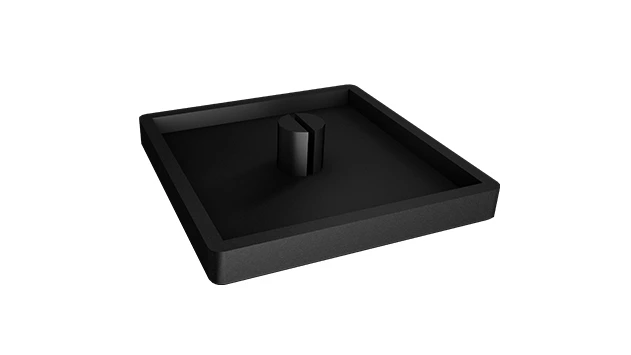
The aluminum profile end cap adds a finishing touch to your project and closes off profile ends to limit dust and debris buildup, also it can avaid some scratch for material and labor during the assemble work.
Walk into any busy workshop, manufacturing facility, or even a DIY garage, and you'll likely spot aluminum profiles hard at work. They're the unsung heroes of lean systems—holding up workbenches, framing material racks, and keeping everything from assembly lines to storage units sturdy and organized. Among the most common profiles is the 4040 aluminum profile, a workhorse known for its versatility and strength. But here's a small problem that can throw a big wrench into your operations: loose end caps. Those tiny, often overlooked caps that seal the ends of the profile might seem insignificant, but when they wiggle free, they can lead to rattling workbenches, debris buildup inside the profile, and even structural instability over time. Let's dive into why 4040 aluminum profile end caps loosen, how to spot the warning signs, and most importantly, how to keep them snug and secure for the long haul.
First Things First: What Are 4040 Aluminum Profiles and End Caps, Anyway?
Before we get into the nitty-gritty of loosening end caps, let's make sure we're all on the same page. The 4040 aluminum profile is a staple in industrial and commercial settings, named for its dimensions—40mm by 40mm. It's part of the aluminum extrusion profile family, meaning it's formed by pushing molten aluminum through a die to create a consistent, hollow cross-section. This design makes it lightweight yet surprisingly strong, perfect for building everything from simple workbenches to complex material racks.
Now, the end cap: that small, often plastic or metal piece that snaps or screws into the open ends of the profile. At first glance, it might seem like an afterthought—something to keep dust out or make the profile look neater. But its role goes deeper. A well-fitted end cap protects the inner walls of the aluminum profile from dents, corrosion, and debris (think metal shavings, dirt, or even water in damp environments). It also adds a finishing touch, preventing sharp edges that could snag gloves or scratch equipment. Most importantly, in structural setups like workbenches or material racks, a secure end cap helps distribute stress evenly along the profile, reducing the risk of bending or warping over time.
So, when an end cap loosens, it's not just an aesthetic issue. It's a small crack in the armor of your aluminum profile system—one that can grow if left unaddressed.
Why Do 4040 Aluminum Profile End Caps Loosen? Common Culprits
Loose end caps rarely happen overnight. They're usually the result of a perfect storm of small issues—installation missteps, material quirks, or environmental wear. Let's break down the most likely causes:
1. Installation: Too Tight, Too Loose, or Just "Good Enough"
Ask any seasoned technician, and they'll tell you: installation is where most end cap problems start. It's easy to rush this step—after all, end caps feel like a minor detail compared to assembling the entire aluminum profile structure. But here's where things go wrong:
- Over-tightening: You might think cranking the end cap as tight as possible will keep it secure, but aluminum profiles are surprisingly sensitive. Many end caps (especially plastic ones) are designed to "snap" into place with gentle pressure or be secured with a small screw. Twist or push too hard, and you could warp the end cap's edges, creating gaps that let it wiggle loose later. Metal end caps with screws? Over-tightening can strip the threads on the aluminum profile itself, turning a snug fit into a permanent loose spot.
- Under-tightening: On the flip side, a half-hearted installation—just "snapping" the cap without checking if it's fully seated—leaves it vulnerable from day one. Vibration from nearby machinery, frequent contact (like leaning on a workbench), or even temperature changes can jostle it loose within weeks.
- Misalignment: If the end cap isn't lined up perfectly with the profile's opening, even a "tight" fit will be uneven. One edge might be flush, while the opposite side sits slightly raised. Over time, that uneven pressure wears down the cap's grip, and eventually, it slips.
2. Material Quality: Not All End Caps (or Profiles) Are Created Equal
You've heard the saying, "You get what you pay for," and it rings true for aluminum profile accessories—including end caps. Here's how material choices contribute to loosening:
- Cheap End Caps: Low-quality plastic end caps often use thin, brittle materials that degrade quickly. Exposed to heat, cold, or even just the oils from human hands, they can warp, crack, or lose their flexibility. A warped end cap can't maintain a tight seal, so it starts to rattle. Even metal end caps can be problematic if they're made from soft alloys that bend under minimal stress.
- Mismatched Profiles and End Caps: The 4040 aluminum profile has standard dimensions, but not all manufacturers stick to the exact same tolerances. A "4040 end cap" from one brand might be slightly smaller or larger than the profile from another supplier. If the cap is too small, it will never fit snugly; too large, and you'll damage the profile trying to install it.
- Profile Imperfections: Rare, but possible: a manufacturing defect in the aluminum profile itself, like a slightly misshapen end or rough internal edges, can prevent the end cap from seating properly. Even a tiny burr inside the profile can create enough friction to push the cap out over time.
3. Environmental Wear: Heat, Cold, Vibration, and Humidity
Aluminum profiles and their end caps don't exist in a vacuum—they're at the mercy of their surroundings. Over months (or years) of exposure, environmental factors can slowly undo even the best installations:
- Thermal Expansion and Contraction: Aluminum and plastic (or metal) end caps expand and contract at different rates when temperatures rise or fall. On a hot summer day, the aluminum profile might expand slightly, compressing the end cap. When winter hits, the profile shrinks, leaving gaps. Do this enough times, and the cap loses its "memory"—it can't snap back into a tight fit.
- Vibration: If your aluminum profile system is near heavy machinery, conveyor belts, or even foot traffic, constant vibration is enemy number one. Think of it like shaking a jar of coins—over time, the smallest components (like end caps) work their way loose. This is especially common in workbenches used for power tools or material racks near production lines.
- Humidity and Corrosion: In damp environments (like outdoor workshops or facilities with high moisture), aluminum profiles can develop tiny amounts of corrosion inside the hollow core. This corrosion creates a rough surface that rubs against the end cap, wearing down its grip. For metal end caps, rust can form on screws or clips, making them loose or impossible to tighten properly.
4. Wear and Tear: The "Little Things" Add Up
Even in ideal conditions, nothing lasts forever. End caps take more abuse than you might think:
- Frequent Handling: If your aluminum profile is part of a workbench or mobile trolley, people might lean on it, bump it with tools, or even step on it accidentally. Each impact jostles the end cap, gradually weakening its hold.
- Load Stress: A material rack loaded with heavy boxes or a workbench supporting equipment puts downward pressure on the aluminum profile. Over time, this stress can slightly bend the profile's end (especially if it's a longer section), creating a gap between the profile and the end cap.
- Abrasion: Dust, dirt, or metal shavings inside the profile (common in workshops) can act like sandpaper. Every time the end cap shifts even slightly, these particles grind against its edges, wearing them down until the cap no longer fits tightly.

Stopping Loose End Caps Before They Start: Prevention Strategies
The good news? Most end cap loosening is preventable with a little attention to detail. Let's break down actionable strategies to keep those caps snug, whether you're installing a new aluminum profile system or maintaining an existing one.
1. Start with the Right Materials
It all begins with choosing quality components. Don't skimp on end caps or assume "any 4040 cap" will work. Here's what to look for:
- Match End Caps to Your Profile Brand: If possible, buy end caps from the same supplier as your aluminum profile. Most manufacturers design accessories (like end caps) to pair perfectly with their profiles, ensuring a snug, consistent fit. For example, a 4040 aluminum profile from a reputable supplier will have end caps engineered to its exact tolerances.
- Opt for Durable Materials: Plastic end caps are affordable and work well for light-duty setups, but for high-vibration areas or heavy use (like a workbench in a machine shop), consider metal end caps. Look for ones with corrosion-resistant coatings (like zinc-plated steel) if moisture is a concern. If you do go plastic, choose high-density polyethylene (HDPE) or nylon—these materials are more resistant to warping and wear than cheap PVC.
- Check for Certifications: Reputable aluminum profile accessories often come with quality certifications. For example, some end caps are tested for temperature resistance (-40°C to 80°C) or impact strength. These specs give you peace of mind that the cap can handle your workspace's conditions.
2. Master the Installation Process
Installation might seem simple, but nailing the details here is half the battle. Follow these steps for a secure fit:
- Prep the Profile End: Before installing the end cap, clean the inside of the aluminum profile's end with a dry cloth or compressed air. Remove any dust, debris, or burrs (use a small file if needed). A clean surface ensures the end cap seats evenly.
- Align Carefully: Hold the end cap up to the profile and check that all edges line up. The cap should sit flush with the profile's end—no gaps, no overhang. If it's misaligned, rotate it or adjust your grip until it fits perfectly.
- Use the Right Tools (and Force): For snap-on end caps, apply gentle, even pressure around the edges. You should hear a "click" when it's seated. For screw-on caps, use a screwdriver that fits the screw head perfectly (a loose fit can strip the screw). Tighten until the cap is snug, but stop when you feel resistance—no need to crank it until the screw bends!
- Test It: After installation, give the end cap a light tug or wiggle. It should feel solid, with no movement. If it shifts, remove it, check for debris or misalignment, and try again.
3. Protect Against Environmental Wear
Your workspace's conditions don't have to be the enemy. With a few tweaks, you can minimize their impact:
- Control Temperature and Humidity: If possible, keep your aluminum profile system away from extreme heat sources (like radiators) or cold drafts. In humid areas, use a dehumidifier or apply a thin layer of anti-corrosion spray inside the profile before installing the end cap (just make sure the spray is compatible with your end cap material).
- Reduce Vibration: For profiles near machinery, add vibration-dampening pads under the base (like rubber feet) to absorb shocks. If the profile is part of a mobile trolley, ensure the wheels are in good condition—wobbly wheels create more vibration than you might think.
- Seal Gaps: For extra protection, apply a tiny bead of silicone adhesive (clear, non-corrosive) around the edge of the end cap before installing it. This creates a waterproof, vibration-resistant seal. Just don't overdo it—too much adhesive can make future removal (for maintenance) a hassle.
4. Regular Maintenance: Catch Issues Early
Even the best installations need check-ups. Make end cap inspection part of your routine maintenance schedule (monthly for high-use areas, quarterly for low-use setups). Here's what to do:
- Visual Checks: Look for gaps between the end cap and the profile, cracks in the cap, or signs of corrosion (like rust or discoloration).
- Physical Checks: Gently wiggle each end cap. If it moves, tighten it immediately. For screw-on caps, check if the screw is loose and tighten as needed. For snap-on caps, if they're loose, remove them, clean the profile end, and re-seat them (or replace if they're warped).
- replace Worn Caps: If an end cap is cracked, warped, or too loose to re-seat, replace it. It's a small cost compared to the damage a loose cap can cause (like debris inside the profile jamming moving parts or a weakened workbench).
Common Causes vs. Prevention Strategies
| Common Cause | Prevention Strategy |
|---|---|
| Over-tightening during installation | Use gentle, even pressure; stop tightening when resistance is felt |
| Low-quality plastic end caps | Choose HDPE/nylon plastic or metal caps from reputable suppliers |
| Thermal expansion/contraction | Avoid extreme temperature exposure; use silicone sealant for extra grip |
| Vibration from machinery | Add vibration-dampening pads; inspect caps monthly in high-vibration areas |
| Debris inside the profile | Clean profile ends before installation; seal caps with adhesive if needed |

Pro Tips for Long-Term End Cap Security
Even with the basics covered, a few extra tricks can extend the life of your end caps and keep your aluminum profile system running smoothly. Here are some pro moves from technicians who've seen it all:
- Mark Tightened Screws: For screw-on end caps, use a permanent marker to draw a small line from the screw head to the end cap. If the line shifts later, you'll know the screw has loosened—no need to wiggle-test every cap.
- Use Thread Locking Compound (Sparingly): For metal end caps in high-vibration areas, a drop of thread locking compound (like Loctite) on the screw can prevent loosening. Just use the "removable" formula—you don't want to permanently glue the cap in place!
- Upgrade to "Snap + Screw" End Caps: Some end caps combine snap-on convenience with a small screw for extra security. These are ideal for workbenches or material racks that see heavy use—they stay put even if the snap mechanism wears down.
- Train Your Team: If multiple people use or maintain the aluminum profile system, make sure everyone knows how to properly install and check end caps. A quick 5-minute demo can prevent a lot of future headaches.
Don't Overlook the Small Stuff
At the end of the day, a loose 4040 aluminum profile end cap might seem like a minor annoyance. But in the world of lean systems and efficient workflows, small details matter. A secure end cap protects your profile from debris, keeps your workspace looking professional, and ensures your aluminum structure stays strong for years. By choosing quality materials, installing carefully, protecting against environmental wear, and staying on top of maintenance, you can keep those caps snug and your operations running smoothly.
So the next time you're setting up a new workbench or inspecting a material rack, take a second to check those end caps. They might be small, but they're holding more than just the end of a profile—they're holding up your productivity.