- Company Articles
- Products and Technology
- Installation And Maintenance
- 4040 Aluminum Profile End Cap Maintenance: Cleaning & Longevity Practices

4040 Aluminum Profile End Cap Maintenance: Cleaning & Longevity Practices
Related Product
4040 Aluminum Profile End Cap
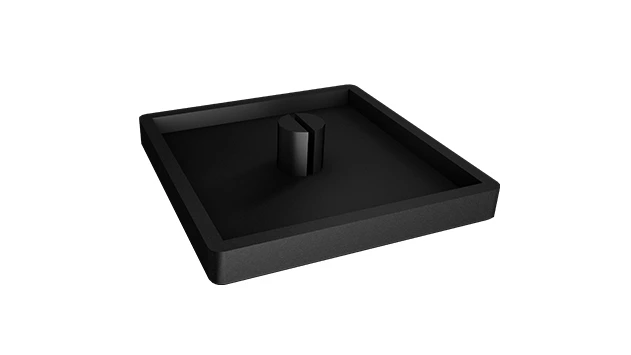
The aluminum profile end cap adds a finishing touch to your project and closes off profile ends to limit dust and debris buildup, also it can avaid some scratch for material and labor during the assemble work.
Keeping the small parts that make your aluminum extrusion profile systems shine
Why Those Little Caps Matter More Than You Think
Walk into any workshop, factory floor, or even a well-organized garage, and you'll likely spot aluminum extrusion profiles hard at work. They're the backbone of workbenches, material racks, flow racks, and all sorts of custom structures that keep operations running smoothly. But if you take a closer look at the ends of those profiles—those clean, finished edges—you'll notice something small but mighty: the 4040 aluminum profile end cap. These unassuming pieces are part of the broader family of aluminum profile accessories, and while they might seem like an afterthought, they play a huge role in protecting your investment and keeping your systems functional.
Think about it: aluminum extrusion profiles have hollow ends. Without an end cap, those ends become magnets for dust, debris, moisture, and even small tools or parts that can fall inside. Over time, that gunk can corrode the inside of the profile, weaken connections with other accessories, or even throw off the alignment of your workbench or rack. And let's not forget aesthetics—exposed raw ends look unfinished, which might not matter in a gritty factory, but in settings where presentation counts (like a tech lab or a customer-facing workspace), those caps keep things looking polished.
But here's the thing: end caps don't last forever. They take abuse—from accidental knocks with a wrench to exposure to oils, chemicals, or extreme temperatures. That's why knowing how to clean and maintain them isn't just about keeping things tidy; it's about extending the life of your entire aluminum profile setup. Let's dive into the nitty-gritty of keeping your 4040 aluminum profile end caps in top shape.
Understanding Your 4040 Aluminum Profile End Cap
Before we jump into maintenance, let's make sure we're all on the same page about what exactly a 4040 aluminum profile end cap is. These caps are designed to fit snugly into the open ends of 4040 aluminum profiles—the "4040" refers to the profile's cross-section dimensions (40mm x 40mm), a common size in industrial and commercial setups. They're typically made from durable plastics (like ABS or nylon) or sometimes aluminum, depending on the application. Plastic caps are lightweight and cost-effective, while aluminum caps offer extra strength and resistance to high temperatures or heavy impacts.
Most end caps are designed to press-fit into the profile, meaning they're held in place by friction. Some might have small tabs or ridges that grip the inner walls of the profile, while others might require a tiny bit of adhesive (though that's less common, as it makes replacement harder). The key here is that their fit is crucial—too loose, and they'll fall off; too tight, and you might crack the cap or damage the profile when installing or removing it.
As part of aluminum profile accessories, these caps work hand-in-hand with other components like brackets, connectors, and hinges. For example, if you've got a workbench built with 4040 profiles, the end caps on the legs prevent water from seeping in and rusting the inside (even though aluminum doesn't rust, it can corrode), and they also keep the profile stable when you're attaching casters or leveling feet to the bottom. In short, they're the unsung heroes of your aluminum structure's integrity.

Cleaning 101: How to Keep End Caps Looking (and Working) Like New
Cleaning end caps isn't rocket science, but there's a right way and a wrong way to do it. The goal is to remove dirt, grime, and stains without damaging the cap material or the underlying aluminum profile. Let's break it down step by step.
Step 1: Gather Your Tools
You won't need anything fancy here—just a few household or workshop staples:
- A soft microfiber cloth or a lint-free rag (avoid abrasive materials like steel wool or scouring pads—they'll scratch plastic caps).
- Mild dish soap or a gentle all-purpose cleaner (skip harsh chemicals like bleach, ammonia, or acetone—they can discolor or degrade plastic).
- A small soft-bristled brush (an old toothbrush works great!) for scrubbing crevices or stubborn spots.
- Warm water (not hot—extreme heat can warp plastic caps).
- A bowl or bucket for mixing soapy water.
- A dry towel for drying (air-drying is okay too, but wiping prevents water spots).
Step 2: Remove the End Cap (If Possible)
If your end cap is loose enough to remove without forcing it, take it off. This makes cleaning easier because you can reach all sides, including the part that sits inside the profile (which often collects dust and debris). To remove a press-fit cap, gently wiggle it back and forth while pulling outward. If it's stuck, don't yank—you could crack it. Instead, use the edge of your microfiber cloth to get a better grip, or tap the side of the cap lightly with a rubber mallet (wrap the mallet in cloth to avoid marks) to loosen it.
If the cap is on tight and you're worried about breaking it, clean it in place. Just be extra careful not to push dirt or water into the profile's interior—use a dry brush first to sweep away loose debris from the cap's edges.
Step 3: Dust First, Then Wash
Start by dry-wiping the cap with your microfiber cloth to remove loose dust, sawdust, or dirt. This prevents scratching when you add water. For caps with texture or small grooves (some have ridges for better grip during installation), use the soft-bristled brush to dislodge trapped particles.
Next, mix a few drops of mild dish soap into warm water (about a teaspoon per cup of water). Dip your cloth into the soapy water, wring it out so it's damp (not soaking), and gently wipe the cap. For tough stains—like oil from a machine or grease from a mechanic's hand—use the toothbrush to scrub the area in small, circular motions. Avoid pressing too hard; plastic can scratch easily.
Step 4: Rinse and Dry
If you removed the cap, rinse it under warm running water to remove soap residue. If cleaning in place, use a clean, damp cloth (rinsed thoroughly) to wipe away soap. Then, dry the cap immediately with a towel. For caps with tight crevices, use the corner of the towel or a dry toothbrush to soak up moisture—trapped water can lead to mold or mildew in humid environments.
Pro Tip: For aluminum end caps, you can add a tiny bit of metal polish (like Brasso) to a soft cloth and buff gently to restore shine—just avoid getting polish on plastic parts of the profile or adjacent accessories, as it can stain.

Maintenance Practices to Extend Lifespan
Cleaning is important, but regular maintenance is what really keeps end caps (and your aluminum profiles) going strong for years. Here's what you need to do:
Inspect Regularly
Make it a habit to check your end caps every month or so—more often if they're in high-traffic areas (like the corners of a workbench that gets bumped daily) or exposed to harsh conditions (like a garage with temperature swings). Look for:
- Cracks or chips: Even small cracks can grow over time, especially if the cap is exposed to stress (like being stepped on or hit with a tool).
- Looseness: If a cap wiggles or falls off easily, it's not doing its job. Dirt or debris inside the profile might be preventing a tight fit, or the cap's tabs/ridges could be worn down.
- Discoloration: Fading or yellowing (common in plastic caps exposed to UV light) might not affect function, but if it's severe, the cap could be becoming brittle.
- Stains that won't come off: Persistent oil or chemical stains might indicate the cap's material is breaking down.
Tighten Loose Caps
If a cap is loose but not damaged, try cleaning the inside of the aluminum profile first. Use a dry brush or a can of compressed air to blow out dust, dirt, or debris that might be preventing the cap from seating properly. Then, press the cap back in firmly—apply even pressure around the edges to ensure it's seated straight. If it still won't stay put, you can use a tiny dab of silicone adhesive (like clear RTV) on the cap's inner surface before pressing it in. Just be sparing—too much adhesive will make it hard to remove later, and excess glue can squeeze out and look messy.
replace When Necessary
Even with the best care, end caps wear out. If you notice cracks, severe discoloration, or if the cap no longer stays in place after cleaning and re-seating, it's time to replace it. Luckily, 4040 aluminum profile end caps are affordable and easy to find—most aluminum profile suppliers carry them as part of their aluminum profile accessories lineup. When shopping for replacements, make sure to get the right size (4040) and material (plastic or aluminum) for your needs. If your original caps were color-matched to your profile (some suppliers offer caps in black, white, or silver to match the profile's finish), check if the replacement matches—consistency keeps things looking professional.
Longevity Hacks: Protecting End Caps from the Start
The best maintenance is prevention. Here are some simple steps to keep your end caps (and aluminum profiles) in great shape for longer:
- Install them correctly: When putting on new end caps, don't hammer or force them. Align the cap with the profile end and press firmly but gently—if it doesn't go in easily, check for debris or a bent profile end (use a file to smooth out any burrs).
- Shield from UV light: If your aluminum profile setup is near a window or outdoors, plastic end caps can fade or become brittle from sunlight. Consider using aluminum caps instead, or apply a UV-resistant clear coat to plastic caps (test a small, hidden area first to ensure it doesn't discolor the cap).
- Keep chemicals away: Avoid spilling oils, solvents, or harsh cleaning agents near end caps. If a spill happens, wipe it up immediately and clean the cap as soon as possible to prevent staining or degradation.
- Use corner guards: In high-traffic areas (like the corners of a workbench), add plastic or rubber corner guards to absorb impacts—this protects both the end caps and the profile itself from dents.
Cleaning Agent Comparison: Which One's Right for Your End Cap?
Not all stains are created equal, and using the wrong cleaner can do more harm than good. Here's a quick guide to common cleaning agents and when to use them:
| Cleaning Agent | Best For | Pros | Cons | Safe For |
|---|---|---|---|---|
| Warm Water + Mild Dish Soap | Dust, dirt, light grease, fingerprints | Gentle, affordable, easy to find | Not great for heavy oil or chemical stains | All plastic and aluminum end caps |
| Isopropyl Alcohol (70%) | Oil, ink, adhesive residue | Cuts through grease, evaporates quickly (no water spots) | Can dry out plastic over time; test on hidden area first | Aluminum caps; plastic caps (use sparingly) |
| Vinegar (Diluted 1:1 with Water) | Hard water stains, mild rust (on aluminum profiles, not caps) | Natural, eco-friendly, deodorizes | Strong smell; can etch aluminum if left on too long | Plastic caps; rinse aluminum caps immediately after use |
| Magic Eraser (Melamine Sponge) | Scuff marks, stubborn dirt | Works on tough stains without chemicals | Can scratch plastic if rubbed too hard; wears out quickly | Aluminum caps; test plastic caps in a hidden spot first |
Troubleshooting Common End Cap Issues
Even with careful maintenance, you might run into a few hiccups. Here's how to fix the most common problems:
Problem: End Cap Keeps Falling Off
Possible causes: Debris inside the profile, worn cap tabs, or a profile end that's bent/damaged. Solution: Clean the profile interior with compressed air. If the cap tabs are worn, replace the cap. If the profile end is bent, gently straighten it with pliers (wrap the pliers in cloth to avoid scratching) before reinserting the cap.
Problem: Cap is Stuck and Won't Come Out
Possible causes: Adhesive was used, or the cap has swollen from moisture. Solution: For adhesive, use a hair dryer on low heat to warm the cap (this softens some adhesives); then gently pry with a flathead screwdriver wrapped in cloth. For swollen plastic, let the area dry completely (moisture can cause plastic to expand); then try wiggling the cap again.
Problem: Cap is Cracked but Still Seats Tightly
Solution: replace it ASAP. Even a small crack can allow moisture or debris into the profile, and the crack will likely grow with time. A cracked cap is a ticking time bomb for your aluminum extrusion profile's interior.
Final Thoughts: Small Caps, Big Impact
At the end of the day, 4040 aluminum profile end caps are a small part of a bigger system, but they're a reminder that the little details matter. Taking 10 minutes every month to inspect, clean, and tighten these caps can save you from costly repairs down the line—like replacing a corroded profile or a wobbly workbench. And when you pair that care with quality aluminum profile accessories from a reliable supplier, you're setting yourself up for a system that lasts for years, not just months.
So the next time you're wiping down your workbench or organizing your flow rack, take a second to check those end caps. Give them a quick clean, make sure they're snug, and replace any that look worse for wear. Your aluminum extrusion profile system (and your future self) will thank you.