- Company Articles
- Products and Technology
- Product knowledge
- 4040 Aluminum Profile End Cap Material Analysis: Aluminum Alloy vs. Plastic Pros & Cons

4040 Aluminum Profile End Cap Material Analysis: Aluminum Alloy vs. Plastic Pros & Cons
Related Product
4040 Aluminum Profile End Cap
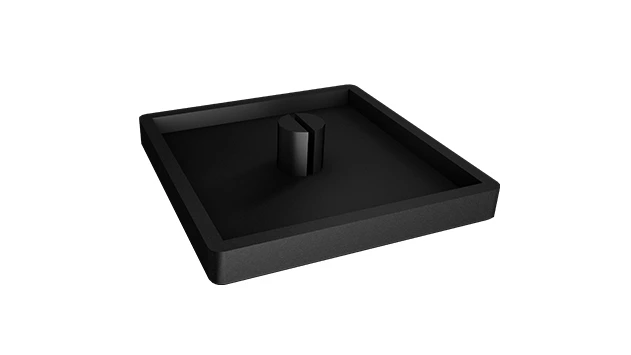
The aluminum profile end cap adds a finishing touch to your project and closes off profile ends to limit dust and debris buildup, also it can avaid some scratch for material and labor during the assemble work.
If you've ever walked through a manufacturing plant, a workshop, or even a modern office with custom workstations, you've probably seen aluminum profiles in action. These versatile, sturdy structures form the backbone of everything from production line workbenches to storage racks and machine guards. But for all their strength and adaptability, aluminum profiles—especially the popular 4040 series—rely on small but critical components to truly shine. Enter the end cap: that unassuming piece that snaps or screws onto the open ends of aluminum extrusion profiles. It might seem like an afterthought, but choosing between aluminum alloy and plastic end caps can make a big difference in performance, cost, and even safety. In this deep dive, we'll break down the pros and cons of each material, helping you decide which is right for your project.
First, Let's Talk About 4040 Aluminum Profiles
Before we jump into end caps, let's quickly recap why 4040 aluminum profiles are so widely used. Part of the "aluminum extrusion profile" family, 4040 refers to the cross-sectional dimensions: 40mm by 40mm. These profiles are prized for their balance of strength, weight, and versatility. They feature T-slots along their length, which allow for easy attachment of accessories like brackets, panels, and yes—end caps. Whether you're building a lean pipe and accessories system for a production line or a custom workbench, 4040 profiles are a go-to choice for engineers and DIY enthusiasts alike. And since they're part of the broader "aluminum profile accessories" ecosystem, every component, including end caps, is designed to integrate seamlessly.
Why End Caps Matter More Than You Think
At first glance, end caps might seem purely cosmetic. After all, they cover the rough, open ends of aluminum profiles, giving a clean, finished look. But their role goes far beyond aesthetics. Think about it: without an end cap, the exposed interior of an aluminum profile can collect dust, debris, or even moisture—all of which can corrode the metal over time. In a busy workshop, sharp, unfinished ends also pose a safety hazard, risking cuts or snags on clothing. For workbenches used in electronics manufacturing, end caps can even help with static control if made from the right material. Simply put, end caps are the unsung heroes that protect your aluminum profile investment, enhance safety, and keep systems running smoothly.

Aluminum Alloy End Caps: The Heavy-Duty Contender
Aluminum alloy end caps are exactly what they sound like: end caps made from aluminum alloy, often matching the composition of the 4040 aluminum profile itself. They're designed to be tough, durable, and visually consistent with the profiles they protect. Let's break down their strengths and weaknesses.
Pros of Aluminum Alloy End Caps
- Unmatched Durability : Aluminum alloy is tough. It can withstand impacts, heavy loads, and daily wear and tear without cracking or deforming. In high-traffic areas like factory floors, where workbenches and material racks take a beating, this durability is a game-changer. Unlike plastic, aluminum end caps won't chip if a tool is dropped on them or shatter in cold temperatures.
- Thermal Stability : Aluminum handles heat and cold better than most plastics. In environments like automotive manufacturing plants, where temperatures can spike near welding stations or drop in unheated warehouses, aluminum end caps won't warp, melt, or become brittle. This makes them ideal for outdoor use too—rain, snow, or direct sunlight won't degrade their performance.
- Aesthetic Consistency : If you care about the look of your aluminum profile setup, aluminum end caps are hard to beat. They blend seamlessly with the profiles, creating a uniform, professional appearance. Many manufacturers even offer anodized or powder-coated finishes that match the profiles, so there's no jarring color mismatch. This is especially important for customer-facing areas or display racks where presentation matters.
- Recyclability : Aluminum is 100% recyclable, and recycling it uses just 5% of the energy required to produce new aluminum. For companies focused on sustainability, choosing aluminum end caps aligns with eco-friendly goals. Even at the end of their lifecycle, they can be melted down and repurposed, reducing waste.
- Chemical Resistance : Aluminum alloy resists many common industrial chemicals, oils, and solvents. In workshops where lubricants or cleaning agents are used, aluminum end caps won't degrade or become discolored, unlike some plastics that might swell or crack.
Cons of Aluminum Alloy End Caps
- Higher Cost : Quality comes at a price. Aluminum alloy end caps are generally more expensive than plastic ones—sometimes double the cost. For small projects, this might not matter, but if you're outfitting an entire production line with hundreds of profiles, the cost can add up quickly.
- Added Weight : Aluminum is denser than plastic, so aluminum end caps add a small but noticeable amount of weight to your setup. This might not be an issue for fixed structures like workbenches, but for mobile equipment like turnover trolleys or lightweight racks, every ounce counts. Extra weight can also make installation trickier, especially if you're working alone.
- Potential for Scratching : While aluminum is durable, its surface can scratch if not treated. Anodized finishes help, but rough handling or contact with abrasive materials can leave marks. In environments where appearance is critical (like retail displays), this might require more frequent polishing or replacement.
- Conductive Properties : Aluminum is a conductor of electricity. In most cases, this isn't a problem, but in electronics manufacturing or areas with sensitive equipment, conductive end caps could pose a static electricity risk. That said, some manufacturers offer ESD (electrostatic discharge) coated aluminum end caps to mitigate this, though they add to the cost.

Plastic End Caps: The Lightweight, Budget-Friendly Alternative
Plastic end caps are the workhorses of the aluminum profile world for a reason: they're affordable, lightweight, and come in a range of styles. Made from materials like polypropylene (PP), polyethylene (PE), or ABS, they're designed to offer basic protection at a lower cost. Let's explore their pros and cons.
Pros of Plastic End Caps
- Cost-Effective : The biggest draw of plastic end caps is their price. They're significantly cheaper than aluminum alloy options, making them ideal for budget-conscious projects or large-scale installations. If you're building a simple storage rack in a home garage or outfitting a startup workshop, plastic end caps let you save money without sacrificing basic functionality.
- Lightweight : Plastic is much lighter than aluminum, which can make a difference in applications where weight is a concern. For example, mobile turnover trolleys or temporary lean pipe structures that need to be moved frequently are easier to handle with plastic end caps. They also reduce the overall weight of shipping, which cuts down on transportation costs for suppliers and buyers alike.
- Insulating Properties : Unlike aluminum, plastic is an insulator. This makes plastic end caps a good choice in environments where electrical conductivity is a risk, such as near circuit boards or sensitive electronic components. They also don't conduct heat, so they won't get hot to the touch in warm environments or cold in freezing conditions—safer for workers who might accidentally brush against them.
- Color Variety and Customization : Plastic end caps come in a rainbow of colors, from basic black and white to bright yellows, reds, or blues. This is great for color-coding workstations (e.g., red for hazardous material areas, green for assembly zones) or adding a pop of color to otherwise industrial setups. Some manufacturers even offer custom colors for bulk orders, letting you match brand aesthetics.
- Easy Installation : Most plastic end caps are designed to snap into place without screws or tools. They're flexible enough to stretch over the profile ends and lock in securely, which speeds up assembly. This is a big plus for DIYers or teams with tight deadlines—no fumbling with wrenches or worrying about stripped threads.
Cons of Plastic End Caps
- Limited Durability : Plastic is tough, but it's not as resilient as aluminum. Over time, plastic end caps can crack from repeated impacts, especially in high-impact areas like factory assembly lines. They're also prone to UV degradation—exposure to sunlight (even through windows) can make them brittle and fade in color. In cold environments, plastic becomes stiffer and more likely to break if bumped.
- Heat Sensitivity : While some plastics (like ABS) handle moderate heat, most will warp or melt when exposed to high temperatures. In settings like foundries, near ovens, or even next to heat-generating machinery, plastic end caps can deform, ruining their fit and leaving the profile ends exposed. They're also not ideal for outdoor use in hot climates, where direct sunlight can cause them to soften.
- Chemical Vulnerability : Many common chemicals—including oils, solvents, and even some cleaning agents—can damage plastic end caps. For example, brake fluid or degreasers used in automotive shops might cause plastic to swell or dissolve, leading to premature failure. Always check the chemical resistance of the plastic type (PP, PE, etc.) before using it in industrial settings.
- Less Professional Aesthetic : While colored plastic end caps can be fun, they sometimes lack the sleek, industrial look of aluminum. In professional settings like corporate R&D labs or client-facing showrooms, plastic end caps might make the setup feel cheap or temporary. They also don't always match the texture or finish of aluminum profiles, creating a disjointed appearance.
Aluminum Alloy vs. Plastic End Caps: Side-by-Side Comparison
| Factor | Aluminum Alloy End Caps | Plastic End Caps |
|---|---|---|
| Durability | Excellent (resists impacts, wear, and corrosion) | Good for light use; prone to cracking/UV damage over time |
| Cost | Higher (2–3x more expensive than plastic) | Budget-friendly (ideal for large-scale projects) |
| Weight | Heavier (adds stability but increases overall load) | Lightweight (best for mobile structures) |
| Temperature Resistance | Excellent (handles extreme heat and cold) | Poor to moderate (warps in high heat; brittle in cold) |
| Aesthetic | Professional, consistent with aluminum profiles | Colorful but less sleek; may fade over time |
| Installation | Often requires screws/tools | Snaps into place (no tools needed) |
| Chemical Resistance | High (resists oils, solvents, and most chemicals) | Low to moderate (varies by plastic type) |
| Sustainability | 100% recyclable | Recyclable (but depends on plastic type; may not be accepted locally) |
Real-World Scenarios: Which End Cap Works Best?
The "best" end cap material depends on your specific needs. Let's look at common scenarios to see which one shines.
Scenario 1: Industrial Workbench in a Automotive Factory
Automotive factories are tough environments: heavy tools, constant foot traffic, oil spills, and temperature fluctuations. Here, aluminum alloy end caps are the clear choice. They'll stand up to dropped wrenches, resist oil damage, and handle the heat from nearby welding stations. Plus, their durability means less frequent replacement, saving time and money in the long run.
Scenario 2: Home Workshop Storage Rack
For a DIY storage rack in your garage, plastic end caps make sense. They're cheap, easy to install, and lightweight—perfect for a project with a tight budget. Since the rack won't see heavy industrial use, the plastic's durability should be more than enough. Bonus: you can pick bright colors to match your garage's theme (think red for a racing-inspired setup!).
Scenario 3: Outdoor Lean Pipe System for a Garden Center
Outdoor setups face rain, sun, and temperature swings. Aluminum alloy end caps are better here because they won't fade in the sun, crack in cold winters, or warp in summer heat. They'll also resist rust (if coated or anodized), keeping the system looking sharp season after season. Plastic end caps would likely degrade within a year or two of outdoor exposure.
Scenario 4: Electronics Assembly Line Workbench
Electronics manufacturing requires clean, static-controlled environments. Here, the choice depends on ESD needs. If static is a concern, look for ESD-coated aluminum end caps (they conduct static safely to ground) or specialized ESD plastic end caps. For non-ESD areas, plastic might be cheaper, but aluminum offers better longevity in climate-controlled factories where chemicals (like isopropyl alcohol for cleaning) are used.
How to Choose: Key Factors to Consider
Still on the fence? Ask yourself these questions to narrow it down:
- What's the environment like? High heat, cold, chemicals, or UV exposure? Go with aluminum. Mild, indoor conditions? Plastic could work.
- How much wear and tear will they face? Heavy impacts, daily use, or rough handling? Aluminum is more durable. Light use (like a home workshop)? Plastic is fine.
- What's your budget? If cost is a top priority, plastic is the way to go. If you can invest in long-term durability, aluminum will pay off.
- Does appearance matter? For professional or client-facing setups, aluminum offers a sleeker look. For colorful, casual projects, plastic is more versatile.
- Are you concerned about sustainability? Aluminum's recyclability makes it the eco-friendlier choice, though some plastics (like PP) are also recyclable.
Final Thoughts: It's All About Balance
Aluminum alloy and plastic end caps each have their place in the world of aluminum profiles. Aluminum is the heavyweight champion of durability, heat resistance, and professional appeal—perfect for industrial, high-use, or outdoor settings. Plastic, on the other hand, is the budget-friendly, lightweight underdog, ideal for DIY projects, colorful setups, and low-impact environments. Remember, the best choice depends on your unique needs. There's no one-size-fits-all answer, but by weighing factors like environment, budget, and durability, you can pick end caps that protect your aluminum profiles, enhance your setup, and stand the test of time. After all, even the smallest components—like the humble end cap—play a big role in making your aluminum profile system work smarter, harder, and better.