
If you've ever ordered parts for a workshop upgrade, a small-scale production line, or even a DIY project, you've likely encountered that one term that can turn a simple shopping list into a budget puzzle: Minimum Order Quantity, or MOQ. For those working with aluminum extrusion profiles—whether building workbenches, material racks, or lean manufacturing systems—the 4040 aluminum profile end cap is a but non-negotiable component. These small caps slide onto the open ends of 4040 aluminum extrusion profiles, protecting workers from sharp edges, preventing dust and debris from clogging the profile's T-slots, and giving finished structures a clean, professional look. But why do suppliers set MOQs for these tiny parts, and what do you need to know to navigate these requirements without overspending or delaying your project? Let's dive in.
What Are 4040 Aluminum Profile End Caps, Anyway?
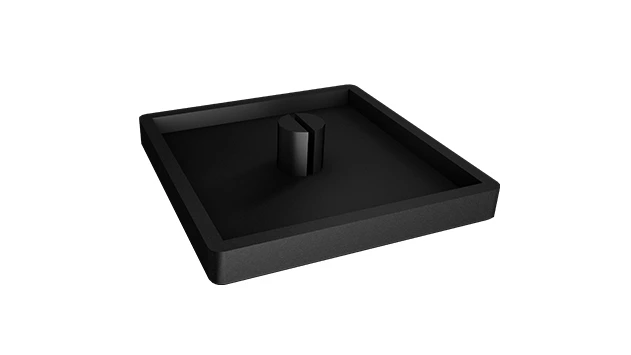
First, let's get clear on what we're talking about. 4040 aluminum extrusion profiles are a staple in industrial and commercial settings. Named for their dimensions—40mm by 40mm—they're used to build everything from workbenches and assembly lines to shelving units and machine guards. Their T-slotted design makes them versatile; you can attach brackets, panels, and accessories with ease. But those open ends? They're a hazard. Without a cap, the raw edges of the aluminum can cut hands, catch on clothing, or collect dirt that jams T-slot accessories. Enter the 4040 aluminum profile end cap: a small, often plastic or aluminum piece designed to snap or press-fit into the profile's end.
These caps are part of a broader category of aluminum profile accessories , which includes everything from brackets and hinges to corner codes and gaskets. While they might seem trivial compared to the profiles themselves, end caps play a big role in safety and aesthetics. Imagine a workshop where every workbench and material rack has jagged, uncovered profile ends—OSHA inspectors wouldn't be happy, and neither would your team. Plus, a finished project with mismatched or missing end caps looks unprofessional, which matters if clients or auditors visit your space.
Why Do Suppliers Bother with MOQs for Such Small Parts?
At first glance, it might seem odd that a supplier would refuse to sell you 50 end caps when you only need 20. After all, they're small, lightweight, and don't take up much space. But MOQs exist for a reason, and it all comes down to the realities of manufacturing and business. Let's break it down from a supplier's perspective—whether they're a large aluminum profile supplier churning out thousands of parts daily or a niche lean pipe supplier catering to small manufacturers.
1. Production Efficiency: Making end caps, even simple plastic ones, isn't as easy as popping them out of a mold. Suppliers need to set up injection molding machines, calibrate tools, and test samples to ensure quality. For a run of 50 end caps, the time and labor spent on setup might cost more than the profit from the order itself. It's more efficient to produce 500 or 1,000 at once, spreading those setup costs across a larger batch.
2. Inventory Management: Suppliers don't just sell end caps—they stock hundreds, if not thousands, of aluminum extrusion profile accessories. Storing small batches of every possible part ties up warehouse space and capital. MOQs help suppliers maintain predictable inventory levels: if they know they'll sell at least 200 end caps per order, they can plan production runs and storage more efficiently.
3. Profit Margins: Let's face it—end caps aren't high-margin items. A plastic 4040 end cap might cost $0.50 to $2.00 per unit, depending on material and quality. Selling 20 of them nets the supplier $10 to $40, which doesn't cover shipping, packaging, or customer service. MOQs ensure suppliers make enough per order to justify the effort.
4. Market Positioning: Some suppliers focus on large-scale manufacturers, who need thousands of end caps at a time. Setting a higher MOQ helps these suppliers filter out small orders and focus on clients who align with their business model. Smaller suppliers, by contrast, might set lower MOQs to attract hobbyists, startups, or local businesses—but even they have limits.

Factors That Shape MOQs for 4040 End Caps
Not all MOQs are created equal. A supplier might require 500 units for one type of end cap and 100 for another. What drives these differences? Let's look at the key factors:
Material Matters: Plastic vs. Aluminum End Caps
Most 4040 end caps are made of plastic (like polypropylene or ABS) or aluminum. Plastic end caps are cheaper to produce, so suppliers often set lower MOQs for them. For example, a basic black plastic end cap might have an MOQ of 100–200 units. Aluminum end caps, which require machining or die-casting, are more labor-intensive, so their MOQs tend to be higher—often 200–500 units. If you need aluminum caps for a high-end application (like a cleanroom or medical device setup), expect to order more upfront.
Customization: Stock vs. Made-to-Order
Stock end caps—think standard colors like black, white, or gray—are usually ready to ship, and suppliers keep them in inventory. Their MOQs are lower because the supplier isn't starting from scratch. But if you need custom colors (say, bright yellow to match your brand), logos, or special designs (like vented caps for electronics enclosures), the MOQ will jump. Customization means adjusting molds, testing new colorants, or even creating new tooling—costs that suppliers pass on by requiring larger orders.
Supplier Size and Niche
Large, national aluminum profile suppliers that serve automotive or aerospace industries often have strict, high MOQs (500–1,000 units) because they're set up for mass production. They can't afford to prioritize small orders when they're fulfilling contracts for thousands of parts. On the flip side, smaller suppliers or distributors that cater to local businesses, Makerspaces, or small manufacturers might offer lower MOQs (100–200 units) to stay competitive. Some even specialize in "break MOQ" services, where they'll sell you 50 units for a small premium (e.g., 10–20% extra per unit).
Market Demand
If 4040 profiles are in high demand (say, during a boom in manufacturing), suppliers might raise MOQs for end caps because they know they can sell more. Conversely, if a supplier has excess inventory of a particular end cap style, they might lower the MOQ temporarily to clear stock. It pays to ask: "Do you have any overstock on 4040 end caps?"—you might score a deal.

Typical MOQ Ranges: What to Expect from Suppliers
So, what's the "average" MOQ for 4040 aluminum profile end caps? It varies, but here's a rough breakdown based on supplier type and end cap material:
| Supplier Type | End Cap Material | MOQ (Standard/Stock) | MOQ (Custom Colors/Designs) | Estimated Per-Unit Cost |
|---|---|---|---|---|
| Large Aluminum Profile Supplier | Plastic (ABS/PP) | 500–1,000 units | 1,000–2,000 units | $0.50–$1.20 |
| Large Aluminum Profile Supplier | Aluminum | 300–500 units | 500–1,000 units | $1.50–$3.00 |
| Small Distributor/Regional Supplier | Plastic (ABS/PP) | 100–200 units | 300–500 units | $0.80–$1.50 |
| Small Distributor/Regional Supplier | Aluminum | 150–300 units | 300–600 units | $1.80–$3.50 |
| Lean Pipe Supplier (Specialized in Small Batches) | Plastic (ABS/PP) | 50–100 units | 200–300 units | $1.00–$2.00 |
Let's put this in context. Suppose you're a small business building 10 workbenches, each using 4 4040 profiles (so 40 end caps total). A large supplier might require you to order 500 plastic end caps—way more than you need. A small distributor, though, could let you order 100, leaving you with 60 extra. That's manageable if you think you'll build more workbenches later, but if not, those 60 caps become dead stock.
Aluminum end caps, while more durable, come with higher MOQs because they're costlier to produce. If you need aluminum caps for a food-grade facility (where plastic might harbor bacteria), you might have to order 300 units from a regional supplier, even if you only need 50. The trade-off? Aluminum caps last longer, so if you plan to expand, the extra stock could be worth it.
How to Navigate MOQs Without Breaking the Bank
So, you need 40 end caps, but the supplier's MOQ is 200. What do you do? Here are practical strategies to avoid overordering or overpaying:
1. Buy in Bulk (If You Can Afford It)
If you're sure you'll need end caps in the future—say, you're expanding your workshop or regularly build custom fixtures—buying the full MOQ might save money long-term. For example, ordering 200 plastic end caps at $0.80 each costs $160, versus $1.50 each for a smaller, non-MOQ order of 40 ($60). If you use 40 caps now and 40 every six months, the 200-unit order will last 2.5 years, and you'll pay less per unit over time.
2. Team Up with Other Businesses
Small manufacturers, makerspaces, or local workshops often face the same MOQ struggles. Reach out to peers and split an order. For example, if you need 40 end caps and a neighboring business needs 60, together you can hit a 100-unit MOQ and split the cost and inventory. Platforms like Facebook Groups or local business associations are great for finding collaborators.
3. Negotiate (Yes, It Works!)
Don't be afraid to ask for a lower MOQ, especially if you're a repeat customer or ordering other parts. Say something like: "I regularly buy 4040 profiles and aluminum profile accessories from you—could we work out a lower MOQ for end caps this time?" Suppliers want long-term relationships, and many will bend if it means keeping your business. Some might offer a "first-order MOQ" discount (e.g., 200 units instead of 500) to win you over.
4. Look for "Break MOQ" Fees
Some suppliers offer to "break" their MOQ for a fee. For example, if their MOQ is 200 units, they might let you order 100 units for an extra $0.20 per unit. It's not ideal, but paying $100 for 100 units (with a $0.20 fee) is better than $160 for 200 if you don't need the extras.
5. Check Resellers or Online Marketplaces
Platforms like Amazon, eBay, or industrial supply sites (e.g., McMaster-Carr, Misumi) sometimes stock small quantities of 4040 end caps from resellers who've bought in bulk. These resellers often have no MOQ, though their per-unit prices are higher. It's a good option for situations, but not for regular orders.
6. Ask About Overstock or Discontinued Models
Suppliers sometimes have overstocked end caps from past orders or discontinued colors (e.g., a light gray that didn't sell well). These are often sold at reduced prices with lower MOQs. Just ask: "Do you have any end caps in stock that aren't listed on your site? I'm flexible on color."
The Bottom Line: Plan Ahead and Build Relationships
At the end of the day, MOQs for 4040 aluminum profile end caps are a reality of the manufacturing world. They might be frustrating, but they're not insurmountable. The key is to plan ahead: estimate how many end caps you'll need over the next 6–12 months, and order in bulk if possible. If you're a small operation, build relationships with local distributors or lean pipe suppliers who understand your needs—they're often more willing to work with you on MOQs than large, impersonal corporations.
And remember: those tiny end caps are more important than they seem. Skimping on them or using makeshift "caps" (like tape or foam) can lead to safety issues, damaged equipment, or a unprofessional workspace. By understanding MOQs and planning your orders, you'll keep your project on track, your team safe, and your budget in check.
So, the next time you're staring at a supplier's MOQ page, take a deep breath. With a little research, negotiation, and forward thinking, you'll find a way to get the end caps you need—without ordering more than you can store or afford. After all, every great workshop (and every successful project) starts with the small details.