- Company Articles
- Products and Technology
- Procurement Guidelines
- 4040 Aluminum Profile End Cap Price Comparison: Budget vs. Premium Options

4040 Aluminum Profile End Cap Price Comparison: Budget vs. Premium Options
Related Product
4040 Aluminum Profile End Cap
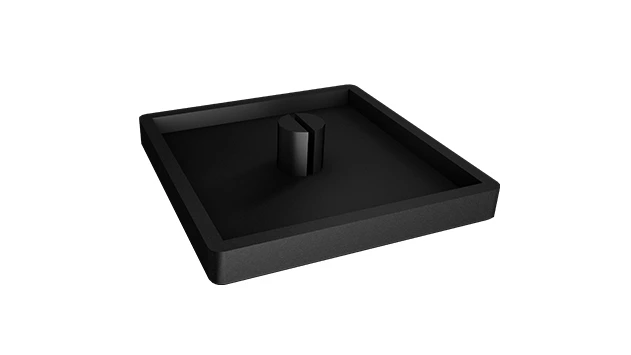
The aluminum profile end cap adds a finishing touch to your project and closes off profile ends to limit dust and debris buildup, also it can avaid some scratch for material and labor during the assemble work.
Picture this: You've just unboxed a set of 4040 aluminum extrusion profiles, ready to build that custom workstation you've been planning for weeks. The rails are sleek, the brackets are sturdy, and you're eager to start assembling. But as you handle one of the profiles, you feel a sharp edge on the end – a small detail that could turn your DIY dream into a safety hazard. That's where 4040 aluminum profile end caps step in: simple, often overlooked components that play a huge role in making your project safe, durable, and visually polished. But when you start browsing suppliers, you're faced with a choice: budget-friendly end caps that cost less than $2 per unit, or premium options priced at $3 to $8 each. Which one is right for you? Let's dive into the world of these tiny but critical aluminum profile accessories, exploring what sets budget and premium options apart, and how to decide which fits your needs.
What Are 4040 Aluminum Profile End Caps, Anyway?
Before we jump into pricing, let's make sure we're on the same page about what 4040 aluminum profile end caps actually are. If you're new to working with aluminum extrusion profiles, you might not have given much thought to the "ends" of these versatile building blocks. Aluminum profiles, like the 4040 series, are long, hollow structures with T-slots running along their length – perfect for attaching brackets, panels, and other components. But their cut ends? They're often rough, unfinished, and can have sharp edges from the manufacturing process.
Enter the end cap: a small, usually plastic or metal cover designed to snap, slide, or screw onto the open end of an aluminum profile. Think of them as the "toe caps" of your workstation – they cover the raw edges, protect against injury, and give the finished project a clean, professional look. And while they might seem like an afterthought, they're a core part of any aluminum profile accessory kit. After all, even the sturdiest workbench or material rack can feel cheap if its edges are jagged or its ends are exposed.
4040 specifically refers to the profile's dimensions: 40mm in width and 40mm in height. These are some of the most common profiles used in industrial workbenches, assembly lines, shelving units, and DIY projects because they strike a balance between strength and versatility. So, when we talk about 4040 aluminum profile end caps, we're referring to caps designed to fit this exact size – not too loose, not too tight, but just right to seal off the end without interfering with the profile's functionality.
Why Do End Caps Matter? More Than You Might Think
You might be wondering: "Can't I just skip the end caps? They're so small – do they really make a difference?" Let's put it this way: Would you buy a shirt with the hem unfinished, or a bookshelf with splintered edges? Probably not. End caps do more than just "finish" a project – they serve three critical roles that make them worth every penny (whether you're spending pennies or dollars).
Safety First: No More Ouch Moments
Sharp edges are a hidden hazard in any workspace. Imagine reaching for a tool on your new aluminum profile workbench and grazing your arm against an exposed profile end – suddenly, that DIY pride turns into a bleeding cut. Budget or premium, end caps eliminate this risk by covering those sharp edges. In industrial settings, where workers might brush against equipment dozens of times a day, this isn't just a nicety – it's a safety requirement. OSHA standards often mandate that machinery and work surfaces have rounded or covered edges to prevent lacerations, and end caps are a simple way to comply.
Durability: Keeping the Elements (and Dust) Out
Aluminum extrusion profiles are hollow, which means their open ends can act like mini funnels for dust, dirt, and moisture. Over time, that debris can build up inside the profile, making it harder to slide in T-slot nuts or clean. In humid environments, moisture trapped inside might even lead to corrosion (especially in uncoated aluminum). End caps seal off these openings, keeping the interior of your profiles clean and dry – extending their lifespan and maintaining their functionality.
Aesthetics: Polished = Professional
Let's be honest: Looks matter. Whether you're building a garage workbench for personal use or outfitting a customer-facing retail display, the little details make a big impression. Exposed profile ends look unfinished, like you ran out of time or budget. A set of well-fitted end caps, on the other hand, gives your project a cohesive, intentional look. It says, "I care about quality – even the small stuff." This is especially true for premium end caps, which often come in colors that match or complement the aluminum profiles, creating a seamless visual flow.
Pro Tip:
If you're selling products made with aluminum profiles (like custom workstations or display racks), upgrading to premium end caps can be a simple way to justify a higher price point. Customers notice attention to detail – and they're willing to pay for it.

Budget 4040 Aluminum Profile End Caps: Affordable, but What's the Catch?
Let's start with the option that catches most DIYers' eyes first: budget 4040 aluminum profile end caps. These are the ones you'll find priced between $0.50 and $2 per unit, often sold in bulk packs of 50 or 100. They're widely available from general hardware stores, online marketplaces, and even some aluminum profile suppliers. But what exactly are you getting for that low price?
Materials: Plastic Rules the Budget Realm
Budget end caps are almost always made of plastic – usually polypropylene (PP) or polyethylene (PE). These are lightweight, inexpensive materials that can be mass-produced quickly. Some might have a basic "snap-on" design: flexible plastic tabs that bend slightly as you push the cap onto the profile end, then grip the interior walls to stay in place. Others might be a simple friction fit, relying on the plastic's natural flexibility to hold them snug.
You'll rarely find budget end caps made of metal. Aluminum or stainless steel would drive up the cost, and since budget options prioritize low price over longevity, plastic is the go-to. That said, not all plastics are created equal. Some budget end caps use thin, brittle plastic that can crack if you push too hard during installation. Others might use a slightly thicker grade, but still lack additives like UV stabilizers (more on that later).
Design: Basic, But Functional (Sometimes)
Budget end caps tend to have a no-frills design. Most are plain, solid-colored (usually black, white, or gray), and lack extra features. You won't find gaskets for a watertight seal, or textured surfaces for better grip during installation. The focus is on "good enough" – covering the edge and staying on (at least for a while).
One common issue with budget designs is fit. Since they're mass-produced with less strict quality control, some caps might be slightly too small (falling off easily) or slightly too large (cracking when forced on). If you've ever bought a pack of budget end caps and found that 10% of them don't fit your profiles, you're not alone. This inconsistency is part of the trade-off for the low price.
Pros of Budget End Caps
- Easy on the Wallet: The biggest draw, obviously. For a hobby project or temporary setup, spending $50 on 100 budget end caps is far more appealing than $200 on premium ones.
- Lightweight: Plastic end caps add almost no extra weight to your project, which can be helpful if you're building something portable (like a rolling cart).
- Quick Installation: Snap-on designs mean you can install them in seconds, no tools required. Perfect for weekend warriors who want to finish their project fast.
Cons of Budget End Caps
- Durability Issues: Brittle plastic can crack in cold temperatures or under repeated impact. If your workstation gets bumped often, expect to replace budget end caps every few months.
- Poor Fit Consistency: As mentioned, some caps might fall off or crack during installation due to size variations.
- Limited Lifespan Outdoors: Without UV stabilizers, budget plastic end caps will fade and become brittle if exposed to sunlight for extended periods. They're best suited for indoor use.
- Aesthetic Limitations: Basic colors and simple designs might clash with high-end aluminum profiles, making your project look "cheap" despite the quality of the profiles themselves.
Who Should Choose Budget End Caps?
Budget end caps are ideal for temporary setups (like a pop-up event display), DIY hobby projects (a garage workbench that's just for personal use), or tight budgets where every dollar counts. If you don't expect heavy use, and you're okay with replacing a few caps here and there, they'll get the job done. Just don't rely on them for high-traffic industrial areas or outdoor applications.

Premium 4040 Aluminum Profile End Caps: Investing in Quality
Now, let's shift to the other end of the spectrum: premium 4040 aluminum profile end caps. These are the options that make you pause and think, "Is that really worth $5 per cap?" But when you look closer, you'll see that the higher price tag often comes with tangible benefits. Premium end caps typically range from $3 to $8 per unit, with some specialized options (like ESD-safe or food-grade) costing even more. So, what makes them "premium"?
Materials: Aluminum, High-Grade Plastics, and Added Extras
Premium end caps often use higher-quality materials – and sometimes even metal. You'll find options made of aluminum (matching the profile itself for a seamless look), or engineering-grade plastics like ABS (acrylonitrile butadiene styrene) or nylon. These plastics are thicker, more flexible, and resistant to impact, temperature changes, and UV radiation.
Aluminum end caps, in particular, are a popular choice for industrial settings. They're almost as strong as the profiles themselves, so they won't crack or break under heavy use. They also conduct heat and electricity (which can be a pro or con, depending on the application), and they develop a natural oxide layer that resists corrosion. For a sleek, modern look, anodized aluminum end caps (in colors like silver, black, or gold) can elevate the aesthetic of any project.
High-grade plastic premium end caps often include additives like UV stabilizers (preventing fading outdoors), flame retardants (for electrical applications), or ESD (electrostatic discharge) protection (critical in electronics manufacturing, where static can damage components). Some even have integrated gaskets (usually rubber or silicone) that create a watertight seal, making them ideal for damp environments like commercial kitchens or outdoor kiosks.
Design: Precision Fit and Thoughtful Details
Premium end caps are designed with precision. Since they're often made by specialized aluminum profile suppliers (not general manufacturers), they're engineered to fit specific profile series – like 4040 – with tight tolerances. This means almost every cap in the pack will fit perfectly, with no guessing or forcing. The result? A snug, secure fit that doesn't fall off, even with regular bumping or vibration.
Many premium designs also include small but smart features. For example, some have a textured grip ring around the edge, making them easier to twist or pull off if you need to access the inside of the profile (say, for cable management). Others have a recessed center, allowing you to add a label or logo (great for branding in retail displays). Some aluminum end caps even have a countersunk hole, so you can screw them onto the profile for permanent installation – perfect for high-vibration environments like factories with heavy machinery.
Durability: Built to Last (Years, Not Months)
The biggest advantage of premium end caps is longevity. A high-quality aluminum or ABS end cap can last 5-10 years in industrial use, compared to 6-12 months for a budget plastic cap. This might seem like a small difference, but over time, the cost of replacing budget caps adds up. If you're running a business with 100 workstations, each using 4 end caps, replacing them twice a year at $1 per cap costs $800 annually. A one-time investment in premium caps at $5 each would cost $2,000 upfront, but save you $800 every year after – paying for themselves in just 2.5 years.
Who Should Choose Premium End Caps?
Premium end caps are worth the investment for industrial or commercial settings (factories, warehouses, retail displays), outdoor applications (where UV resistance matters), high-traffic areas (schools, gyms, busy offices), or projects where aesthetics are critical (custom furniture, client-facing workstations). They're also a must if you need specialized features like ESD protection or watertight seals.
Side-by-Side: Budget vs. Premium End Caps
To make it easier to compare, let's break down the key differences in a table:
| Feature | Budget 4040 End Caps | Premium 4040 End Caps |
|---|---|---|
| Price Range | $0.50 – $2 per unit | $3 – $8 per unit |
| Materials | Basic PP/PE plastic (thin, brittle) | Aluminum, ABS, or nylon (thick, impact-resistant); may include UV stabilizers or gaskets |
| Fit Consistency | Inconsistent – some too loose/tight | Precision fit (tight tolerances for 4040 profiles) |
| Durability | 6 – 12 months (indoor, light use) | 5 – 10 years (industrial, heavy use) |
| UV Resistance | Poor (fades/cracks outdoors) | Excellent (with UV stabilizers) |
| Safety Features | Covers sharp edges (basic protection) | Secure fit (no falling off); some with rounded edges for extra safety |
| Aesthetic Options | Limited colors (black, white, gray); plain design | Multiple colors (including anodized aluminum); custom logos/labels possible |
| Best For | DIY hobbies, temporary setups, tight budgets | Industrial use, outdoor projects, high-traffic areas, aesthetic focus |
How to Decide: 5 Questions to Ask Yourself
Now that you know the differences, how do you choose between budget and premium 4040 aluminum profile end caps? It comes down to your specific needs. Ask yourself these five questions to narrow it down:
1. Where Will the Project Be Used?
Indoor, low-traffic areas (like a home workshop) can get away with budget caps. Outdoor, high-traffic, or industrial areas need premium. For example, a backyard greenhouse using 4040 profiles will need UV-resistant premium caps to withstand the sun, while a craft table in your basement can use budget caps just fine.
2. How Long Do You Need It to Last?
Is this a temporary setup (e.g., a trade show display that will be taken down in a month)? Go budget. Is it a permanent workstation that will be used daily for years? Go premium. Remember: cheap upfront costs can become expensive over time if you're replacing caps constantly.
3. What's Your Budget (Really)?
It's easy to say "I'll save money with budget caps," but calculate the long-term cost. If you need 20 caps, budget might cost $20 total, while premium costs $100. But if you replace the budget caps twice a year, in 5 years you'll have spent $200 – twice the premium cost. Sometimes, spending more now saves more later.
4. Does Aesthetics Matter?
Are you building something that will be seen by customers (like a retail display) or clients (like an office reception desk)? Premium caps with matching colors and a polished finish will make a better impression. If it's hidden in a garage corner, budget is fine.
5. Are There Special Requirements?
Do you need ESD protection (electronics manufacturing), food-grade materials (commercial kitchens), or fire resistance (public buildings)? These are almost always only available in premium end caps. Don't cut corners on safety or compliance.
Hybrid Approach:
Can't decide? Mix and match! Use premium caps on high-visibility or high-traffic parts of your project (like the front of a workbench) and budget caps on hidden areas (like the back or bottom). It's a great way to balance cost and quality.
Real-World Stories: Budget vs. Premium in Action
Still on the fence? Let's look at two real-world examples of how the choice between budget and premium end caps played out for different users.
Sarah's Garage Workbench: Budget Caps Win for Hobby Use
Sarah is a DIY enthusiast who built a 4040 aluminum profile workbench in her garage to store her tools and work on woodworking projects. She wanted something sturdy but didn't want to spend a fortune. She bought a pack of 50 budget black plastic end caps for $25 (about $0.50 each). Installation was a breeze – most snapped on easily, though a few were too tight and cracked (she tossed those). Two years later, the caps still look good, with no cracks or fading (since the garage is indoors). She's never had an issue with sharp edges, and the workbench gets used a few times a week. For Sarah, budget caps were the perfect choice – they met her needs, saved money, and she hasn't had to replace any yet.
Mike's Small Manufacturing Business: Premium Caps Pay Off
Mike owns a small electronics assembly company with 10 workstations, each built from 4040 aluminum profiles. His team uses these workstations 8 hours a day, 5 days a week. At first, he used budget end caps to save money – $1 per cap, 40 caps total ($40). But within 6 months, half of the caps had cracked or fallen off, exposing sharp edges. One employee even cut their arm, leading to a workers' comp claim. Fed up, Mike switched to premium aluminum end caps at $5 each ($200 total). That was 3 years ago, and those caps still look brand new. No more injuries, no more replacements, and the workstations look more professional to clients who visit the shop. "The premium caps paid for themselves in the first year," Mike says. "I should have done it sooner."
Common Myths About End Caps (Busted!)
There are a few misconceptions floating around about 4040 aluminum profile end caps. Let's set the record straight:
Myth: "All Plastic End Caps Are Low Quality"
False! While budget caps are often low-quality plastic, premium plastic caps (like those made of ABS or nylon) can be more durable than cheap aluminum. It's the material grade and additives that matter, not just the material type.
Myth: "I Can Just Use Duct Tape Instead"
Please don't. Duct tape wears off, looks messy, and doesn't provide a secure seal. It's a temporary fix at best, and a safety hazard at worst (tape can peel up, leaving sticky residue and exposed edges).
Myth: "Premium End Caps Are Only for Big Companies"
Not true! Even small businesses or serious DIYers can benefit from premium caps if they value durability or aesthetics. If you're investing time and money into a high-quality aluminum profile project, skimping on end caps can undermine that investment.
Final Thoughts: It's About Value, Not Just Price
At the end of the day, choosing between budget and premium 4040 aluminum profile end caps isn't just about cost – it's about value. Budget caps offer great value for temporary, low-use, or hobby projects. Premium caps offer value for long-term, high-use, or professional projects, where durability, safety, and aesthetics matter most.
Remember, these small accessories play a big role in how your aluminum extrusion profile project functions and feels. Whether you're building a garage workbench or outfitting a factory, take the time to consider your needs, environment, and budget. And when in doubt, ask yourself: "Will this choice make my project safer, more durable, or more professional?" If the answer is yes, premium caps are worth every penny.
So, what's your decision? Whatever you choose, here's to a project with smooth edges, a polished look, and – most importantly – no ouch moments. Happy building!