- Company Articles
- Products and Technology
- Procurement Guidelines
- 4040 Aluminum Profile End Cap Supplier Guide: How to Find Reliable Manufacturers

4040 Aluminum Profile End Cap Supplier Guide: How to Find Reliable Manufacturers
Related Product
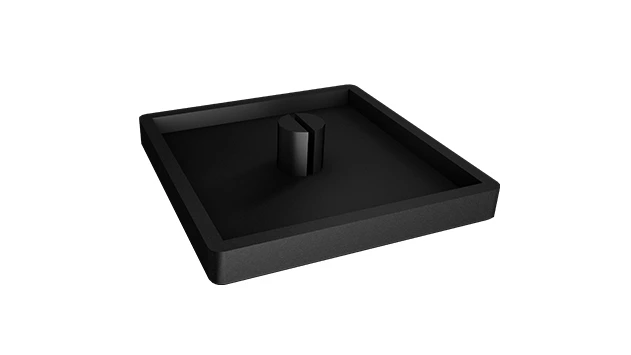
4040 Aluminum Profile End Cap
The aluminum profile end cap adds a finishing touch to your project and closes off profile ends to limit dust and debris buildup, also it can avaid some scratch for material and labor during the assemble work.
In the world of manufacturing and industrial design, aluminum extrusion profiles have become indispensable. Lightweight, durable, and endlessly versatile, these profiles form the backbone of everything from workbenches and material racks to automated machinery and assembly lines. Among the most widely used sizes is the 4040 aluminum profile—a standard that balances strength and flexibility for countless applications. But even the sturdiest 4040 profile is incomplete without a small yet critical component: the end cap.
4040 aluminum profile end caps might seem like afterthoughts, but they play a vital role in protecting both the profile and the people who interact with it. They seal exposed ends to prevent dust and debris from clogging internal channels, cushion sharp edges to reduce injury risks, and even enhance the finished product's aesthetics. Yet, not all end caps are created equal. A poorly made end cap can crack under pressure, fail to fit snugly, or degrade quickly, undermining the profile's performance and your operation's efficiency. That's why choosing the right supplier isn't just a purchasing decision—it's an investment in your product quality, production timeline, and bottom line.
In this guide, we'll walk you through everything you need to know to find a reliable 4040 aluminum profile end cap supplier. From understanding what makes a quality end cap to evaluating a manufacturer's capabilities and avoiding common pitfalls, we'll equip you with the tools to make an informed choice. Whether you're a small workshop owner sourcing parts for a custom project or a large manufacturer scaling production, this guide will help you partner with a supplier who delivers consistency, quality, and peace of mind.
Understanding 4040 Aluminum Profile End Caps: More Than Just "Caps"
Before diving into supplier selection, let's start with the basics: What exactly are 4040 aluminum profile end caps, and why do their quality and fit matter so much?
At their core, 4040 aluminum profile end caps are small, often injection-molded or machined components designed to fit snugly over the open ends of 4040 aluminum extrusion profiles. These profiles, named for their approximate 40mm x 40mm cross-section, feature T-slots along their length for attaching accessories like brackets, panels, and connectors—making them ideal for modular builds. The end cap's job is to seal the profile's exposed ends, which are typically cut during fabrication and may have rough edges or open internal cavities.
End caps are usually made from plastic (like ABS or nylon) or aluminum, each with its own advantages. Plastic end caps are lightweight, cost-effective, and available in a range of colors to match or contrast with the profile. Aluminum end caps, on the other hand, offer superior durability and a more seamless, professional look, making them popular for high-end applications or environments where impact resistance is critical.
Beyond aesthetics, their functional roles are non-negotiable:
- Safety: Exposed aluminum ends can be sharp, posing a risk of cuts during assembly or maintenance. End caps cushion these edges, reducing injury hazards.
- Protection: Without end caps, dust, moisture, and small debris can accumulate inside the profile's channels. Over time, this can corrode internal surfaces or interfere with the performance of T-slot accessories like bolts or nuts.
- Structural Support: A well-fitted end cap reinforces the profile's end, preventing minor dents or bending that could compromise its structural integrity, especially in load-bearing applications like workbenches or shelving.
The problem? Not all end caps are designed to meet these needs. A low-quality end cap might be too brittle, cracking when pushed onto the profile. Or it might have imprecise dimensions, leaving gaps that let debris in or falling off during use. In some cases, suppliers cut corners by using recycled or low-grade plastics that degrade under heat, sunlight, or chemical exposure—common in industrial settings.
Pro Tip:
When evaluating end caps, pay attention to the "snap fit." A quality end cap should require gentle pressure to install but stay firmly in place once seated. If it slides off easily or requires excessive force (risking damage to the profile), it's a red flag.
Key Factors to Evaluate in a 4040 Aluminum Profile End Cap Supplier
Now that you understand why end cap quality matters, let's turn to the heart of the matter: how to assess potential suppliers. Not all manufacturers are equipped to deliver the consistency, reliability, and support you need. Below are the critical factors to weigh during your search.
1. Product Quality and Consistency
Quality should be your top priority—and it starts with the materials and manufacturing processes a supplier uses. For plastic end caps, ask about the resin type (e.g., ABS vs. polypropylene) and whether it's virgin or recycled material. Virgin plastics offer better strength and resistance to wear, while recycled materials may have inconsistencies in density or color. For aluminum end caps, inquire about the alloy grade and finishing processes (anodizing, powder coating) to ensure corrosion resistance.
Manufacturing standards are equally important. Look for suppliers who follow strict quality control (QC) protocols, such as automated inspection systems to check for defects like warping, mismatched dimensions, or rough edges. A reliable supplier should also be able to provide material safety data sheets (MSDS) and certifications (e.g., RoHS compliance for lead-free materials, which is critical if your products are sold in the EU or North America).
Batch consistency is another key (indicator). Even if a supplier's first sample passes your tests, you need to ensure every subsequent batch meets the same standards. Ask about their production line calibration processes and how they handle variations in raw material quality. A supplier with a documented QC plan is more likely to deliver consistent results.
2. Manufacturing Capabilities and Customization
Your end cap needs might go beyond the "standard" 4040 fit. Maybe you require a custom color to match your brand, a logo embossed on the end cap, or a modified design to accommodate a unique profile variation (e.g., a 4040 profile with a custom slot pattern). In such cases, a supplier's ability to customize is non-negotiable.
Ask about their tooling capabilities: Do they have in-house mold-making facilities, or do they outsource customization? In-house tooling often means faster turnaround times and more control over quality. Also, inquire about minimum order quantities (MOQs) for custom orders. Smaller suppliers may have lower MOQs but limited customization options, while larger manufacturers might require bulk orders but offer more flexibility in design.
Production capacity is another consideration, especially if you're scaling up. A supplier with limited injection molding machines or small batch production lines may struggle to meet sudden spikes in demand, leading to delays. Ask for details on their maximum monthly output and how they handle rush orders—this will help you gauge if they can grow with your business.
3. Pricing and Cost Transparency
Cost is always a factor, but focusing solely on the lowest price can backfire. A $0.10 end cap might seem like a steal until it fails, forcing you to rework assemblies or replace defective parts. Instead, aim for value —a balance of quality, service, and price.
When requesting quotes, look for transparency. A trustworthy supplier will break down costs clearly: material, labor, tooling (for custom orders), packaging, and shipping. Watch out for hidden fees, such as "handling charges" or unexpected surcharges for small orders. If a quote seems too vague, ask for clarification—any hesitation to explain costs is a warning sign.
Don't be afraid to compare quotes from 3–5 suppliers, but remember to compare apples to apples. A higher price might reflect better materials, stricter QC, or faster delivery times—factors that can save you money in the long run by reducing waste and downtime.
4. Lead Times and Reliability
In manufacturing, time is money. A supplier who promises 2-week delivery but consistently takes 4 weeks can derail your production schedule, leading to missed deadlines or rushed assembly work. When evaluating suppliers, ask for their average lead times for standard and custom orders, and check if they can provide a written commitment to delivery dates.
Equally important is how they handle disruptions. Supply chain delays, raw material shortages, or equipment breakdowns happen to even the best suppliers—but the difference lies in communication. A reliable supplier will proactively notify you of delays, offer solutions (e.g., partial shipments), and work with you to adjust timelines. During initial conversations, pay attention to how responsive they are to your inquiries—slow replies to simple questions may foreshadow poor communication down the line.
5. Customer Support and After-Sales Service
Even the most meticulous planning can hit snags. Maybe a batch of end caps arrives with a minor defect, or you need technical help troubleshooting a fit issue with a new profile design. In these moments, a supplier's customer support and after-sales service become invaluable.
Ask about their warranty policy: Do they offer replacements for defective products, and what's the process for filing a claim? A supplier who stands behind their products will have a clear, fair warranty (e.g., 12 months from delivery for manufacturing defects).
Technical support is another plus. Some suppliers employ engineers who can help you optimize end cap designs for your specific application—for example, suggesting a reinforced edge for high-impact environments or a vented design to prevent pressure buildup in sealed profiles. If your team isn't familiar with aluminum extrusion accessories, this expertise can save you time and reduce trial-and-error costs.

Comparing Supplier Types: Which Is Right for You?
Not all 4040 aluminum profile end cap suppliers are the same. They range from small local workshops to large international manufacturers, each with trade-offs in cost, capacity, and service. To help you narrow your search, here's a comparison of common supplier types:
| Supplier Type | Pros | Cons | Best For |
|---|---|---|---|
| Local Small-to-Medium Manufacturers (SMEs) |
• Faster shipping (reduced lead times)
• Easier communication (same time zone, local language) • Lower MOQs for custom orders • Opportunity for factory visits |
• Higher per-unit costs than large-scale producers
• Limited capacity for bulk orders • Fewer customization options (e.g., specialized materials) |
Small businesses, custom projects, or urgent orders with low-to-medium volume |
| Large-Scale International Suppliers |
• Lower per-unit costs (economies of scale)
• High production capacity for bulk orders • Advanced customization (in-house tooling, global certifications) • Consistent quality (strict QC protocols) |
• Longer lead times (shipping, customs delays)
• Higher MOQs (may require 10,000+ units for custom orders) • Communication barriers (time zones, language) • Harder to resolve issues (distance limits factory visits) |
Large manufacturers with steady, high-volume demand and standardized needs |
| Aluminum Profile Accessories Specialists |
• Deep expertise in end caps, brackets, and T-slot hardware
• Bundled pricing for accessory packages (e.g., end caps + connectors) • Faster technical support for profile-specific issues |
• Limited to accessories—you'll still need to source profiles separately
• May not offer the lowest prices for standalone end caps |
Buyers who value expertise and want to streamline accessory (purchasing) |
| General Industrial Plastic/Machining Suppliers |
• Flexible production (can make end caps alongside other plastic parts)
• Option to source multiple components from one supplier |
• Less specialized knowledge of aluminum extrusion profiles
• Risk of poor fit if they don't understand 4040 profile tolerances |
Buyers already sourcing other plastic parts from the same supplier |

How to Verify a Supplier's Reliability: Step-by-Step
Once you've shortlisted a few suppliers based on the factors above, it's time to verify their claims. Talk is cheap—you need tangible evidence that they can deliver on quality, reliability, and service. Here's how to do it:
Step 1: Check Certifications and Compliance
Reputable suppliers invest in certifications to demonstrate their commitment to quality and safety. For 4040 aluminum profile end caps, key certifications include:
- ISO 9001: A quality management system certification that ensures consistent processes and product quality.
- RoHS Compliance: Restricts hazardous substances (e.g., lead, mercury) in electrical and electronic equipment—critical if your end caps will be used in products sold in the EU, China, or other regulated markets.
- REACH Compliance: Ensures the end cap materials don't contain harmful chemicals above EU limits.
Ask suppliers to share copies of these certifications, and verify them through official databases (e.g., the ISO website for ISO 9001). Be wary of suppliers who claim certification but can't provide documentation or offer expired certificates.
Step 2: Request Samples and Test Rigorously
Never commit to a large order without testing samples first. A supplier should be willing to send 5–10 free or low-cost samples of their standard 4040 end caps (custom samples may require a small fee to cover tooling). Once you receive them, test for:
- Fit: Does the end cap slide onto your 4040 profile easily but stay in place? Gaps or looseness are deal-breakers.
- Material Quality: Flex the end cap gently—does it bend without cracking? For plastic caps, check for burrs, sink marks, or discoloration, which indicate poor molding.
- Durability: Simulate real-world use: Rub the end cap against a rough surface to test abrasion resistance, or expose it to heat (e.g., a heat gun set to 60°C) to see if it warps.
If you're ordering custom end caps, request a prototype first to confirm dimensions, color, and design details. This step may take extra time, but it's far cheaper than reworking thousands of misaligned caps.
Step 3: Assess Reputation and Customer Feedback
A supplier's reputation speaks volumes. Start by checking online reviews on platforms like Alibaba, Google, or industry-specific forums (e.g., Reddit's r/manufacturing). Look for patterns: Do multiple customers complain about late deliveries or poor quality? Or are reviews consistently positive about communication and reliability?
Don't stop at public reviews—ask the supplier for references. A reputable manufacturer will gladly connect you with past or current clients, especially those in your industry. When speaking to references, ask:
- How long have you worked with this supplier?
- Have they ever missed a delivery deadline? If so, how did they handle it?
- How do their end caps compare to previous suppliers in terms of quality and durability?
- Would you recommend them, and why?
Step 4: Evaluate Communication and Responsiveness
Poor communication can turn a smooth partnership into a nightmare. During your initial outreach, note how quickly and clearly the supplier responds to emails or calls. Do they ask clarifying questions about your needs, or do they send generic quotes without addressing your specific requirements? A supplier who takes the time to understand your project is more likely to deliver tailored solutions.
Pay attention to language barriers, too. If working with an international supplier, ensure their team speaks fluent English (or your preferred language) to avoid misunderstandings. Tools like video calls can help—hearing tone and seeing body language can clarify intent better than emails alone.
Common Pitfalls to Avoid When Choosing a Supplier
Even with careful research, it's easy to fall for red flags. Here are three mistakes to steer clear of:
1. Choosing Based Solely on Price
It's tempting to go with the lowest quote, but rock-bottom prices often mean cutting corners. A supplier offering end caps for half the price of competitors may be using recycled plastics, skipping QC checks, or underpaying workers—all of which can lead to poor quality or ethical concerns. Instead, focus on total cost of ownership : A slightly higher upfront price for quality end caps will save you money by reducing replacements, rework, and downtime.
2. Overlooking Small But Critical Details
Don't assume all "4040 end caps" are identical. Profiles can vary slightly in dimensions due to manufacturing tolerances (e.g., a 40mm profile might measure 40.2mm from one supplier). If a supplier's end caps are designed for a 39.8mm profile, they may not fit yours. Always share your profile's exact dimensions (width, height, wall thickness) and request that the supplier test their end caps against it before production.
3. Ignoring Cultural or Logistical Risks with International Suppliers
International suppliers often offer lower costs, but they come with unique challenges. Shipping delays due to port congestion, customs hold-ups, or language barriers can disrupt your timeline. To mitigate this, work with suppliers who have experience exporting to your country and can handle logistics (e.g., arranging freight, providing export documentation). Consider using a third-party inspection service to check goods before they ship—this adds cost but reduces the risk of receiving defective products.
Final Thoughts: Building a Long-Term Partnership
Finding a reliable 4040 aluminum profile end cap supplier isn't just about placing an order—it's about building a partnership. The right supplier will grow with your business, adapt to your changing needs, and become a trusted resource for expertise and support. By prioritizing quality, communication, and transparency, you'll avoid the headaches of missed deadlines and defective parts—and focus on what matters most: growing your operation.
Remember, the effort you put into vetting suppliers now will pay off for years to come. Take the time to test samples, check references, and ask tough questions. Your 4040 profiles—and your bottom line—will thank you.