- Company Articles
- Products and Technology
- Product knowledge
- 4040 Aluminum Profile End Cap Surface Finish: Matte vs. Glossy Options

4040 Aluminum Profile End Cap Surface Finish: Matte vs. Glossy Options
Related Product
4040 Aluminum Profile End Cap
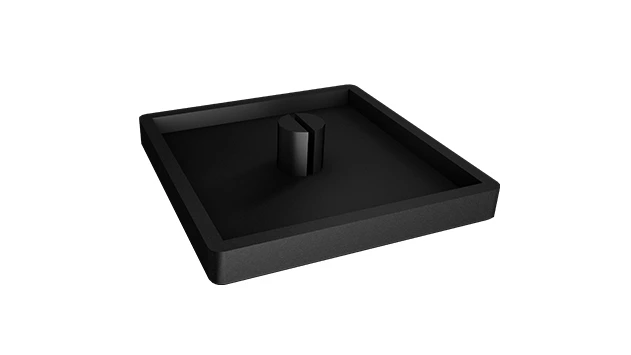
The aluminum profile end cap adds a finishing touch to your project and closes off profile ends to limit dust and debris buildup, also it can avaid some scratch for material and labor during the assemble work.
Walk into any modern factory, office, or retail space, and you'll likely spot the unsung heroes of modular design: aluminum extrusion profiles. These versatile building blocks form everything from production line workbenches to sleek office partitions, thanks to their strength, lightweight nature, and adaptability. But even the most robust aluminum profile system isn't complete without the right finishing touches—and that's where end caps come in. Specifically, 4040 aluminum profile end caps, a staple in aluminum profile accessories, play a critical role in both function and aesthetics. Today, we're diving into a detail that might seem small but makes a big difference: surface finish. Matte or glossy? Let's explore why this choice matters, and how to pick the right one for your project.
What Are 4040 Aluminum Profile End Caps, Anyway?
First, let's get clear on the basics. 4040 aluminum profiles are named for their cross-sectional dimensions: 40mm by 40mm. These profiles are workhorses in industrial and commercial settings because they strike a perfect balance between strength and versatility. They're used in everything from lean system setups (think production lines and assembly stations) to retail displays and even furniture. But like any open-ended structure, aluminum profiles have exposed ends—and that's where end caps enter the picture.
4040 aluminum profile end caps are precisely engineered covers designed to seal the open ends of 4040 profiles. At first glance, they might seem like a minor accessory, but their job is multi-fold. They protect the internal channels of the profile from dust, debris, and moisture, which can corrode the metal over time. They also eliminate sharp edges, making the structure safer for workers or anyone interacting with it. And let's not forget aesthetics: end caps give the profile a clean, finished look, turning a functional component into something that feels intentional and polished. As part of the broader category of aluminum profile accessories, they're the final puzzle piece that completes the system.
Why Surface Finish Matters More Than You Think
So, if end caps are all about sealing and safety, why does surface finish—matte vs. glossy—even matter? Because "finish" isn't just about looks. It affects how the end cap performs in real-world conditions, how easy it is to maintain, and even how it interacts with its environment. Let's break it down:
- Durability: The right finish can add a layer of protection against scratches, fingerprints, and wear, extending the life of the end cap.
- Safety: A matte finish, for example, might offer better grip than a glossy one, reducing slip risks in certain settings.
- Aesthetics: Whether you want a modern, high-shine look or a, industrial vibe, finish sets the tone for the entire system.
- Functionality: In specialized environments—like ESD (electrostatic discharge) workstations—finish can even impact static control, though this is more about the base material than the finish itself.
For anyone sourcing aluminum extrusion profile components—whether you're a lean system supplier building a production line or a DIY enthusiast putting together a home workshop—understanding the pros and cons of matte vs. glossy finishes will help you make a choice that aligns with both your practical needs and your vision.

Matte Finish: The Understated Workhorse
What Does Matte Feel and Look Like?
Matte finish is the quiet achiever of the two options. It has a soft, non-reflective surface that absorbs light rather than bouncing it back. Run your finger over a matte end cap, and you'll notice a smooth but slightly textured feel—think of a high-quality matte phone case or a well-worn leather jacket. It doesn't shine, but it has a warm, tactile quality that feels grounded and industrial.
How Is Matte Finish Achieved?
Matte finishes on aluminum profile end caps are typically created through one of two processes: anodizing or powder coating. Anodizing involves submerging the aluminum in an electrolytic solution and passing an electric current through it, which forms a protective oxide layer on the surface. For a matte effect, the anodizing process is adjusted to create a micro-rough texture that scatters light, preventing that mirror-like shine. Powder coating, on the other hand, uses a dry powder applied electrostatically and cured under heat. A matte powder formula includes additives that break up light reflection, resulting in that soft, non-glossy look.
The Benefits of Matte Finish
Matte finish isn't just about aesthetics—it's a practical choice for many environments. Here's why it might be right for your project:
- Fingerprint and Smudge Resistance: One of the biggest perks of matte is that it hides fingerprints and smudges like a pro. Because it doesn't reflect light, oily marks from hands blend into the texture rather than standing out. This is a game-changer in high-traffic areas where the end caps are touched frequently—like on a lean pipe workbench in a busy factory.
- Scratch and Wear Camouflage: Matte's textured surface also does a great job of hiding minor scratches and dents. While it won't prevent damage, the way light scatters over the surface means small blemishes are far less noticeable than they would be on a glossy finish. This makes matte end caps ideal for environments where the profile might bump against tools, equipment, or materials.
- Glare Reduction: In spaces with bright overhead lighting or natural sunlight, glossy surfaces can create distracting glare. Matte finish eliminates this issue, making the area more comfortable to work in. Imagine a production line with fluorescent lights—matte end caps would keep the workspace bright without the eye strain of reflected light.
- Industrial Aesthetic Appeal: Matte has a raw, utilitarian charm that fits perfectly with industrial or minimalist designs. It says, "This is built to work," which aligns with the ethos of lean system setups where function takes center stage.
Best Environments for Matte Finish
Matte finish thrives in settings where practicality and low maintenance are priorities. Think:
- Manufacturing and Production Facilities: Lean pipe workbenches, assembly lines, and material racks in factories see a lot of action. Matte end caps here mean less time wiping down smudges and more time focusing on productivity.
- Garages and Workshops: Whether it's a home DIY space or a professional auto shop, matte end caps on tool racks or workbenches can handle grease, oil, and rough use without looking worn out.
- High-Traffic Public Spaces: Areas like school hallways, gyms, or warehouse corridors where the profiles are touched or bumped often benefit from matte's ability to hide wear.

Glossy Finish: The Shiny Showstopper
What Does Glossy Feel and Look Like?
If matte is the understated workhorse, glossy is the attention-grabber. Glossy finish has a smooth, reflective surface that mirrors light, giving it a sleek, polished appearance. Run your hand over it, and it feels silky-smooth—like a brand-new appliance or a polished marble countertop. It catches the light, making the end cap (and the entire profile) feel more premium and eye-catching.
How Is Glossy Finish Achieved?
Glossy finishes are also created through anodizing or powder coating, but with a focus on maximum light reflection. In anodizing, the process results in a smoother oxide layer that allows light to bounce off uniformly. For powder coating, a high-gloss formula is used, which cures into a hard, mirror-like surface. Some glossy end caps even undergo additional polishing steps to enhance their shine, making them almost glass-like in appearance.
The Benefits of Glossy Finish
Glossy finish isn't just about looks—though it does excel there. It has functional advantages too:
- Sleek, Modern Aesthetics: There's no denying the visual appeal of glossy finish. It adds a touch of sophistication and modernity to any aluminum extrusion profile setup. It's the choice when you want the structure to feel intentional and high-end—like in a retail display or a tech company's office.
- Easy Cleaning (When You Do Clean): While glossy shows fingerprints more, it's often easier to wipe them away. Because the surface is smooth, a quick swipe with a microfiber cloth or glass cleaner removes smudges completely, leaving the finish looking brand new. This is great for spaces where you can commit to regular cleaning.
- Light Reflection and Space Brightening: Glossy surfaces reflect light, which can make small or dimly lit spaces feel brighter and more open. In a small retail store, for example, glossy end caps on display racks can bounce light around, highlighting products and making the space feel larger.
- Color Vibrancy: If you're using colored end caps (yes, they come in hues beyond silver!), glossy finish makes the color pop more. The reflection enhances the depth of the shade, making it more vivid than it would be on a matte surface.
Best Environments for Glossy Finish
Glossy finish shines (pun intended) in settings where aesthetics and presentation matter most. Consider:
- Retail and Showrooms: Whether it's a clothing store display or a tech showroom showcasing the latest gadgets, glossy end caps on aluminum extrusion profile structures draw the eye and elevate the overall look. They make the display feel premium, which can boost customer perception of the products.
- Office Spaces and Commercial Interiors: Modern offices often use aluminum profiles for partitions, shelving, or desk setups. Glossy finish here adds a sleek, professional touch that aligns with a contemporary work environment.
- Home and Furniture Projects: DIYers building custom shelves, TV stands, or room dividers might opt for glossy end caps to match modern home decor. They add a polished, finished look that feels more "furniture" than "industrial."
- Low-Traffic, High-Visibility Areas: Places where the profiles are seen often but touched rarely—like ceiling-mounted racks or wall displays—are perfect for glossy. The shine enhances the design without the hassle of constant cleaning.
Matte vs. Glossy: A Side-by-Side Comparison
Still on the fence? Let's put matte and glossy head-to-head in a quick comparison table to see how they stack up across key factors:
| Factor | Matte Finish | Glossy Finish |
|---|---|---|
| Appearance | Soft, non-reflective, warm industrial look | Shiny, reflective, sleek modern look |
| Texture | Slightly textured, tactile | Smooth, glass-like |
| Fingerprint/Smudge Visibility | Low—hides marks well | High—marks stand out clearly |
| Scratch/Dent Visibility | Low—texture camouflages minor damage | High—smooth surface shows scratches easily |
| Glare | None—absorbs light | High—reflects light, may cause glare |
| Cleaning Ease | Easy (less frequent cleaning needed) | Easy (but requires more frequent cleaning) |
| Cost | Generally lower (simpler finishing process) | Often higher (additional polishing steps) |
| Best For | High-traffic, industrial, low-maintenance spaces (e.g., lean pipe workbenches, factories) | Low-traffic, aesthetic-focused spaces (e.g., showrooms, offices, retail displays) |
How to Choose: 5 Key Factors to Consider
Now that you know the ins and outs of matte and glossy, how do you decide which is right for your project? Here are five questions to ask yourself:
1. What's the Environment Like?
Start by thinking about where the 4040 aluminum profile will live. Is it in a dusty factory with constant foot traffic? A quiet office with soft lighting? Outdoor exposure (though aluminum end caps are mostly indoor, but still)? High-traffic, messy environments lean (pun intended) toward matte. Low-traffic, visually focused spaces often suit glossy.
2. Who Will Interact with It?
Will people be touching the end caps regularly? If it's a lean system workbench where workers rest their hands or tools, matte's fingerprint resistance is a lifesaver. If it's a ceiling display that no one touches, glossy's shine won't be marred by smudges.
3. What's Your Aesthetic Goal?
Do you want the profile to blend in or stand out? Matte has a "let the work speak" vibe, while glossy says "look at this design." A lean system supplier building a production line might prioritize function over flash (matte), while a designer creating a retail installation might want to make a statement (glossy).
4. How Much Maintenance Can You Commit To?
Be honest: Will you have time to wipe down glossy end caps every day to keep them fingerprint-free? If not, matte is the practical choice. If you don't mind a quick polish now and then, glossy's shine might be worth the effort.
5. What's Your Budget?
Glossy finishes often cost a bit more than matte, thanks to the extra steps in the finishing process (like polishing). If budget is tight, matte gives you great functionality at a lower price point. If aesthetics are worth the splurge, glossy is a solid investment.
Real-World Examples: How Others Chose
Still unsure? Let's look at two real-world scenarios where the choice between matte and glossy made all the difference.
Case Study 1: A Manufacturing Plant's Lean Pipe Workbench
A mid-sized electronics manufacturer approached a lean system supplier needing to upgrade their assembly line workbenches. The workbenches would be used 12 hours a day, with workers handling circuit boards, tools, and components. The plant manager prioritized durability, safety, and low maintenance—since downtime for cleaning would cut into production.
The supplier recommended 4040 aluminum profiles with matte end caps. Why? The matte finish hid fingerprints from constant handling, camouflaged minor scratches from tools, and reduced glare under the factory's bright LED lights. After six months, the workbenches still looked nearly new, and the maintenance team reported spending 70% less time cleaning end caps compared to the old glossy ones they'd used previously. "It's the little things," the plant manager noted. "Not worrying about smudges means our team stays focused on building, not cleaning."
Case Study 2: A Tech Retail Showroom Display
A tech company opening a new flagship store wanted to create eye-catching displays for their latest gadgets. They chose aluminum extrusion profiles to build modular shelving and product stands, aiming for a sleek, futuristic look that would highlight their devices.
Here, glossy end caps were the clear choice. The reflective finish bounced light around the space, making the displays feel bright and modern. The store's design team paired the glossy end caps with backlit panels, creating a high-end atmosphere that drew customers in. While staff did need to wipe down the end caps twice daily to remove fingerprints, the store manager deemed it worthwhile: "The displays look so polished, and customers comment on how premium the products feel because of the setup. It's a small price to pay for that first impression."
Caring for Your End Caps: Maintenance Tips for Both Finishes
Whichever finish you choose, a little care goes a long way in keeping your 4040 aluminum profile end caps looking their best. Here's how to maintain them:
For Matte Finish
- Regular Dusting: Use a soft, dry cloth or a feather duster to remove surface dust. This prevents buildup that can make the matte texture look dull.
- Spot Cleaning: For smudges or light stains, wipe with a damp microfiber cloth and mild soap (like dish soap). Avoid abrasive sponges or scouring pads—they can scratch the textured surface.
- Tough Stains: For grease or oil, use a solution of warm water and vinegar, then dry immediately with a clean cloth. Avoid harsh chemicals like bleach, which can discolor the finish.
For Glossy Finish
- Frequent Wiping: Use a microfiber cloth to wipe fingerprints and smudges daily. The smoother surface means marks come off easily with just a dry cloth.
- Deep Cleaning: For stubborn stains, spray a small amount of glass cleaner (ammonia-free is best) onto the cloth (not directly on the end cap) and wipe gently. This will restore the shine without damaging the finish.
- Avoid Scratches: Be careful with sharp objects near glossy end caps—even a small scratch will stand out. Use felt pads or bumpers if the profile is near other surfaces that might rub against it.
Final Thoughts: It's All About Balance
At the end of the day, there's no "better" finish—only the right finish for your needs. Matte and glossy 4040 aluminum profile end caps each bring unique strengths to the table. Matte is the practical, low-maintenance workhorse, perfect for high-traffic industrial settings like lean pipe workbenches. Glossy is the showstopper, adding sleekness and shine to spaces where aesthetics matter most, like retail displays or modern offices.
Remember, these end caps are more than just accessories—they're the finishing touch that turns a functional aluminum extrusion profile into a complete, cohesive system. Whether you're a lean system supplier building for a factory or a DIYer creating a home project, taking the time to choose the right finish will ensure your setup looks great, works hard, and stands the test of time.
So, what'll it be? The quiet confidence of matte, or the bold shine of glossy? Either way, your 4040 aluminum profiles will thank you for the upgrade.