
If you've ever rolled up your sleeves to build a workbench, assemble a material rack, or set up a production line, chances are you've encountered aluminum extrusion profiles. These modular, versatile structures are the backbone of countless industrial, commercial, and even DIY projects—from factory floors to home garages. And if you've worked with aluminum profiles, you know the 4040 series is the unsung hero: strong enough for heavy-duty tasks, yet lightweight enough for easy customization. But here's the thing: even the sturdiest 4040 profile feels incomplete without the right end cap. It's a small component, sure, but it's the detail that turns a "functional setup" into a "polished, professional system." Today, we're taking a deep dive into 4040 aluminum profile end caps—breaking down dimensions, thickness, load capacity, and why these tiny parts deserve just as much attention as the profiles themselves.
Why End Caps Matter: More Than Just a "Finishing Touch"
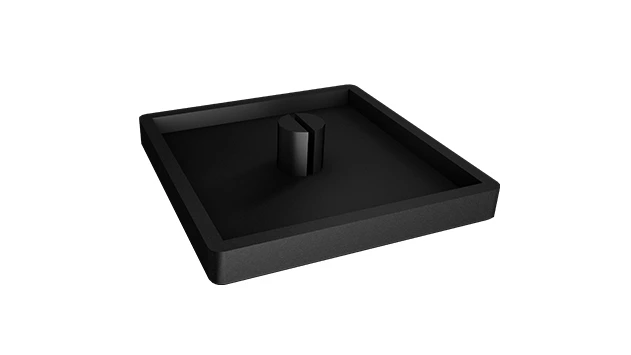
Let's start with the basics: What even is an end cap, and why should you care? At first glance, it might seem like a cosmetic add-on—a way to cover the open ends of aluminum profiles to make them look neat. But in reality, end caps play a critical role in both safety and longevity. Think about it: raw aluminum profile ends are sharp. Without an end cap, those edges can snag gloves, scratch tools, or even cut hands during installation or maintenance. In busy workshops or factories, that's a safety hazard waiting to happen. Then there's protection: open profile ends act like magnets for dust, debris, and moisture. Over time, that gunk can corrode the inside of the profile, weaken structural integrity, or even jam T-slot accessories like bolts and brackets. End caps seal those ends, keeping your profiles clean and functional for years. And yes, they do add a polished look—no more unsightly exposed aluminum edges ruining the sleek vibe of your setup. For anyone building with aluminum extrusion profiles, end caps aren't optional—they're essential.
First Things First: Understanding 4040 Aluminum Extrusion Profiles
Before we jump into end caps, let's make sure we're all on the same page about the star of the show: the 4040 aluminum extrusion profile. As the name suggests, these profiles measure 40mm by 40mm in cross-section—square or rectangular, depending on the design. They're extruded from aluminum alloys (usually 6063-T5, known for strength and corrosion resistance) and feature T-slots along their length. These slots let you slide in brackets, shelves, panels, or other aluminum profile accessories, making customization a breeze. 4040 profiles are everywhere: in workbenches for assembly lines, material racks in warehouses, conveyor systems in factories, and even DIY furniture at home. Their popularity comes down to balance: they're strong enough to support heavy loads (we're talking hundreds of kilograms), yet lightweight enough to be moved or reconfigured without heavy machinery. Now, onto the end caps that keep these workhorses in top shape.

Dimensions: Getting the Perfect Fit for 4040 Profiles
When it comes to end caps, "one size fits all" is a myth. 4040 profiles might be standardized at 40x40mm, but their internal dimensions can vary slightly based on wall thickness. Most 4040 profiles have a wall thickness of 1.5mm to 3mm, which means the inner cavity (where the end cap fits) is usually around 37mm to 38mm per side. That's why end cap dimensions are all about precision—too small, and they'll fall out; too large, and they'll crack or warp the profile when forced in. Let's break down the key measurements you need to know.
| End Cap Type | Outer Dimensions (L x W) | Inner Fit Dimensions | Height/Depth | Common Use Case |
|---|---|---|---|---|
| Standard Snap-In | 37.5mm x 37.5mm | 36.5mm x 36.5mm (fits 1.5mm wall profiles) | 10mm – 15mm | Light-duty workbenches, DIY projects |
| Heavy-Duty Snap-In | 38mm x 38mm | 37mm x 37mm (fits 2mm wall profiles) | 15mm – 20mm | Industrial material racks, conveyor systems |
| Oversized (Edge-Covering) | 42mm x 42mm | 37.5mm x 37.5mm (covers outer edges) | 12mm – 18mm | Public areas, retail displays (safety-focused) |
| Custom Machined | Varies (37mm – 45mm) | Tailored to profile specs | Varies (10mm – 30mm) | Specialized industrial or aerospace projects |
Pro tip: Always measure your profile's inner dimensions before buying end caps. A quick caliper check can save you from the frustration of mismatched parts. For example, if your 4040 profile has a 3mm wall thickness, the inner cavity will be 34mm x 34mm (since 40mm – 2*3mm = 34mm), so you'll need an end cap with outer dimensions around 33.5mm x 33.5mm for a snug fit. Most manufacturers list "compatible profile wall thickness" on their end cap specs—keep an eye out for that!

Thickness: How Material Gauge Impacts Durability
End cap thickness might seem like a minor detail, but it's the difference between a cap that cracks after a month and one that lasts for years. Thickness refers to the gauge of the material used (usually plastic or aluminum), and it directly affects strength, impact resistance, and load-bearing ability. Let's break down the most common thickness ranges and when to choose each.
Plastic End Caps: Lightweight and Cost-Effective
Plastic end caps (typically made from PVC, ABS, or polypropylene) are the go-to for most DIY and light industrial projects. They're affordable, lightweight, and come in a range of colors to match your profiles. When it comes to thickness, plastic end caps usually fall between 1.0mm and 2.5mm. Here's what each range offers:
- 1.0mm – 1.5mm: Best for low-stress applications like home workbenches or retail displays. These are flexible and easy to snap into place, but they won't hold up to heavy impacts or constant handling.
- 2.0mm – 2.5mm: A step up in durability. Ideal for workshop setups or light industrial use (think: material racks that see occasional loading/unloading). The extra thickness adds rigidity, so they're less likely to crack if bumped.
Aluminum End Caps: Heavy-Duty for Industrial Use
For heavy industrial environments—factories, warehouses, or production lines where profiles take daily abuse—aluminum end caps are worth the investment. They're stronger, more heat-resistant, and better at dissipating static (a plus for electronics manufacturing). Aluminum end cap thickness ranges from 1.5mm to 3.0mm:
- 1.5mm – 2.0mm: Great for medium-duty applications like conveyor systems or assembly line workbenches. They add structural support to profile ends, preventing bending under static loads.
- 2.5mm – 3.0mm: The heavyweights. These are designed for extreme conditions—think: profiles supporting machinery, heavy tool racks, or outdoor setups exposed to weather. The thick gauge resists dents and deformation, even under repeated impacts.
The bottom line? Thicker end caps mean longer lifespans, but they also add weight and cost. For most projects, a 2.0mm plastic or 1.8mm aluminum end cap hits the sweet spot between durability and practicality.
Load Capacity: How End Caps Support Your Setup
Here's a common misconception: end caps don't "bear" loads, so their load capacity doesn't matter. Wrong. While end caps aren't designed to hold up shelves or machinery on their own, they play a critical role in reinforcing the profile ends. When a profile is under load—say, a material rack holding 500kg of inventory—the ends of the profile can flex or deform. A well-fitted end cap acts like a brace, distributing that stress evenly and preventing the profile from cracking at the weakest point (the open end). So, even if your end cap isn't directly supporting weight, its load capacity determines how well it can reinforce the profile under pressure.
Load capacity is usually measured in kilograms (static load, or the weight it can support without deforming over time). For plastic end caps, this ranges from 50kg to 150kg, depending on thickness and material. Aluminum end caps can handle 150kg to 300kg or more. But here's the catch: load capacity isn't just about the end cap itself—it's also about installation. A loose end cap (even a thick one) won't reinforce the profile effectively. That's why snap-in end caps with friction-fit designs or screw-on caps with secure fasteners are better for high-load setups.
Choosing the Right End Cap: A Quick Checklist
With all these specs in mind, how do you pick the perfect end cap for your project? Here's a quick checklist to guide you:
- Measure your profile's inner dimensions. Use a caliper to get accurate L x W measurements of the open end. This ensures a snug fit.
- Assess your environment. Indoor, low-stress projects? Plastic end caps work. Industrial or outdoor use? Go aluminum.
- Estimate the load on the profile ends. If your setup involves heavy loads or frequent impacts, opt for thicker end caps (2.0mm+ plastic or 1.8mm+ aluminum).
- Consider installation type. Snap-on caps are easy for quick setups; screw-on caps are more secure for permanent installations.
- Don't forget aesthetics. If your project is visible (like a retail display or office partition), choose end caps that match the profile color for a cohesive look.
Final Thoughts: Small Parts, Big Impact
At the end of the day, 4040 aluminum profile end caps are a reminder that great projects are built on attention to detail. They might not be the flashiest components in your setup, but they're the ones that keep your profiles safe, clean, and strong for years to come. Whether you're building a lean workbench for your garage or a heavy-duty material rack for a factory floor, taking the time to choose the right end cap—with the correct dimensions, thickness, and load capacity—will save you headaches (and money) down the line. So, the next time you're ordering aluminum extrusion profiles and aluminum profile accessories, don't skip the end caps. Your setup (and your hands) will thank you.