- Company Articles
- Products and Technology
- Product knowledge
- 4040 Aluminum Profile End Cap Threaded vs. Non-Threaded: Which to Choose?

4040 Aluminum Profile End Cap Threaded vs. Non-Threaded: Which to Choose?
Related Product
4040 Aluminum Profile End Cap
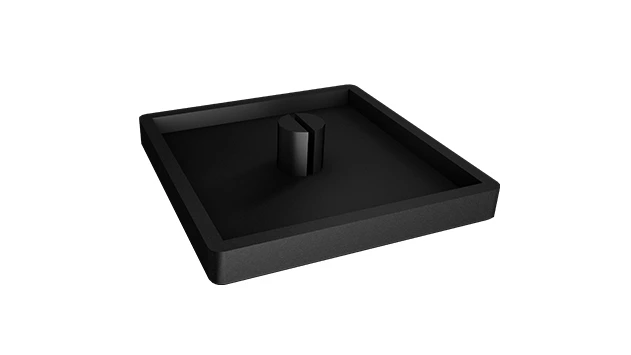
The aluminum profile end cap adds a finishing touch to your project and closes off profile ends to limit dust and debris buildup, also it can avaid some scratch for material and labor during the assemble work.
If you've ever stepped into a workshop, a manufacturing floor, or even a well-organized garage, you've probably seen them—those sleek, silver frames holding up workbenches, shelving units, or assembly lines. Chances are, those frames are made of aluminum extrusion profiles. And if you've ever gotten up close, you might have noticed small, unassuming caps on the ends of those profiles. They're easy to overlook, but trust me—those end caps matter more than you think.
Today, we're zeroing in on one of the most common profiles out there: the 4040 aluminum profile. It's the workhorse of the industry, used in everything from lean system setups to DIY furniture projects. And when it comes to finishing off a 4040 profile, the choice between threaded and non-threaded end caps can make or break your project's functionality, safety, and even longevity. Let's break down what makes each type tick, when to use them, and how to pick the right one for your needs.
First Things First: What Even Is a 4040 Aluminum Profile?
Before we dive into end caps, let's make sure we're all on the same page about the star of the show: the 4040 aluminum profile. If you're new to the world of aluminum extrusion profiles, here's the quick version: these are lightweight, durable bars made by pushing molten aluminum through a die to create a specific cross-section. The "4040" refers to its dimensions—40mm by 40mm, a square shape that's become a standard for balance, strength, and versatility.
What makes 4040 profiles so popular? It's all in the details. They're designed with T-slots (those grooves running along the sides) that let you attach accessories—like brackets, shelves, or even other profiles—without drilling holes. This flexibility is why you'll find them in lean system setups (think efficient, customizable production lines), workbenches, material racks, and even hobbyist projects like 3D printer enclosures. They're strong enough to hold heavy tools but light enough to move around when needed. In short, they're the backbone of any project that needs structure without the bulk of steel.
Why End Caps Matter: More Than Just a "Finishing Touch"
Now, let's talk about end caps. At first glance, they might seem like an afterthought—just little plugs to cover the open ends of the profile. But in reality, they play three big roles that can impact your project's success:
- Safety First: Raw aluminum profile ends are sharp. Run your hand along an uncovered 4040 profile, and you might walk away with a scratch (or worse). End caps smooth those edges, turning a potential hazard into a harmless finish—critical in high-traffic areas like factories or workshops where people are moving around constantly.
- Protection Against the Elements: Dust, dirt, and moisture love to creep into open profile ends. Over time, that gunk can corrode the inside of the profile or gum up the T-slots, making it harder to attach accessories later. End caps act like a shield, keeping the inside clean and dry.
- Aesthetics: Let's be honest—exposed profile ends look unfinished. Whether you're building a customer-facing display or just want your workshop to feel polished, end caps give the project a clean, professional look. They come in colors that match or complement the profile, so you can keep things cohesive.
But not all end caps are created equal. The two main types you'll encounter are threaded and non-threaded. Let's unpack each one.

Threaded End Caps: The "Secure and Adjustable" Option
Threaded end caps are exactly what they sound like: end caps with internal threading that screw onto a threaded insert or directly into the aluminum profile (if the profile has pre-tapped threads). They're like the "permanent but flexible" cousin of end caps—designed to stay put but still let you make tweaks if needed.
How Do They Work?
Most threaded end caps have a small recess or slot on the outside, so you can tighten them with a screwdriver or hex key. The threading inside the cap matches the threading of a bolt or insert that's either glued, pressed, or screwed into the end of the aluminum profile. Some 4040 profiles even come pre-tapped with threads specifically for these caps, making installation a breeze.
Imagine you're building a workbench with 4040 legs. If you use threaded end caps, you can screw them in until they're flush, then add a rubber pad to the bottom for grip. If the bench wobbles later, you can just unscrew the cap a hair to level it out. That adjustability is a big part of their appeal.
Best For: When You Need Security and Precision
Threaded end caps shine in situations where stability and adjustability are non-negotiable. Here are a few scenarios where they're the go-to choice:
- Heavy-Duty Applications: If your project is holding weight—like a material rack loaded with tools or a production line conveyor—threaded caps won't budge. The threading creates a tight seal that resists vibration, so you won't find caps popping off mid-operation.
- Permanent Installations: Think factory workbenches or lean system setups that rarely get moved. Threaded caps lock in place, so you don't have to worry about them falling off during routine use. They're also great for outdoor projects, where rain, wind, or temperature changes might loosen a non-threaded cap.
- Leveling and Adjustment: As I mentioned earlier, threaded caps let you fine-tune height or alignment. This is huge for things like machine bases, where even a fraction of an inch of wobble can throw off precision work.
Pros and Cons of Threaded End Caps
Pros:
- Rock-Solid Security: Once tightened, they stay put—no slipping, no popping off.
- Adjustable: Need to level a shelf or tweak a leg? Just grab a screwdriver and turn.
- Weather-Resistant: The tight seal keeps out moisture and dust better than most non-threaded options.
Cons:
- Installation Takes a Little More Time: You'll need a tool (screwdriver, hex key) to install them, unlike non-threaded caps that you can just push on.
- Cost More: The threading and machining make them slightly pricier than non-threaded caps. If you're buying in bulk, this can add up.
- Require Threaded Profiles (Sometimes): If your 4040 profile isn't pre-tapped, you'll need to add a threaded insert first, which is an extra step.

Non-Threaded End Caps: The "Quick and Easy" Option
Now, let's talk about non-threaded end caps. These are the "grab-and-go" option—no tools, no threading, just push them into place and you're done. They're usually made of plastic or rubber, with a slightly larger diameter than the profile's inner opening, so they create a snug, friction-based fit.
How Do They Work?
Non-threaded end caps rely on simple physics: they're designed to be just a hair bigger than the inside of the 4040 profile, so when you press them in, the material compresses slightly, creating a tight seal. Some have small ridges or "grips" on the outside to help them stay put, while others are smooth for a clean look.
Ever built a temporary shelf for a garage sale? Chances are, you used non-threaded end caps. You just line up the cap with the profile end and push—no fumbling with tools, no worrying about cross-threading. It's so easy, even someone with zero DIY experience can do it in seconds.
Best For: When Speed and Simplicity Matter
Non-threaded end caps are all about convenience. They're perfect for projects where you need to save time, money, or both. Here are a few cases where they're the better pick:
- Temporary or DIY Projects: If you're building something you might take apart later—like a trade show display or a temporary workbench—non-threaded caps are a lifesaver. Pop them off when you need to disassemble, and push them back on when you reassemble. No tools, no hassle.
- Low-Stress Applications: Projects that don't see heavy weight or vibration, like a bookshelf in a home office or a craft table. In these cases, the friction fit is more than enough to keep the caps in place.
- Aesthetic-Focused Setups: Since they're often made of colored plastic or rubber, non-threaded caps are great for adding a pop of color to a project. Want your white 4040 profile to have blue end caps? Non-threaded options come in a rainbow of shades.
Pros and Cons of Non-Threaded End Caps
Pros:
- Super Fast Installation: Push on, done. No tools, no threading, no extra steps.
- Budget-Friendly: They're cheaper to manufacture than threaded caps, so they cost less per unit—great for bulk projects.
- Easy to replace: If a cap gets damaged or you want to change colors, just pull it off and pop a new one on. No tools required.
Cons:
- Less Secure: Friction fit can fail under stress. If the profile gets bumped, dropped, or vibrated a lot, the cap might pop off.
- No Adjustability: Once they're on, that's it. You can't tweak them for leveling or alignment.
- Not Great for Harsh Environments: Moisture, extreme temperatures, or UV light can degrade the plastic over time, weakening the fit.
Threaded vs. Non-Threaded: A Side-by-Side Comparison
Still on the fence? Let's put them head-to-head with a quick comparison table. This should help you see which one aligns with your project's needs:
| Feature | Threaded End Caps | Non-Threaded End Caps |
|---|---|---|
| Installation | Requires tools (screwdriver/hex key); takes 1–2 minutes per cap | Tool-free; takes 5–10 seconds per cap |
| Security | High—threading creates a tight, vibration-resistant seal | Medium—relies on friction; may pop off under stress |
| Adjustability | Yes—can be tightened/loosened for leveling or alignment | No—fixed once pushed in |
| Cost | Higher ($1–$3 per cap, depending on material) | Lower ($0.50–$1 per cap) |
| Best For | Heavy-duty, permanent, or adjustable projects (lean systems, workbenches) | Temporary, low-stress, or DIY projects (shelves, displays) |
| Weather Resistance | High—seals out moisture/dust effectively | Medium—may loosen in extreme temperatures or moisture |
How to Choose: 5 Questions to Ask Yourself
At this point, you might be thinking, "Okay, both have pros and cons—how do I pick?" The answer depends on your project. Here are five questions to ask yourself to narrow it down:
1. Is This Project Permanent or Temporary?
If you're building something that's staying put for years (like a lean system in a factory), go with threaded. If it's a temporary setup (like a pop-up shop display), non-threaded is the way to go.
2. Will It Hold Heavy Weight or Experience Vibration?
Heavy loads or vibration (think conveyor belts, power tools) demand the security of threaded caps. Light loads (books, crafts) can get by with non-threaded.
3. Do I Need to Adjust It Later?
If leveling, alignment, or height tweaks are on the table, threaded caps are non-negotiable. If it's a "set it and forget it" project, non-threaded works.
4. What's My Budget?
Threaded caps cost more, but they're an investment in durability. If you're on a tight budget and the project isn't high-stress, non-threaded will save you cash.
5. Where Will It Be Used?
Outdoors, in wet areas, or in factories with lots of dust? Threaded caps protect better. Indoors, in a low-traffic area? Non-threaded is fine.
Final Thoughts: It's All About Your Project's Needs
At the end of the day, there's no "better" option—only the right option for your project. Threaded 4040 aluminum profile end caps are the reliable workhorses, perfect for heavy-duty, permanent setups where security and adjustability matter. Non-threaded end caps are the quick, budget-friendly choice, ideal for temporary or low-stress projects where speed and simplicity take priority.
And remember—you don't have to pick one or the other! I've seen workshops use threaded caps on their heavy workbenches and non-threaded caps on their lightweight shelving. Mix and match based on what each part of your project needs.
So, the next time you're staring at a pile of 4040 aluminum profiles and a bag of end caps, take a second to think about your project's goals. Are you building something to last, or something to tweak and change? Do you need it to handle weight, or just look good? Answering those questions will make the choice between threaded and non-threaded end caps crystal clear.
After all, aluminum extrusion profiles are all about flexibility—and your end caps should be too.