- Company Articles
- Products and Technology
- Installation And Maintenance
- 4040 Aluminum Profile End Cap Wear & Tear: Signs It's Time to replace

4040 Aluminum Profile End Cap Wear & Tear: Signs It's Time to replace
Related Product
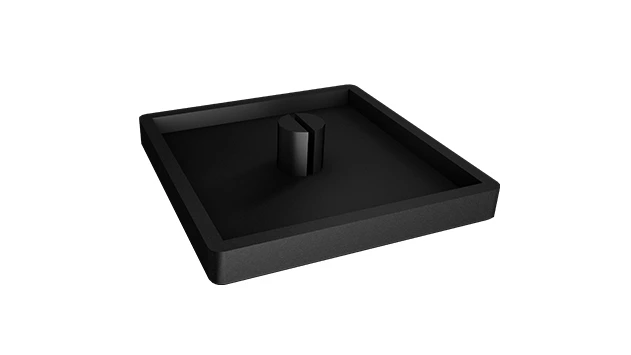
4040 Aluminum Profile End Cap
The aluminum profile end cap adds a finishing touch to your project and closes off profile ends to limit dust and debris buildup, also it can avaid some scratch for material and labor during the assemble work.
Walk into any modern manufacturing facility, workshop, or warehouse, and you'll likely spot aluminum extrusion profiles hard at work. These versatile structures form the backbone of everything from workbenches and material racks to conveyor systems and assembly lines—especially in lean system setups, where efficiency and adaptability are king. Among the most common profiles is the 4040 aluminum extrusion profile, prized for its balance of strength, weight, and compatibility with countless aluminum profile accessories. But while the sleek, T-slotted rails of the 4040 profile get all the attention, there's a small yet critical component that often goes unnoticed: the end cap. These unassuming caps might seem like an afterthought, but their role in protecting your equipment, ensuring safety, and maintaining workflow efficiency is far more significant than you might think. In this article, we'll dive into why 4040 aluminum profile end caps matter, how to spot signs of wear and tear, and when to replace them before they lead to bigger problems.
What Are 4040 Aluminum Profile End Caps, Anyway?
Let's start with the basics. 4040 aluminum profile end caps are small, often plastic or rubber components designed to fit snugly over the exposed ends of 4040 aluminum extrusion profiles. If you're not familiar with the 4040 designation, it refers to the profile's cross-section dimensions: approximately 40mm by 40mm, making it a workhorse for medium-duty applications. The end caps themselves are typically made from materials like nylon, PVC, or polypropylene, chosen for their durability, flexibility, and resistance to impact, chemicals, and temperature fluctuations.
At first glance, their purpose seems simple: to cover the open ends of the profile. But look closer, and you'll realize they do much more. Think of them as the "protective caps" for your aluminum extrusion profile—similar to how a bottle cap keeps liquid inside and contaminants out. Without them, the sharp, raw edges of the cut aluminum would be exposed, and the hollow interior of the profile would become a magnet for dust, debris, and even small tools or parts. Over time, this can compromise the profile's structural integrity, damage internal components, and create safety hazards for anyone working nearby.
Why End Caps Matter More Than You Think
It's easy to overlook end caps when you're focused on the bigger picture—like building a sturdy workbench or optimizing a flow rack for your lean system. But these tiny components play a role in almost every aspect of your operation, from safety to efficiency. Let's break down why they're so important:
Safety First: No More Sharp Edges
Aluminum extrusion profiles are cut to length during manufacturing, leaving the ends with potentially sharp, burrs or rough edges. Even a small burr can catch on clothing, gloves, or skin, leading to cuts or scrapes. In a busy lean system environment—where workers are moving quickly, loading/unloading materials, or operating machinery—exposed edges are an accident waiting to happen. End caps smooth out these edges, turning a potential hazard into a harmless, rounded surface. This is especially critical in areas like ESD workstations, where workers handle sensitive electronics and can't afford distractions from injuries.
Protecting the Profile's Integrity
The hollow interior of a 4040 aluminum extrusion profile is designed to accommodate aluminum profile accessories like brackets, connectors, and sliding components. But if the ends are left open, dust, dirt, metal shavings, and even liquids can seep inside. Over time, this debris can clog the T-slots, making it harder to install or adjust accessories. In worst cases, moisture can cause corrosion (even in aluminum, though it's rust-resistant), weakening the profile from the inside out. End caps act as a barrier, keeping contaminants where they belong—outside the profile.
Aesthetics and Professionalism
Let's not underestimate the power of a clean, finished look. Exposed profile ends with rough cuts or visible debris can make even the most well-designed workbench or material rack look unprofessional. End caps give your structures a polished, intentional appearance—important not just for morale (a tidy workspace feels more organized and less stressful) but also for client or auditor visits. In industries where compliance and presentation matter, those small details add up.
Preventing Unplanned Downtime
In a lean system, downtime is the enemy. Every minute spent fixing a preventable issue is a minute taken away from production. A worn or missing end cap might seem trivial, but it can lead to bigger problems down the line: a worker gets a cut and needs first aid, a T-slot clogs and delays accessory installation, or debris inside the profile causes a sliding component to jam. By keeping end caps in good shape, you're proactively avoiding these disruptions and keeping your workflow running smoothly.

Signs of Wear & Tear: How to Tell If Your End Caps Are Failing
Now that we've established why end caps matter, let's talk about how to spot when they're no longer doing their job. 4040 aluminum profile end caps aren't designed to last forever—constant exposure to impact, temperature changes, chemicals, and general wear will take a toll over time. The key is to catch these signs early, before they escalate into safety risks or equipment damage. Here are the most common red flags to watch for:
1. Visible Cracks, Splitting, or Chips
The most obvious sign of a failing end cap is visible damage like cracks, splits, or chips. These can occur for a variety of reasons: accidental impacts from tools or materials, repeated pressure from being removed and reinserted, or simply age-related degradation of the plastic. Small cracks might start as hairline fractures near the edges but can quickly spread, especially if the cap is exposed to temperature fluctuations (like direct sunlight or cold storage environments). Once a crack forms, it compromises the cap's ability to seal the profile—debris can sneak in, and the cap itself may start to crumble or fall apart.
Example: Imagine a material rack B (3 row and 3 floor) in your warehouse, used daily to store heavy boxes. If an end cap on the top rail has a split, every time a box is slid onto the rack, small wood chips or packaging debris could fall into the open end of the profile. Over weeks, that debris builds up, making it impossible to attach a new bracket when you need to reconfigure the rack for a new product line.
2. Looseness or Inability to Stay Secured
A properly fitted end cap should stay in place until you intentionally remove it. If you notice caps that fall off easily, wiggle loose, or require constant readjustment, that's a clear sign of wear. This usually happens when the cap's "gripping" edges—those that press against the inside of the profile—become worn down or distorted. Over time, the friction that keeps the cap snug diminishes, and gravity or vibrations (from nearby machinery) do the rest. A loose cap is almost as bad as no cap at all: it won't seal the profile effectively, and there's a risk it could fall off entirely, leaving the end exposed.
Example: On a busy assembly line workbench, vibrations from nearby conveyor systems can shake loose a worn end cap. If that cap falls onto the floor, a worker might step on it, slip, or even crush it underfoot—creating both a safety hazard and the need for an immediate replacement.
3. Discoloration, Fading, or Staining
While discoloration alone might not render an end cap useless, it's often a warning sign of underlying material degradation. Exposure to UV light (from windows or overhead lights), chemicals (like cleaning agents or lubricants), or even just age can cause end caps to fade, yellow, or develop dark stains. This discoloration is often accompanied by a change in texture: the plastic might become brittle, sticky, or chalky. For example, end caps near welding stations might discolor from heat or spatter, while those in outdoor or well-lit areas could fade from sun exposure. Even if the cap still "fits," faded or stained material is a clue that its structural integrity is weakening.
4. Brittleness or Crumbling
Ever picked up an old plastic item and had it crack or crumble in your hand? That's brittleness, and it's a common issue with end caps that have been in service too long. Plastic end caps rely on flexibility to grip the profile and absorb minor impacts. Over time, however, the plasticizers in the material can leach out, leaving the cap hard, rigid, and prone to breaking. If you press on the cap and it feels stiff instead of slightly yielding, or if it cracks when you try to remove it, it's time for a replacement. Brittleness is especially common in end caps exposed to extreme temperatures or harsh chemicals, as these accelerate the breakdown of the plastic.
5. Debris Inside the Profile (A Telltale Sign of Failure)
Sometimes, the first sign that an end cap is failing isn't the cap itself—it's what's inside the profile. If you notice dust, dirt, metal shavings, or even small parts (like screws or washers) inside the T-slots of your 4040 profile, chances are the end cap isn't sealing properly. This is often a result of cracks, looseness, or missing caps. Left unchecked, this debris can jam sliding components (like those used in roller track systems) or make it impossible to insert T-slot nuts or bolts when adding aluminum profile accessories. In a lean system, where quick reconfigurations are key, a clogged T-slot can bring a project to a grinding halt.

When to replace Your End Caps—Don't Wait for Disaster
So, you've spotted one or more of the signs above—now what? The short answer: don't wait to replace worn end caps. While it might be tempting to put it off ("It's just a small crack") or prioritize "bigger" tasks, proactive replacement is always cheaper, safer, and less stressful than reacting to a crisis. Here's a quick guide to timing:
Immediate Replacement: If the Cap Is Loose, Missing, or Severely Damaged
If a cap is falling off, completely missing, or has large cracks/splits, replace it right away. These are the highest-risk scenarios, as they leave the profile end exposed and unprotected. Keep a few spare end caps on hand (they're inexpensive and take up minimal storage space) so you can swap them out immediately without disrupting workflow.
Preventive Replacement: If the Cap Shows Early Signs of Wear
For caps with minor cracks, slight discoloration, or mild looseness, schedule a replacement soon—ideally during a planned maintenance window or slow period. This way, you avoid the risk of the cap failing unexpectedly. A good rule of thumb: if the cap is more than 2–3 years old (depending on usage), even if it looks "okay," consider replacing it. Plastic degrades over time, and you don't want to discover brittleness the hard way.
Routine Inspection: Add It to Your Lean System Checklist
The best way to stay ahead of end cap wear is to make inspections part of your regular maintenance routine. In lean system environments, where continuous improvement is core, this is a no-brainer. During weekly or monthly walkthroughs, take a minute to check end caps on high-use equipment like workbenches, material racks, and conveyor rails. Look for cracks, looseness, or discoloration, and note any that need replacement. This small habit can save you from costly downtime or safety incidents later.
| Feature | New 4040 Aluminum Profile End Cap | Worn/Torn 4040 Aluminum Profile End Cap |
|---|---|---|
| Fit | Snug and secure; stays in place even with vibrations | Loose or falls off easily; requires frequent readjustment |
| Appearance | Uniform color; no cracks, chips, or fading | Discolored, faded, or stained; visible cracks or splits |
| Texture | Slightly flexible; grips profile edges tightly | Brittle, rigid, or sticky; edges worn smooth |
| Functionality | Seals profile end completely; no debris inside T-slots | Fails to seal; dust, dirt, or debris enters profile |
| Safety | Covers sharp edges; no risk of cuts or snags | Exposes rough edges or gaps; potential for injuries |
How to replace 4040 Aluminum Profile End Caps (It's Easier Than You Think)
Replacing 4040 aluminum profile end caps is a quick, straightforward task that doesn't require special tools or expertise. Here's a step-by-step guide to get the job done right:
Step 1: Remove the Old End Cap
Start by removing the worn or damaged cap. In most cases, this can be done by hand: grip the cap firmly and pull it straight off the end of the profile. If it's stuck (common with older, brittle caps), gently pry it loose with a flathead screwdriver or a plastic trim tool (to avoid scratching the profile). Be careful not to apply too much force—if the cap crumbles, you may need to pick out small pieces from inside the profile (use tweezers or compressed air to clear debris).
Step 2: Clean the Profile End
Once the old cap is off, take a moment to clean the inside and outside of the profile end. Use a dry cloth or a small brush to wipe away dust, dirt, or remaining plastic fragments. If there's stubborn debris, a can of compressed air works wonders for blowing out the T-slots. This ensures the new cap will fit snugly and seal properly.
Step 3: Choose the Right Replacement Cap
Not all end caps are created equal. Make sure you're using a cap specifically designed for 4040 aluminum extrusion profiles—caps for smaller (like 2020) or larger (like 4080) profiles won't fit. Check the material, too: nylon caps are more durable for heavy-use areas, while PVC might be better for flexibility in cold environments. If your workspace uses ESD workstations or handles sensitive electronics, look for ESD-safe end caps (often black or gray) to prevent static buildup. And when in doubt, buy from a reputable aluminum profile supplier—cheap, generic caps are more likely to wear quickly or fit poorly.
Step 4: Install the New Cap
Align the new cap with the profile end, making sure any tabs or notches (if present) line up with the profile's edges. Press firmly and evenly on the cap until you hear or feel a "click"—this means the cap's gripping edges have seated properly against the inside of the profile. Give it a gentle tug to ensure it's secure. That's it—you're done!
Final Thoughts: Small Component, Big Impact
In the world of lean system design and aluminum extrusion profiles, it's easy to focus on the "big" components: the rails, the brackets, the workbenches, and the conveyors. But as we've explored, even the smallest parts—like 4040 aluminum profile end caps—play a vital role in keeping your operation safe, efficient, and running smoothly. By understanding what end caps do, recognizing signs of wear and tear, and replacing them proactively, you're not just maintaining equipment—you're protecting your team, your workflow, and your bottom line.
So, the next time you're walking through your facility, take a second look at those end caps. A quick inspection could save you from a headache down the road. And remember: when it comes to aluminum profile accessories, quality matters. Investing in durable, well-fitting end caps from a trusted supplier is one of the easiest ways to keep your lean system performing at its best—today, tomorrow, and for years to come.