- Company Articles
- Products and Technology
- Product knowledge
- 4040 Aluminum Profile End Cap Weight Capacity: What You Need to Know

4040 Aluminum Profile End Cap Weight Capacity: What You Need to Know
Related Product
4040 Aluminum Profile End Cap
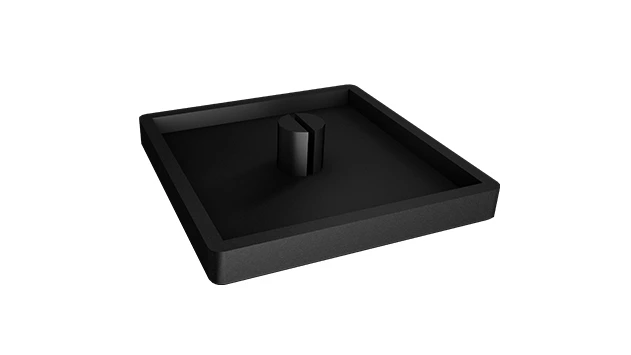
The aluminum profile end cap adds a finishing touch to your project and closes off profile ends to limit dust and debris buildup, also it can avaid some scratch for material and labor during the assemble work.
If you've ever walked through a busy manufacturing floor, a bustling warehouse, or even a well-organized home workshop, chances are you've seen aluminum extrusion profiles hard at work. These versatile metal frames form the backbone of workbenches, shelving units, conveyor systems, and assembly lines—quietly supporting the tools, materials, and products that keep operations running. But if you take a closer look at these setups, you might notice small, unassuming components at the ends of the profiles: end caps. At first glance, they might seem like afterthoughts—mere "caps" to cover sharp edges or hide unsightly openings. But in reality, these tiny accessories play a critical role in safety, structural integrity, and yes, weight capacity. Today, we're diving deep into one specific type: the 4040 aluminum profile end cap. Whether you're a seasoned facility manager, a DIY enthusiast building your dream workspace, or a procurement specialist sourcing parts for a lean system, understanding the weight capacity of these end caps could save you from costly mistakes, safety hazards, and workflow disruptions. Let's start by breaking down what these end caps are, why their weight capacity matters, and how to choose the right one for your needs.
What Is a 4040 Aluminum Profile End Cap?
Before we get into weight capacity, let's make sure we're all on the same page about what a 4040 aluminum profile end cap actually is. First, the "4040" refers to the cross-sectional dimensions of the aluminum extrusion profile it's designed to fit: 40mm by 40mm. These profiles are among the most popular in industrial and commercial settings because they strike a perfect balance between strength, versatility, and affordability. They're used in everything from lightweight shelving to heavy-duty workbenches, thanks to their T-slot design, which allows for easy attachment of accessories like brackets, panels, and—you guessed it—end caps.
An end cap, as the name suggests, is a small component designed to fit snugly over the open ends of an aluminum extrusion profile. Think of it as the "stopper" that the hollow interior of the profile, but its job goes far beyond just plugging a hole. Depending on the design, end caps can be made from plastic, aluminum, or even steel, and they come in various styles: snap-fit (which click into place), screw-on (which require bolts or screws to secure), or adhesive-backed (which stick on with strong glue). Some are plain and functional, while others are designed with ergonomic features, like rounded edges to prevent cuts, or textured surfaces for better grip.
But here's the key point: end caps are not just "aluminum profile accessories"—they're active participants in the profile's ability to handle weight. When you place a tool on a workbench made with 4040 profiles, or stack boxes on a shelf built from them, the end caps are often the first line of defense against downward pressure, lateral stress, or even accidental impacts. That's why understanding their weight capacity isn't just about choosing a cap that "fits"—it's about choosing one that can keep up with the demands of your workspace.
Why Weight Capacity Matters More Than You Think
Let's start with a scenario: Imagine a production line where workers slide heavy metal components down a gravity-fed conveyor built from 4040 aluminum profiles. The conveyor's rails are capped with cheap, plastic end caps that the team assumed were "good enough." One day, a particularly heavy batch of parts comes through, and as they slide over the end caps, the plastic gives way—cracking under the pressure. The parts jam, the line stops, and suddenly, you've got downtime, frustrated workers, and a potential safety hazard from sharp, exposed profile edges. All because of a small, overlooked component.
This isn't just a hypothetical—it's a real risk in any setting where aluminum profiles are used to support or guide weight. Weight capacity, in simple terms, refers to the maximum amount of force an end cap can withstand before deforming, breaking, or failing to stay in place. It's measured in pounds (lbs) or kilograms (kg), and it's determined by a combination of the end cap's material, design, and how it's attached to the profile.
But why does this matter? Let's break it down into three critical areas:
1. Safety First
Exposed ends of aluminum extrusion profiles are sharp. Without a properly fitting, durable end cap, workers could cut their hands while reaching across a workbench or adjusting a shelf. Worse, if an end cap fails under weight, the profile itself could become unstable. For example, if a shelf's end caps can't support the weight of the boxes stacked on it, the shelf might sag or even collapse, sending materials crashing to the floor. In a busy lean system, where efficiency and safety go hand in hand, this kind of failure is unacceptable.
2. Structural Integrity
Aluminum profiles are strong, but they're not indestructible—especially at the ends. The open ends of a profile are vulnerable to crushing or bending if weight is applied unevenly. A high-quality end cap acts like a "reinforcement plug," distributing weight across the profile's walls and preventing the ends from caving in. If the end cap can't handle the weight, the profile itself may start to deform over time, weakening the entire structure. This isn't just about immediate failure; it's about long-term durability. A shelf with underrated end caps might not collapse today, but after months of supporting heavy loads, the profiles could warp, leading to wobbly surfaces or misaligned components.
3. Cost Savings (Yes, Really)
It might be tempting to opt for the cheapest end caps available to save a few dollars, but this is a classic case of "penny wise, pound foolish." A failed end cap can lead to expensive repairs: replacing damaged profiles, fixing jammed conveyor systems, or even paying for downtime while the line is halted. Plus, if a worker is injured due to a sharp edge from a broken end cap, the costs skyrocket—think medical bills, workers' compensation, and potential legal fees. Investing in end caps with the right weight capacity upfront is an insurance policy against these headaches.

Factors That Affect 4040 Aluminum Profile End Cap Weight Capacity
Not all end caps are created equal, and their weight capacity can vary dramatically based on several key factors. Let's break down the most important ones so you can make an informed choice:
Material: Plastic vs. Metal vs. Composite
The material of the end cap is the single biggest determinant of its weight capacity. Here's how the most common options stack up:
- Plastic (PVC, Nylon, or Polypropylene): These are the most affordable end caps, often used in lightweight applications like shelving for office supplies or small tools. They're easy to install (usually snap-fit) and come in a variety of colors. However, their weight capacity is limited—typically between 10-30 lbs per cap, depending on thickness. They're prone to cracking in cold temperatures or warping in heat, which further reduces their strength.
- Aluminum: Aluminum end caps are a step up in both strength and price. They're machined to fit 4040 profiles precisely, and their metal construction allows them to handle weights of 50-100 lbs or more. They're resistant to temperature changes and corrosion, making them ideal for industrial settings. Some aluminum end caps even have reinforced ribs or thicker walls for extra support.
- Steel: For heavy-duty applications, steel end caps are the gold standard. They can withstand weights exceeding 150 lbs per cap and are virtually indestructible in most work environments. However, they're heavier, more expensive, and may require tools to install (like screws or bolts). They're often used in settings where profiles support machinery or large, heavy equipment.
- Composite: Some manufacturers offer composite end caps, which blend plastic with fiberglass or carbon fiber for added strength. These can match aluminum's capacity at a lower weight but are less common and may cost more than basic aluminum options.
Design: Snap-Fit vs. Screw-On vs. Adhesive
How the end cap attaches to the profile also impacts its ability to handle weight. Snap-fit caps are convenient—you just push them into place—but they rely on friction to stay secure. If the fit is loose, or if the plastic loses its elasticity over time, the cap can pop out under pressure. Screw-on caps, on the other hand, are bolted directly to the profile, creating a rigid connection that can withstand more weight. Adhesive-backed caps are the weakest option, as the glue can fail under heat or heavy stress.
Profile Wall Thickness
Not all 4040 aluminum extrusion profiles are the same. Some have thicker walls (e.g., 2mm vs. 1.5mm), which makes the profile itself stronger. But here's the catch: a thick-walled profile with a flimsy end cap is still vulnerable. The end cap needs to match the profile's strength—otherwise, it becomes the weak link. For example, a 4040 profile with a 2mm wall can support hundreds of pounds, but if you pair it with a plastic end cap rated for 20 lbs, the cap will fail long before the profile does.
Installation Quality
Even the strongest end cap will underperform if it's installed incorrectly. A snap-fit cap that's not pushed all the way into the profile, or a screw-on cap with loose bolts, won't distribute weight evenly. This can lead to localized stress and premature failure. Always follow the manufacturer's installation instructions—whether that means applying pressure until you hear a "click" for snap-fit caps, or torquing screws to a specific tightness for metal caps.
Pro Tip:
When calculating weight capacity, remember that most ratings are per end cap. If a shelf has four 4040 profiles (each with two end caps), the total weight capacity isn't just the per-cap rating multiplied by 8—it also depends on how the weight is distributed. Evenly distributed weight is easier on end caps than concentrated weight (like a single heavy box in the middle of the shelf).

Plastic vs. Metal End Caps: A Weight Capacity Comparison
To put this into perspective, let's compare the weight capacities of common 4040 aluminum profile end caps. The table below highlights typical ratings for snap-fit plastic, screw-on aluminum, and steel end caps, based on industry data and manufacturer specifications.
| End Cap Type | Material | Installation Method | Weight Capacity (Per Cap) | Best For |
|---|---|---|---|---|
| Standard Snap-Fit | PVC | Snap-fit | 10-20 lbs | Light shelving, office supplies, small tools |
| Heavy-Duty Snap-Fit | Polypropylene | Snap-fit | 20-30 lbs | Home workshops, lightweight industrial shelving |
| Basic Aluminum | Aluminum (1mm thick) | Snap-fit or screw-on | 50-70 lbs | Workbenches, medium-duty conveyor systems |
| Reinforced Aluminum | Aluminum (2mm thick, ribbed) | Screw-on | 70-100 lbs | Heavy workbenches, assembly lines, material racks |
| Steel | Carbon Steel | Screw-on with bolts | 150+ lbs | Machinery support, industrial shelving for heavy parts |
As you can see, the difference in capacity is stark. A PVC snap-fit cap might be fine for holding a few reams of paper, but it's nowhere near strong enough for a conveyor system moving metal parts. This is why it's critical to match the end cap to the application—and to never assume that "one size fits all."
Real-World Applications: How End Caps Support Your Lean System
A lean system is all about efficiency, safety, and eliminating waste. Every component in your workspace should contribute to those goals—including end caps. Let's look at how the right end caps play a role in common lean system setups:
Workbenches
Workbenches built with 4040 aluminum extrusion profiles are a staple in lean manufacturing. They're customizable, easy to reconfigure, and lightweight enough to move if needed. But a workbench is only as good as its ability to support tools, materials, and workers. Imagine a mechanic's workbench where a 50-lb toolbox sits on one corner. If the end caps under that corner are plastic, they might crack over time, causing the bench to wobble. This not only slows down work (who wants to work on a wobbly surface?) but also creates a safety risk. Aluminum end caps with a 70+ lb capacity ensure the bench stays stable, even with heavy tools.
Conveyor Systems
Conveyors are the arteries of many lean systems, moving parts from one station to the next with minimal human effort. Gravity-fed conveyors, in particular, rely on the smooth flow of materials over the profiles' edges. End caps here need to handle not just the weight of the parts, but also the friction and impact of constant movement. For example, a conveyor transporting 20-lb boxes might use reinforced aluminum end caps to prevent wear and tear. If the end caps fail, the boxes could get stuck, leading to bottlenecks—exactly what lean systems aim to avoid.
Material Racks
Material racks store raw materials, finished products, or tools, and they're often stacked high to save space. The end caps on the vertical profiles of these racks bear the brunt of the weight from each shelf above. A rack with four vertical profiles (each with two end caps per shelf) and five shelves could have 40 end caps working together to support hundreds of pounds. Using underrated end caps here is a disaster waiting to happen—one that could collapse the entire rack and damage inventory.
Assembly Lines
Assembly lines are dynamic environments, with workers constantly reaching, bending, and moving around profiles. End caps with rounded edges (a common feature in aluminum and steel caps) prevent cuts, while their weight capacity ensures that the line's structure doesn't shift under the weight of fixtures, jigs, or partially assembled products. In a lean system, downtime is the enemy—so anything that prevents structural failures (like end cap failure) is a win for efficiency.
Choosing the Right End Cap: A Step-by-Step Guide
Now that you understand why weight capacity matters and what factors affect it, let's walk through how to choose the right 4040 aluminum profile end cap for your needs:
Step 1: Calculate the Maximum Weight Per Cap
Start by figuring out how much weight each end cap will need to support. This isn't just the total weight of the items on the structure divided by the number of end caps—you need to account for uneven distribution. For example, if a shelf holds 200 lbs of materials, and there are 8 end caps (4 profiles, 2 per shelf), the "average" weight per cap is 25 lbs. But if most of the weight is on one side, some caps could see 40 lbs or more. To be safe, multiply the average by 1.5 to get your "target capacity." In this case, 25 lbs x 1.5 = 37.5 lbs—so you'd need end caps rated for at least 40 lbs.
Step 2: Consider the Environment
Will the end caps be exposed to moisture (like in a food processing plant)? Temperature extremes (like a hot warehouse or cold storage)? Chemicals? Plastic end caps may degrade in harsh environments, while aluminum or steel (with proper coatings) will hold up better. For example, in a damp area, aluminum end caps with anodized finishes resist rust, making them a better choice than uncoated steel.
Step 3: Choose the Material and Installation Method
Based on your target capacity and environment, narrow down the material. For most industrial settings, aluminum end caps are a safe bet—they offer a good balance of strength, durability, and cost. If you need something lighter or more affordable, heavy-duty polypropylene might work for lightweight applications. For installation, snap-fit is fine for low-stress setups, but screw-on is better for anything with moving parts or heavy weight.
Step 4: Check the Profile Compatibility
Not all 4040 profiles are identical. Some have thicker walls, or their T-slots may be in different positions, which can affect how the end cap fits. Always check the manufacturer's specifications to ensure the end cap is designed for your specific aluminum extrusion profile. A cap that's too loose won't stay in place, while one that's too tight could crack during installation.
Step 5: Test Before Full Deployment
If you're unsure, buy a small batch of end caps and test them. Stack weights on a sample structure and leave them for a few days to see how the caps hold up. Look for signs of deformation, cracking, or loosening. It's better to catch issues in testing than in the middle of a production run.
Common Misconceptions About End Caps
Even experienced facility managers can fall prey to myths about end caps. Let's debunk a few:
Myth #1: "End caps are just for looks—they don't affect weight capacity."
False. As we've discussed, end caps play a critical role in distributing weight and protecting the profile's structural integrity. A profile without an end cap is vulnerable to crushing at the ends, which weakens the entire structure.
Myth #2: "All 4040 end caps fit all 4040 profiles."
False. Profiles can vary in wall thickness, slot size, and design. An end cap made for a 4040 profile with a 1.5mm wall might not fit snugly on one with a 2mm wall, leading to poor weight distribution.
Myth #3: "Plastic end caps are 'good enough' for most applications."
It depends. For lightweight, low-stress uses, plastic is fine. But in industrial settings, where weight and durability matter, plastic can fail unexpectedly. When in doubt, upgrade to aluminum.
Myth #4: "Heavier end caps are always stronger."
Not necessarily. Aluminum is lighter than steel but can still offer sufficient strength for many applications. Weight is just one factor—design and material quality matter more.
Maintenance Tips to Extend End Cap Life
Even the best end caps need a little care to perform at their best. Here are some simple maintenance tips:
- Inspect Regularly: Check end caps for cracks, looseness, or signs of wear (like scratches or dents). replace any damaged caps immediately—don't wait for them to fail.
- Clean Them: Dirt, grease, or debris can weaken the bond between snap-fit end caps and profiles. Wipe them down with a damp cloth periodically to keep them clean.
- Tighten Screw-On Caps: Over time, screws can loosen due to vibration. Give them a quick tighten every few months to ensure a secure fit.
- replace Worn Snap-Fit Caps: Plastic snap-fit caps lose their elasticity over time, making them prone to popping out. If they start to feel loose, replace them—don't just push them back in.
Conclusion: Small Component, Big Impact
At the end of the day, 4040 aluminum profile end caps might seem like small players in the grand scheme of your workspace. But as we've explored, they're critical to safety, structural integrity, and the efficiency of your lean system. Choosing the right end cap—one with the right weight capacity, material, and design—isn't just about avoiding failures; it's about building a workspace that works for you, not against you.
So the next time you're setting up a workbench, installing a conveyor, or stocking up on aluminum profile accessories, take a moment to think about the end caps. Ask yourself: What's the maximum weight they'll need to support? What environment will they be in? Are they compatible with my profiles? By answering these questions, you'll not only protect your team and your equipment—you'll also ensure that your lean system runs as smoothly and efficiently as possible.
Remember: In a lean system, every detail counts. And when it comes to end caps, that detail could be the difference between a productive day and a costly disaster. Choose wisely.