- Company Articles
- Products and Technology
- Product knowledge
- 4040 Aluminum Profile End Caps & Workplace Safety: Edge Protection Benefits

4040 Aluminum Profile End Caps & Workplace Safety: Edge Protection Benefits
Related Product
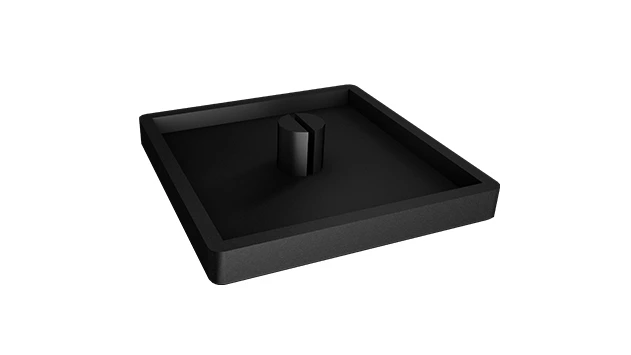
4040 Aluminum Profile End Cap
The aluminum profile end cap adds a finishing touch to your project and closes off profile ends to limit dust and debris buildup, also it can avaid some scratch for material and labor during the assemble work.
Walk through any manufacturing plant, warehouse, or workshop, and you'll notice a common sight: sleek, silver structures holding up workbenches, organizing material racks, or guiding conveyor belts. These are aluminum profiles—quiet workhorses that form the backbone of modern industrial setups. Lightweight, durable, and endlessly customizable, they've revolutionized how we build and adapt workspaces. But for all their benefits, there's a hidden hazard lurking in plain sight: their sharp, exposed edges. That's where a small but mighty accessory comes in: the 4040 aluminum profile end cap. In this article, we'll dive into why these unassuming caps are critical for workplace safety, how they protect workers and equipment, and why they're more than just a finishing touch—they're an investment in your team's well-being.
Aluminum Profiles: The Unsung Heroes of Industrial Design
Before we talk about end caps, let's take a moment to appreciate the star of the show: the aluminum profile. If you've ever assembled a workbench, built a storage rack, or even put together a DIY project, you've probably encountered these versatile building blocks. Made from aluminum extrusion profile—molten aluminum forced through a die to create consistent cross-sections—they come in various shapes and sizes, each tailored to specific needs. The 4040 aluminum profile, for example, measures 40mm by 40mm, making it a popular choice for medium-duty applications like workbenches, material racks, and light conveyor systems.
Why aluminum? For starters, it's lightweight. A 4040 profile weighs a fraction of steel, making it easy to transport, assemble, and reconfigure—essential in dynamic workplaces where layouts change with production needs. It's also surprisingly strong, with a strength-to-weight ratio that rivals many metals. Add corrosion resistance (no rust, even in humid or chemical-exposed environments) and compatibility with a wide range of aluminum profile accessories—joints, brackets, casters—and it's no wonder aluminum profiles have become the go-to for everything from small workshops to large-scale factories.
But here's the thing: aluminum extrusion profile, by nature, has sharp edges. When the aluminum is cut to length (to build a workbench or a section of material rack, for example), the raw ends are often left unprocessed—rough, angular, and ready to catch a sleeve, scrape a hand, or even slice through skin. In a busy workspace, where workers are moving quickly, carrying tools, or handling materials, these edges aren't just nuisances; they're accident waiting to happen.
The Hidden Danger: Sharp Edges and Workplace Risks
Workplace safety stats paint a clear picture: lacerations and puncture wounds are among the most common industrial injuries. According to OSHA, over 30% of non-fatal workplace injuries involve cuts or abrasions, many of which could be prevented with simple protective measures. Now, think about how often workers interact with aluminum profiles. A machinist leaning against a workbench frame, a warehouse staffer sliding a box onto a material rack, a line worker adjusting a conveyor—each of these actions brings them within inches of those sharp edges.
Let's break down the risks. First, there's the immediate physical harm: a deep cut from brushing against an exposed profile end, a scraped forearm from leaning on an unprotected workbench corner, or a torn glove that leaves hands vulnerable to further injury. These injuries aren't just painful—they mean downtime. A worker sidelined by a cut might miss hours or even days of work, disrupting production and costing the company in lost productivity and workers' compensation claims.
Then there are the indirect risks. Sharp edges can snag clothing, hair, or loose tools, turning a minor scrape into a more serious accident. Imagine a worker's sleeve catching on an exposed aluminum profile end while they're operating machinery—the sudden pull could throw them off balance, leading to falls or entanglement. Even materials aren't safe: a box sliding down a material rack with unprotected edges might tear, spilling contents and creating a tripping hazard. Over time, exposed edges can also degrade the aluminum itself, as moisture and debris collect in the rough cuts, leading to corrosion and weakening the structure.
And let's not forget compliance. OSHA's General Duty Clause requires employers to provide a workplace "free from recognized hazards that are causing or are likely to cause death or serious physical harm." Exposed sharp edges on frequently used equipment like workbenches or material racks easily qualify as such hazards. Failing to address them could result in fines, inspections, or worse—a damaged reputation as an employer who doesn't prioritize worker safety.

4040 Aluminum Profile End Caps: Small Solution, Big Protection
Enter the 4040 aluminum profile end cap. At first glance, it's easy to dismiss these as mere "caps"—cosmetic add-ons to make profiles look neater. But that couldn't be further from the truth. These small, often plastic or rubber accessories are engineered to fit snugly over the cut ends of 4040 aluminum profiles, transforming sharp edges into smooth, rounded surfaces. Think of them as protective bumpers for your workspace's skeleton.
So, what makes a good end cap? For starters, a precise fit. 4040 aluminum profile end caps are designed to match the exact dimensions of the profile's cross-section, ensuring they don't slip off or rattle loose during use. Most are made from durable plastics like PVC or nylon, which are flexible enough to snap into place but rigid enough to withstand daily wear and tear. Some heavy-duty versions use rubber for extra grip, while others might incorporate metal inserts for added strength—though plastic remains the most popular choice for its balance of cost, weight, and protection.
Installation is refreshingly simple. Unlike some safety measures that require tools, glue, or specialized training, most end caps are press-fit: you align them with the profile end and push firmly until they seat. No screws, no adhesives, no hassle. For tighter fits, a gentle tap with a rubber mallet ensures they stay put. This ease of installation is key in busy workplaces—you don't need to shut down production to add end caps; a quick walkthrough with a handful of caps can make a workspace safer in an hour.
But the real magic is in the protection they provide. A 4040 end cap turns a jagged, knife-like edge into a smooth, rounded surface. Run your hand along a capped profile, and you'll feel nothing but a soft, even finish—no risk of cuts or scrapes. Workers can lean against workbenches, reach across material racks, or adjust conveyor rails without second-guessing their safety. Even if someone bumps into a capped profile, the end cap absorbs the impact, reducing the chance of injury or damage.

Beyond Safety: The Surprising Benefits of End Caps
While safety is the primary reason to invest in 4040 aluminum profile end caps, they offer a host of secondary benefits that make them a smart addition to any workspace. Let's break them down:
1. Durability: Protecting Your Aluminum Profiles
Aluminum profiles are tough, but their cut ends are vulnerable. Exposed edges can chip, dent, or corrode over time, especially in high-traffic areas or environments with moisture (like food processing plants or outdoor workshops). End caps act as a barrier, shielding the raw aluminum from impacts, spills, and debris. This not only extends the life of your profiles but also reduces the need for costly replacements or repairs down the line.
2. Aesthetics: Polishing Your Workspace's Look
First impressions matter—especially in workplaces that host clients, auditors, or new hires. Exposed aluminum edges look unfinished, even unprofessional. End caps give your aluminum structures a clean, polished appearance, signaling that you care about details. Many end caps come in neutral colors (black, white, gray) that blend with aluminum's silver finish, but some manufacturers offer custom colors to match company branding or safety codes (e.g., yellow for high-visibility areas).
3. Cost-Effectiveness: Saving Money in the Long Run
Let's talk numbers. A pack of 4040 aluminum profile end caps costs just a few dollars—far less than the cost of a single workplace injury. Think about it: a minor cut might require first aid supplies and a few minutes of downtime. A serious laceration could mean emergency room visits, workers' compensation claims, and lost productivity. Multiply that by multiple incidents, and the savings from end caps become clear. They're one of the most affordable safety investments you can make, with a return that's measured in healthier workers and fewer disruptions.
4. Versatility: More Than Just for 4040 Profiles
While we're focusing on 4040 aluminum profile end caps, it's worth noting that end caps exist for nearly every profile size—from tiny 2020 profiles used in electronics assembly to large 8080 profiles for heavy machinery. This means you can standardize on end caps across your entire workspace, ensuring consistent safety and aesthetics. And since they're part of the broader category of aluminum profile accessories, they pair seamlessly with other components like joints, brackets, and casters, creating a cohesive, safe system.
Choosing the Right End Cap: A Guide to Materials and Types
Not all end caps are created equal. To get the most protection and value, you'll need to choose the right type for your workspace. Let's break down the options by material, design, and application:
| End Cap Material | Best For | Key Features | Price Range |
|---|---|---|---|
| PVC (Polyvinyl Chloride) | General-purpose use: workbenches, light material racks, office partitions | Lightweight, affordable, moderate impact resistance, easy to install | Low ($0.50–$1.50 per cap) |
| Nylon | High-traffic areas: conveyor rails, heavy material racks, industrial workbenches | High strength, chemical resistance, withstands repeated impacts | Medium ($1.50–$3.00 per cap) |
| Rubber | Noise reduction, vibration-prone areas: machinery frames, mobile trolleys | Shock absorption, non-slip grip, dampens noise from impacts | Medium-High ($2.00–$4.00 per cap) |
| Metal-insert Plastic | Extreme heavy-duty use: outdoor racks, construction sites, high-load frames | Metal core for rigidity, plastic outer layer for protection | High ($3.00–$6.00 per cap) |
Beyond material, consider design features. Some end caps have flanged edges that wrap slightly around the profile's sides, offering extra protection against corner impacts. Others might have vent holes to prevent air pressure buildup (useful in sealed environments). For ESD (electrostatic discharge) sensitive workspaces—like electronics manufacturing—look for conductive end caps that dissipate static, though these are less common and typically more expensive.
Compatibility is also critical. A 4040 end cap won't fit a 3030 profile, and vice versa. Always check the profile size (measured in mm, e.g., 40x40, 30x60) before purchasing. Most manufacturers label end caps clearly (e.g., "4040 Aluminum Profile End Cap") to avoid confusion, but double-checking the dimensions ensures a snug, secure fit.
Real-World Impact: How End Caps Transform Workspaces
To understand the true value of 4040 aluminum profile end caps, let's look at a few real-world examples. Take a mid-sized electronics manufacturer in Ohio, for instance. They recently expanded their production line, adding 20 new workbenches built with 4040 aluminum profiles. Initially, they skipped end caps to save costs—until two workers suffered lacerations in the same week, one requiring stitches. After installing end caps on all workbenches and material racks, they went six months without a single edge-related injury. "It was a no-brainer," said the plant manager. "The caps cost less than the first aid supplies we used for those cuts. Now we add them to every new profile we install."
Or consider a warehouse in Texas that uses aluminum profiles to build custom material racks for automotive parts. Their workers often slide heavy plastic bins onto the racks, and the exposed profile edges were tearing the bins, leading to product damage and wasted inventory. After capping the rack edges, bin tears dropped by 90%, saving thousands in replacement costs. "We didn't just protect our workers—we protected our products," noted the warehouse supervisor.
Even small businesses see benefits. A family-owned woodworking shop in Oregon uses 4040 profiles for their assembly tables. They added end caps after a young apprentice scraped his arm on a sharp edge, and the caps have since become part of their onboarding process: new profiles get capped before they're even assembled into tables. "Safety isn't optional, even in a small shop," said the owner. "These caps take five minutes to install and give us peace of mind."
Beyond End Caps: A Holistic Approach to Workplace Safety
While 4040 aluminum profile end caps are a critical safety tool, they're most effective when part of a broader commitment to workplace safety. Here are a few complementary steps to consider:
- Regular Inspections: Walk through your workspace monthly to check for loose or missing end caps, especially in high-traffic areas. replace any that are cracked, worn, or dislodged.
- Employee Training: Teach workers to recognize exposed edges as hazards and to report them immediately. Make end caps accessible so teams can replace them on the spot.
- Combine with Other Safety Accessories: End caps pair well with other aluminum profile accessories like corner guards (for right-angle edges) and anti-slip mats (for workbench surfaces) to create a fully protected environment.
- Choose Safety-Minded Suppliers: When sourcing aluminum profiles, look for suppliers who offer end caps as part of their aluminum profile accessories lineup. This ensures compatibility and often saves on shipping costs.
Conclusion: Safety Starts with the Smallest Details
In the grand scheme of workplace safety, 4040 aluminum profile end caps might seem. They're small, inexpensive, and easy to overlook. But as we've explored, their impact is anything but small. They turn hazardous edges into safe surfaces, reduce injuries and downtime, protect equipment and materials, and send a clear message to your team: "We care about your safety."
So, the next time you look at your workspace—at the workbenches, the material racks, the conveyor rails—take a closer look at those aluminum profiles. Are their ends capped? If not, you're leaving a preventable risk on the table. Invest in a bag of 4040 aluminum profile end caps. Install them today. Your workers will thank you, your bottom line will thank you, and you'll sleep better knowing you've made your workspace just a little safer.
After all, safety isn't about grand gestures. It's about the small, consistent choices that add up to a culture of care. And sometimes, that starts with something as simple as a cap on an aluminum profile.