- Company Articles
- Products and Technology
- Product knowledge
- 4040 Aluminum Profile End Caps for Flexible Production Lines: Conveyor System Applications

4040 Aluminum Profile End Caps for Flexible Production Lines: Conveyor System Applications
Related Product
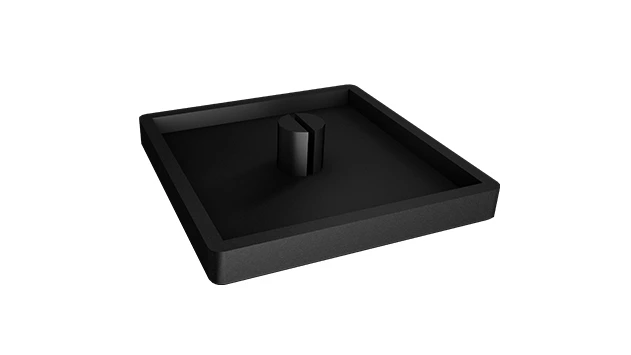
4040 Aluminum Profile End Cap
The aluminum profile end cap adds a finishing touch to your project and closes off profile ends to limit dust and debris buildup, also it can avaid some scratch for material and labor during the assemble work.
The Backbone of Modern Manufacturing: Flexible Production Lines
Walk into any thriving manufacturing facility today, and you'll notice a common thread: adaptability. Production lines that can pivot with changing demands, reconfigure in hours instead of days, and minimize downtime—these are the hallmarks of a competitive operation. At the heart of this flexibility lies a network of components working in harmony, many of which go unnoticed until they're missing. One such unsung hero? The humble but critical 4040 aluminum profile end cap. While it might seem like a small detail, this piece plays a big role in keeping conveyor systems running smoothly, protecting workers, and ensuring that every part of the production puzzle fits together seamlessly.
Aluminum profiles have revolutionized how we build workbenches, material racks, and conveyor systems. Lightweight yet strong, they're the building blocks of modular setups that can grow, shrink, or change shape as needs evolve. But even the sturdiest aluminum profile is only as good as its finishing touches. That's where end caps come in. In this article, we'll dive into why 4040 aluminum profile end caps matter, how they integrate with conveyor systems, and why they're more than just "caps"—they're essential to the efficiency and safety of modern production lines.
Understanding 4040 Aluminum Profile End Caps: More Than Just a Cover
First, let's get clear on what we're talking about. 4040 aluminum profiles are a staple in industrial setups, named for their 40mm x 40mm cross-section. They're used to build everything from workbenches to machine frames, thanks to their T-slot design that lets you attach accessories like brackets, shelves, and yes—conveyor tracks—with ease. But the open ends of these profiles can be a problem. Without protection, they're sharp, prone to collecting dust and debris, and can even damage other components or injure workers who brush against them.
That's where 4040 aluminum profile end caps step in. These small, often overlooked pieces snap or press into the ends of the profiles, sealing them off. But their job doesn't stop at "covering." A well-designed end cap is a multitasker: it smooths rough edges to prevent cuts, keeps contaminants out of the T-slots (which can jam accessories or corrode the metal), and adds a clean, professional look to the setup. Think of it like the cap on a pen—without it, the ink dries out, the tip gets damaged, and it just doesn't feel complete.
Not all end caps are created equal, though. Depending on the application, you might need ones made from durable nylon, impact-resistant plastic, or even aluminum for extra strength. Some are designed with a snug friction fit, while others use screws for a permanent seal. For conveyor systems, which see constant motion and vibration, a secure fit is non-negotiable—loose end caps can rattle loose, creating noise, debris, or even safety hazards.

Why Conveyor Systems Can't Afford to Overlook End Caps
Conveyor systems are the arteries of production lines, moving parts, materials, and finished goods from point A to B with minimal human intervention. When a conveyor jams or breaks down, the entire line grinds to a halt—and every minute of downtime costs money. That's why every component, no matter how small, needs to be reliable. 4040 aluminum profile end caps might not power the conveyor, but they play a key role in keeping it running.
Consider the structure of a typical conveyor system. It's built on a frame of aluminum profiles, with roller tracks, guides, and supports attached via T-slot accessories. The ends of these profiles are often exposed, especially where the frame connects to other components or where workers might reach in to adjust materials. Without end caps, those sharp edges become a risk: a worker could scrape their hand while loading parts, or a loose thread from packaging could get caught in the open slot, causing a jam.
Then there's the issue of debris. Manufacturing environments are dusty—metal shavings, plastic particles, and even small screws can find their way into open T-slots. Over time, this buildup can make it hard to adjust accessories like guide rails or brackets, or even damage the slot itself. End caps act as a barrier, keeping the inside of the profile clean and functional. In high-speed conveyor systems, where precision is everything, this small detail can mean the difference between smooth operation and frequent breakdowns.
| Feature | Without 4040 End Caps | With 4040 End Caps |
|---|---|---|
| Worker Safety | Risk of cuts from sharp profile edges | Smooth, rounded edges prevent injuries |
| Profile Longevity | Dust/debris buildup in T-slots; corrosion risk | Sealed slots reduce wear and extend profile life |
| Conveyor Reliability | Potential jams from debris; loose accessories | Clean, secure connections minimize downtime |
| System Aesthetics | Unfinished, industrial look | Polished, professional appearance |

Synergy with Roller Tracks and Aluminum Profile Accessories
4040 end caps don't work alone—they're part of a larger ecosystem of aluminum profile accessories that make conveyor systems flexible and functional. Take roller tracks, for example. These are the "conveyor belts" of the modular world, using a series of wheels to move materials along a path. They're attached to aluminum profile frames via brackets and connectors, and they rely on the frame being stable and well-protected.
Imagine a roller track mounted on a 4040 profile frame. The track itself is held in place by aluminum guide rails, which are secured to the profile using T-slot nuts and bolts. If the ends of the profile are uncovered, those bolts could work loose over time, or the guide rail could shift out of alignment. End caps help keep the frame rigid by preventing flexing at the ends, ensuring that the roller track stays straight and level. This alignment is crucial for materials to glide smoothly—even a slight warp can cause products to get stuck or tip over.
Other accessories, like caster wheels for mobile conveyor sections or workbench brackets, also benefit from properly capped profiles. Casters are attached to the bottom of profile frames, and if the ends of the profiles are damaged or dirty, the caster mounts might not secure properly, leading to wobbly or unstable conveyors. End caps protect the integrity of the profile, ensuring that every accessory—from roller track placon mounts to caster brackets—has a solid foundation to attach to.
It's this synergy that makes modular systems so powerful. Each component, from the largest aluminum profile to the smallest end cap, is designed to work with the others. When you choose high-quality 4040 end caps, you're not just protecting the profile—you're investing in the reliability of the entire conveyor system, and by extension, the productivity of your team.
Supporting Lean Systems: End Caps as a Tool for Efficiency
Lean manufacturing is all about eliminating waste—whether that's wasted time, materials, or effort. Every component in a lean system should serve a purpose, and 4040 aluminum profile end caps are no exception. They might seem like a minor detail, but they contribute to lean goals in ways that add up over time.
Take downtime, for example. In a lean setup, any stop in production is a waste of resources. End caps reduce downtime by preventing jams, protecting against debris buildup, and minimizing wear on profiles and accessories. A conveyor that runs smoothly requires less maintenance, freeing up your team to focus on more critical tasks than cleaning out T-slots or replacing damaged brackets. Over a year, those saved minutes can translate to significant cost savings and higher output.
Then there's the human factor. Lean systems prioritize worker well-being, recognizing that a safe, comfortable environment leads to better productivity. End caps eliminate sharp edges, reducing the risk of injuries and creating a workspace that feels cared for. When workers don't have to worry about getting cut or catching their gloves on exposed profile ends, they can focus on doing their jobs efficiently. It's a small change, but it sends a message that their safety matters—and that kind of culture boost is priceless in lean manufacturing.
Finally, modularity is a cornerstone of lean systems, and end caps support that flexibility. When you need to reconfigure a conveyor line—say, to add a new roller track or extend a workbench—you can disassemble and reassemble the aluminum profiles quickly. End caps pop off easily, allowing you to access the T-slots and adjust accessories without damaging the profile. Once the new setup is in place, the end caps go back on, and the system is ready to run. This speed of reconfiguration is what makes lean systems agile, and end caps play a quiet role in making it possible.
Choosing the Right End Caps: What to Look For
Not all 4040 aluminum profile end caps are created equal, so it's important to choose ones that fit your specific needs. Here are a few key factors to consider:
Material: Nylon end caps are lightweight and cost-effective, making them a good choice for general use. For heavy-duty applications or environments with high impact (like warehouses with frequent forklift traffic), look for reinforced plastic or aluminum end caps. ESD (electrostatic discharge) versions are also available for electronics manufacturing, where static protection is critical.
Fit: A snug, secure fit is essential. Friction-fit end caps are easy to install and remove, which is great for systems that need frequent reconfiguration. Screw-on end caps offer a permanent seal, ideal for fixed conveyor lines that won't be moved often.
Design: Some end caps are plain, while others have features like ventilation holes (for profiles used in cooling systems) or color-coding (to help with quick identification of conveyor sections). For safety-critical areas, choose end caps with bright colors or reflective strips to increase visibility.
When in doubt, consult with your aluminum profile supplier. They can help you match the right end cap to your conveyor system's needs, ensuring that you get the durability, fit, and functionality required for your production line.
Conclusion: The Small Component with a Big Impact
In the world of manufacturing, it's often the smallest components that make the biggest difference. 4040 aluminum profile end caps might not grab headlines, but they're a critical part of building flexible, reliable conveyor systems that support modern production lines. By protecting profiles from damage, keeping workers safe, and ensuring that accessories like roller tracks and caster wheels function properly, these unassuming caps play a key role in reducing waste, boosting efficiency, and supporting lean manufacturing principles.
So the next time you walk through your production facility, take a moment to look at the aluminum profiles that frame your conveyor systems. Check the ends—are they capped? If not, consider this: those small, affordable end caps could be the missing piece in your quest for smoother operations, fewer breakdowns, and a safer workplace. After all, in manufacturing, success is in the details—and 4040 aluminum profile end caps are a detail worth investing in.