- Company Articles
- Products and Technology
- Product knowledge
- 4040 Aluminum Profile End Caps for Flexible Workstations: Ergonomic Design

4040 Aluminum Profile End Caps for Flexible Workstations: Ergonomic Design
Related Product
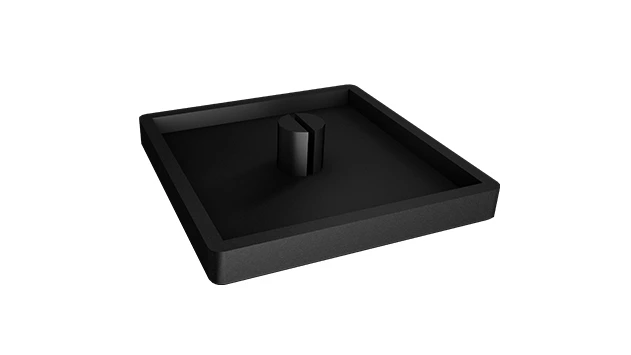
4040 Aluminum Profile End Cap
The aluminum profile end cap adds a finishing touch to your project and closes off profile ends to limit dust and debris buildup, also it can avaid some scratch for material and labor during the assemble work.
The Backbone of Modern Workstations: Aluminum Extrusion Profiles
Walk into any modern manufacturing facility, busy laboratory, or even a dynamic office space, and you'll likely notice a common thread: the presence of sleek, modular structures that seem to adapt effortlessly to their surroundings. These aren't just random assemblies—they're often built using aluminum extrusion profiles, the unsung heroes of flexible workspace design. Among the most versatile of these profiles is the 4040 aluminum extrusion profile, a 40mm x 40mm cross-sectional workhorse that balances strength, lightweight construction, and adaptability. But even the most well-engineered aluminum extrusion profile is incomplete without the right finishing touches, and that's where aluminum profile accessories like end caps come into play.
Aluminum extrusion profiles are created by forcing heated aluminum through a die, shaping it into consistent, repeatable cross-sections. This process allows for precise designs, including the T-slots that make these profiles so popular: those slots act as built-in attachment points for shelves, brackets, casters, and other accessories, eliminating the need for welding or drilling. The 4040 aluminum extrusion profile, in particular, has become a staple in industries ranging from automotive manufacturing to electronics assembly. Its size is large enough to support heavy equipment—think power tools, testing machinery, or stacks of materials—yet small enough to keep workstations from feeling bulky or unwieldy. It's the kind of profile that works just as well as the frame for a workbench in a factory as it does for a mobile cart in a hospital or a storage rack in a retail backroom.
But here's the thing about aluminum extrusion profiles: their raw, cut ends can be surprisingly problematic. Left unfinished, they're often sharp, prone to collecting dust and debris, and can even damage materials or injure workers who brush against them. That's where the 4040 aluminum profile end cap enters the picture. This small but critical aluminum profile accessory transforms a functional but incomplete structure into a polished, safe, and ergonomic workstation. It's the kind of detail that might go unnoticed at first glance, but once you start looking for it, you'll realize how essential it is to the overall design.
Why End Caps Matter: More Than Just a "Finishing Touch"
When building a workstation, it's easy to focus on the big-ticket items: the aluminum extrusion profile itself, the workbench surface, the casters that make it mobile, or the brackets that hold tools in place. But anyone who's spent time working in a busy environment knows that the smallest details often have the biggest impact on daily operations. The 4040 aluminum profile end cap is a perfect example of this principle.
Let's start with safety—a non-negotiable in any workspace. Imagine a production line where employees are moving quickly to meet a deadline. A worker reaches across a workbench to grab a component, and their arm brushes against the end of an exposed aluminum extrusion profile. Without an end cap, that sharp edge could tear through gloves, scratch skin, or even cause a more serious injury. Over time, repeated contact might lead to cuts, bruises, or even infections—all avoidable with a simple accessory. In fact, workplace safety reports often highlight "contact with objects and equipment" as a leading cause of non-fatal injuries, and while end caps alone won't eliminate all such risks, they're a low-cost, high-impact way to reduce them.
Then there's the issue of durability. Aluminum extrusion profiles are designed to last, but their exposed ends are vulnerable to damage. Bumps from carts, drops of heavy tools, or even regular wear and tear can dent or deform the edges of the profile, compromising its structural integrity over time. A 4040 aluminum profile end cap acts as a protective barrier, absorbing impacts and preserving the profile's shape. This isn't just about aesthetics—damaged profiles can make it harder to attach accessories like brackets or shelves, leading to wobbly work surfaces or unstable storage. By investing in end caps, you're extending the lifespan of your aluminum extrusion profiles and ensuring your workstation remains functional for years to come.
Cleanliness is another often-overlooked benefit. Exposed aluminum ends can collect dust, dirt, or even liquids, creating hard-to-clean crevices that become breeding grounds for bacteria or corrosion. In industries like food processing, pharmaceuticals, or electronics manufacturing—where cleanliness is critical—this is a major concern. End caps seal off those open ends, making workstations easier to wipe down, disinfect, or pressure-wash. It's a small step that simplifies maintenance and helps comply with strict hygiene standards.

Ergonomic Design: Putting People at the Center
Ergonomics isn't just a buzzword—it's a design philosophy that prioritizes the health and comfort of the people using a space or tool. When it comes to workstations, ergonomic design can reduce fatigue, minimize the risk of musculoskeletal disorders, and boost productivity by making tasks easier to perform. The 4040 aluminum profile end cap might seem like a minor player in this equation, but it contributes to ergonomics in ways that add up over a long workday.
Take, for example, the height of a typical workbench. Most ergonomic guidelines recommend a surface height between 30 and 36 inches, depending on the task and the worker's height. A workbench built with 4040 aluminum extrusion profiles can be adjusted to hit that sweet spot, but even the most perfectly sized bench can become uncomfortable if its edges are sharp or uneven. End caps smooth out those edges, so workers can rest their forearms, lean against the bench, or reach across it without irritation. Over an 8-hour shift, that small comfort can mean the difference between feeling fresh and feeling drained.
Flexibility is another cornerstone of ergonomic design, and aluminum extrusion profiles excel here. A lean system—one built around the principles of minimizing waste and maximizing efficiency—relies on being able to reconfigure workstations quickly as needs change. Need to add a shelf to your workbench to store new tools? Just slide a bracket into the T-slot. Want to move the workstation to a different part of the factory floor? Attach casters to the base. End caps fit seamlessly into this ethos because they're designed for easy installation and removal. Most snap or press into place, requiring no special tools, so you can reconfigure your workstation in minutes rather than hours. This adaptability means workers aren't stuck using a workstation that no longer fits their tasks, reducing strain and improving focus.
Visual ergonomics also play a role. A cluttered, disorganized workspace can be mentally draining, making it harder to stay on task. Aluminum profile accessories like colored end caps can help here. Many manufacturers offer end caps in a range of hues—red, blue, green, yellow—allowing you to color-code workstations by function. For example, red end caps might mark assembly stations, blue for quality control, and green for packaging. This visual cue helps workers quickly identify where tools, materials, or completed products belong, reducing search time and mental fatigue. It's a simple trick, but it aligns with the lean system goal of making workflows intuitive and efficient.

Types of 4040 Aluminum Profile End Caps: Choosing the Right Fit
Not all 4040 aluminum profile end caps are created equal, and choosing the right one depends on your workstation's specific needs. Let's break down some common types and their best uses:
| End Cap Type | Design | Key Features | Ideal For |
|---|---|---|---|
| Flat End Caps | Sits flush with the profile edge | Low-profile, clean aesthetic; minimal protrusion | Tight spaces, offices, or workstations where a sleek look is prioritized |
| Domed End Caps | Rounded, convex top | Extra impact protection; smoother surface for accidental contact | High-traffic areas, manufacturing floors, or workstations with mobile carts nearby |
| Colored End Caps | Available in various hues (red, blue, yellow, etc.) | Visual organization; easy workflow identification | Multi-functional workbenches, lean systems with multiple stations, or facilities with color-coded processes |
| Threaded End Caps | Internal threading for attaching bolts or accessories | Allows for secure mounting of small components (e.g., hooks, labels) | Custom tool storage, signage, or workstations needing |
Material choice is another consideration. Most 4040 aluminum profile end caps are made from durable plastics like polypropylene or nylon, chosen for their resistance to impact, chemicals, and temperature fluctuations. These materials are lightweight, cost-effective, and easy to mold into precise shapes. For specialized environments—like cleanrooms or outdoor settings—you might opt for end caps made from stainless steel or aluminum, which offer enhanced corrosion resistance. Rubber end caps are another option, providing extra grip or noise dampening, making them ideal for workstations that need to stay stable or quiet.
Installation is designed to be hassle-free. Most end caps are press-fit: simply align the cap with the end of the aluminum extrusion profile and apply gentle pressure until it snaps into place. For tighter fits, a rubber mallet can help seat the cap without damaging it. Some end caps feature small tabs or notches that lock into the profile's T-slot, ensuring a secure hold even in high-vibration environments. The key is to ensure the end of the profile is clean and free of burrs before installation—this ensures a snug, long-lasting fit.
Integrating End Caps into a Lean System: A Holistic Approach
A lean system is all about creating value by eliminating waste—whether that's wasted time, materials, or effort. The 4040 aluminum profile end cap might seem like a minor component, but it plays a role in this larger ecosystem by addressing several lean principles:
Eliminating Waste of Motion: Sharp or uneven profile ends can force workers to adjust their movements to avoid injury—leaning awkwardly, reaching around edges, or moving more slowly than necessary. End caps remove these obstacles, letting employees move naturally and efficiently.
Reducing Waste of Defects: Damaged profiles or contaminated components (from dirt trapped in exposed ends) can lead to defective products or equipment malfunctions. End caps protect profiles and keep workspaces clean, reducing the need for rework or repairs.
Enhancing Standardization: By using consistent end caps across all workstations, you create a uniform look and feel. This makes training easier (new employees know what to expect) and simplifies maintenance (replacement parts are interchangeable).
To truly leverage end caps in a lean system, they should be considered alongside other aluminum profile accessories. For example, a mobile workbench might combine 4040 aluminum extrusion profiles, casters for mobility, a durable work surface, and end caps for safety. Each component relies on the others: the casters let you move the bench, the T-slots let you attach tools, and the end caps ensure the whole setup is safe and comfortable to use. It's this synergy that makes aluminum extrusion profiles and their accessories so powerful for building flexible, people-centric workspaces.
Real-World Applications: End Caps in Action
To understand the impact of 4040 aluminum profile end caps, let's look at a few real-world scenarios:
Electronics Manufacturing Workbench: In a facility assembling circuit boards, precision is critical. Workers spend hours hunched over small components, using delicate tools. A workbench built with 4040 aluminum extrusion profiles needs to be stable, adjustable, and safe. Domed end caps prevent scratches on circuit boards when sliding them across the bench, while colored end caps (e.g., green for "inspected" and red for "needs repair") help track workflow. The end caps also make the bench easier to clean, ensuring no dust or debris lands on sensitive electronics.
Hospital Supply Cart: In a busy hospital, mobile carts carry everything from medications to linens. These carts are often built with aluminum extrusion profiles for lightweight maneuverability. Flat end caps are ideal here—they prevent the cart from catching on door frames or walls as it's moved through tight corridors. Threaded end caps might even be used to attach small hooks for hand sanitizer or labels indicating the cart's contents, enhancing functionality without adding bulk.
Office Collaboration Space: Modern offices increasingly use modular furniture to adapt to team needs—think movable partitions, standing desks, or project tables. A collaborative workbench built with 4040 aluminum extrusion profiles can be reconfigured for meetings, solo work, or group projects. Colored end caps (e.g., blue for "quiet zone" and yellow for "collaboration zone") help set expectations, while flat end caps keep the space looking polished and professional.
In each of these cases, the 4040 aluminum profile end cap isn't the star of the show—but it's the supporting actor that makes the whole production run smoothly. It's the kind of component that, once integrated, becomes indispensable.
Choosing the Right Supplier: Quality Matters
Not all aluminum profile accessories are created equal, and the quality of your 4040 aluminum profile end caps can make a big difference in performance and longevity. When selecting a supplier, look for a few key traits:
Material Transparency: Reputable suppliers will clearly state what their end caps are made of—whether it's polypropylene, nylon, or another material. This helps you ensure compatibility with your environment (e.g., chemical resistance for labs, impact resistance for factories).
Fit and Finish: A good end cap should slide into place easily but stay put once installed. Avoid suppliers with inconsistent sizing, as loose end caps can fall off, defeating their purpose.
Range of Options: Look for suppliers that offer multiple end cap types (flat, domed, colored, etc.) and other aluminum profile accessories. This makes it easier to source all your workstation components from one place, ensuring compatibility.
Customer Support: Building a lean system or ergonomic workstation can involve questions—What end cap is best for my workbench? How do I reconfigure my profiles without damaging them? A supplier with knowledgeable staff can guide you to the right solutions, saving time and frustration.
The Future of Ergonomic Aluminum Accessories
As workplaces continue to evolve, so too will the tools and accessories that shape them. The future of aluminum profile accessories like 4040 aluminum profile end caps is likely to focus on three key areas:
Sustainability: With growing emphasis on eco-friendly practices, we'll see more end caps made from recycled materials or biodegradable plastics. Some suppliers are already experimenting with plant-based polymers that offer the same durability as traditional plastics but with a lower environmental footprint.
Smart Integration: Imagine end caps with built-in sensors that monitor temperature, vibration, or even occupancy. These "smart" end caps could send data to a central system, alerting managers to potential issues (e.g., a workstation that's consistently overheating) or helping optimize space usage (e.g., identifying underutilized workbenches).
Customization: As 3D printing technology becomes more accessible, we might see on-demand end caps tailored to unique workstation designs. Need an end cap with a specific shape to fit a custom tool holder? A quick 3D print could make it a reality, further enhancing ergonomics and functionality.
Conclusion: Small Component, Big Impact
In the world of flexible workstations and lean systems, it's often the smallest components that leave the biggest impression. The 4040 aluminum profile end cap is a prime example: a simple, affordable accessory that enhances safety, supports ergonomic design, and contributes to the overall efficiency of your workspace. It's the kind of detail that might not get noticed in a tour of your facility, but ask any worker who's spent hours at a well-designed workbench, and they'll tell you—those smooth, protected edges make a world of difference.
Whether you're building a new workbench, upgrading an existing lean system, or designing a completely custom workspace, don't overlook the power of a well-chosen end cap. After all, ergonomic design is about putting people first—and sometimes, that means starting with the smallest parts.