- Company Articles
- Products and Technology
- Product knowledge
- 4040 Aluminum Profile End Caps for Lean Management Accessories: Organizational Benefits

4040 Aluminum Profile End Caps for Lean Management Accessories: Organizational Benefits
Related Product
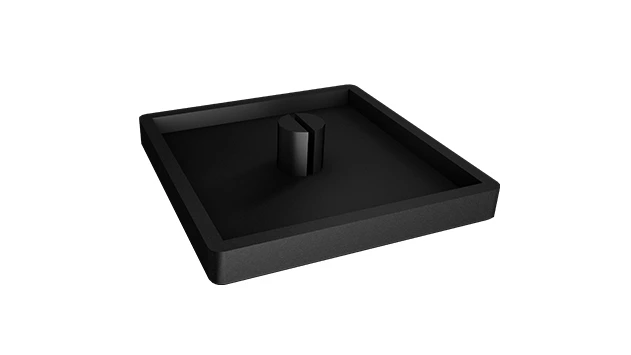
4040 Aluminum Profile End Cap
The aluminum profile end cap adds a finishing touch to your project and closes off profile ends to limit dust and debris buildup, also it can avaid some scratch for material and labor during the assemble work.
Introduction: The Unsung Heroes of Lean Systems
Walk into any well-run manufacturing facility, warehouse, or assembly line, and you'll notice a rhythm—a seamless flow of materials, tools, and people moving with purpose. This isn't just luck; it's the result of lean management principles in action. Lean is all about cutting waste, streamlining processes, and creating systems that work
with
your team, not against them. But here's the thing: lean isn't just a mindset. It's built on physical infrastructure—workbenches that keep tools within arm's reach, material racks that organize inventory at a glance, conveyor systems that move parts without bottlenecks. And at the heart of this infrastructure? Aluminum profiles. Strong, lightweight, and infinitely customizable, aluminum profiles are the backbone of modern lean setups. But today, we're not here to talk about the profiles themselves. We're here to talk about the tiny but mighty accessories that make them truly effective: 4040 aluminum profile end caps. These small, often overlooked parts play a huge role in keeping lean systems running smoothly, safely, and efficiently. Let's dive in.
Understanding Lean Management: More Than Just Efficiency
Before we get to end caps, let's ground ourselves in what lean management really means. At its core, lean is a philosophy born from the Toyota Production System, focused on five key principles: value, value stream, flow, pull, and perfection. It's about identifying what your customer truly values, mapping out the steps to deliver that value, and then eliminating anything that doesn't contribute—whether that's excess inventory, unnecessary movement, or downtime.
To put these principles into practice, you need the right tools. And in the physical world, that means workspaces designed for efficiency. Imagine a workbench where every tool has a designated spot, so operators don't waste time searching. Or a material rack where parts are stored at eye level, so picking inventory takes seconds, not minutes. These setups aren't just "nice to have"—they're essential for lean to work. And more often than not, they're built using aluminum profiles. Why aluminum? Because unlike heavy steel or rigid stainless steel, aluminum profiles are lightweight, corrosion-resistant, and (thanks to T-slots) easy to assemble and reconfigure. Need to adjust a workbench height? Swap out a section of the profile. Want to add a shelf to a material rack? Slide in a bracket. Aluminum profiles adapt as your needs change, which is critical in lean environments where processes are constantly being optimized.
But here's the catch: even the best aluminum profiles are only as good as the accessories that hold them together. Joints, brackets, casters, and yes—end caps—all play a role in turning raw profiles into functional, reliable systems. In fact, skimping on accessories is one of the easiest ways to derail a lean setup. A loose joint can make a workbench wobble, slowing down tasks. A missing end cap can leave a sharp edge exposed, risking injury (and downtime). So, while end caps might seem trivial, they're part of the foundation that makes lean possible.
To put these principles into practice, you need the right tools. And in the physical world, that means workspaces designed for efficiency. Imagine a workbench where every tool has a designated spot, so operators don't waste time searching. Or a material rack where parts are stored at eye level, so picking inventory takes seconds, not minutes. These setups aren't just "nice to have"—they're essential for lean to work. And more often than not, they're built using aluminum profiles. Why aluminum? Because unlike heavy steel or rigid stainless steel, aluminum profiles are lightweight, corrosion-resistant, and (thanks to T-slots) easy to assemble and reconfigure. Need to adjust a workbench height? Swap out a section of the profile. Want to add a shelf to a material rack? Slide in a bracket. Aluminum profiles adapt as your needs change, which is critical in lean environments where processes are constantly being optimized.
But here's the catch: even the best aluminum profiles are only as good as the accessories that hold them together. Joints, brackets, casters, and yes—end caps—all play a role in turning raw profiles into functional, reliable systems. In fact, skimping on accessories is one of the easiest ways to derail a lean setup. A loose joint can make a workbench wobble, slowing down tasks. A missing end cap can leave a sharp edge exposed, risking injury (and downtime). So, while end caps might seem trivial, they're part of the foundation that makes lean possible.

The 4040 Aluminum Profile: A Workhorse in Lean Setups
If aluminum profiles are the backbone of lean systems, the 4040 aluminum profile is the backbone of backbones. Let's break down why. The "4040" refers to its dimensions: 40mm by 40mm. That might sound small, but it's the sweet spot for balance—strong enough to support heavy loads (think toolboxes, machinery, or stacks of materials) but lightweight enough to be easily maneuvered when reconfiguring workspaces.
What really sets the 4040 profile apart, though, is its T-slot design. Running along each side of the profile are narrow slots that allow accessories—like brackets, shelves, or even conveyor tracks—to slide in and lock into place with bolts or nuts. This means you don't need to weld or drill holes to build something; you just assemble it. For example, a material rack B (3 row and 3 floor) —a common setup in warehouses—can be built in hours using 4040 profiles, with shelves adjusted to fit different-sized bins. If next month you need taller shelves for larger parts? Just loosen the bolts, move the brackets, and tighten them back up. No new materials, no wasted time. That's the power of T-slots.
So where do you see 4040 profiles in action? Everywhere. They're used to build workbenches (like the workbench E (single deck-without caster) ), which are the command centers of assembly lines. They're used in flow racks, where gravity feeds parts to operators, reducing the need to bend or reach. They're even used in conveyor systems, paired with roller track accessories to move products from one station to the next. And because aluminum is resistant to rust and easy to clean, 4040 profiles are also popular in industries like food processing or electronics, where hygiene and precision matter.
Compared to other materials, 4040 aluminum profiles offer a clear advantage. Steel is stronger, but it's heavy and prone to rust—making it hard to reconfigure and unsuitable for damp environments. Stainless steel is corrosion-resistant but expensive and overkill for most lean setups. Aluminum hits that perfect middle: strong enough, light enough, affordable enough, and adaptable enough. No wonder it's the go-to choice for lean system suppliers and manufacturers worldwide.
What really sets the 4040 profile apart, though, is its T-slot design. Running along each side of the profile are narrow slots that allow accessories—like brackets, shelves, or even conveyor tracks—to slide in and lock into place with bolts or nuts. This means you don't need to weld or drill holes to build something; you just assemble it. For example, a material rack B (3 row and 3 floor) —a common setup in warehouses—can be built in hours using 4040 profiles, with shelves adjusted to fit different-sized bins. If next month you need taller shelves for larger parts? Just loosen the bolts, move the brackets, and tighten them back up. No new materials, no wasted time. That's the power of T-slots.
So where do you see 4040 profiles in action? Everywhere. They're used to build workbenches (like the workbench E (single deck-without caster) ), which are the command centers of assembly lines. They're used in flow racks, where gravity feeds parts to operators, reducing the need to bend or reach. They're even used in conveyor systems, paired with roller track accessories to move products from one station to the next. And because aluminum is resistant to rust and easy to clean, 4040 profiles are also popular in industries like food processing or electronics, where hygiene and precision matter.
Compared to other materials, 4040 aluminum profiles offer a clear advantage. Steel is stronger, but it's heavy and prone to rust—making it hard to reconfigure and unsuitable for damp environments. Stainless steel is corrosion-resistant but expensive and overkill for most lean setups. Aluminum hits that perfect middle: strong enough, light enough, affordable enough, and adaptable enough. No wonder it's the go-to choice for lean system suppliers and manufacturers worldwide.

4040 Aluminum Profile End Caps: What Are They, and Why Do They Matter?
Let's get specific: What exactly is a 4040 aluminum profile end cap? Put simply, it's a small cover that fits over the exposed ends of a 4040 aluminum profile. Most end caps are made of durable plastic (like polypropylene) or rubber, and they're designed to snap or press into place—no tools required. They come in different colors (often black, white, or gray) to match profiles or workbench designs, but their function is far more important than their appearance.
So what do they actually do ? Let's break down their four key roles:
1. Safety First: Eliminating Sharp Edges
Aluminum profiles are cut to length during assembly, and those cut ends can be surprisingly sharp—like a tiny knife edge. In a busy lean environment, where operators are moving quickly, a brush against an exposed profile end could lead to a cut. Even a small injury means downtime, paperwork, and a dip in team morale. End caps cover those sharp edges, turning them into smooth, rounded surfaces. It's a simple fix, but it makes a big difference in keeping your team safe.
2. Dust and Debris Protection: Keeping T-Slots Clean
Remember those T-slots we talked about? They're great for attaching accessories, but they're also magnets for dust, dirt, and small debris. Over time, gunk can build up in the slots, making it hard to slide in brackets or tighten bolts. That means more time spent cleaning and less time spent producing. End caps seal off the open ends of the profile, preventing debris from getting inside. Think of them like doorstops for your T-slots—keeping the bad stuff out so your accessories work smoothly.
3. Aesthetic and Professionalism: Polishing the Look
Lean is as much about mindset as it is about processes. A cluttered, messy workspace can make even the best team feel unmotivated. End caps give profiles a finished, professional look. Instead of seeing ragged cut ends, operators see clean, uniform edges. It's a small detail, but it sends a message: "We care about this space, and we care about you." That sense of pride can boost morale and keep teams focused on the task at hand.
4. Durability: Protecting Profile Ends
Profiles take a beating in daily use. They get bumped by carts, scraped by tools, or even dropped during reconfiguration. Without end caps, the exposed ends can get dented, bent, or cracked. A damaged end might not seem like a big deal, but over time, it can weaken the profile or make it harder to attach accessories. End caps act as a buffer, absorbing impacts and keeping the profile's structural integrity intact. In short, they help your aluminum profiles last longer, saving you money on replacements.
So what do they actually do ? Let's break down their four key roles:
1. Safety First: Eliminating Sharp Edges
Aluminum profiles are cut to length during assembly, and those cut ends can be surprisingly sharp—like a tiny knife edge. In a busy lean environment, where operators are moving quickly, a brush against an exposed profile end could lead to a cut. Even a small injury means downtime, paperwork, and a dip in team morale. End caps cover those sharp edges, turning them into smooth, rounded surfaces. It's a simple fix, but it makes a big difference in keeping your team safe.
2. Dust and Debris Protection: Keeping T-Slots Clean
Remember those T-slots we talked about? They're great for attaching accessories, but they're also magnets for dust, dirt, and small debris. Over time, gunk can build up in the slots, making it hard to slide in brackets or tighten bolts. That means more time spent cleaning and less time spent producing. End caps seal off the open ends of the profile, preventing debris from getting inside. Think of them like doorstops for your T-slots—keeping the bad stuff out so your accessories work smoothly.
3. Aesthetic and Professionalism: Polishing the Look
Lean is as much about mindset as it is about processes. A cluttered, messy workspace can make even the best team feel unmotivated. End caps give profiles a finished, professional look. Instead of seeing ragged cut ends, operators see clean, uniform edges. It's a small detail, but it sends a message: "We care about this space, and we care about you." That sense of pride can boost morale and keep teams focused on the task at hand.
4. Durability: Protecting Profile Ends
Profiles take a beating in daily use. They get bumped by carts, scraped by tools, or even dropped during reconfiguration. Without end caps, the exposed ends can get dented, bent, or cracked. A damaged end might not seem like a big deal, but over time, it can weaken the profile or make it harder to attach accessories. End caps act as a buffer, absorbing impacts and keeping the profile's structural integrity intact. In short, they help your aluminum profiles last longer, saving you money on replacements.
Organizational Benefits: How End Caps Strengthen Lean Systems
Now that we know what end caps do, let's talk about how they translate to real organizational benefits. In lean terms, every benefit should tie back to reducing waste, improving flow, or enhancing value. Here's how 4040 end caps deliver:
Enhanced Workplace Safety: A Culture of Care
Safety isn't just a box to check; it's a cornerstone of lean. A team that feels safe is a team that can focus on quality and speed. End caps eliminate a common but avoidable hazard: sharp edges. In fact, many lean audits now check for exposed profile ends as part of safety compliance. By investing in end caps, you're not just avoiding fines or incidents—you're building a culture where your team knows their well-being is a priority. And that culture translates to higher engagement, lower turnover, and better results.
Streamlined Workflow: No More Small Annoyances
Lean thrives on flow—materials, tools, and people moving without interruption. Small annoyances can break that flow: a bracket that sticks because of a dirty T-slot, a workbench that wobbles because a profile end is bent. End caps prevent these little hiccups. When accessories slide smoothly, when workbenches stay stable, and when edges stay safe, your team can focus on the task at hand, not fighting with the tools. It's the difference between a team that's constantly troubleshooting and one that's in the zone.
Cost Savings: Investing in the Long Run
Let's talk numbers. A pack of 4040 end caps might cost $20-$50, depending on the quantity and material. Compare that to the cost of replacing a bent aluminum profile ($50-$100+), or the cost of a workplace injury (which can run into thousands, between medical bills, downtime, and insurance claims). End caps are a tiny investment that pays off big. They extend the life of your profiles, reduce maintenance costs, and prevent costly incidents. For lean managers, that's a no-brainer.
Flexibility: Supporting Continuous Improvement
Lean isn't static; it's about continuous improvement. That means reconfiguring workspaces, adding new stations, or repurposing old setups. End caps make these changes easier. When you take apart a workbench to rebuild it, the protected profile ends are less likely to get damaged during transport or storage. And when you reassemble, clean T-slots mean accessories go on quickly and securely. So whether you're scaling up production or testing a new process, end caps help your infrastructure keep up with your lean goals.
Waste Reduction: Less Downtime, Less Maintenance
In lean, "downtime" is one of the biggest wastes. Whether it's due to injury, equipment failure, or maintenance delays, any stop in production eats into efficiency. End caps help reduce downtime in two ways: first, by preventing injuries (as we discussed), and second, by cutting down on maintenance. When T-slots stay clean, you spend less time scraping out debris and more time building, assembling, or shipping. And when profile ends stay undamaged, you avoid the hassle of replacing bent or cracked profiles. Over time, those saved minutes add up to hours—even days—of extra productivity.
In lean, "downtime" is one of the biggest wastes. Whether it's due to injury, equipment failure, or maintenance delays, any stop in production eats into efficiency. End caps help reduce downtime in two ways: first, by preventing injuries (as we discussed), and second, by cutting down on maintenance. When T-slots stay clean, you spend less time scraping out debris and more time building, assembling, or shipping. And when profile ends stay undamaged, you avoid the hassle of replacing bent or cracked profiles. Over time, those saved minutes add up to hours—even days—of extra productivity.
Enhanced Workplace Safety: A Culture of Care
Safety isn't just a box to check; it's a cornerstone of lean. A team that feels safe is a team that can focus on quality and speed. End caps eliminate a common but avoidable hazard: sharp edges. In fact, many lean audits now check for exposed profile ends as part of safety compliance. By investing in end caps, you're not just avoiding fines or incidents—you're building a culture where your team knows their well-being is a priority. And that culture translates to higher engagement, lower turnover, and better results.
Streamlined Workflow: No More Small Annoyances
Lean thrives on flow—materials, tools, and people moving without interruption. Small annoyances can break that flow: a bracket that sticks because of a dirty T-slot, a workbench that wobbles because a profile end is bent. End caps prevent these little hiccups. When accessories slide smoothly, when workbenches stay stable, and when edges stay safe, your team can focus on the task at hand, not fighting with the tools. It's the difference between a team that's constantly troubleshooting and one that's in the zone.
Cost Savings: Investing in the Long Run
Let's talk numbers. A pack of 4040 end caps might cost $20-$50, depending on the quantity and material. Compare that to the cost of replacing a bent aluminum profile ($50-$100+), or the cost of a workplace injury (which can run into thousands, between medical bills, downtime, and insurance claims). End caps are a tiny investment that pays off big. They extend the life of your profiles, reduce maintenance costs, and prevent costly incidents. For lean managers, that's a no-brainer.
Flexibility: Supporting Continuous Improvement
Lean isn't static; it's about continuous improvement. That means reconfiguring workspaces, adding new stations, or repurposing old setups. End caps make these changes easier. When you take apart a workbench to rebuild it, the protected profile ends are less likely to get damaged during transport or storage. And when you reassemble, clean T-slots mean accessories go on quickly and securely. So whether you're scaling up production or testing a new process, end caps help your infrastructure keep up with your lean goals.
Real-World Applications: End Caps in Action
To make this tangible, let's look at how 4040 end caps are used in three common lean setups:
1. Workbenches: The Operator's Command Center
A typical lean workbench—like the workbench E (single deck-without caster) —is built using 4040 profiles for the frame. The top might be an aluminum honeycomb panel for stability, and the sides might have shelves or tool hooks attached via T-slots. Now, imagine that workbench without end caps. The exposed ends of the vertical profiles (the legs) could have sharp edges at knee height—perfect for operators to bump into while standing or kneeling. The horizontal profiles under the shelf could have sharp edges near the operator's hands as they reach for tools. End caps cover these edges, turning a potentially hazardous setup into a safe, comfortable workspace. Plus, they keep dust out of the T-slots where the shelf brackets attach, so adjusting the shelf height (a common lean tweak) takes seconds, not minutes.
2. Material Racks: Organizing Inventory Efficiently
Material rack B (3 row and 3 floor) is a staple in warehouses and manufacturing facilities, used to store parts, bins, or finished goods. Built with 4040 profiles, these racks need to be sturdy enough to hold heavy loads but flexible enough to adjust shelf heights as inventory changes. End caps play two roles here: first, protecting the ends of the vertical support profiles, which take the brunt of the weight. Without end caps, these ends could crack under pressure, weakening the rack. Second, covering the horizontal shelf profiles, which might otherwise catch on bins as they're slid in and out. Smooth, capped edges mean bins glide easily, reducing the risk of spills or damage to parts.
3. Roller Tracks: Keeping Materials Flowing
Roller tracks (like 40 steel roller track yellow wheel or aluminum roller tracks) are used in flow racks and conveyor systems to move materials from one station to the next. These tracks are often mounted on 4040 profiles, which provide a stable base. End caps on the profile ends prevent dust from getting into the T-slots that hold the track brackets, ensuring the track stays level and rollers spin freely. They also protect the profiles from damage when loading heavy items onto the track—imagine sliding a bin onto the track and accidentally hitting the end of the profile. Without an end cap, that could bend the profile; with one, it's just a harmless bump.
In each of these cases, end caps aren't the star—but they make the stars (the workbenches, racks, and tracks) shine brighter. They're the quiet partners in lean success.
1. Workbenches: The Operator's Command Center
A typical lean workbench—like the workbench E (single deck-without caster) —is built using 4040 profiles for the frame. The top might be an aluminum honeycomb panel for stability, and the sides might have shelves or tool hooks attached via T-slots. Now, imagine that workbench without end caps. The exposed ends of the vertical profiles (the legs) could have sharp edges at knee height—perfect for operators to bump into while standing or kneeling. The horizontal profiles under the shelf could have sharp edges near the operator's hands as they reach for tools. End caps cover these edges, turning a potentially hazardous setup into a safe, comfortable workspace. Plus, they keep dust out of the T-slots where the shelf brackets attach, so adjusting the shelf height (a common lean tweak) takes seconds, not minutes.
2. Material Racks: Organizing Inventory Efficiently
Material rack B (3 row and 3 floor) is a staple in warehouses and manufacturing facilities, used to store parts, bins, or finished goods. Built with 4040 profiles, these racks need to be sturdy enough to hold heavy loads but flexible enough to adjust shelf heights as inventory changes. End caps play two roles here: first, protecting the ends of the vertical support profiles, which take the brunt of the weight. Without end caps, these ends could crack under pressure, weakening the rack. Second, covering the horizontal shelf profiles, which might otherwise catch on bins as they're slid in and out. Smooth, capped edges mean bins glide easily, reducing the risk of spills or damage to parts.
3. Roller Tracks: Keeping Materials Flowing
Roller tracks (like 40 steel roller track yellow wheel or aluminum roller tracks) are used in flow racks and conveyor systems to move materials from one station to the next. These tracks are often mounted on 4040 profiles, which provide a stable base. End caps on the profile ends prevent dust from getting into the T-slots that hold the track brackets, ensuring the track stays level and rollers spin freely. They also protect the profiles from damage when loading heavy items onto the track—imagine sliding a bin onto the track and accidentally hitting the end of the profile. Without an end cap, that could bend the profile; with one, it's just a harmless bump.
In each of these cases, end caps aren't the star—but they make the stars (the workbenches, racks, and tracks) shine brighter. They're the quiet partners in lean success.
Choosing the Right 4040 End Caps: What to Look For
Not all end caps are created equal. To get the organizational benefits we've discussed, you need quality end caps that fit well and hold up over time. Here's what to consider when shopping:
Material Quality: Don't Skimp on Durability
End caps are typically made of plastic (like ABS or nylon) or rubber. Plastic end caps are rigid and durable, good for high-traffic areas where they might get bumped often. Rubber end caps are softer, offering extra grip—useful if you want to prevent the profile from sliding on smooth floors. Whichever material you choose, look for thick, impact-resistant options. Cheap end caps might crack or warp after a few months, leaving your profiles exposed. A good rule of thumb: if it feels flimsy in your hand, it probably is.
Fit: Snug, Not Too Tight
End caps should press firmly into the profile end without being impossible to remove (you might need to take them off for deep cleaning or reconfiguration). A snug fit prevents them from falling off during use, but they shouldn't require a hammer to install. Look for end caps specifically designed for 4040 profiles—generic "one-size-fits-all" caps might be too loose or too tight. Reputable aluminum profile accessories suppliers will list the profile size each cap fits, so double-check before buying.
Supplier Reliability: Trust Matters
When it comes to lean accessories, consistency is key. You don't want to order end caps one month and get a different size or material the next. Look for suppliers with a track record in lean systems—companies that specialize in aluminum profiles and accessories. These suppliers understand the needs of lean environments and are more likely to stock high-quality, standardized products. They can also help you choose the right end caps for your specific setup (e.g., heavy-duty for workbenches, flexible for roller tracks).
Color and Design: Function Over Fashion
While color can be a nice touch (matching your company's branding or workspace theme), don't prioritize it over function. A bright yellow end cap might look great, but if it's made of cheap plastic that cracks, it's not worth it. That said, some colors serve a purpose: high-visibility colors (like red or orange) can be used to mark hazardous areas, while neutral colors (black, white) blend in for a clean look. Choose based on your team's needs.
Material Quality: Don't Skimp on Durability
End caps are typically made of plastic (like ABS or nylon) or rubber. Plastic end caps are rigid and durable, good for high-traffic areas where they might get bumped often. Rubber end caps are softer, offering extra grip—useful if you want to prevent the profile from sliding on smooth floors. Whichever material you choose, look for thick, impact-resistant options. Cheap end caps might crack or warp after a few months, leaving your profiles exposed. A good rule of thumb: if it feels flimsy in your hand, it probably is.
Fit: Snug, Not Too Tight
End caps should press firmly into the profile end without being impossible to remove (you might need to take them off for deep cleaning or reconfiguration). A snug fit prevents them from falling off during use, but they shouldn't require a hammer to install. Look for end caps specifically designed for 4040 profiles—generic "one-size-fits-all" caps might be too loose or too tight. Reputable aluminum profile accessories suppliers will list the profile size each cap fits, so double-check before buying.
Supplier Reliability: Trust Matters
When it comes to lean accessories, consistency is key. You don't want to order end caps one month and get a different size or material the next. Look for suppliers with a track record in lean systems—companies that specialize in aluminum profiles and accessories. These suppliers understand the needs of lean environments and are more likely to stock high-quality, standardized products. They can also help you choose the right end caps for your specific setup (e.g., heavy-duty for workbenches, flexible for roller tracks).
Color and Design: Function Over Fashion
While color can be a nice touch (matching your company's branding or workspace theme), don't prioritize it over function. A bright yellow end cap might look great, but if it's made of cheap plastic that cracks, it's not worth it. That said, some colors serve a purpose: high-visibility colors (like red or orange) can be used to mark hazardous areas, while neutral colors (black, white) blend in for a clean look. Choose based on your team's needs.
Pro Tip: Buy in Bulk
End caps are small, easy to lose, and you'll probably need more than you think. Keep a stock on hand so you can replace lost or damaged caps quickly. Waiting for a new order to fix an exposed profile end is a waste of time—exactly the kind of waste lean aims to eliminate.
End caps are small, easy to lose, and you'll probably need more than you think. Keep a stock on hand so you can replace lost or damaged caps quickly. Waiting for a new order to fix an exposed profile end is a waste of time—exactly the kind of waste lean aims to eliminate.
The Bottom Line: Small Parts, Big Impact
Lean management is about the details. It's about optimizing the little things so the big things take care of themselves. 4040 aluminum profile end caps might seem like a tiny detail, but they're a perfect example of how small investments in the right accessories can lead to big organizational benefits: safer workplaces, smoother workflows, lower costs, and a team that feels valued.
So the next time you're setting up a new workbench, reconfiguring a material rack, or auditing your lean system, don't overlook the end caps. They're not just pieces of plastic or rubber—they're tools for building a better, more efficient, and more human-centered workplace. And in lean, that's what it's all about.
So the next time you're setting up a new workbench, reconfiguring a material rack, or auditing your lean system, don't overlook the end caps. They're not just pieces of plastic or rubber—they're tools for building a better, more efficient, and more human-centered workplace. And in lean, that's what it's all about.
Comparison Table: Benefits of Using 4040 End Caps vs. Skipping Them
| Category | With 4040 End Caps | Without 4040 End Caps |
|---|---|---|
| Workplace Safety | Sharp edges covered; lower risk of cuts or injuries | Exposed sharp edges; higher risk of operator injuries |
| Maintenance Time | T-slots stay clean; less time spent cleaning debris | Dust and dirt build up in T-slots; frequent cleaning needed |
| Profile Durability | Ends protected from impacts; profiles last longer | Ends prone to dents, cracks, or bending; shorter profile lifespan |
| Workflow Efficiency | Accessories slide smoothly; no interruptions from stuck brackets | Sticky brackets due to debris; workflow delays |
| Cost Over Time | Lower replacement costs for profiles; fewer injury-related expenses | Higher costs from profile replacements and potential incidents |
| Team Morale | Polished, professional workspace; team feels valued | Unfinished, cluttered look; may lower motivation |