- Company Articles
- Products and Technology
- Product knowledge
- 4040 Aluminum Profile End Caps for Material Rack B: Storage Solutions

4040 Aluminum Profile End Caps for Material Rack B: Storage Solutions
Related Product
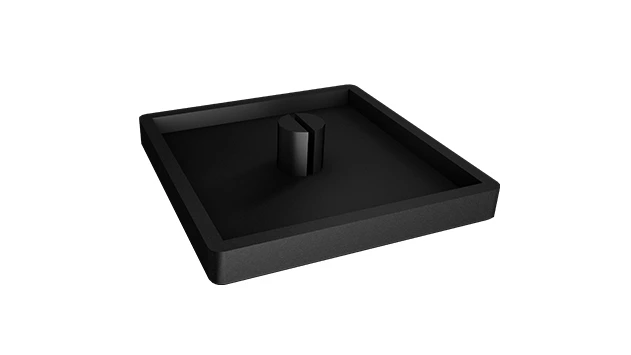
4040 Aluminum Profile End Cap
The aluminum profile end cap adds a finishing touch to your project and closes off profile ends to limit dust and debris buildup, also it can avaid some scratch for material and labor during the assemble work.
The Hidden Cost of Overlooked Storage Details
In the fast-paced world of manufacturing, warehousing, and production assembly, storage solutions often take a backseat to flashier investments like high-tech machinery or automated systems. But here's the truth: a disorganized, inefficient storage setup can quietly drain your resources. Think about it—how much time do your employees waste searching for tools? How often do fragile components get damaged because they're stacked haphazardly on unstable shelves? And let's not forget the safety risks: loose wires, sharp edges, or wobbly racks that turn a routine workday into a hazard zone. These aren't just minor inconveniences; they're bottlenecks that slow down production, increase costs, and chip away at your team's morale.
The good news? Many of these issues stem from overlooking the "small stuff"—the tiny, often unglamorous components that hold your storage systems together. Today, we're shining a spotlight on one such unsung hero: the 4040 Aluminum Profile End Cap. It might seem like a simple piece of plastic or metal, but when paired with a well-designed structure like Material Rack B (3 row and 3 floor), it becomes a cornerstone of efficient, safe, and lean storage. Let's dive into how these caps, along with the right aluminum profile accessories, can transform your workspace from chaotic to streamlined.
Material Rack B: More Than Just a Shelf
Before we get into the nitty-gritty of end caps, let's talk about the star of the show: Material Rack B (3 row and 3 floor). If you've ever struggled with one-size-fits-all storage racks that never quite fit your needs, this is the solution you've been waiting for. Designed with flexibility and durability in mind, Material Rack B is built using aluminum profiles—lightweight yet surprisingly strong, making it easy to assemble, adjust, and reconfigure as your storage needs change. With three rows and three floors, it maximizes vertical space, turning even a cramped corner into a organized storage hub.
But what really sets Material Rack B apart is its modularity. Unlike traditional wooden or welded metal racks that are fixed in place (and impossible to modify without a saw or welder), this rack is built using aluminum profiles and compatible accessories. Need to add a shelf? Swap out a component? Adjust the height to fit taller items? No problem. The aluminum profiles, with their T-slot design, allow you to attach, detach, and rearrange parts with minimal effort. This isn't just convenience—it's the foundation of a lean system, where waste (in this case, wasted space and wasted time) is minimized, and efficiency is prioritized.
Of course, even the best-designed rack is only as strong as its weakest link. That's where components like the 4040 Aluminum Profile End Cap come in. Let's break down why these small caps are non-negotiable for anyone serious about building a storage system that lasts.

4040 Aluminum Profile End Caps: The Unsung Guardians of Your Rack
At first glance, a 4040 Aluminum Profile End Cap might look like an afterthought—a simple cover that snaps onto the end of an aluminum profile. But don't let its simplicity fool you. These caps play four critical roles that make or break the functionality of your Material Rack B.
1. Safety First: No More Sharp Edges
Aluminum profiles are designed to be strong and lightweight, but their raw ends can be surprisingly sharp. Run your hand along an uncovered profile end, and you'll feel the rough, unfinished edge—a recipe for cuts, scrapes, or even torn gloves. In a busy workspace, where employees are moving quickly, reaching for items, or maneuvering heavy loads, those sharp edges aren't just a nuisance; they're a liability. The 4040 Aluminum Profile End Cap eliminates this risk by creating a smooth, rounded finish. It's a small detail, but ask any warehouse manager: fewer workplace injuries mean fewer downtime, lower insurance costs, and a team that feels valued and safe.
2. Durability: Protecting Your Investment
Aluminum profiles are resistant to rust and corrosion, but their exposed ends are still vulnerable to damage. Think about how often your rack gets bumped by forklifts, hit by rolling carts, or even just jostled during assembly. Over time, those impacts can dent the profile ends, bend the metal, or loosen the connections between components. A dented profile isn't just unsightly—it weakens the structural integrity of the entire rack. The 4040 Aluminum Profile End Cap acts as a buffer, absorbing minor impacts and preventing direct damage to the profile itself. It's like a helmet for your rack, extending its lifespan and ensuring it stays sturdy for years to come.
3. Keeping Out the Gunk: Dust, Debris, and Moisture
Warehouses and production floors are dusty, messy places. Sawdust, metal shavings, oil, and even moisture from the air can seep into the open ends of aluminum profiles. Over time, that debris builds up, clogging the T-slots and making it hard to attach accessories like shelves, brackets, or hooks. Worse, moisture trapped inside the profile can lead to internal corrosion, weakening the metal from the inside out. The 4040 Aluminum Profile End Cap seals off these open ends, keeping out dust, debris, and moisture. This means less time spent cleaning and maintaining your rack, and more time focusing on what actually matters—getting work done.
4. A Polished Look: Professionalism in Every Detail
Let's talk about aesthetics—because first impressions matter, even in a warehouse. A rack with exposed, jagged profile ends looks unfinished, almost temporary. It sends a message that corners are being cut, which can affect everything from employee pride to client perception (yes, clients notice these things when they tour your facility). The 4040 Aluminum Profile End Cap gives your Material Rack B a clean, polished look. It's a small touch, but it transforms a "thrown-together" storage setup into a system that looks intentional, professional, and well-maintained. And when your workspace looks organized, it's easier for your team to stay organized, too.

Aluminum Profile Accessories: The Ecosystem That Makes It Work
The 4040 Aluminum Profile End Cap is a standout component, but it doesn't work alone. To build a truly effective Material Rack B, you need a full suite of aluminum profile accessories that work together seamlessly. Think of it like a puzzle: each piece—end caps, connectors, brackets, and shelves—has a specific role, and when they fit together, the whole is far greater than the sum of its parts.
Take, for example, the 90° aluminum profile connector. This small, L-shaped piece is what allows you to join two aluminum profiles at a right angle, creating the sturdy frame of your Material Rack B. Without a reliable connector, your rack would wobble, sag, or even collapse under heavy loads. Then there are the shelf brackets, which attach to the T-slots of the profiles and support the weight of your stored items. And let's not forget the casters—optional, but game-changing if you need to move your rack around the workspace. Each of these accessories is designed to work with 4040 aluminum profiles, ensuring a snug, secure fit that won't loosen over time.
The beauty of aluminum profile accessories is their versatility. Need to add a tool holder to your Material Rack B? There's an accessory for that. Want to install a label holder so employees can quickly identify what's on each shelf? Yep, there's an accessory for that too. This modularity means your rack isn't just a storage solution for today—it's a system that can grow and adapt with your business. Add a new floor as your inventory expands, or reconfigure the rows to fit larger items. With the right accessories, your Material Rack B becomes a blank canvas for efficiency.
From Chaos to Lean: How It All Fits Into a Lean System
By now, you might be thinking, "Okay, end caps and accessories are important—but how do they tie into bigger-picture goals like reducing waste or improving productivity?" The answer lies in the principles of a lean system. At its core, lean is about eliminating waste—whether that's wasted time, wasted space, or wasted resources—and creating value for your customers. A well-designed storage system, built with components like 4040 Aluminum Profile End Caps and Material Rack B, is a cornerstone of lean thinking.
Let's break it down. In a traditional storage setup, employees might spend 15 minutes searching for a specific part because shelves are unlabeled, items are misplaced, or the rack is so cluttered they can't see what's inside. That's 15 minutes per employee, per day, multiplied by dozens of employees—that adds up to hours of wasted time each week. With Material Rack B, however, the three-row, three-floor design keeps items organized and visible. Add labels (made possible by those handy aluminum profile accessories), and suddenly, finding a part takes 30 seconds instead of 15 minutes. That's waste eliminated.
Then there's the issue of space. A lean system demands that every square foot of your workspace is used intentionally. Material Rack B, with its vertical design, maximizes vertical storage, freeing up floor space for other essential tasks—like assembling products or staging shipments. And because it's modular, you're not stuck with a rack that takes up more space than you need. If your inventory shrinks, you can disassemble a floor; if it grows, add another. No more wasted space, no more cramming items into corners because the rack is too big (or too small).
Even the 4040 Aluminum Profile End Cap plays a role in lean. By protecting the profiles from damage and debris, it ensures your rack lasts longer, reducing the need for frequent replacements. That's less waste in terms of materials and labor (no more spending time and money on repairing or replacing bent profiles). It also reduces the risk of damaged inventory—another form of waste that lean systems aim to eliminate. When components are stored safely on a sturdy, well-maintained rack, you're less likely to throw away broken parts or lose money on returns.
Traditional Racks vs. Material Rack B: A Side-by-Side Comparison
Still on the fence about whether Material Rack B with 4040 Aluminum Profile End Caps is worth the investment? Let's put it head-to-head with traditional storage solutions to see how it stacks up.
| Feature | Traditional Wooden/Metal Racks | Material Rack B (3 row and 3 floor) with 4040 End Caps |
|---|---|---|
| Durability | Prone to warping (wood) or rust (metal); fixed design means damage often requires full replacement. | Aluminum profiles resist rust and corrosion; 4040 End Caps protect against impact damage, extending lifespan. |
| Adjustability | Fixed shelves; modifying requires tools (saw, drill) and often results in a weaker structure. | Modular design with aluminum profile accessories allows easy reconfiguration—add/remove shelves in minutes, no tools needed. |
| Safety | Sharp edges (metal), splinters (wood), or wobbly joints; higher risk of workplace injuries. | 4040 End Caps eliminate sharp edges; sturdy aluminum connectors prevent wobbling; reduces injury risk. |
| Space Efficiency | One-size-fits-all design often wastes vertical space; bulky and hard to maneuver. | Three-row, three-floor design maximizes vertical storage; optional casters for easy movement, freeing up floor space. |
| Cost Over Time | Cheap upfront, but frequent repairs/replacements and wasted labor (searching for items) drive long-term costs up. | Higher upfront investment, but lower maintenance costs, reduced labor waste, and adaptability make it more cost-effective over time. |
Installation and Maintenance: Keeping Your System in Top Shape
So, you're sold on Material Rack B and 4040 Aluminum Profile End Caps—now what? Installing your new rack is easier than you might think, thanks to the modular design and user-friendly aluminum profile accessories. Here's a quick overview of the process:
Step 1: Assemble the Frame.
Start by connecting the 4040 aluminum profiles using 90° aluminum profile connectors. Tighten the bolts until the frame is sturdy but not over-tightened (you can always adjust later).
Step 2: Add the Floors.
Attach shelf brackets to the vertical profiles using T-slot nuts and bolts. Then, place the shelves on top of the brackets—make sure they're level!
Step 3: Secure the End Caps.
Snap the 4040 Aluminum Profile End Caps onto the exposed ends of the profiles. They should fit snugly; if they're loose, check that you're using the correct size (4040 caps for 4040 profiles).
Step 4: Customize with Accessories.
Add labels, tool holders, or casters as needed. Remember, the goal is to make the rack work for
your
specific needs.
Maintenance is just as straightforward. Wipe down the aluminum profiles and end caps with a damp cloth to remove dust and debris—this prevents buildup that could clog T-slots. Check the connectors and bolts periodically to ensure they're tight (vibration from daily use can loosen them over time). And if an end cap gets cracked or damaged, replace it immediately—don't wait for a small issue to become a safety hazard. With minimal care, your Material Rack B will stay in top shape for years.
Final Thoughts: The Power of Small Details
In the grand scheme of running a business, it's easy to overlook components like 4040 Aluminum Profile End Caps. But as we've explored, these small details are the building blocks of a storage system that's safe, efficient, and adaptable. When paired with Material Rack B (3 row and 3 floor) and the right aluminum profile accessories, they transform a chaotic workspace into a lean, productive environment where employees can focus on what they do best—creating value for your customers.
So, the next time you're evaluating your storage setup, don't just look at the big picture. Zoom in on the details: the edges of your profiles, the sturdiness of your connectors, the organization of your shelves. Those details might not make headlines, but they'll make a world of difference in your bottom line. After all, in a lean system, every component counts—even the ones you can't see at first glance.