- Company Articles
- Products and Technology
- Product knowledge
- 4040 Aluminum Profile End Caps for Mechanical Manufacturing: Heavy-Duty Applications

4040 Aluminum Profile End Caps for Mechanical Manufacturing: Heavy-Duty Applications
Related Product
4040 Aluminum Profile End Cap
The aluminum profile end cap adds a finishing touch to your project and closes off profile ends to limit dust and debris buildup, also it can avaid some scratch for material and labor during the assemble work.
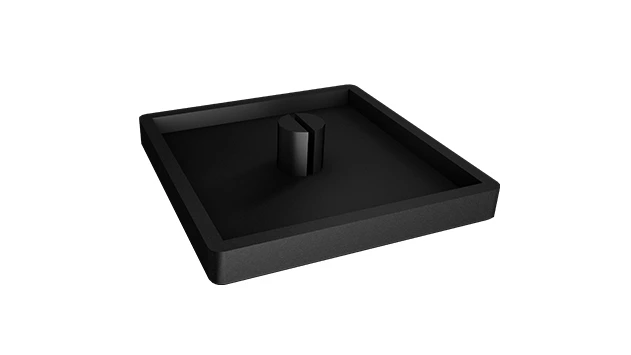
In the bustling world of mechanical manufacturing, where precision meets productivity, every component—no matter how small—plays a role in keeping operations running smoothly. From the largest conveyor systems to the humblest workbench, the durability and functionality of equipment depend on the quality of its parts. Yet, among the array of nuts, bolts, and brackets, there's one unsung hero that often goes unnoticed: the 4040 aluminum profile end cap. These unassuming accessories are far more than just "caps"; they're the silent guardians of aluminum extrusion profiles, ensuring safety, extending lifespan, and enhancing efficiency in heavy-duty manufacturing environments. Let's dive into why these small components deserve a spotlight, and how they've become indispensable in modern mechanical setups.
The Backbone of Modern Manufacturing: Aluminum Extrusion Profiles
Before we appreciate the role of end caps, it's crucial to understand the star of the show: the aluminum extrusion profile. Walk into any manufacturing plant, warehouse, or assembly line, and you'll likely see these sleek, modular structures everywhere. From workbenches and material racks to conveyor systems and turnover trolleys, aluminum extrusion profiles form the skeleton of countless industrial setups. And among the most popular profiles? The 4040 aluminum extrusion profile.
Named for its dimensions—40mm by 40mm—the 4040 profile strikes a perfect balance between strength and versatility. Its T-slot design allows for easy attachment of accessories like brackets, connectors, and hinges, making it a favorite for custom-built solutions. Whether you're constructing a lean pipe workbench for assembly tasks or a heavy-duty material rack to store bulky components, the 4040 profile provides the rigidity needed to support loads while remaining lightweight enough for easy reconfiguration. It's no wonder manufacturers rely on it for everything from automotive part production to electronics assembly.
But here's the thing: even the sturdiest aluminum extrusion profile has a vulnerability—its raw, cut ends. When a profile is extruded and cut to length, the exposed edges can be sharp, prone to collecting debris, and susceptible to damage from impacts. Over time, these unprotected ends can become a safety hazard (think: scraped hands during assembly), a magnet for dust and grime (which can jam T-slots), and a weak point where corrosion might start. That's where the 4040 aluminum profile end cap steps in.
Meet the 4040 Aluminum Profile End Cap: Small Part, Big Impact
At first glance, a 4040 aluminum profile end cap might seem like a simple piece of plastic or metal. But don't let its simplicity fool you. These caps are engineered to solve specific, critical problems in manufacturing environments. Let's break down their core functions:
- Safety First: Raw aluminum ends are sharp—sharp enough to cause nicks, cuts, or even more serious injuries when workers handle profiles or bump against them. End caps soften these edges, turning a potential hazard into a smooth, safe surface. In busy plants where every second counts, reducing workplace injuries isn't just about compliance; it's about keeping teams productive and morale high.
- Debris Defense: Manufacturing floors are dusty, greasy, and full of small particles—think metal shavings, plastic scraps, or coolant residue. Without end caps, these particles can sneak into the hollow interior of aluminum profiles, clogging T-slots or corroding the inside over time. End caps seal off the ends, acting as a barrier to keep contaminants out and profiles clean.
- Durability Boost: Profiles often take hits—from tools being dropped, parts being slid across workbenches, or trolleys bumping into racks. Unprotected ends can dent, bend, or crack under impact, weakening the entire structure. End caps absorb these shocks, protecting the profile's integrity and extending its lifespan. This means fewer replacements, lower maintenance costs, and less downtime.
- Aesthetic Appeal: Let's not overlook the little things. A manufacturing setup with exposed, ragged profile ends looks unprofessional—like a project left half-finished. End caps give profiles a clean, polished look, signaling attention to detail and pride in the workspace. For facilities that host clients or auditors, this small touch can make a big impression.
In short, 4040 aluminum profile end caps are the unsung protectors of your manufacturing infrastructure. They turn a good setup into a great one by addressing safety, maintenance, and longevity—all while costing a fraction of the profiles they protect.

Materials Matter: Choosing the Right End Cap for Heavy-Duty Use
Not all end caps are created equal. To stand up to the rigors of heavy-duty manufacturing, they need to be made from materials that can handle impacts, resist chemicals, and withstand daily wear. Let's explore the most common options and when to use them:
| Material | Key Benefits | Best For | Limitations |
|---|---|---|---|
| PVC/Nylon (Plastic) | Lightweight, cost-effective, resistant to corrosion and chemicals; available in multiple colors for color-coding work zones. | General manufacturing environments, workbenches, light-to-medium duty racks, and cleanrooms (where non-conductive materials are needed). | Less impact-resistant than metal; may warp at high temperatures (above 80°C). |
| Aluminum | Matches the profile's strength and durability; excellent heat resistance; ideal for heavy impacts or high-temperature areas (e.g., near welding stations). | Heavy-duty material racks, conveyor systems, outdoor setups, or environments with extreme temperatures. | More expensive than plastic; can conduct electricity (not suitable for ESD-sensitive areas without coating). |
| Rubber | Superior shock absorption; non-slip; reduces noise when profiles are moved or bumped. | Trolleys, mobile workbenches, or areas where vibration is a concern (e.g., near machinery). | Less rigid than plastic or aluminum; may degrade over time in oily or chemical-heavy environments. |
For most heavy-duty mechanical manufacturing applications, plastic (PVC/nylon) end caps are the go-to choice. They offer the best balance of cost, durability, and versatility. However, if your setup involves extreme conditions—like high heat, heavy impacts, or outdoor exposure—aluminum end caps might be worth the investment. Rubber end caps, on the other hand, shine in mobile setups where reducing noise and vibration is key.

Types of 4040 Aluminum Profile End Caps: One Size Doesn't Fit All
Just as manufacturing needs vary, so do end caps. Suppliers offer a range of designs to suit different profiles, applications, and preferences. Here are the most common types you'll encounter:
Standard End Caps
These are the "everyday" end caps—simple, solid caps that snap or press into the end of a 4040 profile. They're easy to install (no tools needed) and provide basic protection. Standard caps are available in plastic or aluminum and are the most cost-effective option for general use.
Ventilated End Caps
In some setups—like enclosures for electronics or machinery—profiles need to breathe to prevent heat buildup. Ventilated end caps have small holes or slots that allow air circulation while still keeping out large debris. They're a smart choice for applications where temperature control matters.
Custom End Caps
For unique profiles or specialized needs (like branding, color-coding, or integrating sensors), suppliers can create custom end caps. These might feature company logos, specific colors, or even built-in channels for wiring. While pricier, they're invaluable for setups that require a personal touch or unique functionality.
ESD-Safe End Caps
In electronics manufacturing, static electricity can damage sensitive components. ESD (Electrostatic Discharge)-safe end caps are made from conductive materials that dissipate static, protecting both products and workers. If your plant assembles circuit boards, semiconductors, or other ESD-sensitive items, these are a must.
Installing End Caps: A Quick, Impactful Upgrade
One of the best things about 4040 aluminum profile end caps is how easy they are to install. You don't need specialized tools or technical expertise—just a few minutes and a little elbow grease. Here's a step-by-step guide to getting it right:
- Prep the Profile End: Start by cleaning the end of the aluminum profile with a dry cloth or brush to remove dust, grease, or debris. If the end is particularly rough (e.g., from a uneven cut), gently sand it with fine-grit sandpaper to smooth out any burrs—this ensures the end cap fits snugly.
- Choose Your Fit: Most end caps are designed to press-fit into the profile, but some may require adhesive for a tighter hold (especially in high-vibration environments). If using adhesive, apply a small amount to the inner lip of the end cap—avoid overdoing it, as excess glue can squeeze out and make a mess.
- Press It In: Align the end cap with the profile end, making sure any notches or vents (if applicable) are facing the right direction. Then, press firmly with your hands until you hear a "click" or feel it seat fully. For a tighter fit, tap the end cap gently with a rubber mallet—never use a metal hammer, as it can damage the cap or profile.
- Check the Fit: Give the end cap a light tug to ensure it's secure. It should stay in place without wobbling. If it feels loose, remove it, check for debris, and try again—maybe with a bit more adhesive if needed.
That's it! In under five minutes, you've transformed a potential liability into a protected, professional-looking profile end. For large-scale installations (like outfitting an entire production line), this process can be streamlined with tools like end cap insertion jigs, but even manual installation is fast enough to keep up with busy manufacturing schedules.
Heavy-Duty Applications: Where End Caps Shine Brightest
Now that we understand what end caps do and how to install them, let's explore the heavy-duty manufacturing environments where they're most critical. These are settings where profiles endure constant use, heavy loads, and harsh conditions—exactly where end caps prove their worth.
Lean Pipe Workbenches and Assembly Stations
Lean pipe workbenches are the workhorses of assembly lines, used for everything from assembling car parts to packaging consumer goods. They're often customized with tool holders, shelves, and bins, and they take a beating—tools are dropped, parts are slid across surfaces, and workers lean on them throughout shifts. Without end caps, the 4040 profiles that form the bench legs and frame would quickly show wear: sharp ends could snag gloves or clothing, debris could collect in the hollow legs, and impacts from dropped tools could dent the ends. End caps protect against all these issues, keeping benches safe, clean, and functional for years.
Material Racks and Storage Systems
Material racks—especially those holding heavy items like metal sheets, engine components, or large molds—need to be rock-solid. The 4040 profiles in these racks support hundreds (or even thousands) of pounds, and their ends are vulnerable to bumps from forklifts, pallet jacks, or workers moving materials. End caps act as a buffer, absorbing impacts that would otherwise bend or crack the profile ends. They also prevent dust and debris from collecting inside the racks, which can weaken structural integrity over time.
Conveyor Systems and Roller Tracks
Conveyors keep products moving through manufacturing lines, and they rely on aluminum profiles for support and guidance. Profiles in conveyor frames are exposed to constant vibration, temperature fluctuations, and occasional jams (when products get stuck). End caps on these profiles prevent debris from entering the frame (which could jam rollers or motors) and protect against the wear and tear of daily operation. In food or pharmaceutical manufacturing, where cleanliness is critical, sealed end caps also help maintain sterile conditions by keeping out bacteria and contaminants.
Mobile Trolleys and Carts
Trolleys are constantly on the move—being pushed, pulled, and parked in tight spaces. Their 4040 profile frames often bump into walls, other trolleys, or machinery. End caps on trolley legs or handles absorb these impacts, preventing dents and scratches. They also make trolleys safer to handle: no more sharp edges to catch on clothing or skin when maneuvering through crowded aisles.
The ROI of End Caps: Small Investment, Big Returns
Skeptical that such a small component could make a difference to your bottom line? Let's crunch the numbers. A single 4040 aluminum profile end cap costs just a few dollars—often less than $5. Compare that to the cost of replacing a damaged profile (which can run $20–$50 or more), treating a workplace injury (thousands of dollars in medical bills and lost productivity), or shutting down a line to clean out clogged T-slots (hours of downtime, costing hundreds per hour). Over time, end caps pay for themselves many times over by:
- Reducing profile replacement costs by extending lifespan.
- Lowering workplace injury rates and associated costs.
- Minimizing downtime from maintenance or repairs.
- Improving efficiency by keeping profiles clean and functional.
In one case study, a mid-sized automotive parts manufacturer reported saving over $15,000 in the first year after installing end caps on all their 4040 profile workbenches and racks. They reduced profile replacements by 60%, cut workplace injuries related to sharp edges by 80%, and spent 30% less time cleaning and maintaining equipment. For a company with hundreds of profiles, the ROI was clear: end caps weren't an expense—they were an investment.
Beyond End Caps: Building a Complete Aluminum Profile Ecosystem
End caps are just one piece of the puzzle when it comes to optimizing aluminum extrusion profiles. To get the most out of your setup, they should be paired with other high-quality aluminum profile accessories. Think of it as building an ecosystem: profiles are the bones, end caps are the skin, and accessories like connectors, brackets, and hinges are the muscles that hold everything together. For example:
- Connectors: 90° aluminum profile connectors or 45° reinforce aluminum pipe joints help join profiles at angles, creating sturdy frames for workbenches or racks.
- Brackets: Roller track placon mounts or gusset plates add stability to joints, especially in heavy-duty applications.
- Wheels and Casters: Adding casters to profile frames turns static racks into mobile trolleys, boosting flexibility.
- Panels and Shelves: Aluminum honeycomb panels or corrugated sheets turn profiles into functional work surfaces or storage shelves.
By choosing compatible, high-quality accessories—including end caps—you create a system that's not just strong, but adaptable. As your manufacturing needs change, you can reconfigure profiles, swap out accessories, and keep your setup running efficiently for years to come.
Future Trends: What's Next for Aluminum Profile Accessories?
The world of manufacturing is always evolving, and aluminum profile accessories are no exception. Here are a few trends to watch that could shape the future of end caps and beyond:
- Sustainability: With a growing focus on eco-friendly manufacturing, we'll see more end caps made from recycled materials or biodegradable plastics. Suppliers may also offer take-back programs for old accessories, reducing waste.
- Smart Features: Imagine end caps with built-in RFID tags to track assets, or sensors that monitor temperature, vibration, or impact. These "smart" accessories could provide real-time data to help plants predict maintenance needs and optimize operations.
- 3D Printing: For custom or low-volume end caps, 3D printing could become more common, allowing for on-demand production of unique designs without the cost of traditional tooling.
- Integration with Industry 4.0: As factories become more connected, end caps and other accessories may play a role in digital twin systems—virtual replicas of physical setups—helping engineers design, test, and optimize layouts before building them.
Final Thoughts: Don't Overlook the Small Stuff
In the grand scheme of mechanical manufacturing, 4040 aluminum profile end caps might seem trivial. But as we've explored, they're anything but. They protect workers, extend equipment life, reduce costs, and keep operations running smoothly—all while costing just a few dollars each. In an industry where efficiency, safety, and durability are everything, these small components punch far above their weight.
So, the next time you're designing a workbench, setting up a conveyor, or organizing a material rack, remember: the right accessories make all the difference. Start with the basics—quality aluminum extrusion profiles, reliable connectors, and yes, end caps—and build from there. Your team, your bottom line, and your equipment will thank you.
After all, in manufacturing, it's the little things that often make the biggest impact. And 4040 aluminum profile end caps? They're proof positive of that.