- Company Articles
- Products and Technology
- Product knowledge
- 4040 Aluminum Profile End Caps for Medical Device Racks: Safety Compliance Tips

4040 Aluminum Profile End Caps for Medical Device Racks: Safety Compliance Tips
Related Product
4040 Aluminum Profile End Cap
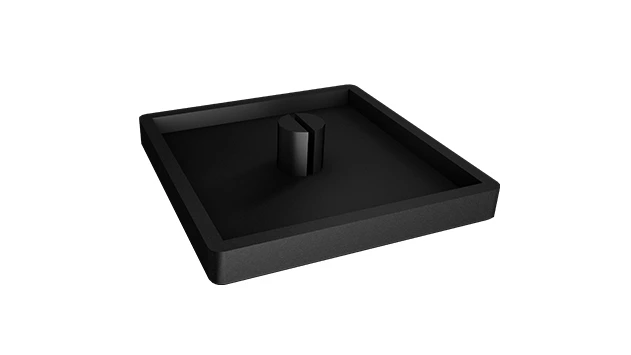
The aluminum profile end cap adds a finishing touch to your project and closes off profile ends to limit dust and debris buildup, also it can avaid some scratch for material and labor during the assemble work.
In the world of medical device manufacturing, precision isn't just a buzzword—it's a lifeline. Every tool, every surface, and every component plays a role in ensuring the devices that leave the facility are safe, reliable, and ready to save lives. Among these unsung heroes are the racks that organize everything from delicate surgical instruments to bulk components. These racks aren't just metal structures; they're the backbone of an efficient, compliant workspace. And at the heart of these racks? Aluminum profiles—specifically, the versatile aluminum extrusion profile that balances strength, adaptability, and cleanliness. But even the sturdiest aluminum profile needs a finishing touch to truly meet the rigorous demands of medical environments: the 4040 aluminum profile end cap. Let's dive into why these small components matter, and how to ensure they keep your facility safe and compliant.
Aluminum Extrusion Profile: The Foundation of Medical Device Racks
Walk into any modern medical device facility, and you'll likely spot racks, workbenches, and carts built with sleek, silver-gray frames. Chances are, those frames are made from aluminum extrusion profile. Why aluminum? Unlike steel, it resists corrosion—critical in environments where frequent sanitization with harsh chemicals is the norm. It's lightweight enough to reconfigure racks as production needs change, yet strong enough to support heavy loads of sterile packaging or precision tools. And because aluminum extrusion profile is manufactured by forcing molten aluminum through a die, it can be shaped into consistent, uniform profiles—like the popular 4040 aluminum profile—that fit together seamlessly with aluminum profile accessories.
The 4040 aluminum profile, named for its 40mm x 40mm cross-section, is a workhorse in this space. Its square shape provides stability, while the T-slots running along its length allow for easy attachment of shelves, dividers, and other accessories. Whether you're building a static storage rack or a mobile trolley, the 4040 profile offers the flexibility to design exactly what your facility needs. But here's the thing: even the most well-designed aluminum profile has a weak spot if left unaddressed—the exposed ends. Sharp, unfinished edges can catch on gloves, scratch surfaces, or even harbor tiny particles of dust and debris. That's where 4040 aluminum profile end caps come in.
What Are 4040 Aluminum Profile End Caps, and Why Do They Matter?
At first glance, 4040 aluminum profile end caps might seem like an afterthought—small plastic or rubber caps that snap onto the ends of aluminum profiles. But in reality, they're a critical line of defense in maintaining safety and compliance. Think about it: a technician rushing to restock a shelf shouldn't have to worry about grazing their arm on a sharp metal edge. A quality inspector shouldn't find dust buildup in the hollow end of a profile during a cleanliness audit. And a regulatory auditor shouldn't flag a rack for non-compliance because of an unfinished detail.
These end caps do more than just cover sharp edges. They create a sealed barrier, preventing contaminants from entering the hollow interior of the aluminum profile—a space that's notoriously hard to clean once debris settles. In medical settings, where even a single particle can compromise a sterile environment, this seal is non-negotiable. They also protect the profile itself from damage during (handling), ensuring the rack maintains its structural integrity over time. Simply put, 4040 aluminum profile end caps turn a functional rack into a compliant one.

Safety Compliance Tips for 4040 Aluminum Profile End Caps
Now that we've established why these end caps are essential, let's break down how to choose, install, and maintain them to meet regulatory standards like ISO 13485 and FDA 21 CFR Part 820. Compliance isn't about checking boxes—it's about creating a workspace where every detail prioritizes safety for both your team and the patients who rely on your devices.
1. Choose the Right Material for the Job
Not all end caps are created equal. When selecting 4040 aluminum profile end caps, start by considering the material. Medical environments demand materials that can withstand frequent cleaning with disinfectants like ethanol or hydrogen peroxide without degrading, chipping, or leaching chemicals. Look for end caps made from medical-grade plastics such as polypropylene (PP) or polyethylene (PE), which are resistant to chemicals and easy to sanitize. Avoid low-quality plastics that become brittle over time—they'll crack, creating new hazards instead of preventing them.
Some facilities opt for aluminum end caps for a more durable finish, but these require additional processing to smooth edges and prevent corrosion. Whichever material you choose, verify that it meets biocompatibility standards (like ISO 10993) if the end caps will come into indirect contact with medical devices or sterile components.
2. Ensure a Snug, Gap-Free Fit
A poorly fitted end cap is almost worse than no end cap at all. Gaps between the end cap and the aluminum profile can trap moisture and debris, turning a supposed safety feature into a contamination risk. When installing, press the end cap firmly into the profile until you hear a "click"—this indicates the cap has seated properly in the T-slot or around the profile's edges. For profiles with thicker walls, consider using end caps with integrated gaskets or O-rings to enhance the seal.
Pro tip: Train your maintenance team to check end caps during routine inspections. Over time, vibrations from cart movement or heavy loads can loosen caps, especially if the rack is frequently reconfigured. A quick tug on each end cap during weekly checks can catch loose ones before they become a problem.
3. Align with Regulatory Standards
Regulatory bodies like the FDA and ISO don't just care about the devices themselves—they care about the processes and environments that create them. When it comes to racks and their components, ISO 13485 (the standard for medical device quality management systems) emphasizes "risk-based thinking," which means identifying potential hazards and mitigating them. Sharp edges from uncovered aluminum profiles? That's a hazard. Debris trapped in hollow profiles? That's a contamination risk. 4040 aluminum profile end caps directly address both.
During audits, inspectors will look for evidence that your facility takes these details seriously. Keep records of end cap material certifications, installation checklists, and maintenance logs. If an inspector asks, "How do you ensure your racks don't contribute to product contamination?" you'll have a clear, documented answer: "We use medical-grade 4040 aluminum profile end caps, installed and maintained to prevent gaps and debris buildup."
4. Coordinate with Aluminum Profile Accessories
Medical device racks rarely stand alone. They're often outfitted with aluminum profile accessories like dividers, label holders, or roller tracks to streamline workflows. When choosing end caps, ensure they play well with these accessories. For example, if your rack uses aluminum guide rails to slide trays in and out, the end cap shouldn't protrude beyond the rail—this could catch on the tray and cause it to jam (or worse, spill its contents). Similarly, if you're using corner brackets or connectors, the end cap should sit flush with the bracket to avoid creating a ledge where dust collects.
Many manufacturers offer end caps designed to work specifically with their aluminum profile accessories, so check with your supplier to ensure compatibility. When in doubt, do a test fit: assemble a small section of the rack with the end cap and accessories to verify there are no gaps, sharp edges, or operational issues.
5. Plan for Long-Term Maintenance
Even the best end caps won't last forever. Exposure to UV light from facility lighting, repeated cleaning, and general wear and tear will take a toll. Create a maintenance schedule that includes inspecting end caps monthly for signs of damage: cracks, discoloration, or looseness. replace damaged end caps immediately—don't wait for an audit or an incident to take action.
Consider keeping a stock of spare 4040 aluminum profile end caps on hand, especially if your facility uses custom or hard-to-find sizes. This way, a loose or cracked cap can be replaced the same day, minimizing downtime and risk.

Material Comparison: Choosing the Best 4040 Aluminum Profile End Caps
| Material Type | Key Benefits | Best For | Compliance Considerations |
|---|---|---|---|
| Medical-Grade PP | Chemical-resistant, easy to sanitize, cost-effective | General storage racks, non-sterile areas | Meets ISO 10993-5 (cytotoxicity), FDA food contact compliant |
| Medical-Grade PE | Flexible, impact-resistant, low moisture absorption | Mobile carts, racks with frequent movement | Resistant to autoclaving (check temperature limits) |
| Anodized Aluminum | Durable, scratch-resistant, sleek appearance | High-traffic areas, aesthetic-focused zones | Requires passivation to meet ASTM B921 (corrosion resistance) |
| Silicone-Coated | Enhanced grip, noise-dampening, excellent seal | Sterile storage, vibration-sensitive equipment | Verify silicone meets USP Class VI standards |
Real-World Impact: How End Caps Improved Compliance at MetroMed Devices
MetroMed Devices, a mid-sized manufacturer of orthopedic implants, was struggling with recurring findings during FDA inspections. The issue? "Sharp edges on storage racks" and "inadequate debris control in hollow structural components"—both linked to uncovered aluminum profiles. Their solution? Upgrading to 4040 aluminum profile end caps across all medical device racks.
"At first, we thought end caps were a 'nice-to-have,'" says Maria Gonzalez, MetroMed's QA Manager. "But after a technician got a minor cut from a sharp profile edge, and we failed a debris check in an audit, we realized they were non-negotiable." The team switched to medical-grade PP end caps, trained maintenance staff to inspect them weekly, and updated their SOPs to include end cap installation in rack assembly.
The result? Six months later, their next FDA inspection had zero findings related to rack safety. "Our technicians no longer come to me with band-aids on their forearms, and the cleaning crew says it's easier to keep racks sterile," Gonzalez adds. "It's amazing how a $2 part can make such a big difference in compliance and morale."
Final Thoughts: Small Details, Big Compliance Wins
In the high-stakes world of medical device manufacturing, safety compliance isn't about perfection—it's about progress. It's about noticing the small things, like the end of an aluminum profile, and asking, "Is this protecting our team and our products?" 4040 aluminum profile end caps may be small, but they're a powerful reminder that compliance starts with the details. By choosing the right materials, ensuring proper installation, aligning with regulations, coordinating with aluminum profile accessories, and maintaining them consistently, you're not just checking a box—you're building a facility that prioritizes safety, one end cap at a time.
So the next time you walk past a rack of medical devices, take a second look at those unassuming caps on the ends of the aluminum profiles. They're not just finishing touches—they're the quiet guardians of compliance, keeping your facility safe, efficient, and ready to deliver life-saving devices to the world.