- Company Articles
- Products and Technology
- Solution
- 4040 Aluminum Profile End Caps for Medical Industry Custom Solutions: Compliance & Design

4040 Aluminum Profile End Caps for Medical Industry Custom Solutions: Compliance & Design
Related Product
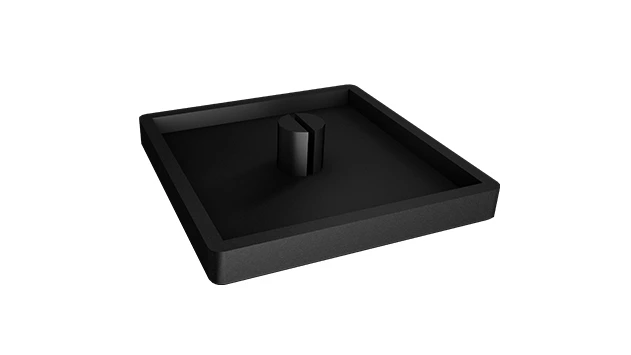
4040 Aluminum Profile End Cap
The aluminum profile end cap adds a finishing touch to your project and closes off profile ends to limit dust and debris buildup, also it can avaid some scratch for material and labor during the assemble work.
The Unsung Heroes of Medical Workspaces: Why Details Like End Caps Matter
Step into any modern medical facility—whether it's a research lab analyzing patient samples, a manufacturing floor building surgical tools, or a hospital pharmacy preparing medications—and you'll notice a common thread: precision. Every surface, every tool, every inch of space is intentional. But have you ever stopped to think about the structures holding it all together? The workbenches where technicians mix reagents, the racks storing sterile instruments, the carts transporting supplies—they're often built with aluminum profiles. And at the end of those profiles? A small but mighty component: the 4040 aluminum profile end cap. These unassuming caps aren't just afterthoughts; they're critical to keeping medical environments safe, compliant, and running like clockwork.
Let's start with the basics: aluminum extrusion profiles have become the backbone of medical facilities for good reason. They're lightweight yet sturdy, resistant to rust (a must in rooms where disinfectants flow freely), and infinitely customizable. The 4040 series, in particular—named for its 40mm x 40mm dimensions—is a workhorse. It's strong enough to support heavy equipment but nimble enough to build compact workstations. But here's the catch: aluminum profiles are hollow, with open ends that, left uncovered, become magnets for dust, liquids, and debris. In a setting where a single speck of contamination can compromise a test result or endanger a patient, that's a problem. Enter the 4040 aluminum profile end cap: the simple solution that seals the deal—literally and figuratively.
What Makes 4040 Aluminum Profile End Caps Indispensable?
Think of a 4040 aluminum profile as the skeleton of a medical workspace. It provides structure, but without muscles (or in this case, end caps), it can't function properly. Let's break down their role:
Contamination Control: Medical labs and manufacturing areas operate under strict cleanliness standards. An open profile end is a gap where dust, spilled liquids, or even bacteria can hide. End caps seal these gaps, creating a smooth, non-porous surface that's easy to wipe down with hospital-grade disinfectants. When a lab technician cleans a workbench at the end of their shift, they shouldn't have to worry about missing a hidden crevice in the aluminum—end caps eliminate that risk.
Safety First: Raw aluminum edges can be sharp. In a busy environment where gloves are standard, a sharp edge could tear through protective gear, exposing workers to hazardous materials or compromising sterility. End caps soften these edges, turning a functional frame into a safe one. Imagine a nurse rushing to transport a cart of vaccines—they shouldn't have to dodge sharp metal corners. End caps ensure every surface is smooth to the touch.
Durability & Longevity: Aluminum profiles are built to last, but constant exposure to moisture, chemicals, and daily wear can take a toll. End caps act as a barrier, preventing liquids from seeping into the profile's interior and causing internal corrosion. For facilities that rely on equipment 24/7, this extends the lifespan of workstations and racks, reducing replacement costs and downtime.

Compliance: The Non-Negotiable Standard for Medical Components
In the medical industry, compliance isn't just a box to check—it's the foundation of trust. Regulatory bodies like the FDA, ISO, and CE set strict rules for everything from material safety to manufacturing processes. When it comes to 4040 aluminum profile end caps, compliance starts with the materials they're made from and ends with how they perform in real-world settings.
Let's talk materials first. Most medical-grade end caps are crafted from high-density polyethylene (HDPE) or silicone. Why? These materials are resistant to harsh chemicals (think bleach, alcohol, and hydrogen peroxide), don't leach harmful substances, and can withstand repeated sterilization—whether via autoclaving, UV light, or chemical wipes. Some end caps even use conductive materials to dissipate static electricity, a must in labs with sensitive electronic equipment like PCR machines or MRI scanners.
| Regulatory Standard | Key Requirements for End Caps | Why It Matters |
|---|---|---|
| ISO 13485 | Quality management system for medical devices; requires traceable, consistent manufacturing | Ensures end caps are made to the same high standards as the devices they support, with zero defects |
| FDA 21 CFR Part 820 | Current Good Manufacturing Practices (cGMP); mandates "design for cleaning" | End caps must have smooth surfaces with no crevices to trap bacteria, making them easy to sanitize |
| ISO 10993 | Biological evaluation of medical devices; tests for cytotoxicity, irritation, and sensitization | Guarantees end cap materials won't cause adverse reactions if they come into contact with skin or bodily fluids |
Beyond materials, fit is critical for compliance. A loose end cap might pop off during cleaning, leaving the profile exposed. A tight one might crack when removed for maintenance, creating sharp edges. That's why custom solutions are often necessary. Medical facilities have unique needs: a surgical tool manufacturer might require end caps that withstand high-pressure hosing, while a research lab might need ones that snap on/off quickly for frequent reconfigurations. A one-size-fits-all end cap rarely cuts it here.
Take, for example, a pharmaceutical company producing injectable drugs. Their cleanrooms operate under ISO 7 standards, meaning air particle counts are strictly controlled. Any gap in an aluminum profile could harbor particles that float into the air, risking contamination. By using custom 4040 aluminum profile end caps with a friction-fit design and seamless edges, they ensure no particles escape. During FDA inspections, these small details make a big difference—proving that every component, down to the end cap, is engineered for safety.

Designing for the Medical Industry: It's in the Details
Designing a 4040 aluminum profile end cap for medical use isn't just about plugging a hole. It's about anticipating the unique challenges of healthcare environments. Let's dive into the details that set medical-grade end caps apart:
1. Ergonomics & Ease of Use
Medical staff are busy—they don't have time to fumble with finicky components. End caps should be easy to install and remove, ideally without tools. Snap-on designs are popular here: a gentle push secures them in place, and a firm pull (or a small tab) releases them. This matters during equipment setup, maintenance, or reconfiguration. For example, a lab that needs to reposition a workbench shouldn't require a technician to spend 20 minutes unscrewing end caps. With a snap-fit design, they can be swapped out in seconds, getting the workspace back online faster.
2. Chemical Resistance
Medical facilities are harsh on materials. Disinfectants like quaternary ammonium compounds (QACs) or peracetic acid are used daily, and some areas (like operating rooms) use high-pressure steam for sterilization. End caps must stand up to these conditions without cracking, warping, or leaching chemicals. HDPE end caps, for instance, are known for their chemical resilience—they won't degrade even after years of exposure to aggressive cleaners.
3. Color Coding for Safety
In fast-paced environments, visual cues save time and reduce errors. Colored end caps can help staff quickly identify zones: blue for sterile areas, red for biohazardous waste storage, green for clean supplies. A nurse rushing to grab a tool from a rack doesn't need to read labels—they can spot the blue end caps and know they're in the sterile zone. It's a small detail, but it streamlines workflows and minimizes mistakes.
4. Compatibility with Lean Systems
Many medical facilities are adopting lean systems to eliminate waste and boost efficiency. Lean is all about making workflows intuitive: tools where you need them, supplies within arm's reach, and setups that adapt to changing needs. Aluminum profiles are inherently lean—modular, reconfigurable, and space-efficient. End caps support this by ensuring reconfigured setups stay safe and compliant. For example, a hospital pharmacy might need to expand a medication cart to hold new drugs. With 4040 profiles and snap-on end caps, they can add a new section in minutes, no special tools required. The end caps keep the new setup sealed and smooth, so it still meets cGMP standards.
Real-World Impact: How End Caps Elevate Medical Workflows
Let's ground this in a real scenario. Consider a diagnostic lab processing COVID-19 tests during a surge. Their workbenches are packed: centrifuges, pipettes, reagent bottles, and sample tubes cover every inch. The benches themselves are built with 4040 aluminum profiles, chosen for their sturdiness and easy cleaning. But six months into the surge, the lab notices a problem: the original end caps are cracking. Every time a technician wipes down the bench, moisture seeps into the cracked caps, leading to rust inside the profiles. Not only does this shorten the bench's lifespan, but it also creates a risk of rust particles flaking off into samples.
The lab switches to medical-grade 4040 aluminum profile end caps made from HDPE with a reinforced lip. The new caps fit snugly, resist cracking, and have a smooth surface that wipes clean in seconds. The result? No more rust, fewer breakdowns, and peace of mind during inspections. Plus, the snap-on design means when the lab needs to add a new shelf for additional reagents, they can do it in 10 minutes instead of an hour—critical when every test counts.
Another example: a surgical instrument manufacturer. Their assembly line uses aluminum profile workstations where workers assemble scalpels, forceps, and retractors. The line needs to adapt quickly to different instrument sizes, so the workstations are reconfigured weekly. Their old end caps required screws, which would strip over time, leaving profiles wobbly. By switching to friction-fit 4040 aluminum profile end caps, they cut reconfiguration time by 50%. Workers no longer waste time hunting for screwdrivers, and the tighter fit ensures workstations stay stable—reducing errors and improving product quality.
Looking Ahead: The Future of Medical Aluminum Solutions
As medical technology advances, so too will the components that support it. What's next for 4040 aluminum profile end caps and aluminum profiles in general? Here are a few trends to watch:
Antimicrobial Additives
Imagine end caps infused with silver ions or copper nanoparticles, which naturally kill bacteria on contact. This adds an extra layer of protection in high-risk areas like operating rooms or isolation wards. Early trials show these materials can reduce surface bacteria by up to 99%, lowering infection risks for patients and staff.
3D-Printed Customization
3D printing is revolutionizing medical manufacturing, and end caps are no exception. Labs with unique profile shapes or specialized needs (like end caps with built-in cable management) can now get custom designs printed on-demand. This reduces lead times and allows for hyper-specific solutions—like end caps with notches to hold small tools or slots for labeling.
Sustainability
Healthcare facilities are under growing pressure to reduce their environmental footprint. Aluminum is already recyclable, but future end caps may use recycled plastics or biodegradable materials without sacrificing performance. Imagine end caps made from plant-based polymers that break down harmlessly after use—perfect for temporary setups like field hospitals or mobile clinics.
Even with these advancements, the core purpose of the 4040 aluminum profile end cap will remain: to make medical environments safer, more efficient, and more compliant. It's a reminder that in healthcare, greatness lies in the details. A patient doesn't see the end cap on their lab technician's workbench, but they benefit from it—because that cap helps ensure their test results are accurate, their medications are sterile, and their care is delivered by a team focused on what matters most: healing.
Final Thoughts: The End Cap That Does More
At the end of the day, 4040 aluminum profile end caps are a testament to the idea that small components can have a big impact. They seal out contamination, protect workers, simplify compliance, and support the lean systems that keep medical facilities running. Whether you're a lab manager upgrading equipment, a manufacturer building medical devices, or a healthcare provider ensuring patient safety, don't overlook the humble end cap. It's not just a plug—it's a promise: that every part of your workspace is designed with care, precision, and the unique needs of the medical industry in mind.
So the next time you walk into a medical facility, take a second look at those aluminum workbenches and racks. You might not see the end caps at first, but rest assured—they're there, quietly doing their job. And in healthcare, that's the highest compliment: working so well, you forget they're even there.