- Company Articles
- Products and Technology
- Product knowledge
- 4040 Aluminum Profile End Caps for Reusable Lean Systems: Sustainable Manufacturing

4040 Aluminum Profile End Caps for Reusable Lean Systems: Sustainable Manufacturing
Related Product
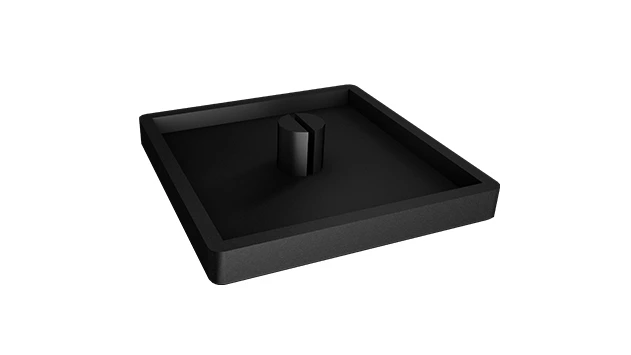
4040 Aluminum Profile End Cap
The aluminum profile end cap adds a finishing touch to your project and closes off profile ends to limit dust and debris buildup, also it can avaid some scratch for material and labor during the assemble work.
Walk into any bustling manufacturing facility, and your eyes might be drawn to the big machines—the robotic arms, the conveyor belts, the humming assembly lines. But if you take a closer look, you'll notice the unsung heroes holding it all together: the small, unassuming components that turn chaotic potential into organized productivity. Today, we're shining a light on one such hero: the 4040 aluminum profile end cap. It's a tiny piece, sure, but in the world of reusable lean systems and sustainable manufacturing, its impact is anything but small.
What Are 4040 Aluminum Profile End Caps, Anyway?
Let's start with the basics. If you've ever seen the modular workbenches, material racks, or flow racks that populate modern factories, you've likely encountered aluminum extrusion profiles. These are the backbone of lean systems—versatile, strong, and designed to be reconfigured as production needs change. The 4040 aluminum profile, in particular, is a workhorse: 40mm by 40mm in cross-section, with T-slots running along its length to attach accessories like brackets, shelves, or guides. But here's the thing: those exposed ends? They're sharp. They catch on gloves. They collect dust. They can even damage other components when systems are moved or reconfigured. Enter the 4040 aluminum profile end cap.
Crafted from durable aluminum extrusion profile, these end caps are precision-engineered to snap or screw onto the ends of 4040 profiles, transforming raw edges into smooth, finished surfaces. Think of them as the "polite" finishing touch—they protect the profile itself from dents and corrosion, shield workers from cuts, and keep debris out of the T-slots. But their job doesn't stop at safety. They also reinforce the profile's structural integrity, ensuring that even under heavy loads, the ends don't warp or weaken. And because they're made from the same aluminum as the profiles they protect, they blend seamlessly, maintaining that clean, professional look that lean systems are known for.
Lean Systems and the Case for Reusability
Lean manufacturing isn't just a buzzword—it's a philosophy built on eliminating waste, optimizing flow, and doing more with less. At its core, a lean system is one that adapts. A workbench today might be a material rack tomorrow; a flow rack this quarter could become a conveyor support next. But reusability hinges on durability. If components break or wear out every time you reconfigure them, you're not lean—you're just replacing waste with more waste.
This is where the 4040 aluminum profile end cap shines. Unlike plastic end caps, which crack under stress or degrade in harsh factory environments, aluminum end caps stand up to the grind. They don't shatter when a workbench is moved. They don't fade when exposed to chemicals or UV light. They keep the underlying aluminum profile intact, so that profile can be repurposed, reconnected, and reused for years. Imagine a factory that, instead of scrapping an entire workbench when a product line changes, simply unbolts the profiles, swaps out the accessories, and rebuilds it into a material rack. That's lean. And that's only possible if the profiles themselves—protected by their end caps—are still in good shape.
But it's not just about the profiles. The end caps themselves are part of a larger ecosystem of aluminum profile accessories that make lean systems tick. From brackets to connectors, each piece is designed to work together, reducing the need for custom parts or one-off solutions. When you choose aluminum profile accessories like these end caps, you're investing in a system that grows with you—no waste, no hassle, just efficiency.

Sustainability: It's in the Material
Sustainable manufacturing isn't an afterthought anymore; it's a business imperative. Customers, regulators, and even employees are demanding that companies reduce their environmental footprint. And while big-ticket changes like solar panels or electric forklifts get the headlines, it's the small choices—the ones made at the component level—that add up to real impact. The 4040 aluminum profile end cap is a perfect example.
Aluminum is one of the most sustainable materials on the planet. It's 100% recyclable, and recycling it uses just 5% of the energy required to produce new aluminum. When a lean system reaches the end of its current life (which, with proper care, could be decades), the 4040 aluminum profile end caps can be melted down and turned into new components—no loss of quality, no waste. Compare that to plastic end caps, which often end up in landfills or incinerators, releasing harmful toxins. Or worse, cheap metal end caps that rust and corrode, turning the profiles they're supposed to protect into scrap long before their time.
But sustainability isn't just about recycling—it's about longevity. A well-protected aluminum profile lasts longer, which means fewer resources are needed to replace it. A factory that uses 4040 aluminum profile end caps might replace profiles half as often as one using flimsy alternatives. Over time, that's less mining for raw materials, less energy for production, and less carbon emissions from transportation. It's a quiet revolution, but a revolution nonetheless.

The Human Side: When Small Changes Make a Big Difference
Let's step away from spreadsheets and sustainability metrics for a minute and talk about the people on the factory floor. The ones who assemble the products, move the materials, and keep the lines running. For them, the difference between a sharp, unprotected profile end and a smooth, capped one is personal.
I recently spoke with Maria, a production supervisor at a mid-sized electronics manufacturer, about her experience switching to aluminum profile end caps. "Before, we had these plastic caps that would pop off all the time," she told me. "Workers would get little cuts on their hands when moving the material racks. Gloves would snag. It was a constant frustration—small, but it added up. Morale was low, and we were spending way too much on band-aids and new gloves." Then, they switched to 4040 aluminum profile end caps. "Overnight, the complaints stopped. The caps stay on. The edges are smooth. Now, when we reconfigure a workbench, it takes half the time because no one's stopping to fix a broken cap or clean out a dusty T-slot. The team even commented on how 'professional' the lines look now. It sounds silly, but when your workspace feels cared for, you care more about your work."
That's the human touch—the intangible benefit of choosing components that respect the people who use them. A safer, smoother workspace isn't just good for productivity; it's good for pride. And in lean systems, where every second counts, pride translates to focus, which translates to better quality and fewer mistakes.
Types of 4040 Aluminum Profile End Caps: Finding the Right Fit
Not all end caps are created equal. Depending on your application, you might need something basic, something heavy-duty, or something with a special feature like ESD (electrostatic discharge) protection for sensitive electronics. Let's break down the most common types, along with their best uses and sustainability perks:
| End Cap Type | Material | Best For | Sustainability Edge |
|---|---|---|---|
| Standard Snap-On | Aluminum extrusion profile | General workbenches, light-duty racks | Reusable; snaps on/off without tools, making reconfiguration faster |
| Heavy-Duty Screw-On | Thick-gauge aluminum | High-load material racks, conveyor supports | Extra durability means profiles last longer; screws are reusable |
| ESD-Safe | Conductive aluminum blend | Electronics assembly, cleanrooms | Prevents static damage to components, reducing product waste |
| Decorative/Colored | Anodized aluminum | Customer-facing areas, showrooms | Anodization resists fading, so no need for repainting or replacement |
No matter which type you choose, the key is compatibility. These end caps are designed to work seamlessly with 4040 aluminum profiles, but they also play well with other aluminum profile accessories. Need to add a shelf? The T-slots are still accessible. Want to mount a tool holder? No problem. It's this modularity that makes aluminum extrusion profiles and their accessories the backbone of truly sustainable lean systems.
Choosing a Supplier: More Than Just a Part
When you're building a reusable lean system, your supplier matters. You need someone who understands not just the specs of a 4040 aluminum profile end cap, but the goals of your operation. A good supplier will help you select the right end caps for your needs, offer samples to test in your environment, and stand behind their products if something goes wrong. They'll also stock a range of aluminum profile accessories, so you can source everything from one place—reducing shipping emissions and simplifying your supply chain.
Look for suppliers who prioritize sustainability, too. Do they use recycled aluminum in their extrusion process? Do they minimize packaging? Can they take back old end caps for recycling when they finally reach the end of their life? These might seem like small details, but they're the hallmarks of a partner who shares your commitment to lean, sustainable manufacturing.
The Future of Manufacturing: Small Parts, Big Impact
As we look ahead, the push for sustainability and lean efficiency will only grow stronger. Factories won't just be judged by how much they produce, but by how responsibly they produce it. In this future, the 4040 aluminum profile end cap will continue to play its quiet role—protecting profiles, empowering workers, and reducing waste. It's a reminder that sustainability isn't about grand gestures alone; it's about the cumulative effect of thousands of small, thoughtful choices.
So the next time you walk through a factory, take a moment to notice the details. The smooth edge of a workbench. The clean lines of a material rack. The absence of snags, cuts, or broken parts. Chances are, there's a 4040 aluminum profile end cap making that possible. It's not glamorous, but then again, neither is sustainability. It's just smart. It's just necessary. And in the end, it's the small heroes that make the biggest systems work.
In the world of reusable lean systems, every component counts. The 4040 aluminum profile end cap may be small, but its impact is mighty—for your bottom line, for your team, and for the planet. It's proof that when we design with intention, even the tiniest parts can help build a more sustainable, efficient, and human-centered future of manufacturing.