- Company Articles
- Products and Technology
- Application Cases
- 4040 Aluminum Profile End Caps in Automotive Manufacturing: Assembly Line Uses

4040 Aluminum Profile End Caps in Automotive Manufacturing: Assembly Line Uses
Related Product
4040 Aluminum Profile End Cap
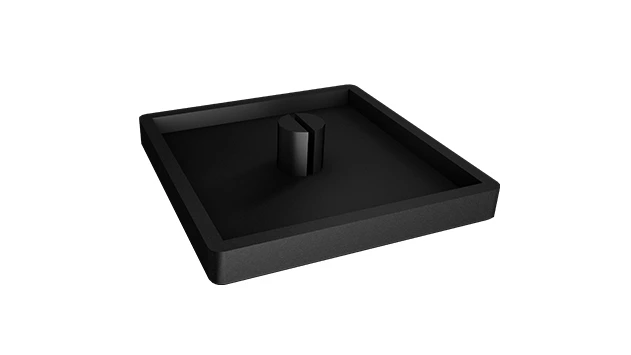
The aluminum profile end cap adds a finishing touch to your project and closes off profile ends to limit dust and debris buildup, also it can avaid some scratch for material and labor during the assemble work.
The Pulse of Automotive Assembly Lines: Where Every Detail Counts
Imagine standing at the edge of an automotive assembly line. The air hums with the rhythm of machinery—robotic arms gliding with precision, conveyor belts carrying half-assembled vehicles forward, and technicians moving with practiced efficiency to bolt, weld, and inspect. In this symphony of motion, every second counts. A single delay, a tiny flaw, or an overlooked component can disrupt the entire flow, costing time, money, and even safety. Yet, amid the grandeur of engines, chassis, and complex electronics, it's often the smallest parts that keep this rhythm steady. Today, we're shining a light on one such unsung hero: the 4040 aluminum profile end cap. It's a component so that many might miss it, but its role in keeping assembly lines safe, efficient, and durable is nothing short of critical.
Automotive manufacturing is a world driven by two imperatives: precision and productivity. To meet the demands of global markets, assembly lines must operate like well-oiled machines—each part, process, and person in perfect sync. This is where lean systems take center stage. Lean manufacturing isn't just a buzzword; it's a philosophy that eliminates waste, streamlines workflows, and prioritizes continuous improvement. And at the heart of many lean systems lie aluminum extrusion profiles—versatile, lightweight, and endlessly customizable structures that form the backbone of workbenches, material racks, conveyor frames, and more. But even the sturdiest aluminum profile is incomplete without its finishing touch: the end cap. Let's dive into why this small component matters, and how the 4040 aluminum profile end cap, in particular, has become a staple in automotive assembly lines worldwide.
Aluminum Extrusion Profiles: The Backbone of Modern Lean Systems
Before we zoom in on end caps, let's first understand the star of the show: aluminum extrusion profiles. Walk into any modern manufacturing facility, and you'll see these profiles everywhere—forming the frames of workbenches where technicians assemble intricate car parts, supporting flow racks that hold components like wiring harnesses and brake pads, and structuring conveyor systems that move materials from station to station. What makes aluminum extrusion profiles so indispensable? For starters, aluminum is a dream material for manufacturing: it's lightweight yet surprisingly strong, resistant to corrosion, and easy to shape into complex designs through extrusion—a process where molten aluminum is forced through a die to create consistent, custom cross-sections.
But it's the "T-slot" design of many aluminum profiles that truly revolutionizes lean systems. These profiles feature grooves (or "slots") along their length, allowing accessories like brackets, shelves, and panels to be attached without welding or drilling. Need to reconfigure a workbench to accommodate a new car model? Simply slide off the old accessories and snap on new ones. Want to add a shelf to a material rack to hold larger components? Just bolt it into the T-slot. This flexibility is the cornerstone of lean manufacturing, where adaptability can make or break a production line's ability to scale, pivot, and innovate.
Among the most widely used aluminum profiles in automotive manufacturing is the 4040 series. Named for its approximate dimensions (40mm x 40mm), this profile strikes the perfect balance between strength and versatility. It's robust enough to support heavy loads—think engine parts or tool cabinets—yet lightweight enough to keep workbenches and mobile trolleys easy to maneuver. From building modular workstations where technicians assemble dashboards to constructing flow racks that feed components to the line, 4040 aluminum extrusion profiles are the building blocks of a lean, agile assembly environment. But like any building block, they need protection to perform at their best—and that's where end caps come in.

Beyond "Caps": What Makes End Caps Critical for Assembly Lines
At first glance, an end cap might seem like little more than a plastic or rubber plug that snaps onto the end of an aluminum profile. But to dismiss it as "just a cap" is to overlook its multifaceted role in assembly line performance. Let's break it down: safety, durability, and efficiency—three pillars of automotive manufacturing that end caps directly support.
Safety First: No Sharp Edges, No Compromises Aluminum extrusion profiles are made by forcing molten aluminum through a die, which creates clean, precise shapes. However, the cut ends of these profiles—even when trimmed—can leave sharp, jagged edges. In a busy assembly line, where technicians reach across workbenches, lean against material racks, or maneuver trolleys, a sharp edge is an accident waiting to happen. A single brush against an unprotected profile end could result in a cut, a snagged glove, or even a more serious injury. End caps eliminate this risk by covering those edges, creating a smooth, rounded finish that's safe to touch. For automotive plants, where worker safety is non-negotiable, this alone makes end caps indispensable.
Durability: Keeping Profiles (and Products) Protected Assembly lines are messy places. Oil, grease, metal shavings, and dust are constant companions. Without end caps, these contaminants can seep into the hollow interior of aluminum profiles, corroding the metal from the inside out or gumming up T-slots. Over time, this leads to weakened structures, stuck accessories, and costly replacements. End caps act as a barrier, sealing off the profile's interior and keeping debris out. They also protect the profiles themselves from impact—whether from a dropped tool, a shifting component, or the daily wear and tear of a high-traffic workspace. A profile with a well-fitted end cap lasts longer, reducing maintenance costs and minimizing downtime.
Efficiency: Small Details, Big Impact on Workflow In lean manufacturing, efficiency is about more than speed—it's about reducing friction in every process. Imagine a technician reaching for a wrench on a workbench, only to catch their sleeve on an exposed profile end. That split second of distraction might seem trivial, but multiplied across hundreds of technicians and thousands of shifts, it adds up. End caps create a seamless, user-friendly environment where workers can focus on their tasks without worrying about snags or injuries. They also contribute to a cleaner, more organized workspace—an essential part of 5S methodology (Sort, Set in Order, Shine, Standardize, Sustain), which forms the foundation of many lean systems. A tidy line is a productive line, and end caps play their part in maintaining that order.

4040 Aluminum Profile End Caps: A Closer Look at Design and Function
Now that we understand why end caps matter, let's zoom in on the star of our story: the 4040 aluminum profile end cap. Not all end caps are created equal, and the 4040 variant is specifically engineered to match the dimensions and demands of 40mm x 40mm profiles—the workhorses of automotive assembly lines. Let's explore what sets these end caps apart, from materials to design features.
Materials: Balancing Cost, Durability, and Safety 4040 end caps are typically made from one of three materials: plastic (often polypropylene or nylon), rubber, or aluminum. Each has its own strengths:
- Plastic: The most common choice for standard applications. Plastic end caps are lightweight, affordable, and come in a range of colors (often black, gray, or blue to match facility aesthetics). They're easy to install (usually a friction fit or snap-on design) and offer good protection against sharp edges. For general-purpose workbenches and material racks, plastic end caps are a reliable, cost-effective option.
- Rubber: Ideal for environments where vibration or noise is a concern. Rubber end caps absorb shocks, reducing the "clatter" of tools or components being placed on profile ends. They also provide a non-slip surface, which is useful for workbenches where small parts (like screws or washers) might otherwise slide off.
- Aluminum: Reserved for heavy-duty applications. When profiles are supporting extreme weights—such as engine lifts or industrial shelving—aluminum end caps add extra structural reinforcement. They're also corrosion-resistant, making them suitable for outdoor or high-moisture areas (though less common in standard assembly lines).
Design Features: Snaps, Screws, and Friction Fits The best end caps are those that stay in place, even in the chaos of an assembly line. That's why 4040 end caps are designed with installation and retention in mind:
- Friction Fit/Snap-On: The most popular design for plastic end caps. These caps have flexible tabs or ridges that compress slightly when inserted into the profile, creating a tight seal that resists falling out. They're quick to install (no tools needed) and easy to replace if damaged.
- Screw-On: For high-vibration areas or heavy loads, screw-on end caps provide extra security. They feature a threaded insert that screws into a pre-drilled hole in the profile, ensuring they won't budge—even under stress.
- ESD-Safe Options: In electronics assembly areas (where static electricity can damage sensitive components like car infotainment systems), end caps are available in ESD (Electrostatic Discharge)-safe materials. These conductive or dissipative plastics prevent static buildup, protecting both workers and products.
Fun Fact: Some end caps are even designed with drainage holes! In areas where liquids (like cleaning solutions or coolant) are used, these holes prevent water from pooling inside profiles, reducing the risk of corrosion. It's a tiny detail, but it's the kind of thoughtfulness that makes automotive manufacturing so impressive.
On the Line: Real-World Uses of 4040 End Caps in Automotive Assembly
To truly appreciate the value of 4040 aluminum profile end caps, let's walk through a typical automotive assembly line and see where they're hard at work. From workbenches to flow racks, these caps are quietly ensuring safety, efficiency, and durability at every turn.
1. Workbenches: The Technician's Second Home
Every assembly line has workbenches—stations where technicians spend hours assembling components, from door handles to brake calipers. These workbenches are often built with 4040 aluminum profiles for their strength and adaptability (think adjustable heights, built-in tool holders, and T-slot accessories for mounting lights or monitors). Without end caps, the edges of these workbenches would be a hazard. A technician leaning in to tighten a bolt could scrape their arm; a dropped tool could chip the profile end, creating a sharper edge over time. 4040 end caps transform these workbenches into safe, comfortable spaces where technicians can focus on precision, not avoiding cuts.
Consider a workbench dedicated to wiring harness assembly. Technicians here handle delicate wires and connectors, often with gloved hands. A plastic snap-on end cap ensures that when they reach across the bench to grab a connector, their glove doesn't snag on a sharp profile edge. Over a full shift, that's hundreds of reach-ins—each one safer and smoother because of a simple cap.
2. Flow Racks: Feeding the Line, One Component at a Time
Flow racks are the "pantry" of the assembly line, holding bins of components (screws, clips, gaskets) and feeding them to technicians as needed. Built with 4040 profiles and roller tracks, these racks rely on gravity to slide bins forward, ensuring a steady supply of parts. The vertical and horizontal profiles of these racks are cut to length, leaving exposed ends that could catch on bin edges or technician hands. End caps here serve two roles: protecting workers and keeping bins moving smoothly. A rubber end cap, for example, cushions the impact when a new bin is loaded onto the rack, preventing scratches on the bin (and noise in the facility).
3. Conveyor Frames: Keeping the Line Moving
Conveyors are the arteries of the assembly line, carrying vehicles from station to station. While the conveyor belts themselves get most of the attention, the frames that support them are often built with 4040 profiles (or larger variants). These frames are subject to constant vibration and occasional impacts (e.g., a technician bumping a trolley into the frame). End caps on these profiles prevent debris from entering the frame's interior—debris that could otherwise collect and cause rust or weaken the structure over time. In outdoor or high-moisture areas (like wash stations), rubber end caps also help seal out water, extending the life of the conveyor frame.
4. Mobile Trolleys: Flexibility with Safety
Assembly lines rely on mobile trolleys to transport tools, parts, and even heavy components (like transmissions) between stations. These trolleys are often built with 4040 profiles for their lightweight strength, making them easy to push or pull. But with mobility comes risk: trolleys are moved frequently, often in tight spaces, and their profile ends can collide with walls, other trolleys, or workers' legs. End caps act as a buffer. A plastic end cap on a trolley's corner profile can absorb the impact of a minor collision, protecting both the trolley and the person (or wall) it bumps into. Over time, this reduces wear and tear on the trolley, keeping it in service longer.
Comparing 4040 End Cap Types: Which One Fits Your Line?
Not all assembly line areas have the same needs, so it's important to choose the right end cap for the job. Below is a breakdown of common 4040 end cap types and their best applications in automotive manufacturing:
| End Cap Type | Material | Installation Method | Best For | Key Benefit |
|---|---|---|---|---|
| Standard Snap-On | Polypropylene Plastic | Friction fit/snap | General workbenches, light-duty racks | Easy installation, cost-effective, wide color options |
| ESD-Safe Snap-On | Conductive Plastic | Friction fit/snap | Electronics assembly areas | Prevents static buildup, protects sensitive components |
| Rubber Cushioned | Nitrile Rubber | Friction fit | High-vibration areas, noise-sensitive zones | Absorbs shocks, reduces noise, non-slip surface |
| Screw-On Aluminum | Anodized Aluminum | Threaded screw | Heavy-duty racks, outdoor/conveyor frames | Maximum durability, corrosion resistance, structural support |
| Drainage Cap | Polypropylene Plastic | Snap-on with drainage hole | Wash stations, coolant-exposed areas | Prevents water pooling, reduces corrosion risk |
The Bottom Line: Small Parts, Big Impact on Lean Systems
In the world of automotive manufacturing, lean systems are all about eliminating waste—whether it's wasted time, wasted materials, or wasted effort. 4040 aluminum profile end caps align perfectly with this philosophy. They prevent waste by extending the life of aluminum profiles (reducing replacement costs), reducing workplace injuries (minimizing downtime), and keeping workflows smooth (so technicians aren't slowed by avoidable hazards). In short, they're a low-cost investment with high returns in safety, efficiency, and durability.
As automotive plants continue to evolve—adopting more automation, stricter safety standards, and faster production cycles—the demand for reliable, adaptable components like 4040 aluminum profiles will only grow. And with that growth comes a greater need to protect those profiles. End caps may not make headlines, but they're the quiet guardians of the assembly line, ensuring that every component, no matter how small, contributes to the bigger picture: building safe, high-quality vehicles, one precise step at a time.
So the next time you walk past an assembly line, take a moment to look at the workbenches, racks, and trolleys. Chances are, you'll spot a 4040 aluminum profile end cap—small, unassuming, and hard at work. It's a reminder that in manufacturing, as in life, the greatest achievements are often built on the strength of the details.