- Company Articles
- Products and Technology
- Product knowledge
- 4040 Aluminum Profile End Caps in Communication Equipment Racks: Protection Features

4040 Aluminum Profile End Caps in Communication Equipment Racks: Protection Features
Related Product
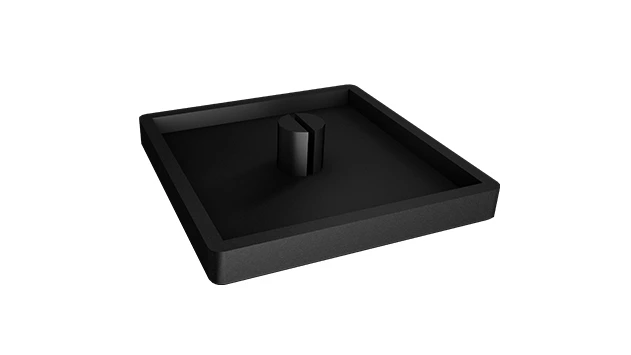
4040 Aluminum Profile End Cap
The aluminum profile end cap adds a finishing touch to your project and closes off profile ends to limit dust and debris buildup, also it can avaid some scratch for material and labor during the assemble work.
In the quiet hum of a data center, where rows of server racks stand like sentinels guarding terabytes of information, or in the bustling backroom of a telecom office, where routers and switches pulse with the rhythm of global communication, there's a silent workhorse that often goes unnoticed: the communication equipment rack. These structures aren't just metal frames—they're the backbone of modern connectivity, holding the devices that keep businesses running, families connected, and economies thriving. But what makes these racks reliable, durable, and safe? Look closer, and you'll find a world of precision-engineered components working together. Among them, aluminum profiles play a starring role, and today, we're shining a light on one of their unsung heroes: the 4040 aluminum profile end cap.
At first glance, an end cap might seem like a trivial accessory—a small piece of plastic or rubber that caps the end of an aluminum extrusion. But in the high-stakes environment of communication equipment, where even the tiniest flaw can lead to downtime, overheating, or equipment failure, these small components punch far above their weight. In this article, we'll explore why 4040 aluminum profile end caps are more than just "caps"—they're critical protectors, ensuring that your communication racks stay robust, efficient, and safe for years to come. We'll dive into their design, their role in safeguarding both the racks and the sensitive equipment they hold, and why choosing the right end cap matters more than you might think.
Aluminum Profiles: The Backbone of Modern Communication Racks
Before we zoom in on end caps, let's take a step back to understand why aluminum profiles have become the material of choice for communication equipment racks. Traditional racks were often made of steel—sturdy, yes, but heavy and prone to rust if not properly treated. Aluminum, on the other hand, brings a winning combination of strength, lightweight design, and corrosion resistance that's hard to beat. Add to that its malleability—allowing for intricate T-slot designs—and it's no wonder aluminum profiles have revolutionized rack manufacturing.
The T-slot design is particularly game-changing. These grooves running along the length of the profile allow for easy attachment of accessories: shelves, cable management clips, brackets, and yes, end caps. This modularity means racks can be customized to fit specific equipment needs—whether you're housing servers, patch panels, or routers—without requiring extensive reengineering. And when it comes to communication setups, where configurations evolve as technology advances, this flexibility is invaluable.
Among the most widely used aluminum profiles in communication racks is the 4040 series. The "4040" refers to the profile's cross-section dimensions: 40mm by 40mm. This size strikes a perfect balance between stability and versatility—strong enough to support heavy equipment, yet compact enough to maximize space in crowded data centers. But even the best 4040 profile is incomplete without the right finishing touches. That's where aluminum profile accessories like end caps come into play, turning a functional extrusion into a fully protected, ready-to-use component.
What Are 4040 Aluminum Profile End Caps, Exactly?
Let's get specific: a 4040 aluminum profile end cap is a specialized cover designed to fit snugly over the exposed ends of 4040 aluminum extrusions. Think of it as the "lid" that seals off the open end of the profile, which—without protection—would be a sharp, unfinished edge. These end caps are typically made from durable materials like nylon, polypropylene, or rubber, chosen for their resistance to impact, temperature fluctuations, and chemical exposure—all common in communication environments.
But not all end caps are created equal. The best ones are precision-engineered to match the exact dimensions of 4040 profiles, including their T-slot geometry. This ensures a tight, secure fit that won't slip or rattle loose over time. Some end caps are "snap-on," designed to click into place with minimal effort, while others might require a small screw or adhesive for extra security in high-vibration settings. Either way, their primary job is clear: to protect—both the profile itself and everything around it.
You might be wondering: Why not just leave the ends of the profile exposed? After all, aluminum is tough—can't it handle a little wear and tear? In theory, yes, but in practice, exposed ends create a host of problems. Sharp edges can cut technicians during installation or maintenance. Dust, dirt, and moisture can seep into the hollow interior of the profile, leading to corrosion or buildup that weakens the structure over time. Cables routed near the ends can fray against rough edges, causing signal interference or short circuits. And let's not forget aesthetics—unfinished ends give racks a messy, unprofessional look, which matters in client-facing spaces or high-end data centers.
In short, 4040 aluminum profile end caps are the unsung guardians of rack integrity. They turn potential liabilities into non-issues, ensuring that the profile's structural integrity, the safety of personnel, and the longevity of equipment are all preserved.

The Protection Features That Matter: A Closer Look
Now that we understand what 4040 aluminum profile end caps are, let's break down their key protection features. These aren't just "nice-to-haves"—they're critical for maintaining the reliability of communication equipment racks. Let's explore each one in detail.
1. Physical Protection: Guarding Against Sharp Edges and Impact
First and foremost, end caps eliminate the risk of injury from sharp, unfinished profile ends. Aluminum extrusions are cut to length during manufacturing, and while the cuts are relatively clean, they can still leave burrs or rough edges. A technician reaching into a rack to adjust a server or route a cable could easily scrape their hand on an exposed end—an accident that's not only painful but could lead to infections or lost work time.
End caps solve this by covering those edges with a smooth, rounded surface. Materials like nylon or rubber provide a cushioned barrier, reducing the risk of cuts or bruises. But their protection doesn't stop at people—they also shield the profile itself. In busy data centers, racks are often moved, reconfigured, or bumped by equipment carts. An exposed end cap could dent or bend on impact, weakening the profile's structural integrity. A sturdy end cap absorbs that impact, acting as a shock absorber to preserve the profile's shape.
2. Dust and Debris Prevention: Keeping the Interior Clean
Communication equipment racks live in environments where dust is the enemy. Dust buildup on servers and routers can block airflow, causing overheating and reducing performance. But dust doesn't just settle on the surface of equipment—it can also sneak into the nooks and crannies of the rack itself, including the hollow interiors of aluminum profiles. Over time, this dust can mix with moisture (from humidity or spills) to form a corrosive sludge that eats away at the aluminum from the inside out.
4040 aluminum profile end caps act as a seal, blocking dust, dirt, and even small debris from entering the profile's interior. When paired with complementary accessories like aluminum profile rubber strip or t-slot rubber seal cover, they create a nearly impenetrable barrier against contaminants. This not only extends the life of the profile but also reduces the need for frequent cleaning—a big plus in large data centers where maintenance time is precious.
Consider this scenario: A data center in a urban area, where air quality is less than ideal. Without end caps, each 4040 profile acts like a chimney, drawing in dust with every air circulation. Over six months, the interior could accumulate a thick layer of grime. With end caps, that same profile remains clean and dry, requiring only a quick wipe down during routine maintenance.
3. Cable Management Support: Preventing Fraying and Damage
Cables are the lifelines of communication racks, carrying data and power between devices. But they're also surprisingly fragile—especially fiber optic cables, which can be damaged by even minor abrasion. When cables are routed along the edges of racks, they often brush against the ends of aluminum profiles. Without end caps, those rough edges can wear away at cable jackets, exposing wires and increasing the risk of short circuits or signal loss.
End caps solve this by providing a smooth, rounded surface for cables to glide over. No more snags, no more fraying, and no more unexpected downtime due to cable failures. In fact, many end caps are designed with subtle grooves or channels that help guide cables away from sharp edges, further reducing the risk of damage. This might seem like a small detail, but in a rack with dozens of cables, it adds up to a significant reduction in maintenance headaches.
4. Moisture Resistance: Fighting Rust and Corrosion
Aluminum is naturally resistant to corrosion, thanks to its oxide layer, but it's not invincible—especially in humid environments or areas prone to spills (yes, even data centers have coffee spills!). Moisture that seeps into an exposed aluminum profile can accelerate oxidation, leading to pitting or weakening of the material. Over time, this can compromise the rack's ability to support heavy equipment, putting valuable hardware at risk.
End caps create a watertight (or at least water-resistant) seal that keeps moisture out. Rubber end caps, in particular, are excellent at this, as they conform tightly to the profile's edges and expand slightly when wet, enhancing the seal. Even in non-ideal conditions—like a telecom room with poor ventilation—end caps add an extra layer of defense against the elements, ensuring that your 4040 profiles stay strong and corrosion-free.
5. Compatibility and Longevity: Working with Your Existing Setup
A great end cap isn't just protective—it's also compatible with the rest of your aluminum profile accessories. The best 4040 end caps are designed to work seamlessly with T-slot systems, meaning they won't interfere with other components like brackets, shelves, or cable management clips. They're also built to last, with materials that resist UV degradation (important if racks are near windows) and wear from repeated handling.
This longevity is key because replacing end caps frequently would negate their cost-saving benefits. High-quality end caps can last for years, even in high-traffic environments, making them a smart investment in the long-term health of your communication racks.

How 4040 End Caps Stack Up: A Quick Comparison
To truly appreciate the value of 4040 aluminum profile end caps, it helps to see how they compare to other common rack finishing options. Below is a table:
| Solution | Physical Protection | Dust/Moisture Resistance | Cable Safety | Longevity | Cost-Effectiveness |
|---|---|---|---|---|---|
| 4040 Aluminum Profile End Cap | Excellent (smooth, impact-resistant) | Very Good (tight seal) | Excellent (no sharp edges) | 5–7 years (durable materials) | High (low cost, low maintenance) |
| Exposed Profile Ends | Poor (sharp edges, prone to dents) | Very Poor (open to contaminants) | Poor (cable fraying risk) | 2–3 years (corrosion, damage) | Very Low (no upfront cost, high long-term costs) |
| DIY Plastic Covers (e.g., Duct Tape) | Fair (inconsistent protection) | Poor (adhesive fails, gaps) | Fair (temporary smoothness) | 3–6 months (adhesive degradation) | Low (frequent replacement needed) |
| Metal End Plates | Good (strong, rigid) | Good (seals well) | Fair (may have sharp edges if not deburred) | 7–10 years (metal construction) | Low (high cost, heavy, hard to install) |
As the table shows, 4040 aluminum profile end caps outperform other options in nearly every category, offering the best balance of protection, longevity, and cost-effectiveness. They're not just the easiest choice—they're the smartest one.
Real-World Impact: How End Caps Solve Common Communication Rack Problems
To bring this all to life, let's look at a few real-world scenarios where 4040 aluminum profile end caps made a tangible difference. These stories highlight how small accessories can have a big impact on rack performance and reliability.
Scenario 1: The Data Center with Frayed Cables
A mid-sized data center in Chicago was experiencing frequent network outages. Technicians traced the issue to frayed fiber optic cables near the top of several racks. Upon inspection, they the racks used 4040 aluminum profiles with exposed ends. Cables routed along the top edge were rubbing against these sharp ends, causing micro-tears in the jackets. The solution? Installing 4040 aluminum profile end caps on all exposed profile ends. Within a month, cable-related outages dropped by 100%, and maintenance time spent replacing cables decreased by 80%.
Scenario 2: The Telecom Room with Rusty Profiles
A telecom provider in Miami had a problem: their outdoor equipment racks (housed in a covered but humid enclosure) were developing rust inside the aluminum profiles. The culprit? Exposed ends that allowed moist air to circulate through the hollow profiles. After installing end caps and adding aluminum profile rubber strip to seal T-slots, the rust stopped spreading. Follow-up inspections six months later showed no new corrosion, extending the expected lifespan of the racks by an estimated 5 years.
Scenario 3: The Office Server Closet with Safety Concerns
An advertising agency in New York had a small server closet that doubled as a storage room. Staff members frequently bumped into the racks while retrieving supplies, and a few had sustained minor cuts from exposed aluminum ends. The agency installed snap-on 4040 end caps, which not only eliminated the sharp edges but also gave the racks a cleaner, more professional look. Employee incidents dropped to zero, and the IT team reported that maintenance was faster and easier without worrying about accidental cuts.
Installing 4040 Aluminum Profile End Caps: Tips for Success
Installing end caps is a simple process, but a few tips can ensure a perfect fit and maximum protection. Here's what you need to know:
- Clean the Profile Ends First: Before installing end caps, wipe the ends of the 4040 profile with a clean, dry cloth to remove dust, oil, or debris. This ensures a tight seal and helps the end cap adhere (if using adhesive-backed models).
- Choose the Right Fit: Not all 4040 profiles are identical—some may have slightly different T-slot designs or wall thicknesses. Always check the manufacturer's specifications to ensure the end cap matches your profile model.
- Snap-On vs. Screw-On: Snap-on end caps are fastest—simply align them with the profile end and press firmly until you hear a "click." For high-vibration environments (like near large fans), opt for screw-on end caps, which use small screws to secure them to the profile.
- Check for Gaps: After installation, inspect the end cap for gaps. A properly installed cap should sit flush with the profile and have no visible spaces where dust or moisture could enter. If there's a gap, remove the cap and try again—you may have misaligned it.
- replace Worn Caps: During routine maintenance, check end caps for cracks, discoloration, or looseness. replace any that show signs of wear—don't wait for them to fail completely.
Conclusion: Small Accessory, Big Impact
In the world of communication equipment racks, where reliability is everything, 4040 aluminum profile end caps prove that great things come in small packages. These unassuming accessories play a critical role in protecting technicians, cables, and the racks themselves from physical damage, dust, moisture, and corrosion. They're easy to install, cost-effective, and compatible with the modular T-slot systems that make aluminum profiles so versatile.
Whether you're building a new data center, upgrading existing telecom rooms, or simply maintaining office server closets, don't overlook the importance of end caps. They may not be the most glamorous component, but they're one of the best investments you can make in the longevity and safety of your communication infrastructure.
So the next time you're specifying aluminum profile accessories for your racks, remember: the right end cap isn't just a finishing touch—it's a protector, a problem-solver, and a silent partner in keeping your communication systems running smoothly, day in and day out.