- Company Articles
- Products and Technology
- Application Cases
- 4040 Aluminum Profile End Caps in Computer Peripheral Production: Assembly Line Use Cases

4040 Aluminum Profile End Caps in Computer Peripheral Production: Assembly Line Use Cases
Related Product
4040 Aluminum Profile End Cap
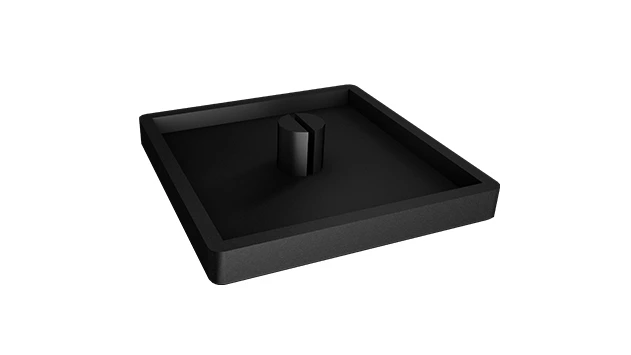
The aluminum profile end cap adds a finishing touch to your project and closes off profile ends to limit dust and debris buildup, also it can avaid some scratch for material and labor during the assemble work.
Walk into any modern computer peripheral production plant, and you'll immediately notice the rhythm of assembly lines—robotic arms moving with precision, workers focused on intricate tasks, and components gliding smoothly from one station to the next. From wireless keyboards and ergonomic mice to high-speed printers and external hard drives, every product relies on a seamless workflow to meet tight deadlines and quality standards. Yet behind this orchestrated chaos lies a network of unsung components that keep the entire operation from grinding to a halt. One such but critical player? The 4040 aluminum profile end cap .
At first glance, these small, often plastic or aluminum caps might seem trivial. After all, they're just covering the ends of aluminum extrusion profiles, right? But in the high-stakes world of computer peripheral manufacturing—where even a tiny scratch on a keyboard casing or a split wire in a mouse cable can lead to product defects, returns, or worse, customer dissatisfaction—these end caps play a surprisingly vital role. In this article, we'll dive into the world of 4040 aluminum profile end caps, exploring their design, function, and the specific ways they enhance efficiency, safety, and product quality in computer peripheral assembly lines. We'll also look at real-world use cases, benefits, and why choosing the right end cap (and the right aluminum profile supplier ) matters more than you might think.
What Are 4040 Aluminum Profile End Caps, Anyway?
To understand the value of 4040 aluminum profile end caps, let's start with the basics: the aluminum extrusion profiles they're designed to protect. Aluminum extrusion profiles are the backbone of modern manufacturing workspaces. Made by forcing heated aluminum through a die to create uniform, customizable shapes—often with T-slots for easy attachment of accessories—these profiles form the frames of workbenches, conveyors, material racks, and testing stations. The "4040" designation refers to their dimensions: 40mm in width and 40mm in height, a standard size widely used in industrial settings for its balance of strength, versatility, and cost-effectiveness.
But here's the thing: when aluminum profiles are cut to length for assembly, their raw ends can be sharp, jagged, or prone to collecting dust and debris. Enter the end cap: a small, lightweight component designed to snap, press, or screw onto the open ends of the profile. Think of it as a protective "cap" for your profile—similar to how a rubber tip protects the end of a walking cane, but engineered for industrial durability.
4040 aluminum profile end caps are typically made from high-grade plastic (like polypropylene or ABS) or aluminum, depending on the application. Plastic end caps are often used in low-impact areas where cost and flexibility matter, while aluminum end caps excel in heavy-duty environments where heat resistance, rigidity, and longevity are priorities. Both types share a common goal: to seal the profile's end, smooth rough edges, and prevent damage to people, products, and the profiles themselves.
Why Computer Peripheral Production Needs These "Tiny Guardians"
Computer peripherals are delicate products. A keyboard's plastic casing, for example, is prone to scuffs; a mouse's internal wiring can fray if caught on a sharp edge; and a printer's circuit board is sensitive to dust and debris. Assembly lines for these products are also high-traffic zones: workers lean on workbenches, components slide along conveyors, and material racks are loaded and unloaded dozens of times a day. Without proper protection, the raw ends of aluminum profiles can become hazards—both to the products being made and the people making them.
Consider this: a worker assembling a wireless mouse spends hours a day leaning over a workbench frame made from 4040 aluminum profiles. If the profile ends are left uncovered, the sharp edges could irritate their forearms, leading to discomfort, reduced productivity, or even repetitive strain injuries. Similarly, a conveyor belt built with exposed profile ends might catch the edge of a keyboard casing as it moves, leaving a scratch that renders the product unsellable. Even dust and debris can work their way into open profile ends over time, clogging T-slots and making it harder to attach accessories like brackets or aluminum profile accessories (e.g., cable management clips or tool holders). In short, 4040 end caps aren't just "nice to have"—they're essential for maintaining a safe, efficient, and high-quality production line.

Use Cases: Where 4040 End Caps Shine in Assembly Lines
Now that we understand their purpose, let's explore specific areas of computer peripheral production where 4040 aluminum profile end caps make a tangible difference. From workbenches to conveyors to material storage, these small components punch above their weight in solving everyday challenges.
1. Workbenches: The Heart of Manual Assembly
Workbenches are the command centers of computer peripheral assembly lines. This is where workers handle delicate tasks: soldering wires onto circuit boards, attaching buttons to keyboard frames, or testing the functionality of newly assembled mice. Most modern workbenches are built using aluminum extrusion profiles—lightweight, sturdy, and easy to customize with shelves, tool hooks, and LED task lights. And at the corners and edges of these workbenches? You'll find 4040 aluminum profile end caps.
Take a keyboard assembly workbench, for example. The frame is typically constructed from 4040 profiles, with a wooden or aluminum top for workers to place components. The end caps here serve two key purposes: first, they protect workers' arms and wrists from sharp profile edges during long shifts. Without them, constant contact with raw aluminum could lead to cuts, bruises, or skin irritation—all of which reduce focus and increase the risk of mistakes. Second, end caps prevent small components (like screws, springs, or rubber keycaps) from falling into the open ends of the profiles. Imagine a worker dropping a tiny screw into an uncovered profile end: retrieving it would require stopping the line, disassembling part of the bench, and losing valuable time. With end caps in place, that risk is eliminated.
But it's not just about safety and convenience. Workbenches in computer peripheral plants often need to be reconfigured to accommodate new product models—say, switching from a standard keyboard to a compact, gaming-focused design. Aluminum profiles make reconfiguration easy (thanks to T-slots and modular accessories), but end caps ensure that even after disassembly and reassembly, the profiles remain protected. A good end cap will stay securely in place during moves, preventing damage to the profile itself and ensuring the workbench remains safe and functional.
2. Conveyors: Keeping Components Moving Smoothly
Conveyors are the arteries of any assembly line, transporting components from one station to the next. In computer peripheral production, conveyors might carry keyboard shells from the molding station to the button installation station, or move printed circuit boards (PCBs) to quality control. Many conveyors are built using aluminum extrusion profiles as side rails, guiding products along the belt or roller track.
Here, 4040 end caps play a critical role in preventing jams and product damage. Imagine a conveyor rail with an uncovered profile end: as a keyboard casing slides past, its edge could catch on the raw aluminum, causing it to tilt, scratch, or even fall off the conveyor. A scratched casing would either need to be reworked (costing time) or scrapped (costing money). Worse, a jam could stop the entire line, leading to delays that ripple through production schedules.
End caps solve this by creating a smooth, rounded edge that components can glide past without snagging. They also protect the conveyor's own components: without end caps, dust, dirt, and small debris could accumulate in the profile ends, eventually working their way into the conveyor's mechanical parts (like roller bearings or belt tensioners) and causing breakdowns. For example, a roller track conveyor—used to move heavy items like printer bodies—relies on smooth, unobstructed rails. End caps ensure that the rails stay clean and damage-free, keeping the rollers turning and products moving.
3. Material Racks: Storing Components Safely
Computer peripheral production requires storing a vast array of components: from plastic casings and rubber gaskets to PCBs and packaging materials. Material racks—often built with aluminum extrusion profiles—keep these components organized, accessible, and protected from damage. And once again, 4040 end caps are there to help.
Consider a material rack used to store delicate items like LCD screens for external monitors. The rack's shelves are supported by 4040 profiles, and each shelf is lined with foam to cushion the screens. But the profile ends at the front of the rack are exposed to workers retrieving components. Without end caps, a worker could accidentally brush against a sharp edge while grabbing a screen, scratching the display. Even a tiny scratch would make the screen unsellable. End caps eliminate this risk by covering the sharp edges, ensuring that both the components and the workers handling them stay safe.
Material racks also need to withstand heavy loads—especially when storing bulk items like packaging boxes or pallets of PCBs. Over time, the weight can cause profile ends to deform slightly, but a sturdy end cap acts as a buffer, distributing pressure and preventing cracks or bending. This is especially true for aluminum end caps, which are more rigid than plastic and better able to handle heavy use.
4. Testing Stations: Protecting Sensitive Equipment
Before computer peripherals leave the factory, they undergo rigorous testing: keyboards are checked for key responsiveness, mice for sensor accuracy, and printers for paper jams. Testing stations are often equipped with specialized equipment—like diagnostic computers, pressure sensors, or calibration tools—mounted on aluminum profile frames.
In these stations, precision is everything. A misaligned sensor or a wobbly diagnostic tool could lead to false test results, causing good products to be rejected or defective ones to be shipped. Aluminum profiles provide the stability needed to keep equipment in place, but end caps ensure that the frames themselves don't interfere with testing. For example, a testing station for wireless mice might have a metal plate mounted on 4040 profiles to shield against electromagnetic interference (EMI). The end caps on the profiles prevent EMI from leaking through open ends, ensuring accurate sensor readings. They also protect the sensitive testing equipment from dust and debris, which could damage circuit boards or interfere with moving parts.

The Benefits of 4040 Aluminum Profile End Caps: More Than Just Protection
By now, it's clear that 4040 aluminum profile end caps are essential for safety and functionality in computer peripheral assembly lines. But their benefits go beyond just covering sharp edges. Let's break down why these small components deliver big value:
- Safety First: As we've discussed, end caps prevent worker injuries from sharp profile edges, reducing the risk of cuts, bruises, and repetitive strain injuries. This not only keeps employees happy and healthy but also lowers workers' compensation costs and reduces downtime due to accidents.
- Product Quality: By preventing scratches, dents, and snags on components like casings, PCBs, and cables, end caps directly improve product quality. Fewer defects mean fewer returns, higher customer satisfaction, and a stronger brand reputation.
- Durability: Aluminum profiles are built to last, but open ends are vulnerable to corrosion, dust, and impact damage. End caps seal the profiles, extending their lifespan and reducing the need for costly replacements.
- Cost-Effectiveness: End caps are inexpensive compared to the cost of repairing damaged products, replacing scratched profiles, or treating worker injuries. Investing in quality end caps upfront saves money in the long run.
- Compatibility: 4040 aluminum profile end caps are designed to work seamlessly with standard 4040 profiles and aluminum profile accessories (like brackets, hinges, and T-slot nuts). This means they integrate easily into existing assembly lines without requiring major overhauls.
| Assembly Line Component | Role of 4040 Aluminum Profiles | How End Caps Add Value | Key Benefit for Computer Peripherals |
|---|---|---|---|
| Workbenches | Frame construction, support for tools and components | Protect workers from sharp edges; prevent component loss | Reduced errors during delicate tasks (e.g., soldering, button attachment) |
| Conveyors | Side rails guiding products along the line | Prevent jams and scratches on casings/PCBs | Smoother workflow with fewer line stops |
| Material Racks | Shelving for storing components (e.g., keyboard shells, mouse PCBs) | Shield components from sharp edges; distribute weight evenly | Fewer damaged components; lower scrap rates |
| Testing Stations | Frames for mounting diagnostic equipment | Seal profiles to prevent EMI/dust interference | More accurate testing results; higher product reliability |
Choosing the Right 4040 Aluminum Profile End Caps: What to Look For
Not all end caps are created equal. In computer peripheral production, where precision and reliability are non-negotiable, choosing the right end cap can make a big difference. Here are key factors to consider when selecting 4040 aluminum profile end caps for your assembly line:
Material: Plastic vs. Aluminum
Plastic end caps are lightweight, affordable, and easy to install (often snapping into place without tools). They're ideal for low-impact areas like workbench edges or light-duty material racks. However, they may not hold up as well in high-temperature environments (e.g., near molding machines) or under heavy loads. Aluminum end caps, on the other hand, are more durable, heat-resistant, and better suited for heavy-duty use—like conveyor rails or testing station frames. They're also more resistant to chemicals (important if your line uses cleaning solvents) and less likely to crack or fade over time.
Fit: Snug, but Not Too Tight
A good end cap should fit securely on the profile without being impossible to remove (for reconfiguration or replacement). Look for end caps with a slightly tapered design or internal ribs that grip the profile's inner walls. Avoid loose-fitting caps, which can fall off during line reconfigurations, leaving profiles exposed. Similarly, overly tight caps may crack or damage the profile when installed.
Supplier Reliability
Last but not least, choose an aluminum profile supplier that specializes in industrial-grade components. A reputable supplier will offer end caps designed specifically for 4040 profiles, with consistent sizing and quality control. They'll also provide technical support—helping you choose between plastic and aluminum, or recommending custom solutions for unique applications (e.g., high-temperature end caps for use near soldering stations).
Conclusion: Small Component, Big Impact
In the fast-paced world of computer peripheral production, it's easy to focus on the "big" components: the robots, the conveyors, the high-tech testing equipment. But as we've seen, it's often the smallest parts that keep the line running smoothly. 4040 aluminum profile end caps may not grab headlines, but they play a vital role in protecting workers, preventing defects, and ensuring assembly lines stay efficient and productive.
Whether you're building a new workbench, upgrading a conveyor system, or reconfiguring a testing station, don't overlook these tiny guardians. By choosing the right end caps—durable, well-fitting, and suited to your specific needs—you'll not only improve safety and product quality but also save time, reduce costs, and keep your assembly line humming. After all, in manufacturing, success is in the details—and 4040 aluminum profile end caps are one detail that's worth getting right.