- Company Articles
- Products and Technology
- Product knowledge
- 4040 Aluminum Profile End Caps in Consumer Electronics: 3C Assembly Line Integration

4040 Aluminum Profile End Caps in Consumer Electronics: 3C Assembly Line Integration
Related Product
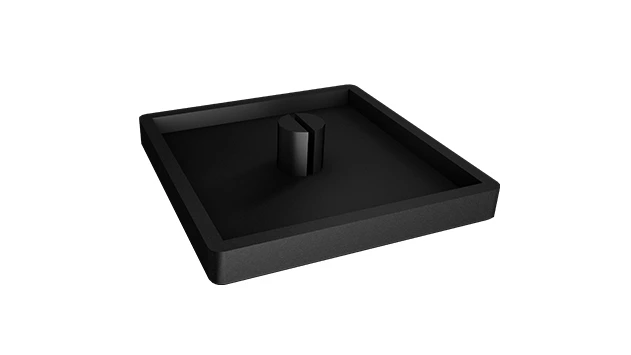
4040 Aluminum Profile End Cap
The aluminum profile end cap adds a finishing touch to your project and closes off profile ends to limit dust and debris buildup, also it can avaid some scratch for material and labor during the assemble work.
In the fast-paced world of consumer electronics—where smartphones, laptops, and wearables evolve faster than the seasons—every second on the assembly line counts. Imagine a factory floor where precision isn't just a goal, but a daily necessity. Components smaller than a fingernail glide from station to station, workers maneuver with robotic efficiency, and any hiccup—a loose part, a misaligned rack, or a damaged tool—can derail production timelines worth millions. This is the reality of 3C manufacturing (computers, communications, consumer electronics), where the backbone of operations lies not in flashy machinery alone, but in the quiet, unassuming structures that hold everything together: aluminum profiles. And among these, one tiny component plays a role so critical it's often overlooked until it's missing: the 4040 aluminum profile end cap.
Today, we're diving into the world of these unsung heroes, exploring how 4040 aluminum profile end caps integrate seamlessly into 3C assembly lines, enhance workbench functionality, support lean system goals, and elevate the reliability of flow racks. Because in an industry where "good enough" is never enough, even the smallest parts deserve a spotlight.
The Backbone of Modern 3C Assembly: Aluminum Profiles
Before we zoom in on end caps, let's talk about the star of the show: aluminum profiles. Walk through any cutting-edge 3C factory, and you'll see them everywhere—supporting workbenches, framing flow racks, forming the skeleton of conveyor systems, and even shaping ergonomic tool holders. Among the most popular is the 4040 aluminum profile, named for its 40mm x 40mm cross-section. Why 4040? Its size strikes the perfect balance: sturdy enough to support heavy equipment (like precision testing machines) yet lightweight enough to reconfigure when production lines switch from assembling tablets to smartwatches. Add to that its t-slot design—those long, continuous grooves running along its length—and you've got a blank canvas for customization. Need to mount a monitor arm? Slide a bracket into the t-slot. Want to attach a cable management clip? Snap it into place. No drilling, no welding, no downtime.
But here's the thing about aluminum profiles: their strength lies in their versatility, but that versatility depends on protecting their integrity. Without proper care, the sharp edges of raw profiles can snag cables, scratch delicate components, or even injure workers. Over time, exposure to dust, moisture, or repeated impact can wear down the t-slots, making accessories harder to attach or causing misalignments in flow racks. That's where 4040 aluminum profile end caps step in—not as an afterthought, but as a foundational piece of the puzzle.
The Unsung Hero: What Are 4040 Aluminum Profile End Caps?
At first glance, a 4040 aluminum profile end cap might seem simple: a small, often plastic or aluminum cap designed to fit snugly over the exposed ends of 4040 profiles. But don't let its simplicity fool you. These caps wear many hats, each critical to keeping 3C assembly lines running smoothly.
1. Safety First: No More Sharp Edges
Walk up to an unprotected aluminum profile, and you'll notice its ends are sharp—think of a freshly cut piece of metal. On a busy assembly line, where workers reach across workbenches, load components into flow racks, or adjust conveyor settings, those sharp edges are accidents waiting to happen. A minor slip could result in a cut, a snagged glove, or even a damaged circuit board if it brushes against an exposed end. 4040 end caps blunt these edges, turning potential hazards into smooth, rounded surfaces. It's a small change, but in factories where OSHA standards and worker well-being are top priorities, it's non-negotiable.
2. Protection: Keeping Profiles (and Products) Intact
Aluminum profiles are tough, but they're not indestructible. Dust, coolant, and even the oils from workers' hands can seep into the open ends of profiles, leading to internal corrosion over time. In 3C manufacturing, where precision tools like torque wrenches or soldering stations are mounted directly to profiles, a corroded t-slot could mean a loose tool—and a costly mistake. End caps seal off these ends, acting as a barrier against contaminants. They also protect the profile itself from impact: imagine a worker accidentally bumping a turnover trolley into a profile end. Without a cap, the force could dent or bend the profile; with a cap, the impact is absorbed, keeping the profile straight and the t-slots intact.
3. Aesthetics and Branding: The Little Things That Matter
In an industry that prides itself on innovation and quality, even the look of the assembly line sends a message. Raw, exposed profile ends can make a workstation feel unfinished or haphazard—hardly the vibe when showcasing your factory to clients or investors. End caps give profiles a clean, polished look, tying together the visual coherence of workbenches, flow racks, and material carts. Some manufacturers even offer colored end caps (black, white, or the brand's signature hue), adding a subtle touch of professionalism that reflects attention to detail—something clients notice when evaluating your ability to produce high-quality electronics.
4. Compatibility: Keeping Accessories Secure
Remember those t-slots we mentioned earlier? They're only useful if accessories like brackets, clips, or roller track connectors fit snugly. Exposed profile ends can sometimes have burrs or uneven edges, making it harder to slide accessories into place. End caps, when properly designed, ensure the t-slots remain aligned and smooth from end to end. This might not sound glamorous, but on a line where a misaligned roller track could cause a smartphone case to jam, every detail counts.

Workbench Integration: Where End Caps Meet Daily Operations
If aluminum profiles are the backbone of 3C assembly, workbenches are the heart. This is where the magic happens: workers assemble circuit boards, test touchscreens, and inspect finished products under magnification. A typical 3C workbench is built around 4040 profiles—supporting the tabletop, mounting overhead lights, holding tool organizers, and even integrating ESD (electrostatic discharge) mats to protect sensitive components. And here, 4040 end caps aren't just about safety—they're about optimizing workflow.
Ergonomics and Worker Comfort
Consider a worker spending 8 hours a day at a workbench, reaching for tools, placing components, or typing into a computer. An exposed profile end under the bench could dig into their leg or catch on their clothing, leading to fatigue or distraction. End caps eliminate this, creating a smooth, comfortable workspace. Some end caps even come with non-slip surfaces, preventing the bench from shifting slightly during use—a small detail that reduces strain on workers' wrists and shoulders over time.
Durability in High-Cycle Environments
3C workbenches see heavy use: parts are placed and removed, tools are set down with force, and cleaning crews wipe down surfaces daily. Without end caps, the constant vibration and impact could loosen the connection between the profile and the tabletop, leading to a wobbly work surface. End caps add stability by distributing pressure evenly across the profile end, ensuring the bench remains level and secure—critical when assembling components that require sub-millimeter precision.
Customization Made Easy
Many 3C factories use modular workbenches, reconfiguring them for different products. For example, a bench used to assemble laptop keyboards might need extra tool holders, while one for smartphone cameras might require a microscope mount. 4040 end caps are designed to work with this flexibility: they're easy to remove and reattach, so when the profile is cut to a new length or repurposed, the cap simply slides onto the new end. No need for special tools or downtime—just pop it on, and the bench is ready for its next task.

Flow Racks: Keeping Material Flow Smooth with End Caps
In 3C manufacturing, material flow is the lifeblood of production. Components need to move from storage to assembly stations, and finished products need to flow to quality control—all without delays or damage. Flow racks, with their sloped shelves and roller tracks, make this possible by using gravity to slide materials along smoothly. And guess what forms the frame of most modern flow racks? You guessed it: 4040 aluminum profiles. Here, end caps play a surprisingly vital role in maintaining that "flow."
Aligning Roller Tracks Perfectly
Flow racks rely on roller tracks (those rows of small wheels that let bins glide effortlessly) to move materials. These tracks are mounted directly to the 4040 profiles via t-slot accessories. If the profile ends are uneven or damaged, the tracks can become misaligned, causing bins to jam or tilt. 4040 end caps ensure the profile ends are uniform, so when tracks are mounted along the length of the profile, they stay straight and level. This alignment is critical for small, lightweight components like microchips or camera lenses—even a slight tilt could cause them to shift in their bins, leading to errors during assembly.
Preventing Bin Snags and Damage
Imagine a bin full of smartphone casings sliding down a flow rack. As it reaches the end of the track, it might bump against the vertical profile that frames the rack. Without an end cap, the hard edge of the profile could scratch or crack the casings—a disaster in an industry where even a minor cosmetic flaw renders a product unsellable. End caps cushion this impact, absorbing the shock and protecting both the bin and the components inside. They also prevent the bin from catching on any rough edges, ensuring a smooth transition from rack to workstation.
Long-Term Rack Stability
Flow racks are often loaded with heavy bins of components—think hundreds of grams of circuit boards or batteries. Over time, this weight can stress the 4040 profiles, especially at the joints and ends. End caps reinforce these ends, distributing the load more evenly and preventing the profiles from warping or bending. In lean manufacturing terms, this means less maintenance, fewer replacements, and more uptime—all key to reducing waste and keeping costs in check.
Lean System Synergy: End Caps as a Tool for Efficiency
Lean manufacturing isn't just a buzzword in 3C—it's a way of life. The goal? Eliminate waste, optimize flow, and continuously improve processes. 4040 aluminum profile end caps might seem small, but they align perfectly with lean principles in ways that add up over time.
Reducing Waste: Less Downtime, Fewer Replacements
In lean terms, "waste" includes everything from defective products to unnecessary downtime. A damaged profile end, for example, might require the entire flow rack to be taken offline for repair, halting material flow and delaying production. End caps prevent this by protecting profiles from damage, extending their lifespan and reducing the need for replacements. They also reduce the risk of defective products caused by scratched components or misaligned tools—saving both time and resources.
Optimizing Flow: Smoother Workstations, Faster Processes
Lean systems thrive on smooth, uninterrupted workflows. A workbench with sharp profile edges might slow down a worker who's cautious about cuts; a flow rack with misaligned tracks due to damaged profiles could cause bins to jam. End caps eliminate these friction points, letting workers focus on their tasks instead of avoiding hazards. The result? Faster cycle times and higher productivity—without sacrificing quality.
Flexibility: Adapting to Change Quickly
One of the core tenets of lean is adaptability—being able to pivot quickly when product designs change or demand shifts. 4040 aluminum profiles are already flexible, but end caps make them even more so. Since caps are easy to remove and reattach, profiles can be cut, modified, or repurposed with minimal effort. For example, if a factory needs to shorten a flow rack to make space for a new assembly line, the old profile ends can be capped, and the rack is ready for use in minutes. This agility lets factories respond to market changes faster than competitors stuck with rigid, non-modular systems.
Beyond End Caps: Aluminum Profile Accessories That Work in Tandem
4040 aluminum profile end caps don't work alone—they're part of a larger ecosystem of aluminum profile accessories that make 3C assembly lines tick. From brackets that mount roller tracks to joints that connect profiles at 90-degree angles, these accessories rely on the profiles being in top shape. End caps ensure that the profiles (and thus the accessories) function as intended. For example, a roller track connector mounted to a profile with a damaged t-slot might come loose, causing the track to misalign. End caps protect the t-slots from debris and impact, ensuring connectors stay secure and tracks stay straight. It's a chain reaction: healthy profiles mean reliable accessories, which mean smoother operations.
Common 4040 Aluminum Profile Accessories and Their Reliance on End Caps
| Accessory | Function | How End Caps Support It |
|---|---|---|
| Roller Track Connectors | Mount roller tracks to profiles for flow racks | Protect t-slots from damage, ensuring connectors stay tight |
| Workbench Brackets | Attach tabletops or shelves to profile frames | Maintain profile integrity, preventing bracket misalignment |
| Caster Wheels | Add mobility to carts or workbenches | Reduce profile stress at base ends, extending caster lifespan |
| Tool Holders | Secure tools to workbenches for easy access | Keep t-slots clean, ensuring holders attach/detach smoothly |
Why the Smallest Parts Make the Biggest Difference
In the grand scheme of 3C manufacturing—where robots assemble microchips and AI monitors quality control—it's easy to overlook components like 4040 aluminum profile end caps. But as we've explored, these small caps play a outsized role: keeping workers safe, protecting valuable profiles, ensuring smooth material flow, and supporting lean system goals. They're a reminder that in an industry built on precision, every detail matters—from the largest conveyor belt to the tiniest end cap.
So the next time you pick up a smartphone or power on a laptop, take a moment to appreciate the invisible infrastructure that brought it to life. Behind that sleek design and lightning-fast performance is a network of aluminum profiles, held together by unsung heroes like 4040 end caps—quietly ensuring that in the world of 3C manufacturing, the show goes on, one smooth, efficient assembly line at a time.