- Company Articles
- Products and Technology
- Product knowledge
- 4040 Aluminum Profile End Caps in Lean Workbenches: Workbench E Integration Tips

4040 Aluminum Profile End Caps in Lean Workbenches: Workbench E Integration Tips
Related Product
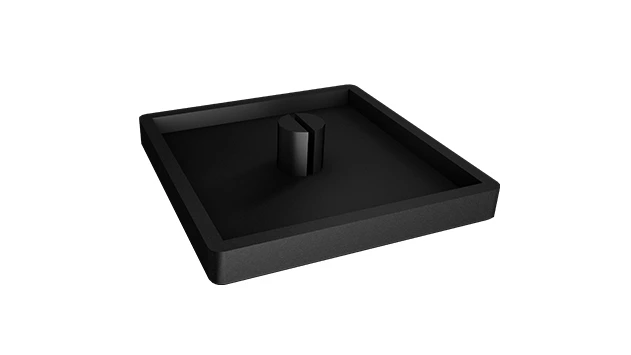
4040 Aluminum Profile End Cap
The aluminum profile end cap adds a finishing touch to your project and closes off profile ends to limit dust and debris buildup, also it can avaid some scratch for material and labor during the assemble work.
In the world of manufacturing and production, every detail counts. From the layout of assembly lines to the tools on the factory floor, small choices often add up to big differences in efficiency, safety, and morale. Today, we're diving into one of those "small but mighty" details: the 4040 aluminum profile end cap. Specifically, we'll explore how this unassuming component transforms the functionality of Workbench E—a staple in lean workbench setups—and why it deserves a spot on your list of must-have aluminum profile accessories.
If you've ever walked through a busy workshop, you've probably seen a lean pipe workbench in action. These workhorses keep tools organized, materials within reach, and workflows streamlined. But even the best workbench can fall short without the right finishing touches. That's where end caps come in. Let's start by understanding why Workbench E is such a popular choice, and then unpack how 4040 aluminum profile end caps take it from "good" to "great."
Meet Workbench E: The Unsung Hero of Stable Workspaces
First, let's get to know Workbench E (single deck-without caster) a little better. If you're familiar with lean systems, you know that flexibility and stability are often a balancing act. Some workbenches come with casters for easy mobility, but when precision and steadiness are non-negotiable—think intricate assembly work or heavy material handling—Workbench E shines. Its single-deck design keeps the workspace uncluttered, and the absence of casters means it stays firmly planted, reducing vibrations that could throw off delicate tasks.
Built with aluminum profiles (another key player in our story), Workbench E is lightweight yet surprisingly durable. Aluminum's resistance to corrosion makes it ideal for busy environments where spills or humidity are common, and its sleek, modular design means it can be customized with shelves, tool holders, or bins to fit specific needs. But here's the thing: aluminum profiles, by nature, have open ends. And those open ends? They're more than just an aesthetic oversight—they can quietly undermine the workbench's performance if left unaddressed.
The Hidden Risks of Uncapped Aluminum Profiles
Let's paint a picture. Imagine a technician named Maria, hard at work on Workbench E assembling small electronic components. She reaches for a screwdriver, her hand brushing against the edge of the aluminum profile frame. Ouch! A sharp, unfinished end nicks her finger. It's a minor cut, but it breaks her focus, requires a bandage, and adds a few minutes to her task. Multiply that by dozens of workers over a week, and suddenly those "small" cuts become a real drain on productivity.
But the risks go beyond scrapes. Open aluminum profile ends are like tiny magnets for dust, debris, and even small screws or washers. Over time, these particles build up inside the T-slots—the grooves that make aluminum profiles so versatile for attaching accessories. A clogged T-slot means tools or shelves won't slide into place smoothly, turning a 2-minute adjustment into a 10-minute hassle. Worse, trapped moisture in those open ends can lead to internal corrosion, weakening the profile over time and shortening the workbench's lifespan.
Then there's the "little things" factor: aesthetics. A workbench with ragged, unfinished profile ends looks unprofessional. In a space where attention to detail is part of your brand (think aerospace or medical device manufacturing), that lack of polish can send the wrong message to clients or auditors. It's not just about looks—it's about pride in your workspace, and pride translates to care in your work.
| Issue | Without End Caps | With 4040 Aluminum Profile End Caps |
|---|---|---|
| Safety | Sharp edges risk cuts and scrapes | Smooth, rounded edges eliminate injury risks |
| Maintenance | Dust/debris clogs T-slots; moisture causes corrosion | Sealed ends prevent debris buildup and corrosion |
| Aesthetics | Unfinished, unprofessional appearance | Clean, polished look enhances workspace appeal |
| Functionality | T-slots jam; accessories fit poorly | T-slots stay clean; accessories adjust smoothly |

4040 Aluminum Profile End Caps: Small Part, Big Impact
So, what exactly is a 4040 aluminum profile end cap? Think of it as a protective "cap" designed to snap or press-fit onto the open ends of 4040 aluminum profiles (the "4040" refers to the profile's dimensions: 40mm x 40mm). Made from durable plastics like polypropylene or nylon, these caps are lightweight, resistant to impact, and come in colors that match or complement aluminum profiles—think neutral grays or blacks that blend in seamlessly.
But their value goes beyond covering an open end. Let's break down the benefits:
- Safety First: The rounded edges of end caps eliminate sharp corners, turning a potential hazard into a smooth, touch-friendly surface. For workers who spend hours at the bench, this small change reduces fatigue and the risk of repetitive stress injuries from accidental bumps.
- Debris Defense: By sealing the profile ends, end caps act as a barrier against dust, dirt, and liquids. This means less time spent cleaning T-slots and more time focused on actual work. In environments where cleanliness is critical—like electronics manufacturing—this can even reduce the risk of product defects caused by debris contamination.
- Corrosion Resistance: Aluminum is naturally corrosion-resistant, but its internal surfaces (like the inside of a profile) are more vulnerable when exposed to moisture. End caps lock out humidity and spills, extending the life of both the profile and the workbench itself.
- Aesthetic Polish: A capped profile looks intentional and professional. It's the difference between a "thrown-together" setup and a workspace that feels intentional—something that doesn't go unnoticed by team members or visitors.

Integrating 4040 End Caps into Workbench E: Pro Tips for a Perfect Fit
Now that we've covered "why," let's get into "how." Installing 4040 aluminum profile end caps on Workbench E is straightforward, but a few tricks will ensure a snug, long-lasting fit. Here's a step-by-step guide to make the process smooth:
Step 1: Gather Your Tools (You Won't Need Much!)
The beauty of end caps is that they're designed for tool-free installation, but having a few items on hand will help. Grab a clean cloth to wipe down the profile ends (you want them free of dust or oil), and maybe a rubber mallet or a soft-faced hammer—useful for tapping caps into place if they're a tight fit. Avoid metal hammers, though; you don't want to dent the aluminum or crack the cap.
Step 2: Prep the Profile Ends
Before installing the caps, take a minute to inspect the ends of the 4040 aluminum profiles on Workbench E. Sometimes, during manufacturing or assembly, burrs (tiny metal flakes) can form on the edges. These burrs can prevent the end cap from seating properly or even tear the cap over time. A quick pass with a fine-grit sandpaper (800-grit or higher) will smooth out any rough spots—just be gentle to avoid scratching the profile's finish.
Wipe the ends with your cloth to remove sanding dust, and check for any remaining debris inside the T-slots. A can of compressed air works great for blowing out stubborn particles—you want the cap to seal tightly, and debris will get in the way.
Step 3: Align and Press (or Tap) into Place
Most 4040 end caps have a lip or tabs that correspond to the T-slot openings on the profile. Hold the cap up to the end of the profile and make sure these tabs align with the slots—this ensures the cap won't twist or pop off. Once aligned, apply even pressure with your palms and push firmly. You should feel a slight "click" as the cap seats into place.
If the cap is tight (which is a good thing—you want a snug fit!), place a soft cloth over the cap to protect it, then gently tap it with the rubber mallet. Start at the center and work your way around the edges to avoid misalignment. The cap should sit flush with the end of the profile—no gaps, no overhang.
Step 4: Test for Security
Once installed, give the cap a gentle tug to make sure it's secure. It shouldn't wiggle or come loose. If it does, check for misalignment or debris and try again. A properly installed end cap should stay put even with regular handling or minor bumps—no glue or screws required.
Pro Tip: Mix and Match with Other Aluminum Profile Accessories
While you're upgrading Workbench E, consider pairing end caps with other aluminum profile accessories to maximize functionality. For example, T-slot rubber seal covers (another handy accessory) can line the T-slots along the length of the profile, preventing dust buildup and adding a soft, non-slip surface. Combine that with 4040 end caps, and you've got a workbench that's not just safe and clean, but also tailored to your team's needs.
From "Okay" to "Outstanding": A Real-World Example
Let's circle back to Maria, the technician we met earlier. Her workshop recently upgraded their Workbench E setups with 4040 aluminum profile end caps and a few other aluminum profile accessories. The results? In the first month, reports of minor cuts dropped by 75%. The maintenance team noticed they were spending half as much time cleaning T-slots, freeing them up to tackle bigger projects. And Maria? She mentioned that the smoother edges made the workbench feel "more intentional"—like the company cared about her comfort and safety. That boost in morale? It translated to a small but noticeable uptick in daily output, as team members spent less time distracted by nicks or fumbling with stuck tools.
Another example comes from a small electronics manufacturer in Ohio. They'd been using Workbench E for years but struggled with debris clogging the T-slots, leading to frequent delays when reconfiguring the workbench for new product lines. After installing end caps and T-slot rubber seal covers, their reconfiguration time dropped from 45 minutes to 15 minutes per workbench. Over a year, that added up to hundreds of hours saved—time they redirected to training and process improvements.
Choosing the Right Supplier: Why Quality Matters
Of course, none of this works if you're using low-quality end caps. A flimsy cap that cracks after a month or a mis sized one that falls off defeats the purpose. That's why partnering with a reliable lean pipe workbench supplier is key. Look for suppliers who specialize in aluminum profile accessories and can confirm that their 4040 end caps are designed specifically for 40mm x 40mm profiles—one size does not fit all here.
A good supplier will also offer samples, so you can test the fit and durability before ordering in bulk. They'll have knowledgeable staff who can answer questions like, "Will these caps work with my existing Workbench E setup?" or "Do you have caps that match the color of my aluminum profiles?" And if you ever need replacements or additional accessories, they'll have them in stock, so you're not left waiting.
Remember: the goal of lean systems is to eliminate waste—including the waste of time and money spent replacing shoddy parts. Investing in high-quality end caps from a trusted supplier is a small upfront cost that pays off in fewer repairs, less downtime, and a safer workspace.
Wrapping Up: The End Cap Effect
At the end of the day, the 4040 aluminum profile end cap is more than just a "nice-to-have"—it's a "need-to-have" for anyone serious about building a lean, efficient, and people-centric workspace. It's a reminder that in lean systems, success lies in the details: the way a workbench feels under your hands, the time saved by not fighting with clogged T-slots, the peace of mind knowing your team is working in a space that prioritizes their safety.
So, if you're setting up a new Workbench E or looking to upgrade your existing lean pipe workbench, don't overlook the end caps. They might be small, but their impact? That's anything but.
Here's to smoother workflows, happier teams, and workbenches that work as hard as you do—one end cap at a time.