- Company Articles
- Products and Technology
- Application Cases
- 4040 Aluminum Profile End Caps in Logistics: Warehouse Rack Safety Upgrades

4040 Aluminum Profile End Caps in Logistics: Warehouse Rack Safety Upgrades
Related Product
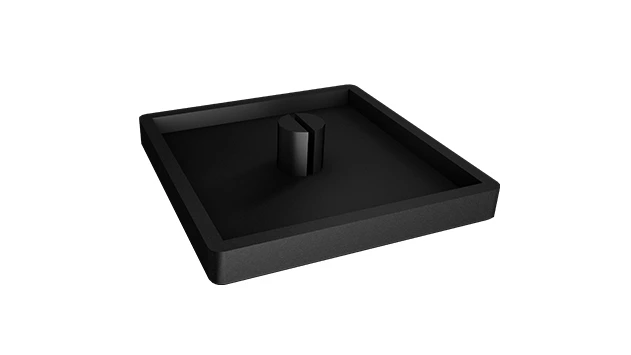
4040 Aluminum Profile End Cap
The aluminum profile end cap adds a finishing touch to your project and closes off profile ends to limit dust and debris buildup, also it can avaid some scratch for material and labor during the assemble work.
Small Parts, Big Impact: How the Right End Caps Transform Warehouse Safety and Efficiency
The Day a Small Part Changed Everything
Let me take you back to a Tuesday morning in a busy logistics warehouse just outside Chicago. Maria, a 10-year veteran of the warehouse floor, was rushing to restock a high shelf with incoming inventory. She'd done this a hundred times before—grab the pallet, lift, slide, done. But that day, as she reached across the edge of the metal rack to steady herself, her forearm brushed against the end of an aluminum profile. Instantly, she winced. A sharp, jagged edge had torn through her glove, leaving a deep gash. The warehouse ground to a halt as she was escorted to the first aid station, and by the end of the day, the incident report was clear: an uncovered aluminum profile end had caused the injury.
This story isn't unique. In warehouses across the globe, thousands of workers interact with aluminum profile racks daily—reaching, lifting, moving goods—and every unprotected profile end is a potential hazard. That's where 4040 aluminum profile end caps come in. These small, unassuming accessories might not look like much, but they're the unsung heroes of warehouse safety. In this article, we'll dive into why these tiny components matter, how they fit into the broader world of aluminum extrusion profiles, and why every logistics manager should prioritize them.
What Are 4040 Aluminum Profile End Caps, Anyway?
First things first: let's break down the name. "4040" refers to the dimensions of the aluminum profile these end caps are designed for—typically 40mm by 40mm. Aluminum profiles, often called aluminum extrusion profiles, are those sleek, modular bars you see in warehouse racks, workbenches, and material handling systems. They're popular because they're lightweight, strong, and easy to assemble with accessories like joints and brackets.
Now, when these profiles are cut to length during manufacturing, the ends can be rough or sharp—think of a fresh-cut piece of wood, but with metal. That's where end caps step in. A 4040 aluminum profile end cap is a small, usually plastic or rubber cover that snaps or fits snugly over the open end of a 40mm x 40mm aluminum profile. It's like a protective cap for your toothbrush, but for industrial equipment.
But they're not just about covering sharp edges. Modern end caps are designed to be durable, resistant to wear and tear, and even customizable. Some are made with anti-slip materials, others with colors that match warehouse branding, and many are engineered to withstand the daily bumps and scrapes of a busy logistics environment. They're a critical part of the aluminum profile accessories ecosystem—those small but essential parts that make aluminum profiles functional and safe.

Why 4040 Aluminum Profiles Rule the Warehouse Floor
Before we talk more about end caps, let's understand why 4040 aluminum profiles are so common in warehouses. Walk into any modern distribution center, and you'll see racks, workstations, and trolleys built with these 40mm x 40mm beauties. Why? Because they strike the perfect balance between strength and versatility.
Warehouse racks need to hold heavy loads—pallets of goods, boxes, tools—so strength is non-negotiable. 4040 profiles, made from high-grade aluminum extrusion, can handle significant weight without bending or warping. But they're also lightweight enough to be assembled and reconfigured quickly, which is a game-changer in logistics. Need to rearrange your warehouse layout for a seasonal rush? With 4040 profiles and compatible accessories, you can do it in hours, not days.
Another reason? Compatibility. 4040 is a standard size, so most aluminum profile accessories—joints, brackets, end caps—are designed to work with it. This standardization means warehouses can mix and match components from different suppliers (as long as they're reputable, but more on that later) without worrying about fit issues. When you're running a warehouse with hundreds of racks, that kind of flexibility saves time, money, and headaches.

The Critical Role of End Caps: Safety, Durability, and More
Let's circle back to Maria's story. Her injury could have been prevented with a simple end cap. But safety is just the tip of the iceberg. 4040 aluminum profile end caps play three big roles in warehouse operations:
1. Preventing Injuries: This is the most obvious one. Uncovered profile ends are sharp enough to cut gloves, skin, or even tear through packaging. In a warehouse where workers are moving quickly, a single misstep or brush against a rack can lead to lacerations, which mean lost workdays, workers' compensation claims, and a damaged safety culture.
2. Protecting the Profile Itself: Aluminum profiles are tough, but their open ends are vulnerable to debris. Dust, dirt, and moisture can seep into the hollow center of a profile, leading to corrosion over time. End caps act as a barrier, keeping out contaminants and extending the life of your racks. Think of it as sealing the end of a pipe to prevent rust.
3. Enhancing Aesthetics and Professionalism: A warehouse with sharp, exposed profile ends looks unkempt—like a project left half-finished. Covered ends, on the other hand, give racks a clean, polished look. This might seem minor, but first impressions matter—whether it's for clients touring the facility or new employees assessing workplace culture.
Pro Tip:
Not all end caps are created equal. Cheaper plastic caps might crack or fall off after a few months of use. Look for end caps made from high-quality, impact-resistant materials like polypropylene or TPE (thermoplastic elastomer) for long-lasting protection.
Comparing End Caps: Which One Fits Your Warehouse?
4040 might be the most common profile size, but warehouses use a range of aluminum profiles—3030, 2020, 4080, etc.—each with its own end cap. To help you navigate the options, here's a quick comparison table of popular end caps, including our star player, the 4040:
| Profile Size | End Cap Material | Key Features | Best For |
|---|---|---|---|
| 4040 Aluminum Profile | Polypropylene (PP) or TPE | Snug fit, impact-resistant, often available in multiple colors | Heavy-duty warehouse racks, workbenches, material handling systems |
| 3030 Aluminum Profile | PVC or rubber | Lightweight, flexible, good for smaller loads | Light-duty shelving, assembly line workstations |
| 2020 Aluminum Profile | Soft rubber | Ultra-light, easy to install, ideal for tight spaces | Electronics assembly, small parts storage |
| 4080 Aluminum Profile | Reinforced PP | Extra durability, designed for larger, heavier profiles | Industrial machinery frames, heavy pallet racks |
As you can see, 4040 end caps are the workhorses of the bunch, built to handle the rigors of heavy-duty warehouse use. But no matter the size, the goal is the same: protect workers, preserve equipment, and keep operations running smoothly.
Aluminum Profile Accessories: It's a Team Effort
End caps are just one piece of the puzzle when it comes to aluminum profile systems. To truly build a safe, efficient warehouse, you need a full suite of aluminum profile accessories. Let's take a quick tour of the accessories that work hand-in-hand with 4040 profiles and their end caps:
Joints and Connectors: These are the "glue" that holds profiles together. From 90-degree aluminum profile connectors to 45-degree brackets, they let you build custom structures without welding. And yes, they're designed to work seamlessly with 4040 profiles.
Casters and Wheels: Want a mobile workstation or trolley? Casters attach to the base of aluminum profile frames, making it easy to move heavy loads. Look for casters with brakes for stability when loading/unloading.
Workbench Tops: Aluminum honeycomb panels or wooden tops can be mounted on 4040 profiles to create sturdy work surfaces. End caps ensure the edges of the profiles under the workbench are safe to touch.
Material Racks: These are the backbone of warehouse storage. Whether it's a 3-row, 3-floor material rack or a simple shelving unit, 4040 profiles form the vertical and horizontal supports, with end caps keeping every corner safe.
The key here is that all these accessories—end caps included—are designed to work together. A reputable aluminum profile supplier will offer a full line of compatible parts, so you don't have to worry about mismatched components.
Installing 4040 End Caps: It's Easier Than You Think
You might be thinking, "Great, end caps are important—but how do I install them without slowing down my warehouse?" The good news: installing 4040 aluminum profile end caps is quick and tool-free. Here's a step-by-step guide:
Step 1: Clean the Profile End – Wipe away any dust, dirt, or debris from the end of the 4040 profile. A clean surface ensures the end cap fits snugly.
Step 2: Align the End Cap – Hold the end cap with the open side facing the profile. Make sure it's oriented correctly—some end caps have a lip or tab that needs to line up with the profile's T-slot (that groove running along the length of the profile).
Step 3: Press Firmly – Push the end cap onto the profile end with even pressure. You should hear a slight "click" when it's seated properly. If it's loose, check for debris or damage to the cap.
Step 4: Test for Security – Give the end cap a gentle tug. It shouldn't come off easily. If it does, try again or replace the cap with a new one.
That's it! Most workers can install a dozen end caps in under 10 minutes. For large warehouses, consider making end cap installation part of your regular equipment maintenance checklist—every 3 months, have a team walk through and check for missing or damaged caps.
Choosing the Right Supplier: More Than Just a Vendor
Now that you're sold on the importance of 4040 aluminum profile end caps, the next step is finding a reliable aluminum profile supplier. But not all suppliers are created equal. Here's what to look for:
Quality Materials: Ask about the materials used in their end caps. Do they use recycled plastics that might crack, or high-grade, virgin materials? A good supplier will be transparent about their manufacturing process.
Compatibility: Ensure their end caps are designed specifically for 4040 aluminum extrusion profiles. Generic caps might not fit properly, defeating the purpose of safety.
Range of Accessories: As we discussed earlier, end caps are part of a larger system. A supplier that offers a full line of aluminum profile accessories—joints, brackets, casters—will save you time and money in the long run.
Customer Support: What if you need help choosing the right end cap for your racks? A supplier with knowledgeable customer service can guide you through the selection process and even provide samples for testing.
Lead Times: In logistics, downtime is expensive. Look for suppliers with short lead times and reliable shipping—you don't want to wait weeks for a shipment of end caps.
Real-World Impact: How End Caps Improved Safety (and Bottom Lines)
Still not convinced that end caps are worth the investment? Let's look at two real-world examples:
Case Study 1: A Regional Distribution Center in Texas
A 50,000-square-foot distribution center outside Houston was struggling with frequent minor injuries—cuts, scrapes, and bruises—mostly from uncovered aluminum profile ends on their warehouse racks. Their safety team estimated these incidents cost around $50,000 annually in workers' compensation and lost productivity.
In 2023, they partnered with an aluminum profile supplier to install 4040 aluminum profile end caps on all their main racks. Within six months, minor injuries dropped by 78%. The total cost of the end caps and installation? Just $8,000. By the end of the year, they'd saved over $30,000 and seen a noticeable boost in employee morale—workers felt safer, and safer workers are more productive.
Case Study 2: An Automotive Parts Manufacturer in Michigan
This manufacturer used 4040 aluminum profiles to build custom assembly line workstations. Employees were constantly leaning against or reaching over the profiles, leading to frequent complaints about "rough edges." The HR team even noted an uptick in reported neck and shoulder pain, as workers were avoiding certain movements to prevent brushing against the profiles.
After installing soft TPE end caps on all workstation profiles, employee complaints dropped by 90%. The plant manager reported that workers were moving more freely, and assembly times improved by 5%—all from a simple, low-cost upgrade.
Conclusion: Small Parts, Big Difference
At the end of the day, 4040 aluminum profile end caps are a reminder that safety in logistics isn't just about big, flashy equipment—it's about the small details. A sharp edge here, an uncovered profile there—these are the things that add up to injuries, downtime, and lost profits.
Whether you're running a small warehouse or a large distribution center, investing in quality end caps is one of the easiest, most cost-effective ways to protect your team and your bottom line. And when paired with other aluminum profile accessories, they help create a workspace that's not just safe, but efficient, organized, and built to last.
So, the next time you walk through your warehouse, take a moment to look at those aluminum racks. Are the ends covered? If not, think of Maria—and make the small change that could make a big difference.