- Company Articles
- Products and Technology
- Product knowledge
- 4040 Aluminum Profile End Caps vs. Covers: When to Use Each

4040 Aluminum Profile End Caps vs. Covers: When to Use Each
Related Product
4040 Aluminum Profile End Cap
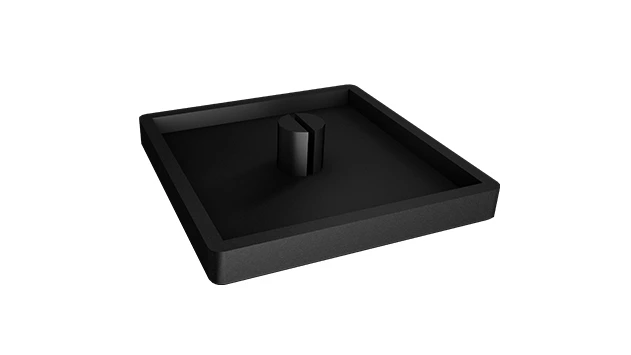
The aluminum profile end cap adds a finishing touch to your project and closes off profile ends to limit dust and debris buildup, also it can avaid some scratch for material and labor during the assemble work.
Let's set the scene: You've just unboxed a batch of shiny new aluminum extrusion profiles for your latest project. Maybe it's a custom workbench for your garage, a shelving unit for your small business, or even a frame for a DIY 3D printer enclosure. As you start handling the profiles, you notice something immediately—those raw, cut ends are sharp. Not "paper cut" sharp, but "grab a band-aid and maybe a tetanus shot" sharp. And if you peer inside the hollow channels? Dust, metal shavings, and maybe even a stray screw from the manufacturing process. Suddenly, that "finished" project you envisioned feels a little less polished. That's where the unsung heroes of aluminum profile projects come in: end caps and covers. But here's the thing—they're not interchangeable. Let's break down the differences, when to reach for each, and why these tiny accessories matter more than you might think.
First Things First: What Even Are 4040 Aluminum Profile End Caps?
Let's start with the basics. If you're working with aluminum extrusion profiles, you're probably familiar with the 4040 series—it's one of the most common sizes out there, loved for its balance of strength and versatility. The "4040" refers to the cross-section dimensions: 40mm by 40mm. Now, when these profiles come straight from the factory, their ends are typically rough-cut, leaving exposed edges and an open channel. Enter the 4040 aluminum profile end cap: a small, usually plastic or rubber component designed to snap, press, or screw into the open end of the profile. Think of it as a "stopper" for the tube.
End caps come in all shapes and sizes, but for 4040 profiles, they're specifically molded to fit that 40x40mm opening. Most are friction-fit, meaning you push them into place until they click—no tools required (though a gentle tap with a rubber mallet might help for a snug fit). Some heavier-duty versions might have screws or adhesive, but the majority are designed for quick, tool-free installation. Materials? You'll find them in PVC, nylon, polypropylene, and even metal (though plastic is the go-to for most DIY and light industrial projects). Colors? Usually black, white, or gray to blend in, but you can find bright hues if you want a pop of color.
What do they actually do? Three big things: First, safety. Those sharp edges? Gone. Run your hand along the end of a capped profile, and it'll feel smooth as a pebble on the beach. Second, protection. The open channel of an aluminum profile is like a magnet for dust, dirt, and moisture. Over time, that gunk can corrode the inside of the profile or even trap debris that scratches the surface when you slide accessories (like brackets or sliding doors) along the T-slots. End caps seal that channel shut, keeping the inside clean and dry. Third, aesthetics. A raw, unfinished end sticks out like a sore thumb—especially if you've gone to the trouble of powder-coating or anodizing your profiles. End caps give the project a "professional" look, like it rolled off a factory line instead of your garage workbench.
Now, What About Aluminum Profile Covers?
If end caps are the "stopper" for the ends of your profiles, covers are more like the "shield" for the sides. Let's clarify: when we talk about "covers" here, we're referring to T-slot covers, also sometimes called "slot plugs" or "channel covers." Aluminum extrusion profiles—including the 4040 series—have T-shaped slots running along their length (usually on 2, 3, or 4 sides). These slots are what make profiles so versatile: you can slide in bolts, nuts, brackets, or even custom accessories to build just about anything. But when those slots aren't in use? They're open invitations for trouble.
Imagine building a material rack using 4040 aluminum profiles. The vertical posts have T-slots, but you only need to use a few of them to attach the horizontal shelves. The unused slots? They'll collect dust, sawdust, or even small parts (looking at you, misplaced screws and washers). If the rack is in a workshop, oil or coolant might drip into those slots, leading to rust or sticky buildup. And if it's a public space—say, a retail display—those open slots are a prime spot for curious fingers (or pens, or gum… don't ask). That's where covers come in. T-slot covers are long, flexible strips (usually made of PVC or rubber) that snap into the T-slots, covering the open channel along the entire length of the profile.
Unlike end caps, which are small and discrete, covers are designed to run the full length of the slot. They're often sold in rolls or pre-cut lengths, and they come in colors that match common profile finishes (think black, gray, or clear). Installation is a breeze: you simply press the cover into the T-slot, and it locks into place with a satisfying "click." Some covers are even reusable—if you need to access the slot later, you can peel them off and reattach them without damage. And while safety is a secondary benefit here (they do make the profile edges a bit smoother), their main job is protection and aesthetics. An uncovered T-slot is like a missing tooth in an otherwise perfect smile—functional, but not quite put-together.

End Caps vs. Covers: A Side-by-Side Comparison
Still confused about which one you need? Let's put them head-to-head in a quick comparison. This table breaks down their key features, so you can see at a glance how they stack up:
| Feature | 4040 Aluminum Profile End Caps | Aluminum Profile T-Slot Covers |
|---|---|---|
| Primary Purpose | Seal the open ends of profiles; protect against sharp edges and debris inside channels. | Cover unused T-slots along the length of profiles; prevent dust, debris, and accidental contact. |
| Placement | Only on the cut ends of profiles (top, bottom, or any terminated edge). | Along the entire length of unused T-slots (runs parallel to the profile). |
| Materials | PVC, nylon, polypropylene, or metal (rare); rigid or semi-rigid. | Flexible PVC, rubber, or silicone; designed to bend and conform to slot curves. |
| Installation | Friction-fit (push into end), adhesive-backed, or screw-on; one per end. | Snap into T-slot; cut to length with scissors or a utility knife; covers entire slot length. |
| Safety Focus | Prevents cuts from sharp, raw ends; reduces risk of snagging on clothing or skin. | Minimizes risk of small objects (or fingers) getting stuck in T-slots; smooths surface edges. |
| Aesthetic Impact | Creates a finished look for profile ends; hides internal channel imperfections. | Creates a uniform, clean surface by covering unused slots; reduces visual clutter. |
| Cost (Per Unit) | Cheap—usually $0.50 to $2 per cap, depending on material and quality. | Slightly more, but sold in bulk; $5 to $15 for a 10-foot roll (covers multiple slots). |
| Best For | Any project with exposed profile ends (workbenches, shelving, frames). | Projects with unused T-slots (retail displays, material racks, public-facing structures). |
Pro Tip:
Don't skimp on quality here! Cheap end caps might crack or pop off over time, especially if your project is moved or bumped often. Similarly, low-quality covers can dry out and crack in direct sunlight or extreme temperatures. Look for UV-resistant materials if your project will be outdoors, and check reviews for "snug fit"—you don't want covers falling out every time you brush against the profile.

When to Choose 4040 Aluminum Profile End Caps
Let's get specific. End caps are non-negotiable in some scenarios, and just "nice to have" in others. Here are the top situations where you should always reach for end caps:
1. Any Profile with Exposed Ends (Which, Let's Be Real, Is Most Projects)
Unless your project is designed to have the ends of the profiles hidden (e.g., embedded in concrete or bolted into a wall), you need end caps. Take a workbench, for example. The legs are 4040 aluminum profiles, cut to 36 inches tall. The bottom ends sit on the floor, and the top ends connect to the tabletop. If you skip end caps on the bottom? The raw aluminum will scratch your floor (especially if you move the bench). On the top? The sharp edges could snag on tablecloths, tools, or even your forearms as you work. Even if the ends are "sort of" covered—like if the tabletop overlaps the legs by an inch—dust and debris will still work their way into the profile's channel. End caps seal that up for good.
2. Projects Where Safety Is a Priority (Read: All Projects)
If there's even a remote chance someone (including you) will touch the ends of your profiles, end caps are a must. Think about a kids' play table made with aluminum profiles (yes, people do this—they're durable and easy to clean!). Sharp ends are a disaster waiting to happen. Or a retail display in a store—customers brushing past could catch a sleeve on an exposed end and tear their clothing (or worse). Even in industrial settings, like a factory material rack, workers moving boxes around will appreciate not having to worry about cutting their hands on profile ends. Safety first, always.
3. When Aesthetics Matter (Spoiler: They Always Do)
You've spent hours measuring, cutting, and assembling your project. You've sanded the profiles, maybe even painted or anodized them. The last thing you want is for someone to look at it and say, "Nice, but why are the ends all rough?" End caps are the final 10% that makes the project feel complete. Take a 3D printer enclosure: the frame is 4040 profiles, and the panels are acrylic. Without end caps, the edges of the profiles would peek through the acrylic, looking messy. With end caps? It looks like a professional product, not a DIY job. Even if the project is "just" a garage shelf, you'll feel prouder showing it off with clean, capped ends.
4. To Protect the Profile Itself
Aluminum is corrosion-resistant, but it's not invincible. If your project is outdoors (like a patio shelf) or in a humid environment (like a workshop with a dehumidifier that's always breaking), moisture can get into the profile's channel through the open ends. Over time, that can lead to internal corrosion, especially if there are any tiny scratches in the aluminum's surface. End caps act as a barrier, keeping rain, dew, and humidity out. Similarly, in dusty environments (woodshops, garages), sawdust and dirt can build up inside the channel, making it harder to use the T-slots later if you want to modify the project. A quick cap, and you're good to go.
When to Choose Aluminum Profile Covers
Covers are a bit more situational than end caps, but they're just as important in the right scenarios. Here's when to add them to your shopping list:
1. Unused T-Slots on Public-Facing or High-Traffic Projects
If your project is going to be in a space where people (or pets) will interact with it regularly, unused T-slots are a hazard. Take a retail display rack made with 4040 profiles. You've used some T-slots to attach shelves, but others are empty. A curious customer might stick a finger in a slot, or a pen, or a (yes, really). In a school or office, kids (or adults) might try to "pick" at the slots, damaging both the profile and their fingers. Covers solve this by making the surface smooth and uninviting to curious hands. The same goes for a gym equipment rack—sweaty hands and open slots don't mix well (hello, rust).
2. Projects in Dirty or Dusty Environments
Woodshops, garages, and manufacturing facilities are full of airborne particles. Those T-slots? They're like tiny vacuum cleaners. Over time, sawdust, metal shavings, or concrete dust will pack into the slots, making them impossible to use later. Imagine building a material rack for your woodshop. You only need three shelves now, but next year, you might want to add a fourth. If the unused T-slots are full of sawdust, you'll have to spend an hour cleaning them out (and probably damage the slot edges with a screwdriver in the process). Covers keep the slots clean and ready for use, even if you don't need them right away.
3. Aesthetic Consistency (Because "Almost Perfect" Isn't Perfect)
Ever seen a DIY project that looks great… except for a few random, empty T-slots? It's like wearing a nice outfit with mismatched socks—technically functional, but distracting. Covers create a uniform look by blending the slots into the profile's surface. This is especially true for projects with powder-coated or anodized profiles. The slots are usually a different color than the rest of the profile (since the coating doesn't always reach the inside), so covering them makes the entire profile look seamless. For example, a black anodized 4040 profile with black T-slot covers? It looks sleek and intentional. Without covers? The silver aluminum inside the slots stands out like a sore thumb.
4. To Protect Cables or Wires (Yes, Covers Can Do That Too)
Here's a bonus use: if you're running cables or wires along your aluminum profiles (say, for a LED light strip on a workbench), covers can protect them. Some T-slot covers are thick enough to act as a buffer between the wires and the sharp edges of the slot. Just lay the wires in the slot, then snap the cover on top. It's not a substitute for proper cable management, but it adds an extra layer of protection against abrasion.
The Overlap: When You Might Need Both
Most projects will require both end caps and covers. Let's take a common example: a material rack using 4040 aluminum profiles. The rack has four vertical posts (each cut to 72 inches), connected by horizontal beams at the top, middle, and bottom. Here's how it breaks down:
- End Caps: Each vertical post has two ends (top and bottom). The bottom ends need caps to protect the floor and prevent debris from entering. The top ends? Even if they're connected to a horizontal beam, the beam might not fully cover the end, so caps add a clean finish. The horizontal beams, too—their cut ends (where they meet the vertical posts) should be capped to prevent sharp edges and debris.
- Covers: The vertical posts have T-slots on all four sides, but you only use two sides to attach the horizontal beams. The other two sides have unused slots, which will collect dust and dirt in your warehouse. Covers on those slots keep the rack looking clean and functional for years.
Another example: a mobile cart with 4040 profile legs, a tabletop, and caster wheels. End caps on the leg ends (even though they're attached to casters—you'd be surprised how much debris gets into the channel through the small gap). Covers on the unused T-slots of the tabletop frame, so tools don't slide into the slots and get stuck. It's all about thinking ahead: what parts of the project will be exposed, and how can end caps and covers protect them (and you)?
Aluminum Profile Accessories: It's All in the Details
End caps and covers fall under the umbrella of aluminum profile accessories, and they're part of a larger ecosystem that makes these profiles so versatile. Think about it: you don't just buy a 4040 profile and call it a day. You need brackets to connect profiles, casters to make carts mobile, hinges for doors, and yes—end caps and covers to finish it off. These accessories might seem small, but they're what turn a pile of metal into a functional, polished project.
When shopping for end caps and covers, pay attention to compatibility. Not all end caps fit all 4040 profiles—some profiles have thicker walls or slightly different internal dimensions (e.g., "4040R" vs. "4040A" series). Most suppliers will list the profile series the end cap is designed for, so double-check before buying. The same goes for covers: T-slots come in different widths (e.g., 6mm, 8mm, 10mm), and covers are sized to match. A 6mm cover won't fit an 8mm slot, and vice versa.
And don't forget about color! Most aluminum profile accessories—including end caps and covers—come in standard colors like black, white, or gray to match common profile finishes. If you're going for a custom look, some suppliers offer colored options (red, blue, yellow) or even clear covers (great if you want to show off the aluminum's natural finish). It's a small detail, but matching the accessories to your project's color scheme can take it from "good" to "great."
Real-World Example: When I Learned the Hard Way
Let me share a quick story. A few years back, I built a mobile workbench for my garage using 4040 aluminum profiles. I was in a hurry, so I skipped the end caps and covers to "save time." Big mistake. First, the bottom ends of the legs scratched my concrete floor within a week—every time I moved the bench, the raw aluminum dug into the surface. Then, I noticed sawdust was piling up in the T-slots of the tabletop. When I tried to add a shelf later, the bolts got stuck in the sawdust, and I had to spend 20 minutes cleaning out the slot with a pick and compressed air. Worst of all? I was working on a wooden project and leaned against the bench—my sleeve caught on an exposed profile end, tearing a huge hole. That's when I ordered end caps and covers. Within 10 minutes of installing them, the bench felt like a new piece of equipment. Lesson learned: never skip the finishing touches.
Final Thoughts: End Caps and Covers Are Worth the Investment
At the end of the day, end caps and covers are small, inexpensive accessories that deliver huge returns. They protect your project, your space, and the people using it. They turn rough, unfinished profiles into polished, professional-looking pieces. And they save you time and frustration down the line—no more cleaning out clogged T-slots or fixing scratched floors.
So, to recap: 4040 aluminum profile end caps are for sealing the cut ends of your profiles—safety, dust protection, and aesthetics. Aluminum profile covers are for shielding unused T-slots along the length of the profile—keeping out debris, preventing accidents, and maintaining a clean look. In most projects, you'll need both. And when you're shopping, don't forget to check compatibility and invest in quality—your project (and your hands) will thank you.
Now, go grab those end caps and covers. Your aluminum extrusion project deserves to look (and function) its best.