- Company Articles
- Products and Technology
- Product knowledge
- 4040 Aluminum Profile End Caps vs. Plugs: Key Differences & Uses

4040 Aluminum Profile End Caps vs. Plugs: Key Differences & Uses
Related Product
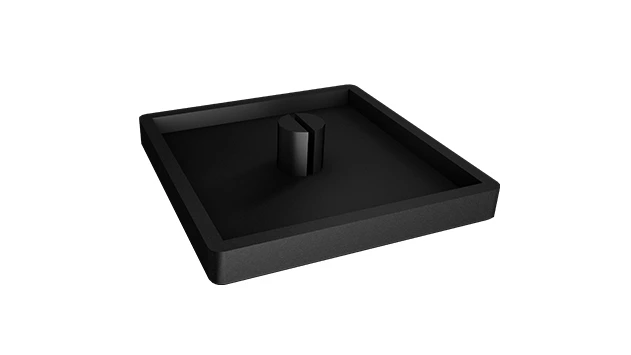
4040 Aluminum Profile End Cap
The aluminum profile end cap adds a finishing touch to your project and closes off profile ends to limit dust and debris buildup, also it can avaid some scratch for material and labor during the assemble work.
4040 Aluminum Profile End Caps vs. Plugs: Key Differences & Uses
If you've ever walked through a busy factory floor, a well-organized warehouse, or even a modern workshop, you've probably seen them—those sleek, silver structures holding up workbenches, guiding conveyor belts, or forming the frames of material racks. Chances are, those structures are made from aluminum profiles. Lightweight, strong, and infinitely customizable, aluminum profiles have become the backbone of industrial setups worldwide. And among the most popular sizes? The 4040 aluminum extrusion profile. But here's the thing: while the profiles themselves get all the attention, it's the small stuff—the accessories—that often make or break their performance. Today, we're shining a spotlight on two unsung heroes of the aluminum profile world: end caps and plugs. Let's dive in.
What Are 4040 Aluminum Profiles, Anyway?
First, let's get the basics out of the way. A 4040 aluminum profile is exactly what it sounds like: an extruded aluminum bar with a square cross-section, measuring 40mm by 40mm. If you're visualizing it, think of a hollow square tube with internal "ribs" (called T-slots) running along its length. These T-slots are what make aluminum profiles so versatile—they let you slide in bolts, brackets, or other accessories to build just about anything: workbenches, machine guards, assembly lines, or even custom shelving.
Why 4040, specifically? It's a sweet spot between strength and flexibility. At 40x40mm, it's sturdy enough to support heavy loads (we're talking hundreds of pounds, depending on how it's mounted) but not so bulky that it becomes hard to maneuver or overkill for smaller projects. You'll find 4040 profiles in everything from automotive manufacturing plants to electronics assembly lines, and even in DIY garage setups. They're the workhorses of the aluminum extrusion world.
End Caps and Plugs: The Small Parts That Matter
Now, imagine you've just built a shiny new workbench using 4040 profiles. It looks great, it's sturdy, and your team is excited to start using it. But wait—take a closer look at the ends of those profiles. If they're left uncovered, you'll see sharp, raw edges where the extrusion process cut the aluminum. Not only do those edges look unprofessional, but they're also a safety hazard. A quick brush against them could snag a glove, scratch an arm, or even tear clothing. Plus, over time, dust, dirt, and debris will start to collect inside the hollow profile, making it harder to clean and potentially weakening the structure over time.
Enter end caps and plugs. These tiny aluminum profile accessories might seem trivial, but they solve big problems:
- Safety First: They cover sharp edges, turning a potential hazard into a smooth, touchable surface.
- Protection: They seal the ends of the profile, keeping out dust, water, and debris that could corrode the aluminum or jam T-slots.
- Aesthetics: Let's be honest—finished edges just look better. A workspace with capped profiles feels more polished and intentional.
- Longevity: By preventing moisture and dirt from getting inside, end caps and plugs help extend the life of your aluminum structures.
But here's the catch: end caps and plugs aren't interchangeable. They're designed for different jobs, and choosing the wrong one can lead to frustration, safety risks, or even damage to your setup. Let's break down what makes them unique.
4040 Aluminum Profile End Caps: The "Rigid Protectors"
Let's start with end caps. If plugs are the "softies" of the accessory world, end caps are the "tough guys." Typically made from rigid materials like hard plastic (Nylon or polypropylene) or even metal, end caps are designed to snap onto or press into the open end of a 4040 profile, creating a firm, fixed barrier.
What do they look like? Picture a small, flat disc or square (matching the 40x40mm profile end) with a slightly raised rim around the edges. This rim is key—it's what "grips" the inside of the profile, holding the cap in place. Some end caps have tiny tabs or notches that lock into the profile's T-slots for extra security, while others rely on a tight friction fit. Either way, once an end cap is on, it's not going anywhere without a little effort.
Key Features of End Caps:
- Rigid Construction: They don't bend or compress easily, which makes them great for protecting profile ends from impacts. drop a tool on an uncapped profile? Ouch. drop it on a capped one? The end cap takes the hit, not the aluminum.
- Snap-On or Press-Fit Installation: Most end caps install in seconds—no tools needed. Just line them up with the profile end and push firmly until they "click" into place. It's satisfyingly simple.
- Smooth, Flat Surface: The outer face of an end cap is usually flat and smooth, making it ideal for areas where people might lean against the profile (like the edge of a workbench) or where you don't want anything catching on a raised surface.
Where do end caps shine? Think high-traffic or high-impact areas. A good example is a material rack B (3 row and 3 floor) in a warehouse—those profiles get bumped by forklifts, hit by boxes, and generally put through the wringer. End caps here act like armor, absorbing shocks and keeping the rack looking (and functioning) like new. They're also perfect for workbench edges, where operators might rest their arms or set tools down. Sharp edges? Not on an end-capped workbench.
4040 Aluminum Profile Plugs: The "Flexible Sealers"
Now, let's talk about plugs. If end caps are rigid protectors, plugs are more like flexible sealers. Made from softer materials—usually rubber (EPDM or silicone) or flexible plastic—plugs are designed to fill the end of a profile rather than just cover it. They're often tapered or slightly larger than the profile's inner diameter, so when you push them in, they compress to create a tight, watertight (or dust-tight) seal.
What's the difference in design? Unlike end caps, which have a hard outer rim, plugs are often more bulbous or "mushroom-shaped." Some have a small lip around the top to keep them from being pushed too far into the profile, while others are completely smooth. You might even find plugs with tiny holes in the center—these are for cable management, letting wires or tubes pass through the profile while still sealing out debris.
Key Features of Plugs:
- Flexible Material: Rubber or soft plastic gives plugs "give." They can conform to slight irregularities in the profile's end (like minor dents or burrs) to create a better seal than rigid end caps.
- Sealing Power: Plugs excel at keeping out liquids, dust, and even small pests. If your profile is exposed to moisture (say, in a food processing plant or an outdoor setup), a plug is your best bet.
- Easier Removal: Because they're flexible, plugs are simpler to pop out if you need to access the inside of the profile later (for wiring, repairs, etc.). End caps, with their tight friction fit, can sometimes require a flathead screwdriver or pliers to remove.
Where do plugs work best? Anywhere sealing is the priority. Think about a profile used in a cleanroom, where dust contamination is a no-go, or a conveyor system that's hosed down regularly. Plugs are also great for temporary setups—if you're building a prototype or a structure that might need modifications later, plugs let you open the profile without damaging it. And let's not forget cable management: a plug with a pre-drilled hole is a neat way to route wires through a profile without leaving gaps for dust to sneak in.
End Caps vs. Plugs: The Ultimate Comparison
Still not sure which one to pick? Let's put them head-to-head in a table. This should clear up any confusion:
| Feature | 4040 Aluminum Profile End Caps | 4040 Aluminum Profile Plugs |
|---|---|---|
| Primary Material | Hard plastic (Nylon, PP) or metal | Soft rubber (EPDM, silicone) or flexible plastic |
| Design | Rigid, flat, with a gripping rim; may have T-slot tabs | Flexible, tapered, or bulbous; often with a top lip |
| Installation | Snap-on or press-fit (firm, "click" into place) | Compression fit (push in, no "click") |
| Primary Purpose | Impact protection, safety (sharp edge coverage), aesthetics | Sealing (dust/water), cable management, temporary setups |
| Best For | High-traffic areas (workbenches, material racks), permanent setups, where impact resistance matters | Moist/dusty environments, cleanrooms, temporary structures, cable routing |
| Removal Difficulty | Harder (may require tools like screwdrivers to pry off) | Easier (can often be pulled out by hand) |
| Cost | Slightly higher (due to rigid materials) | Often cheaper (softer materials are less expensive) |
| Safety Focus | Prevents cuts/scratches from sharp edges | Also prevents cuts, but secondary to sealing |
| Weather Resistance | Good, but may crack in extreme cold/heat | Excellent (rubber/plastic resists temperature swings) |
Real-World Scenarios: When to Choose Which
Let's make this concrete with a few examples. Suppose you're setting up a production line workbench using 4040 profiles. The top of the bench will see constant use—tools being set down, workers leaning on it, maybe even parts sliding across. For the top edges of the bench, end caps are a no-brainer. They'll stand up to impacts, cover sharp edges, and keep the bench looking professional.
Now, what about the legs of that bench? If the bench is in a dry, indoor area, end caps on the bottom (where the legs meet the floor) would work fine. But if the floor gets mopped regularly or there's a risk of water spills, plugs might be better. They'll seal the bottom of the legs, preventing water from seeping up into the profile and causing corrosion over time.
Another example: a material rack B (3 row and 3 floor) in a warehouse. The vertical posts of the rack are constantly being brushed by pallets or bumped by forklifts. End caps on those posts will protect both the rack and the equipment from damage. But the horizontal beams, which hold boxes? If those boxes are dusty (say, from storing parts), plugs in the beam ends could help keep dust from collecting inside the profiles. It's all about balancing protection and practicality.
Common Mistakes to Avoid
Even with all this info, it's easy to slip up. Here are a few mistakes people often make when choosing between end caps and plugs:
- Using the wrong size: This might sound obvious, but 4040 profiles come in different "wall thicknesses." A cap designed for a thin-wall profile might be too loose on a thick-wall one, and vice versa. Always check the inner diameter of your profile before buying.
- Ignoring material compatibility: If you're using the profile outdoors, a plastic end cap might crack in freezing temperatures. Opt for rubber plugs instead—they're more flexible in the cold.
- Overlooking removal needs: If you think you might need to take the cap or plug off later (for repairs, reconfiguring, etc.), plugs are easier to remove. End caps can be tricky—some even require cutting if they're really stuck.
- Skipping them altogether: We get it—accessories feel like an afterthought. But leaving profile ends uncovered is a safety risk. A worker could catch a sleeve on a sharp edge, or debris could jam the T-slots, making it hard to add accessories later. Spend the extra few dollars; your team (and your setup) will thank you.
Wrapping Up: It's the Little Things
At the end of the day, end caps and plugs might seem like minor details, but they're critical to getting the most out of your 4040 aluminum extrusion profile. End caps are your go-to for impact protection, safety, and a polished look in high-traffic areas. Plugs shine when sealing, cable management, or flexibility is key. And remember: there's no rule that says you can't use both! A single setup might have end caps on some profiles and plugs on others, depending on the job.
So, the next time you're building with 4040 profiles, don't just grab the first accessory you see. Take a second to think about what that profile end needs—protection? Sealing? A little of both? Then pick the right tool for the job. Your workspace will be safer, more efficient, and yes—even a little more impressive. After all, in the world of aluminum profiles, the small parts often make the biggest difference.