- Company Articles
- Products and Technology
- Product knowledge
- 4040 vs 2020 Aluminum Profile End Caps: Project Scale & Load Requirements

4040 vs 2020 Aluminum Profile End Caps: Project Scale & Load Requirements
Related Product
2020 Aluminum Profile End Cap
The aluminum profile end cap adds a finishing touch to your project and closes off profile ends to limit dust and debris buildup, also it can avaid some scratch for material and labor during the assemble work.
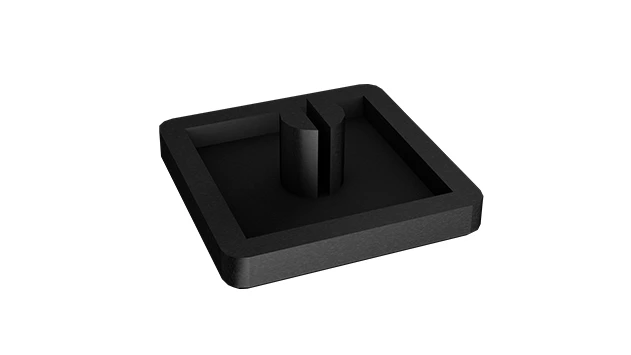
In the world of manufacturing and industrial setups, every component plays a role in ensuring efficiency, durability, and safety. Among these, aluminum profiles have become the backbone of countless operations, thanks to their versatility, strength, and adaptability. From small workbenches in a local workshop to large-scale production lines in automotive plants, aluminum extrusion profiles are everywhere. But even the most robust profiles rely on smaller, often overlooked parts to function optimally—one such part is the end cap. Today, we're diving into two of the most commonly used aluminum profiles and their corresponding end caps: the 4040 and 2020 aluminum profiles. We'll explore how project scale and load requirements influence the choice between these two, and why getting this decision right matters for your setup.
Understanding Aluminum Profiles: The Backbone of Modern Workspaces
Before we jump into end caps, let's take a moment to appreciate the star of the show: aluminum profiles. These are not just any metal bars; they're precision-engineered aluminum extrusion profiles designed with T-slots, which allow for easy attachment of accessories like brackets, panels, and, yes, end caps. The T-slot design is what makes aluminum profiles so versatile—they can be customized into almost any structure imaginable, from simple shelves to complex conveyor systems. This flexibility is why they're a cornerstone of lean system setups, where adaptability and waste reduction are key.
Aluminum profiles come in various sizes, but two stand out for their widespread use: the 2020 and 4040 profiles. The numbers here are straightforward: a 2020 profile measures 20mm by 20mm, while a 4040 profile is 40mm by 40mm. At first glance, the difference in size might seem small, but in the world of load-bearing and structural integrity, those extra millimeters make a world of difference. And just as the profiles themselves differ, so do their end caps—the small, often plastic or aluminum caps that seal the open ends of the profiles. End caps might seem like an afterthought, but they serve critical functions: preventing dust and debris from entering the profile's hollow interior, protecting workers from sharp edges, and even enhancing the overall aesthetics of the structure.
End Caps 101: Why They Matter More Than You Think
Let's talk about end caps. If aluminum profiles are the bones of your setup, end caps are like the protective caps on the ends of bones—small but essential for preventing damage and ensuring smooth operation. Imagine a 4040 aluminum profile used in a material rack B (3 row and 3 floor) in a warehouse. Without end caps, the open ends of the profile would collect dirt, small tools, or even moisture over time. This could weaken the profile from the inside, or worse, create a safety hazard if someone brushes against a sharp, exposed edge. End caps solve these problems by sealing the ends, keeping the interior clean, and softening the edges.
But not all end caps are created equal. The 4040 and 2020 aluminum profile end caps are specifically designed to fit their respective profiles, meaning a 2020 end cap won't work on a 4040 profile, and vice versa. They're typically made from durable plastics or aluminum, with designs that snap or press into place, making installation quick and tool-free. Some even come with additional features, like rubber gaskets for extra dust resistance or textured surfaces for a better grip during installation. As part of aluminum profile accessories, end caps might not get the spotlight, but they're a non-negotiable component for anyone serious about maintaining their setup's longevity.

4040 Aluminum Profile End Caps: Built for Heavy-Duty, Large-Scale Projects
Let's start with the bigger sibling: the 4040 aluminum profile. Measuring 40mm by 40mm, this profile is the workhorse of industrial settings. Its larger cross-section and thicker walls (often 1.5mm to 3mm, depending on the variant) make it ideal for supporting heavy loads and withstanding constant use. Unsurprisingly, the 4040 aluminum profile end cap is designed to match this robustness. Made from high-strength plastic or aluminum, these end caps are built to stay in place even under stress, ensuring the profile's ends remain sealed and protected in high-traffic environments.
Project Scale: When to Choose 4040 End Caps
4040 profiles and their end caps shine in large-scale projects. Think about a car manufacturing plant where material racks, conveyor systems, and assembly lines need to support hundreds of kilograms of parts daily. Or a warehouse with multi-level storage racks that hold pallets of goods. In these scenarios, the 4040 profile provides the structural stability needed to keep the system upright and safe. The end caps here aren't just about aesthetics—they're about maintaining the integrity of the profile over time. For example, a 4040 profile used in a roller track system (like the 85 steel roller track or 60 steel roller track green) would have end caps that prevent debris from jamming the rollers, ensuring smooth material flow.
Another example is a lean system setup in a heavy machinery workshop. Lean systems rely on minimizing waste and maximizing efficiency, which often means building structures that can adapt to changing production needs. A 4040 profile-based workbench or material rack can be reconfigured with new accessories (like aluminum guide rail A or B) without compromising strength, and the end caps ensure that even after multiple adjustments, the profile remains protected. Large-scale projects also tend to have longer profiles, and end caps become crucial here to prevent bending or warping at the ends, which could throw off the entire structure's alignment.
Load Requirements: Handling the Heavy Lifts
Load capacity is where the 4040 profile truly stands out. Thanks to its size and material thickness, a single 4040 profile can support significantly more weight than a 2020 profile. For instance, a horizontal 4040 profile (with proper supports) can easily hold 100-200kg, depending on the span. This makes it perfect for applications like heavy-duty workbenches, large turnover trolleys, or material racks that store bulky items. The end caps here play a subtle but important role in load distribution—by sealing the ends, they prevent the profile from "crushing" under pressure at the edges, especially when the load is unevenly distributed.
Consider a scenario where a 4040 profile is used as part of a roller track system in a logistics center. The track needs to support boxes weighing 50kg or more as they slide from one station to another. Without a secure end cap, the constant vibration and weight could cause the profile's end to crack or deform, leading to jams or even accidents. The 4040 end cap, designed to fit snugly, acts as a buffer, absorbing some of the stress and keeping the profile's structural integrity intact.

2020 Aluminum Profile End Caps: Perfect for Small-Scale, Lightweight Setups
Now, let's turn to the smaller but equally versatile 2020 aluminum profile. At 20mm by 20mm, this profile is the go-to for smaller, lighter applications. Its compact size and lighter weight (walls are usually 1mm to 1.5mm thick) make it easy to handle, assemble, and reconfigure, making it a favorite for workshops, labs, and small businesses. The 2020 aluminum profile end cap mirrors this agility—smaller, lighter, but still durable enough to protect the profile's ends in less demanding environments.
Project Scale: Small but Mighty
2020 profiles and their end caps are all about flexibility and space efficiency. Think of a local electronics repair shop with a workbench E (single deck-without caster) built from 2020 profiles. The workbench needs to hold tools, a laptop, and small components—nothing too heavy, but it still needs to be sturdy enough for daily use. The 2020 profile is perfect here because it's lightweight, doesn't take up much space, and can be easily customized with shelves or tool holders using aluminum profile accessories like brackets or corner codes. The end caps, in this case, keep dust out of the profile's T-slots, ensuring that accessories can be added or removed smoothly without jamming.
Another common use case is small-scale material racks or turnover trolleys in a bakery or café. These setups need to hold ingredients or finished goods, but the loads are relatively light (20-50kg at most). A 2020 profile-based rack is easy to move around, doesn't require heavy machinery to assemble, and the end caps add a polished look, which is important in customer-facing areas. Even in lean system setups focused on agility—like a startup's prototyping lab—2020 profiles shine. They allow teams to quickly build and modify workstations without investing in heavy-duty infrastructure, and the end caps ensure these temporary setups still feel professional and well-maintained.
Load Requirements: Light to Medium Loads, Maximum Flexibility
While 2020 profiles can't match the load capacity of 4040 profiles, they're more than capable of handling light to medium loads. A horizontal 2020 profile with proper supports can typically hold 20-50kg, which is more than enough for most small-scale applications. The 2020 end cap is designed to complement this by providing a secure seal without adding unnecessary weight. Made from lightweight but tough plastics (like ABS or polypropylene), these end caps snap into place easily and stay put even with regular use.
Take a small electronics assembly workbench, for example. The bench might have a 2020 profile frame with a plywood top, holding a soldering iron, a few tools, and a bin of components. The total load is minimal, but the end caps still play a role: they prevent small screws or bits of wire from falling into the profile's hollow interior, which could later cause issues when adjusting the bench's height or adding new accessories. In this case, the 2020 end cap is a small detail that keeps the workspace clean and functional.
Project Scale & Load Requirements: How to Choose Between 4040 and 2020 End Caps
Now that we've covered the basics of 4040 and 2020 aluminum profile end caps, let's break down the decision-making process. The key factors here are project scale and load requirements—but there are other considerations, like space constraints, budget, and future adaptability. Let's walk through some scenarios to help you decide.
Scenario 1: Large-Scale Manufacturing or Heavy Material Handling
If you're setting up a production line in a factory, building a multi-tiered material rack B (3 row and 3 floor) for heavy parts, or installing a roller track system that will move pallets or large components, the 4040 profile and its end cap are the way to go. These projects involve heavy loads (often 100kg or more) and constant use, so the 4040's strength and durability are non-negotiable. The end cap, with its robust design, will ensure the profile remains protected even in high-traffic areas. For example, a car parts manufacturer using 40 steel roller track yellow wheel conveyor systems needs the 4040 profile to support the weight of engine components, and the end caps to keep debris from jamming the rollers.
Scenario 2: Small Workshops or Light-Duty Workstations
For a home workshop, a small lab, or a retail display, the 2020 profile and end cap are ideal. These setups don't require heavy load support, and the smaller profile size saves space and reduces cost. A 2020-based workbench with a laminate top, for instance, is perfect for a jewelry maker or a hobbyist woodworker. The end caps add a clean finish, and the profile's lightweight nature makes it easy to move the bench if needed. Even in a lean system focused on minimalism—like a pop-up shop's inventory rack—the 2020 profile offers the right balance of strength and flexibility, with end caps ensuring the setup looks neat and professional.
Scenario 3: Mixed Loads or Growing Operations
What if your project falls somewhere in between? Maybe you run a small business that's expanding, or you need a setup that can handle both light and medium loads. In this case, you might consider a hybrid approach: using 4040 profiles for the main load-bearing structures (like the legs of a workbench) and 2020 profiles for secondary components (like shelves or side rails). This way, you get the best of both worlds—strength where you need it, and flexibility where you don't. Just remember to pair each profile with its corresponding end cap: 4040 end caps for the main frame, and 2020 end caps for the shelves. This hybrid setup is common in lean system environments, where adaptability is key, and resources are allocated efficiently.
| Factor | 4040 Aluminum Profile End Cap | 2020 Aluminum Profile End Cap |
|---|---|---|
| Profile Size | 40mm x 40mm | 20mm x 20mm |
| Typical Load Capacity (Horizontal, Supported) | 100-200kg | 20-50kg |
| Best For | Large-scale projects, heavy material handling, production lines | Small workshops, light-duty workstations, retail displays |
| Material | Heavy-duty plastic or aluminum | Lightweight but durable plastic (ABS, polypropylene) |
| Installation | Snap/press-fit, designed for secure hold under stress | Snap-fit, quick and tool-free |
| Common Applications | Material racks, conveyor systems, industrial workbenches | Small workbenches, display shelves, lightweight trolleys |
Beyond End Caps: Other Aluminum Profile Accessories to Consider
While end caps are important, they're just one part of the aluminum profile ecosystem. To build a complete, functional setup, you'll need other aluminum profile accessories that work seamlessly with your chosen profile (4040 or 2020). For 4040 profiles, this might include heavy-duty corner codes (like the 3060 aluminum angle yards), gussets for added stability, or aluminum guide rail B for roller track systems. For 2020 profiles, smaller accessories like 2020 switch to aluminum corner codes or mini aluminum roller track yellow guides are more common.
It's also worth noting that the choice of end cap can sometimes influence other accessories. For example, if you're using a 4040 profile with an aluminum end cap, you might need a longer bolt or bracket to attach accessories, since aluminum end caps are slightly thicker than plastic ones. On the flip side, 2020 plastic end caps are thin enough that most standard accessories will work without modification. As with any project, planning ahead and ensuring all components (profiles, end caps, accessories) are compatible will save you time and frustration down the line.
Conclusion: The Right End Cap for the Right Job
At the end of the day, choosing between 4040 and 2020 aluminum profile end caps comes down to understanding your project's needs. If you're working on a large-scale, heavy-duty setup with high load requirements, the 4040 end cap is your best bet. It's built to last, protect, and support the weight of industrial operations. For smaller, lighter projects—like a home workshop or a retail display—the 2020 end cap offers the perfect balance of functionality and flexibility.
Remember, end caps might be small, but they're a critical part of your aluminum profile system. They protect your investment, keep your workspace safe, and ensure your setup runs smoothly for years to come. So whether you're building a massive material rack or a tiny workbench, take the time to choose the right end cap—your future self (and your tools, and your team) will thank you.
In the world of aluminum extrusion profiles and lean system setups, every detail counts. And when it comes to 4040 vs 2020 end caps, the right choice is the one that matches your project's scale and load requirements. Now go out there and build something amazing—with the right end caps, of course.